In Washington: Trump, Zelenskyy, Vance Locked in Verbal Fight

READ the Full transcript of heated exchange at the Oval Office in the White House.

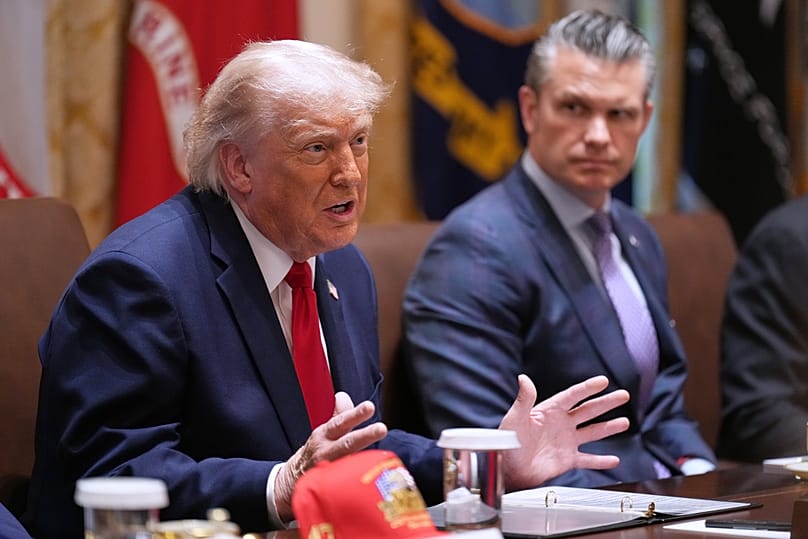
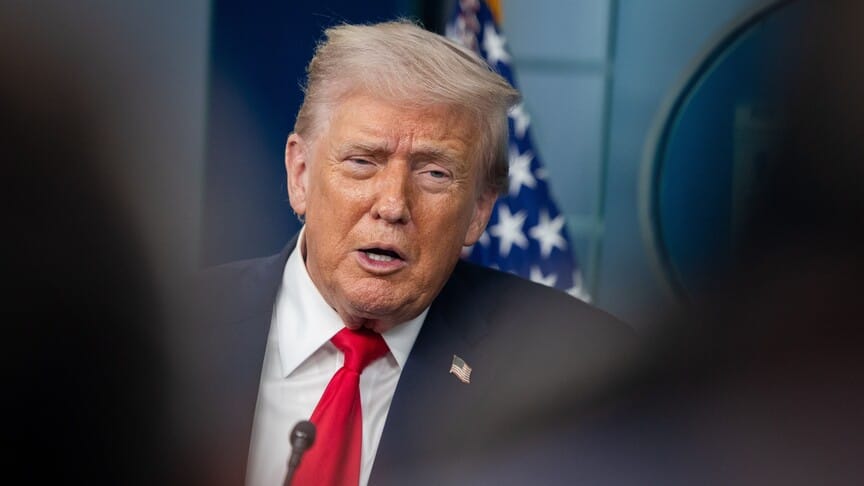
Ukrainian President Volodymyr Zelenskyy on Friday got in a heated war of words with US President Donald Trump and Vice President JD Vance Friday during a critical meeting at the White House.

The public spat was over Zelenksyy’s doubts that Trump’s efforts to broker a deal to end the three-year-long war with Russia may not yield lasting peace.

Zelenskyy departed the White House following the argument, and a planned signing ceremony for a deal on critical minerals and press conference were canceled. ​​​​​​  

Here is the full transcript of the heated exchange at the White House:

Reporter: Poland was under Russian control for decades after the Second World War. When I was a kid, I looked at the United States not only as a most powerful country, richest country in the world, the country that has great music, great movies, great muscle cars, but also as a force for good. And now I’m talking with my friends in Poland, and they are worried that you align yourself too much with Putin. What’s your message for them?

Trump: Well, if I didn’t align myself with both of them, you’d never have a deal. You want me to say really terrible things about Putin and then say, hi, Vladimir. How are we doing on the deal? It doesn’t work that way. I’m not aligned with anybody. I’m aligned with the United States of America, and for the good of the world, I’m aligned with the world, and I want to get this thing over with. You see, the hatred he’s got for Putin that’s very tough for me to make a deal with that kind of hate. He’s got tremendous hatred, and I understand that, but I can’t tell you the other side is exactly in love with you know him, either. So it’s not a question of alignment. I have to I’m in line with the world. I want to get the thing said. I’m aligned with Europe. I want to see if we can get this thing done. You want me to be tough? I could be tougher than any human being you’ve ever seen. I’d be so tough, but you’re never going to get it done that way. So that’s the way it goes. One more question.

Vance: I will respond to this. So look, for four years, the United States of America, we had a president who stood up the press conferences and talked tough about Vladimir Putin, and then Putin invaded Ukraine and destroyed a significant chunk of the country. The path to peace and the path to prosperity is maybe engaging in diplomacy. We tried the pathway of Joe Biden of thumbing our chest and pretending that the President of the United States’ words mattered more than the President of the United States’ actions. What makes America a good country is America engaging in diplomacy. That’s what President Trump’s doing.

Zelenskyy: Can I ask you?

Vance: Sure? Yeah.

Zelenskyy: He (Putin) occupied our parts, big parts of Ukraine, part of East and Crimea. So he occupied in 2014. so during a lot of years. So I not speaking about just President Obama, then President Trump, then President Obama, now President Trump, God bless now President Trump will stop him. But during 2015 nobody stopped him. He just occupied and took. He killed people.

Trump: I was not here.

Zelenskyy: Yes. But during 2014 till 2022. The situation the same that people are been dying on the contact line. Nobody stopped him. You know that we have conversations with him, a lot of conversation, many bilateral conversation, and we signed with him.. In 2019 I signed with him, the deal, I signed with him, Macron and Merkel, we signed ceasefire. Ceasefire. All of them told me that he will never go. We signed him, gas contract. Gas contract, yes, but after that, he broke the ceasefire. He killed our people and he didn’t exchange prisoners. We signed the exchange of prisoners, but he didn’t do it. What kind of diplomacy JD you are speaking about? What do you mean?

Vance: I’m talking about the kind of diplomacy that’s going to end the destruction of your country, Mr. President, Mr. President, with respect. I think it’s disrespectful for you to come to the Oval Office to try to litigate this in front of the American media. Right now, you guys are going around and forcing conscripts to the front lines because you have manpower problems, you should be thanking the president for trying to bring it into this.

Zelenskyy: Have you ever been to Ukraine that you see what problems we have?

Vance: I have been to.

Zelenskyy: Come once.

Vance: I’ve actually, I’ve actually watched and seen the stories, and I know what happens is you bring people. You bring them on a propaganda tour, Mr. President. Do you disagree that you’ve had problems bringing people in your military? and do you think that it’s respectful to come to the Oval Office of the United States of America and attack the administration is trying to prevent the destruction of your country?

Zelenskyy: A lot of questions. Let’s start from the beginning. First of all, during the war, everybody has problems, even you, but you have a nice ocean and but don’t feel now, but you will feel it in the future.

Trump: You don’t know that.

Zelenskyy: God bless, you will not have a war…

Trump: Don’t tell us what we’re going to feel. We’re trying to solve a problem. Don’t tell us what we’re going to feel, because you’re in no position to dictate that exactly.

Zelenskyy: I am not telling you.. (inaudible) I am answering… question…

Trump: You’re in no position to dictate what we’re going to feel. We’re going to feel very good.

Zelenskyy: You will feel influence…

Trump: You’re right now not in a very good position. You’ve allowed to be in a very bad position, and it happens to be….

Zelenskyy: From the very beginning of the war.. (inaudible)…

Trump: You’re not in a good position. You don’t have the cards right now. with us, you start having problems right now.

Zelenskyy: I’m not playing cards…

Trump: You are playing cards. You’re gambling with the lives of millions of people.

Zelenskyy: I am the president of.. (inaudible)

Trump: You’re gambling with World War II. You’re gambling with World War III, and what you’re doing is very disrespectful to the country, this country, that’s back to you far more than a lot of people say they should..

Vance: Have you said thank you?

Zelenskyy: A lot of times…

Vance: No, in this entire meeting?

Zelenskyy: Even today…

Vance: You went to Pennsylvania and campaigned for the opposition in October, offer some words of appreciation for the United States of America and the president who’s trying to save your country.

Zelenskyy: Please, you think that, if you will speak very loudly about the war…

Trump: He is not speaking loudly, your country is in big trouble.

Zelenskyy: Can I answer?

Trump: No, no, you’ve done a lot of talking. Your country is in big trouble.

Zelenskyy: I know…

Trump: You’re not winning. You’re not winning this. You have a damn good chance of coming out okay, because of us.

Zelenskyy: We are staying in our country, staying strong, from the very beginning of the war, we’ve been alone, and we are thankful. I said, thanks…

Trump: You haven’t been alone…

Zelenskyy: I said thank you…

Trump: We gave you, through this stupid president, $350 billion we gave you military equipment…. if you didn’t have our military equipment, if you didn’t have our military equipment, this war would have been over in two weeks…

Zelenskyy: In three days. I heard it from Putin in three days. This is something…

Trump: Maybe less…

Zelenskyy: in two weeks.. of course.

Trump: It’s going to be a very hard thing to do business like this.

Vance: You said thank you.

Zelenskyy: I said… (inaudible)…

Vance: Except that there are disagreements, and let’s go litigate those disagreements, rather than trying to fight it out of the American media, when you’re wrong, we know that you’re wrong.

Trump: You see, I think it’s good for the American people to see what’s going on. I think it’s very important. That’s why I kept this going so long. You have to be thankful you don’t have the cards. You don’t have the cards..

Zelenskyy: I am thankful…

Trump: You’re buried there.

Zelenskyy: I can tell you again…

Trump: People are dying. You’re running low on soldiers.

Zelenskyy: Listen…

Trump: You’re running low on soldiers. It would be a damn good thing. Then you tell us, I don’t want to ceasefire. I don’t want to ceasefire. I want to go and I want this… Look, if you could get a ceasefire right now, I tell you, you take it so the bullets stop flying and your men stop being killed…

Zelenskyy: Of course, we want to start the war, but I …

Trump: You are saying you don’t want to ceasefire. I want a ceasefire because you get a ceasefire faster than…

Zelenskyy: Ask our people about ceasefire. What they think… (inaudible)…

Trump: That wasn’t with me, that was with a guy named Biden who was not a smart person.

Zelenskyy: It was your president…

Trump: That was with Obama who gave you sheets and I gave you javelins. Yes, I gave you the javelins to take out all those tanks. Obama gave you sheets. In fact, the statement is Obama gave sheets and Trump gave javelins, you got to be more thankful, because, let me tell you, you don’t have the cards. With us, you have the cards, but without us, you don’t have any cards.

Anadolu

Continue reading
Israeli Army Admits ‘Colossal Failure’ on 7 October

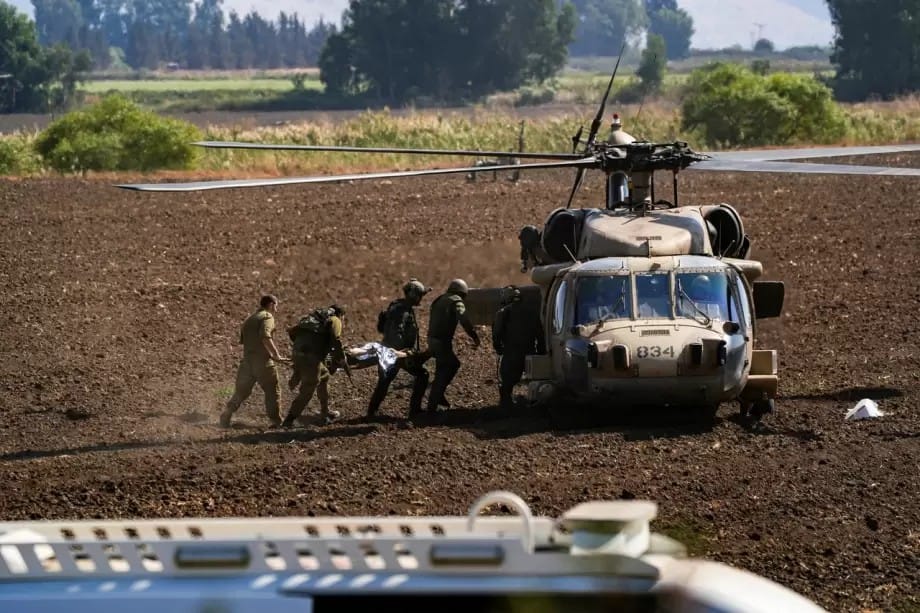
The Israeli army released its findings on Thursday after months of investigations into the Hamas attack on Oct. 7, 2023, admitting to a “colossal failure” in anticipating the “Al-Aqsa Flood Operation​​​​​​​” launched by the Palestinian resistance group.

The investigation report said the military was unprepared for the attack, having been caught off guard by the number of Palestinian fighters who breached military bases and settlements near Gaza, according to Israeli Army Radio.

The findings also revealed that the army was surprised by the speed and coordination of the attack, which exceeded all expectations.

Doron Kadosh, the military correspondent for Israeli Army Radio, reported that the army admitted it had not considered the possibility of a large-scale surprise attack like the one on Oct. 7.

Kadosh wrote on his X that a threat of such an attack was never taken seriously or even considered, which left the army unprepared to counter it.

The investigation findings confirmed that Hamas fighters completely overran the Israeli army’s Gaza Division for several hours, specifically between 6:30 a.m. and 12:30 p.m.

During this time, the Israeli military had no control over the area near Gaza. It took around 10 hours for the army to regain operational control over the region, which Hamas had effectively seized.

According to Army Radio, the findings exposed the army’s reliance on flawed strategic assumptions, including the belief that “Gaza posed a secondary threat that did not require significant military attention and that Hamas was deterred and focused on maintaining calm for economic benefits.”

The investigation further concluded that the army allowed “a severe security threat to develop along its borders by over-relying on the defensive barrier while significantly weakening border defense forces, including a shortage of troops in areas near Gaza.”

Additionally, the findings pointed to a sense of “arrogance” within the army and “overconfidence” in its intelligence superiority, with a firm belief that any potential Palestinian attack would be preceded by an intelligence warning.

“There was no one who saw or detected any sign of this event in advance, not even at the lowest intelligence level,” one of the central investigations found.

However, the lack of such a warning caused a major shock to military leadership and contributed to the chaos of the attack’s initial hours.

Several Israeli political, military, and security officials have previously admitted to personal responsibility for the failure to prevent the Oct. 7 attack.

As a result, some officials resigned, most notably Aharon Haliva, chief of the army’s Military Intelligence Directorate.

Meanwhile, Israeli Prime Minister Benjamin Netanyahu on Thursday criticized the Israeli army for not sending him the findings of the investigations.

According to the Israeli newspaper Yedioth Ahronoth, Netanyahu’s office sent a letter to the Ministry of Defense demanding an explanation for why the army had not submitted its investigation findings on Oct. 7.

However, Netanyahu has so far refused to take any responsibility for the attack or to establish an official investigation committee into the events of that day.

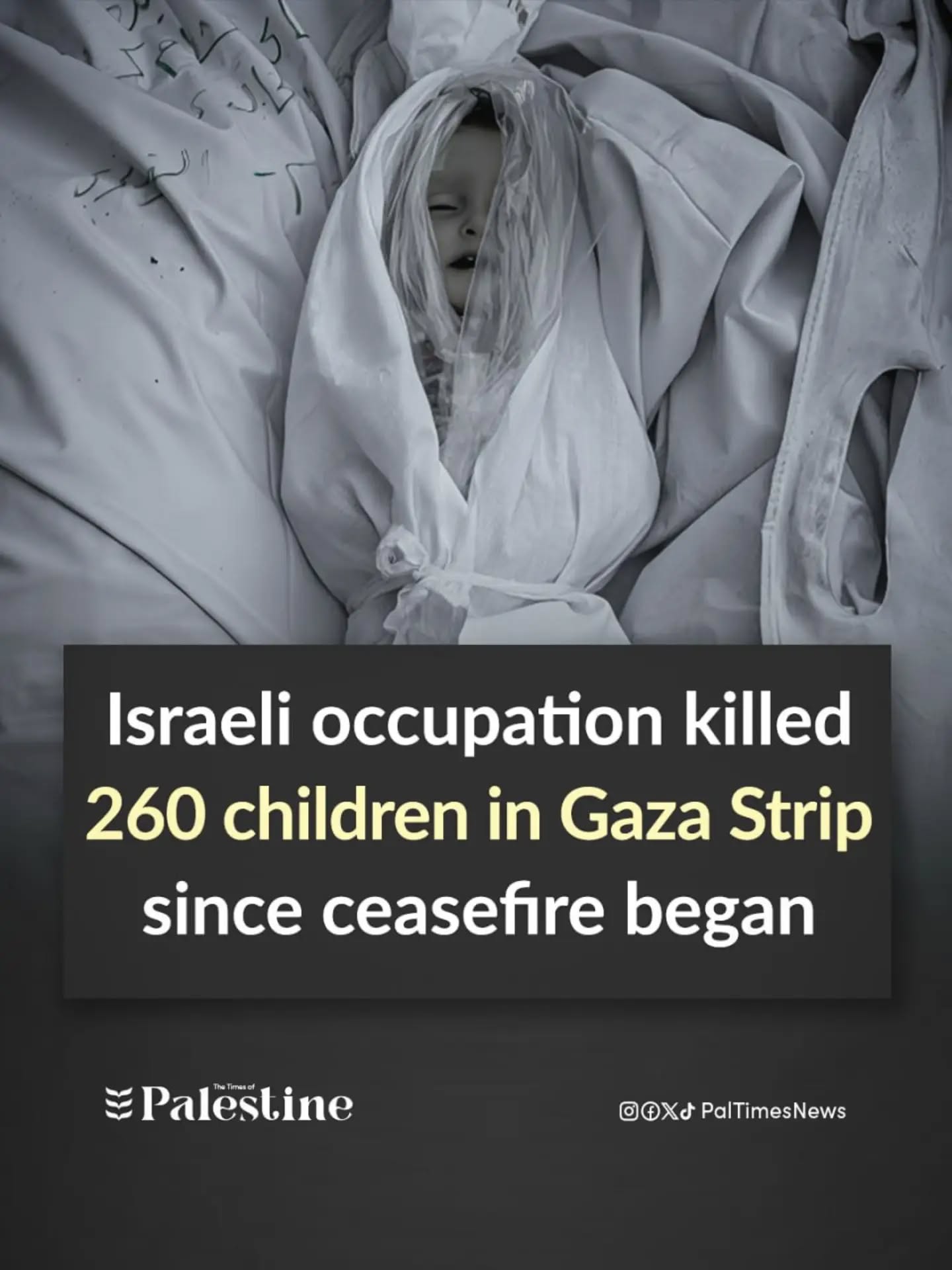
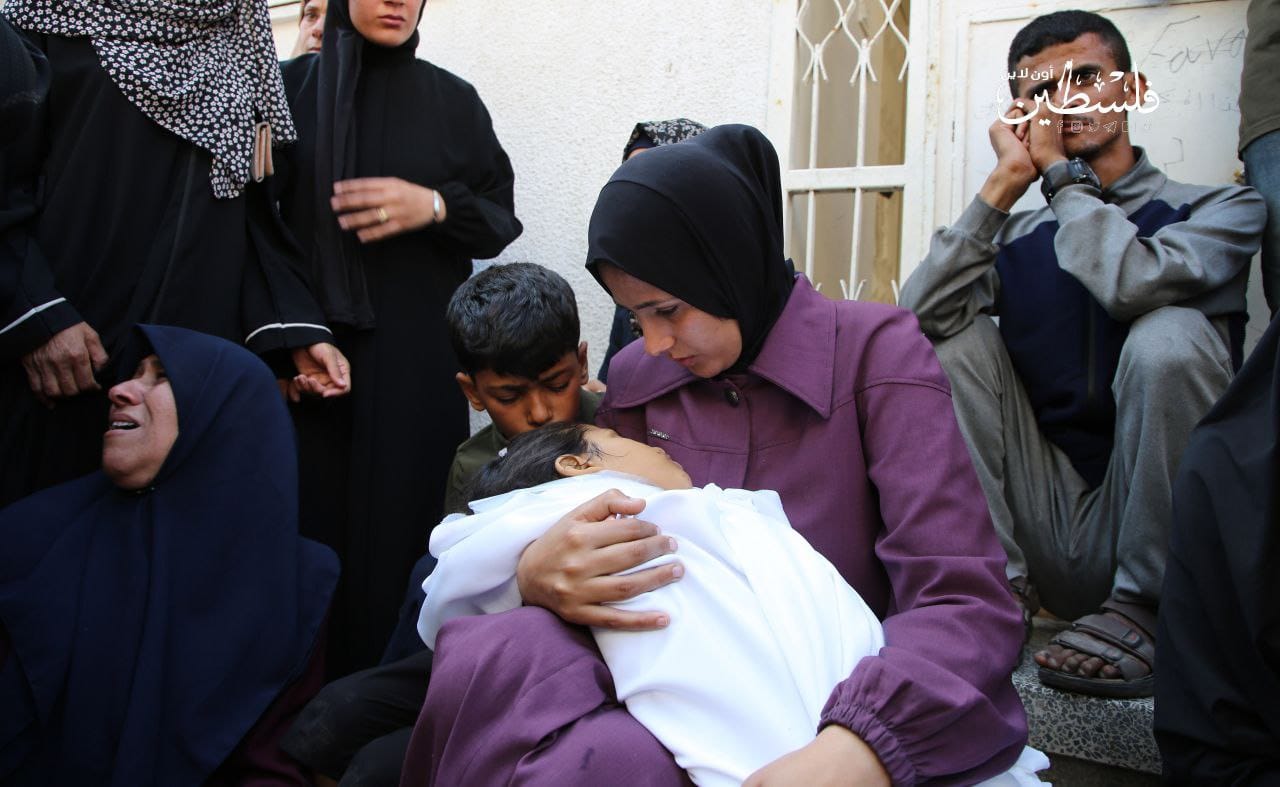
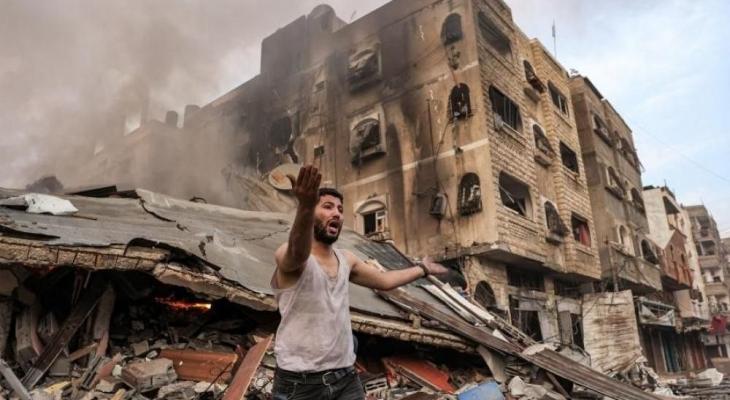
The first phase of the Gaza ceasefire agreement took effect on Jan. 19, pausing the Israeli war that has killed more than 48,300 people, mostly women and children, and left the enclave in ruins.

Last November, the International Criminal Court issued arrest warrants for Netanyahu and his former Defense Minister Yoav Gallant for war crimes and crimes against humanity in Gaza.

Israel also faces a genocide case at the International Court of Justice for its war on the enclave.

Continue reading
Israel is Exporting its “Crises” to Syria – Experts

Syrian political analysts are warning that Israel is seeking to export its internal crises to Syria, following its military failure in the Al-Aqsa Flood battle in Gaza. They add Tel Aviv wants to fuel regional tensions to divert attention from its worsening internal crisis.

Weakening Syria to unite the Israelis

Member of the Syrian National Dialogue Conference Abdul Nasser Hawshan believes the recent Israeli escalation “aims to prevent the establishment of a strong Syrian state and destabilize the region,” adding the Israeli occupation government is trying to unite the Israelis behind it to escape the increasing internal and international pressures it is facing.

https://twitter.com/Dylanjusti79850/status/1895386169812361434

Hawshan told Quds Press, the recent National Dialogue Conference held in in country witnessed a national consensus on the unity and independence of Syria, and the rejected partition projects as espoused by the Syrian Democratic Forces (SDF). He described such a project as a “separatist” one that “serves the Israeli agenda.”

He also pointed out that the Israeli incursions into southern Syria came “in response to this popular rejection of foreign plans.”

Druze position and rejection of Israeli intervention

Regarding the Druze community’s position in these developments, Hawshan explained that “some Druze leaders have adopted a discourse in line with the Israeli proposal,” but he stressed they “do not represent the Druze sect in general, which rejects any foreign intervention in Syrian affairs.”

He also denied the possibility of establishing the so-called Daoud Crossing, which links Israel to the areas under the control of the SDF, stressing “this project will not succeed under any circumstances.”

Irksome Turkey-Israel ties over the SDF

Political analyst Adel Hanif Daoud believes Israel is trying to exploit regional tensions to strengthen its position as an effective force, despite its escalating political and military crisis.

But Daoud warned that “any Israeli attempt to link the Druze and the SDF through the Tanf crossing could lead to an inevitable military confrontation with Turkey.” He noted Ankara considers the “Syrian Democratic Forces” a direct threat to its territorial integrity, and may resort to large-scale military intervention even if that leads to an international conflict.

He added the Druze leadership is divided between those who support Israel and those who are loyal to Damascus, but he expected that Druze leader Kamal Jumblatt would intervene to pressure the Druze community to reject the Israeli project.

As for the Turkish position, Daoud indicated that Ankara, as a member of NATO, has many political tools that it can use before resorting to the military option.

Military escalation in southern Syria

These warnings come in light of the escalation of Israeli military violations in southern Syria, as the occupation forces have intensified their airstrikes on sites in the Damascus countryside and Quneitra in recent weeks, targeting military and civilian infrastructure. Unprecedented Israeli military movements were also monitored along the occupied Golan Heights, amid reports of limited ground incursions.

In this context, Israeli Prime Minister Benjamin Netanyahu escalated his rhetoric, stressing that his army would not allow the Syrian army or its allied forces to enter southern Syria, stressing Tel Aviv would not back down from its control of Mount Hermon, considering it a “strategic part of Israel’s national security.”

Damascus rejects Israeli aggression

For his part, Syrian President Ahmed al-Sharaa stressed his categorical rejection of these attacks, considering them a threat to regional security and a continuation of the policies of aggression against Syria’s sovereignty.

In light of this escalation, Syria continues to defend its sovereignty and rights, while calls are increasing for the international community to act to stop Israeli violations, amid growing complications that threaten the stability of the entire region.

Continue reading
Why is Israel Torturing Its Prisoners?

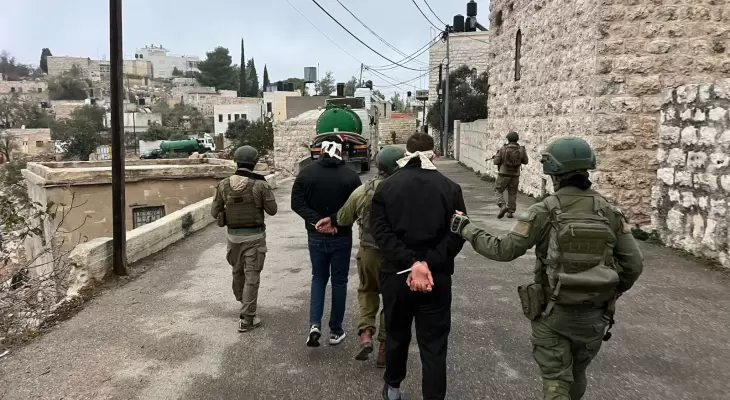
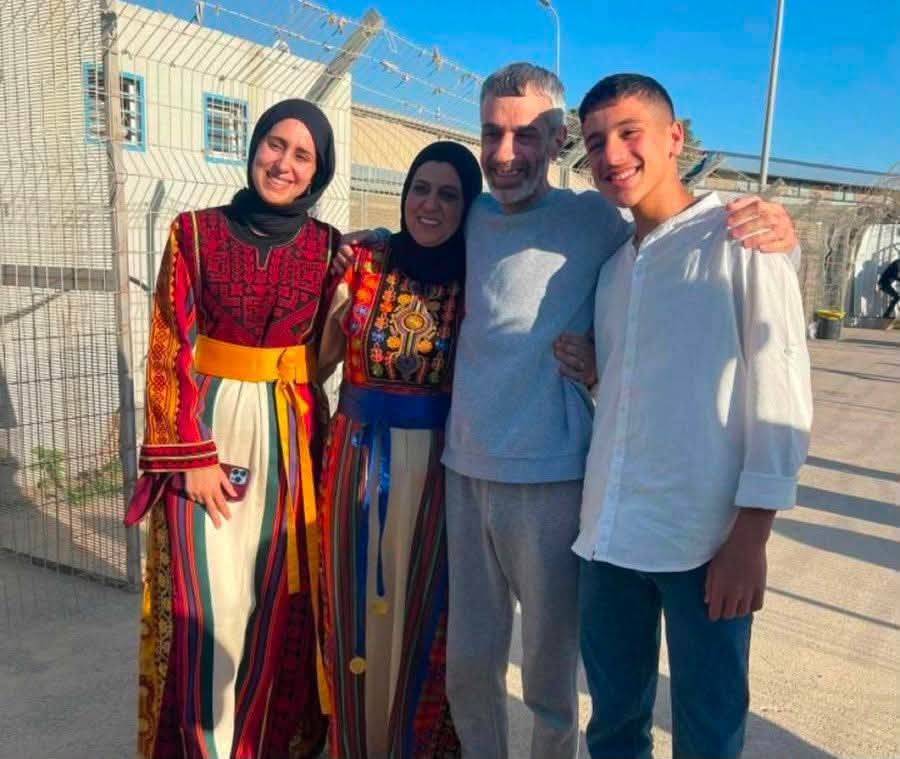
The physical and mental health conditions of the Palestinian detainees and prisoners released during the seventh round of the ceasefire exchange agreement between Israel and Hamas in the Gaza Strip are shocking.

Israel’s release of hundreds of Palestinian prisoners and detainees, who arrived in the Gaza Strip recently in exceptionally poor health, illustrates its ongoing use of torture to terrorise and persecute prisoners and detainees and break their will until the very end of their detention. The effects of torture were clearly evident, with the emaciated bodies of the released individuals reflecting the severity of systematic crimes and inhumane treatment that exceed all legal and moral bounds.

The repeated release of such visibly unhealthy individuals from Israeli prisons reveals that the heinous torture and willful medical neglect they endure have escalated to appalling levels. Euro-Med Monitor notes that the atrocities occurring in these prisons are among the worst violations recorded by human rights organisations worldwide.

https://twitter.com/EuroMedHR/status/1895193029843320974

In a blatant violation of the mandatory rules of international law—which forbid torture in all its forms and under all circumstances, without exception, and consider its commission an international crime that does not expire by statute of limitations—hundreds of released prisoners and detainees arrived in the Gaza Strip after midnight in exceptionally poor health. It became evident after their transfer to the Gaza European Hospital in the southern section of the Strip that dozens of them required urgent medical care because their bodies showed signs of torture and inhumane treatment, including deprivation of necessary medical care and treatment.

Along with severe weakness and exhaustion, the Euro-Med Monitor field team documented severe injuries among detainees and prisoners, including limb amputations and severe swelling brought on by torture. Some appeared incapable of walking without the assistance of friends, and others required immediate medical attention because their health was rapidly deteriorating.

Even though the majority of detainees were not charged with any specific crimes, many of them claimed that they were beaten, mistreated, and threatened right up until the very last minute before their release. Since being kidnapped from the Gaza Strip at various points following 7 October 2023, they were arrested or detained, tortured, and subjected to degrading treatment as part of a systematic policy designed to cause them severe physical and psychological harm. This policy is a part of Israel’s crime of genocide, which aims to destroy the Palestinian people in the Strip, either entirely or partially, by weakening the foundations of their survival and leading them to submission or extinction.

Furthermore, the Euro-Med Monitor team documented Israel’s ongoing use of psychological torture and humiliation against recently released prisoners through the enforcement of laws that directly incite violence and genocide. This official systematic incitement is a fundamental tool of Israel’s policies against Palestinians, particularly those in the Gaza Strip. One example of these measures is the prison authorities’ requirement that newly released inmates and detainees wear vests with official Israeli Prison Service slogans and threatening phrases in Hebrew, including religious quotations that express the principle of revenge and pursuit until liquidation. Additionally, they are forced to wear plastic wristbands with derogatory words printed on them to psychologically degrade them and highlight the fact that they are still being singled out despite being “free”.

The phrase “I will pursue my enemies and overtake them; I will not return until I have destroyed them” is printed on the vests of Palestinian detainees and prisoners who have been released, and is taken from a biblical passage (Psalm 18:37) that expressly calls for killing and genocide. This is a form of direct and public incitement to genocide, which is forbidden by Article 3 of the Convention on the Prevention and Punishment of the Crime of Genocide.

By depriving the Palestinians of their humanity and treating them as a legitimate target for killing and targeting, Israel’s actions go beyond psychological warfare and constitute a dangerous extension of institutional hate speech and a consolidation of the intention to commit genocide.

The violations which Palestinian prisoners and detainees are subjected to by Israel, whether while these individuals are being held or being released, gravely violate international law and represent a blatant disregard for its mandatory regulations that forbid torture and cruel or inhuman treatment without exception. The Third and Fourth Geneva Conventions provide complete protection for prisoners and detainees, and forbid torture, humiliation, or retaliation, making these crimes punishable by international law.

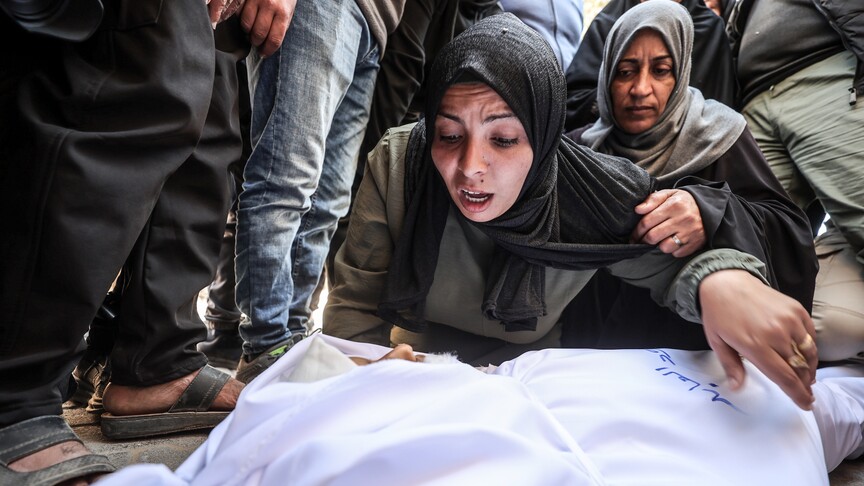
The death of detainee Raafat Adnan Abdul Aziz Abu Fanouneh (34), who was tortured and abused following his arrest in the Gaza Strip in October 2023, was announced yesterday (Wednesday) in Israel’s Shamir Medical Centre (formerly Assaf Harofeh). A minimum of 60 prisoners and detainees—as these are the only victims whose identities are known—have perished in Israeli occupation prisons since the beginning of the genocide, including at least 39 individuals from the Gaza Strip. This is the highest number ever.

Israel continues to commit the crime of enforced disappearance against hundreds of Palestinian prisoners and detainees, failing to disclose their whereabouts or medical conditions to their loved ones, which raises serious concerns about the safety and lives of the people being held. Israel also continues to conceal any information about them from the press, despite credible evidence that dozens of additional prisoners and detainees have been killed inside Israeli prisons and detention facilities.

In addition to being crimes against humanity and full-fledged war crimes, the crimes committed by the Israeli occupation army and other Israeli security forces against Palestinian prisoners and detainees from the Gaza Strip also amount to acts of genocide against the Palestinian people in the Strip, because they are carried out in a systematic and brutal manner. These acts include the killing of Palestinians and the infliction of severe physical and psychological harm, including torture, other forms of ill-treatment, and sexual violence, including rape, and are carried out with the goal of eradicating the Palestinian people as a whole.

All countries and pertinent international organisations must take swift and decisive action to end Israel’s widespread and systematic crimes of killing, torture, and other serious violations against Palestinian prisoners and detainees. Detainees who have been arbitrarily arrested must be released without conditions, right away. Additionally, local and international organisations must be given immediate permission to visit detainees, who must be allowed the opportunity to choose their own lawyer.

Israel’s notorious arbitrary detention practices, such as administrative detention and detention under the “Unlawful Combatants Law”, must be stopped. These practices are a blatant violation of international law and are employed as a systematic, repressive tool to weaken the Palestinian will, tear apart the social fabric that holds them together, and deny Palestinians their fundamental legal rights.

To ensure justice for Palestinian victims and that the Israeli occupation is held responsible for its violations, human rights and media organisations must step up their efforts to pressure Israel’s government to stop its ongoing crimes. In addition, these groups must work to highlight the suffering of Palestinian prisoners and detainees and to share these individuals’ testimonies about the horrific crimes they face.

The International Criminal Court must investigate the crimes, submit specialised reports regarding the crimes committed against Palestinian prisoners and detainees in Israeli prisons and detention facilities, particularly after 7 October 2023, and issue arrest warrants for all perpetrators. All concerned nations must make sure the perpetrators of these crimes are prosecuted and brought before the Court to stand trial.

Israel must immediately cease its crime of enforced disappearance against Palestinian prisoners and detainees from the Gaza Strip; reveal all secret detention camps; reveal the names, whereabouts, and fates of all Palestinians it is holding from the Strip; and take full responsibility for the safety and well-being of these individuals. These demands must come from the international community.

Euro-Med Monitor

Continue reading
As it bans two MEPs many are asking what is Israel hiding?

Israel’s decision to bar two members of the European Parliament (MEPs) from entering its territory due to their pro-Palestine position is arbitrary and unfair. It also reflects Israel’s strategy of concealing its crimes against Palestinians, and is an expected reaction to MEPs who reject the complicit role most European politicians have assumed in response to the Israeli genocide of Palestinians in the Gaza Strip.

The Israeli authorities stopped MEP Lynn Boylan, the head of the European Parliament EU-Palestine delegation, and MEP Rima Hassan upon their arrival at Ben Gurion Airport. The EU lawmakers were returned to Europe because of Hassan’s alleged “hostile” campaign to boycott and sanction Israel.

This decision reveals Israeli decision-makers’ disregard for fundamental human rights, such as freedom of movement and freedom of opinion and expression. It also embodies Israeli authorities’ insistence on its blackout policy and systematic restrictions in the Occupied Palestinian Territory. These restrictions are intended to prevent any independent oversight or disclosure of the facts; by prohibiting the entry of human rights activists, independent investigation teams, politicians, journalists, and individuals opposed to its policies, Israel is attempting to hide evidence of its violations and monopolise public perception to avoid international scrutiny and accountability.

https://twitter.com/LNBDublin/status/1895218956560187853

This arbitrary measure is also used to maintain Israel’s illegal control over Palestinian borders and crossings. As part of its crime of apartheid and other human rights violations against the Palestinians, Israel uses its total control over movement into and out of the Occupied Palestinian Territory to persecute organisations and individuals for simply opposing illegal Israeli policies. It also denies the Palestinians their natural right to communicate with the outside world, such as by receiving international delegations and interacting with human rights and media institutions.

Moreover, the prevention of MEP Hassan from entering the Occupied Palestinian Territory is evidence of the Israeli government’s systematic policy of targeting and persecuting Palestinians in the diaspora by denying them the right to return to their homeland and imposing arbitrary restrictions on their ability to meet with their families. This is part of a larger Israeli strategy to isolate the Palestinians from their cultural roots and national identity, destroy their historical relationship with their land, and prevent the maintenance or establishment of any connection between displaced Palestinians and future generations and their homeland.

Given that MEP Boylan was planning to conduct tasks that are crucial to her job, such as meeting with representatives of civil society, Palestinian Authority officials, and Palestinian civilians affected by the Israeli occupation, the Israeli decision will inevitably make it more difficult for the two European MEPs to do their duties.

The European Union’s hesitant and frequently complicit stance towards Israeli crimes in the Occupied Palestinian Territory, particularly the genocide in the Gaza Strip for over 15 months, has not only shielded Israel from accountability but also encouraged it to intensify its repressive tactics to include EU citizens. By directly exploiting European silence, Israel is able to uphold its system of egregious oppression and illegally punish all those who oppose Israeli occupation and violations against Palestinians.

The two European MEPs were banned after the Israeli Knesset approved an amendment to the “Entry into Israel Law” on 19 February. The amendment forbids granting entry visas to anyone who denies the Holocaust or the 7 October attacks, or who supports the prosecution of Israelis based on their military service or security.

The new amendment enshrines an arbitrary, discriminatory policy that violates Palestinian rights as well as international law. It also lacks independent mechanisms for review and appeal, and is clearly a tool to punish human rights defenders, silence critics of Israel, and further exclude Palestinians from the international protection system.

Besides monopolising access to information to control the narrative, and ignoring or distorting facts that do not serve its interests, Israel’s policy of prohibiting or restricting the entry of independent individuals and entities concerned with human rights, relief efforts, and unbiased journalism into its territory affects the most vulnerable victims of its crimes more than anyone else. This policy primarily undermines humanitarian relief operations and the work of independent fact-finding and investigation committees concerned with interviewing victims and documenting violations.

Since the European Union is Israel’s biggest trading partner and accounts for roughly 29% of its goods trade, the Union has purposefully avoided using any of its pressure tools against Israel. Powerful EU nations like Germany have also persisted in sending sizable shipments of weapons to Israel in spite of knowing that they would be used in the genocide in the Gaza Strip.

Israel is an illegal occupying power with no legal authority to impose sovereignty or regulate anyone’s access to the Occupied Palestinian Territory. Therefore, the international community must act swiftly to force Israel to lift its illegal blockade on the Occupied Palestinian Territory—particularly the Gaza Strip—and to stop the arbitrary and illegal restrictions placed on the ability of individuals and organisations to travel there.

It is critical to end Israel’s policies of blackouts and refusals to cooperate in order, as these are plain attempts to isolate the Occupied Palestinian Territory and thwart any independent international oversight of Israeli violations. There is no question that the prohibitions placed on journalists, human rights advocates, and humanitarian organisations are intended to ensure the Palestinian population does not benefit from international protection mechanisms, plus prevent the documentation of Israeli crimes against Palestinians.

The European Union must end its pointless cycle of denunciation followed by inaction, and apply serious pressure on Israel to cease its flagrant transgressions of the EU’s partnership principles. The EU itself must also be compelled to halt all import and export activities involving weapons and technologies that Israel uses to perpetrate crimes against the Palestinian people.

Euro-Med Human Rights Monitor

Continue reading