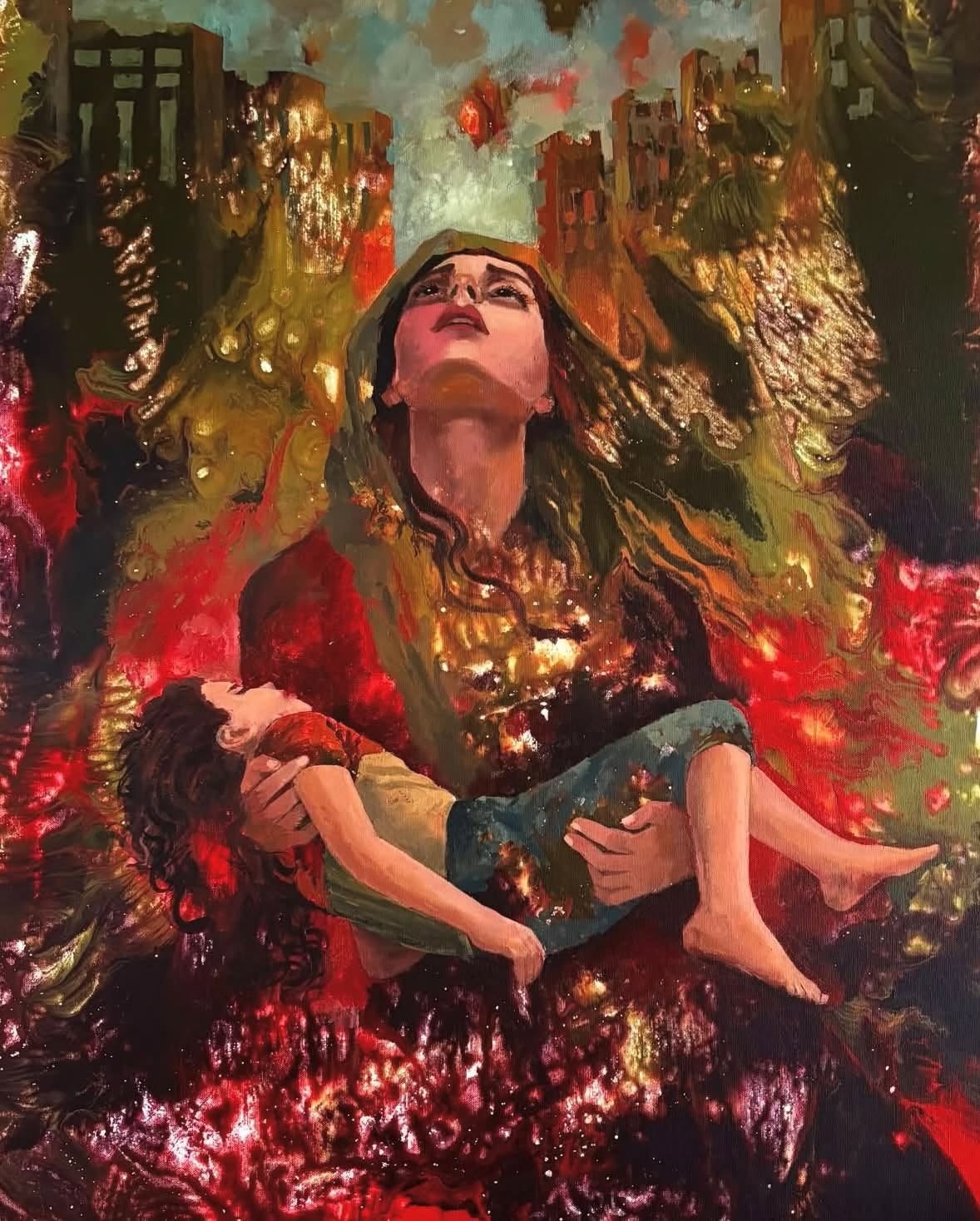
 Glorious Yemen
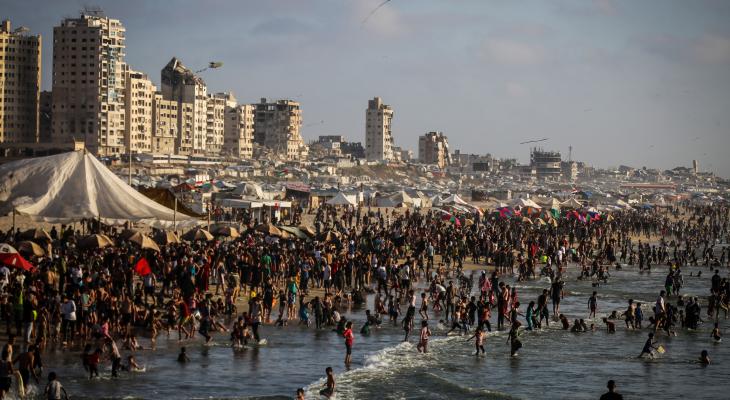
 Say Cheese!
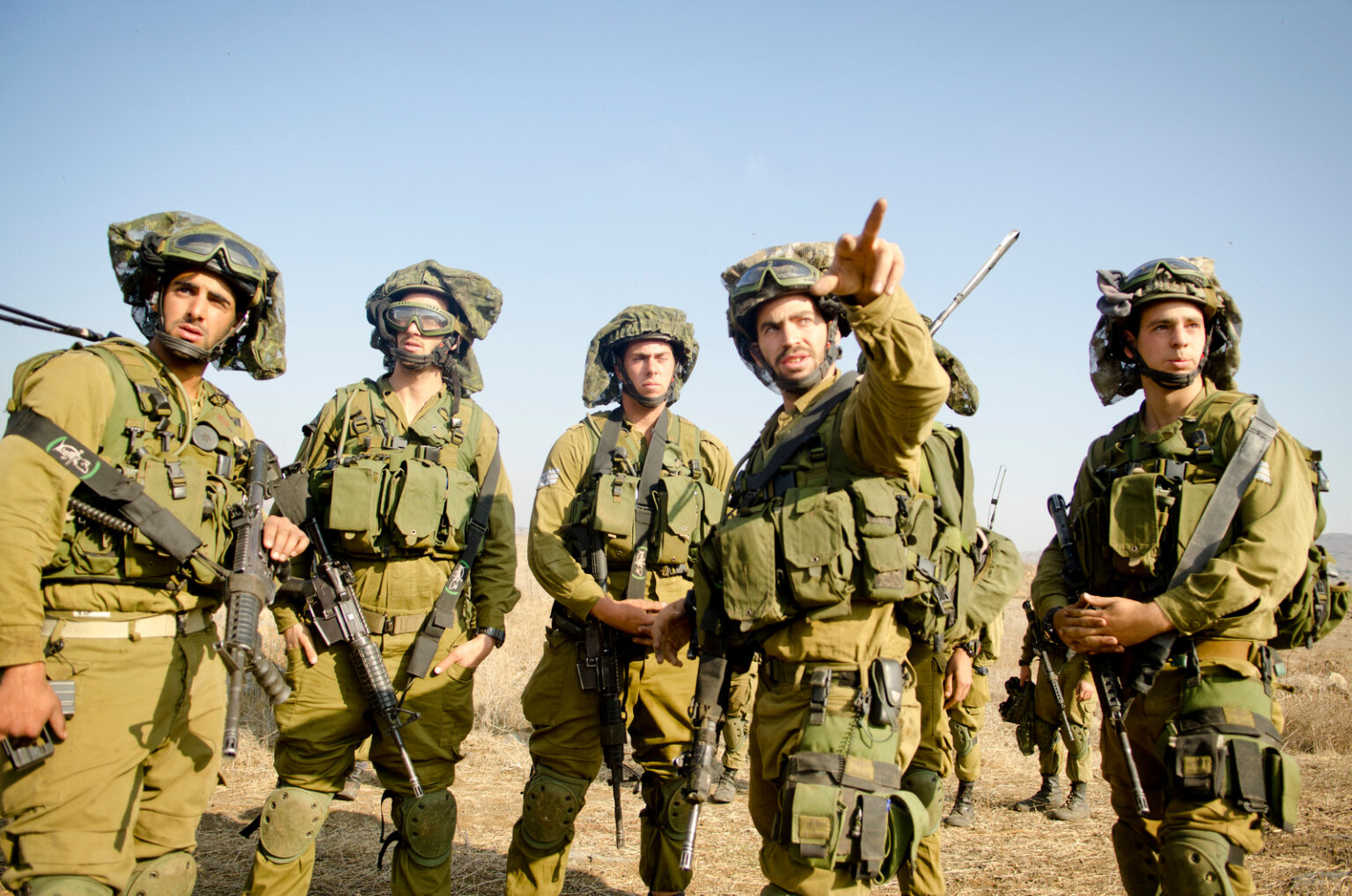
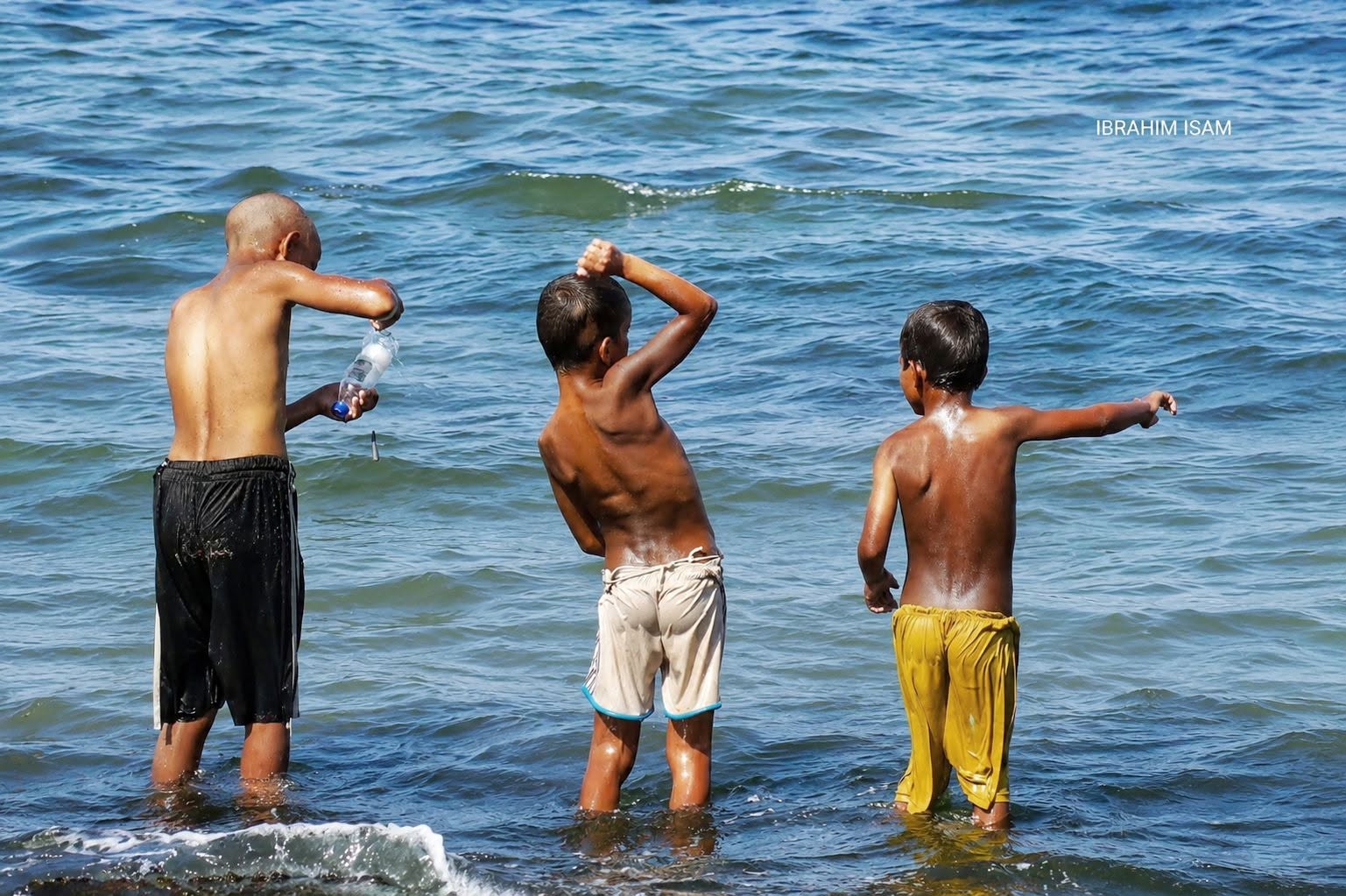
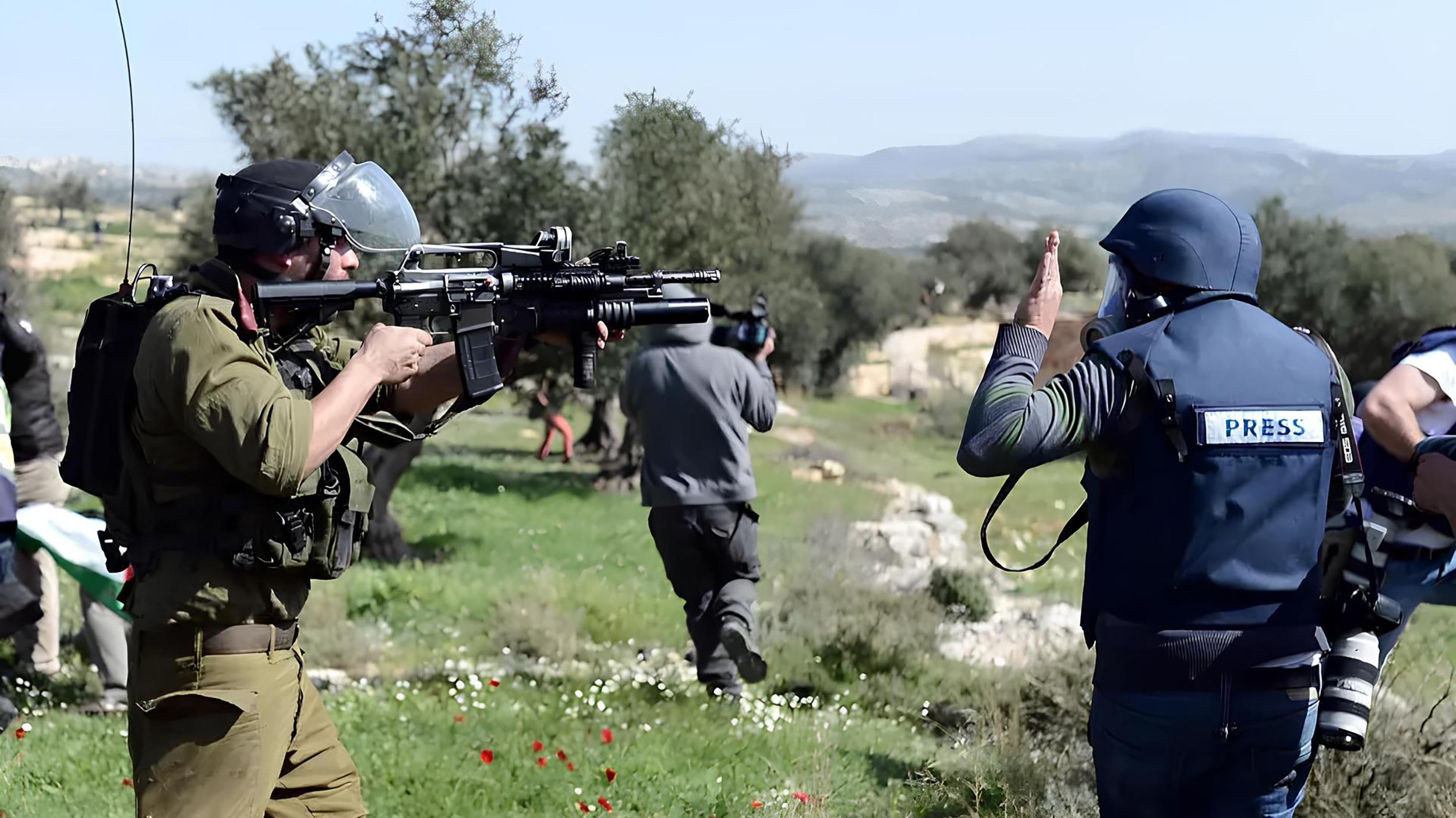
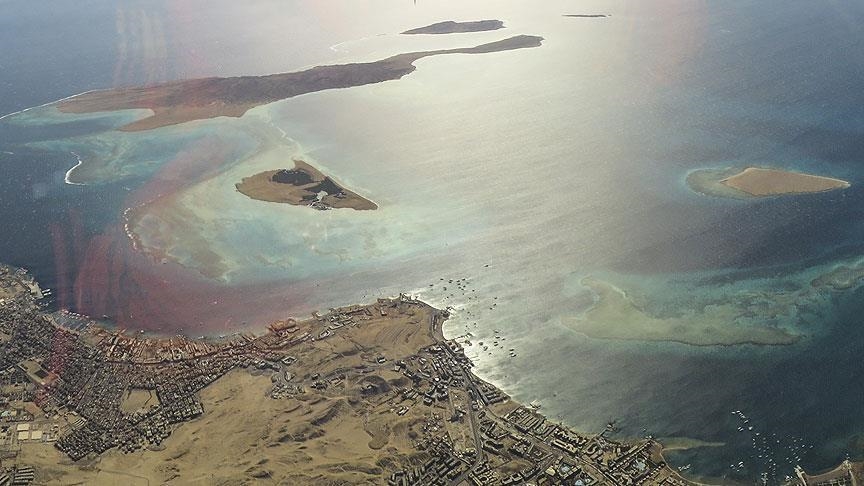
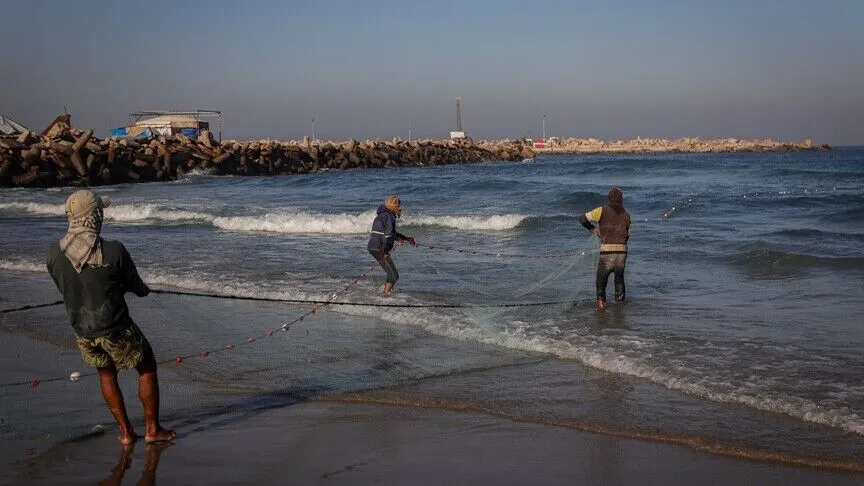 Israel Vessels Fire at Three Fishermen in Gaza
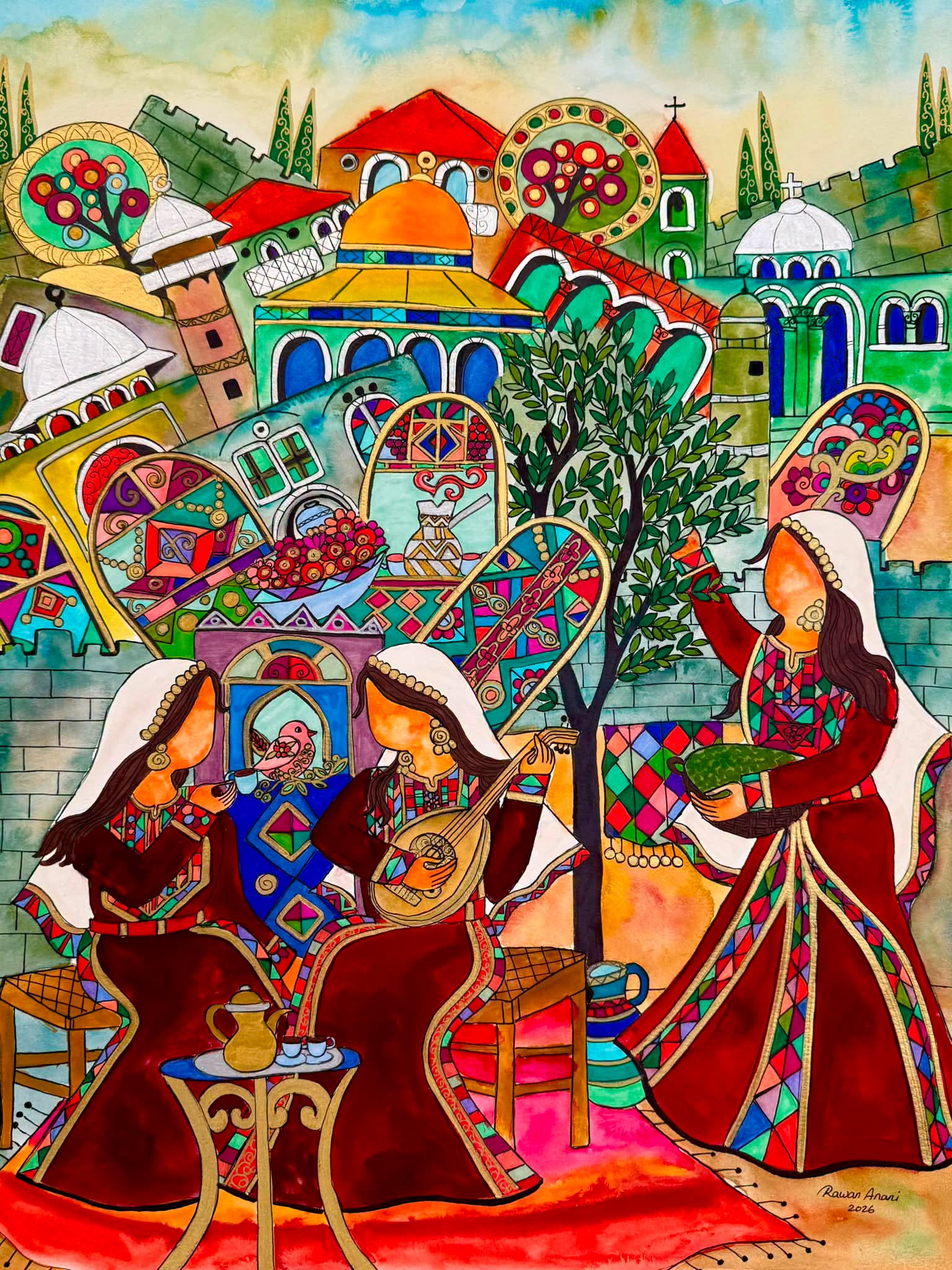
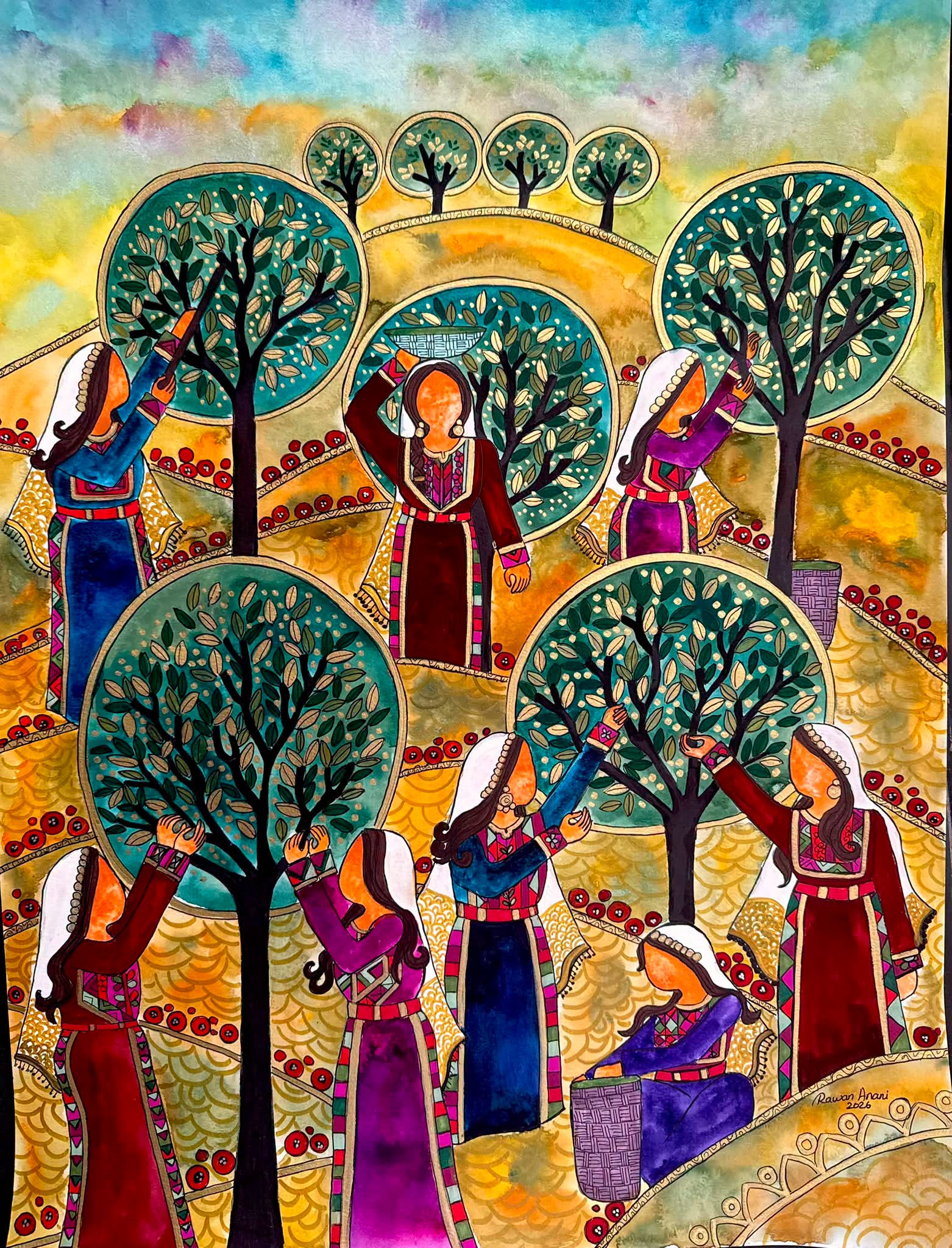 Palestine in the Olive Harvest
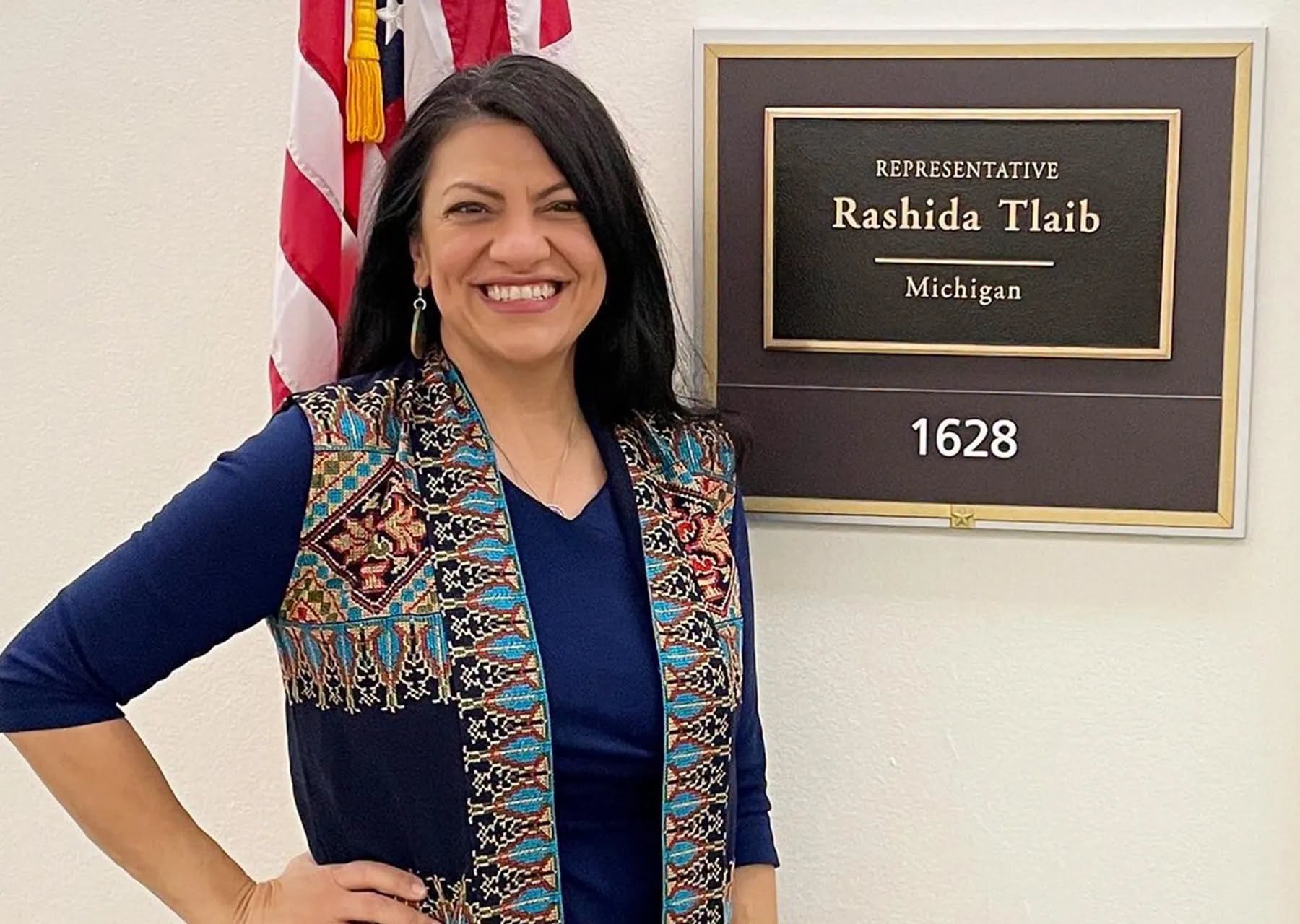
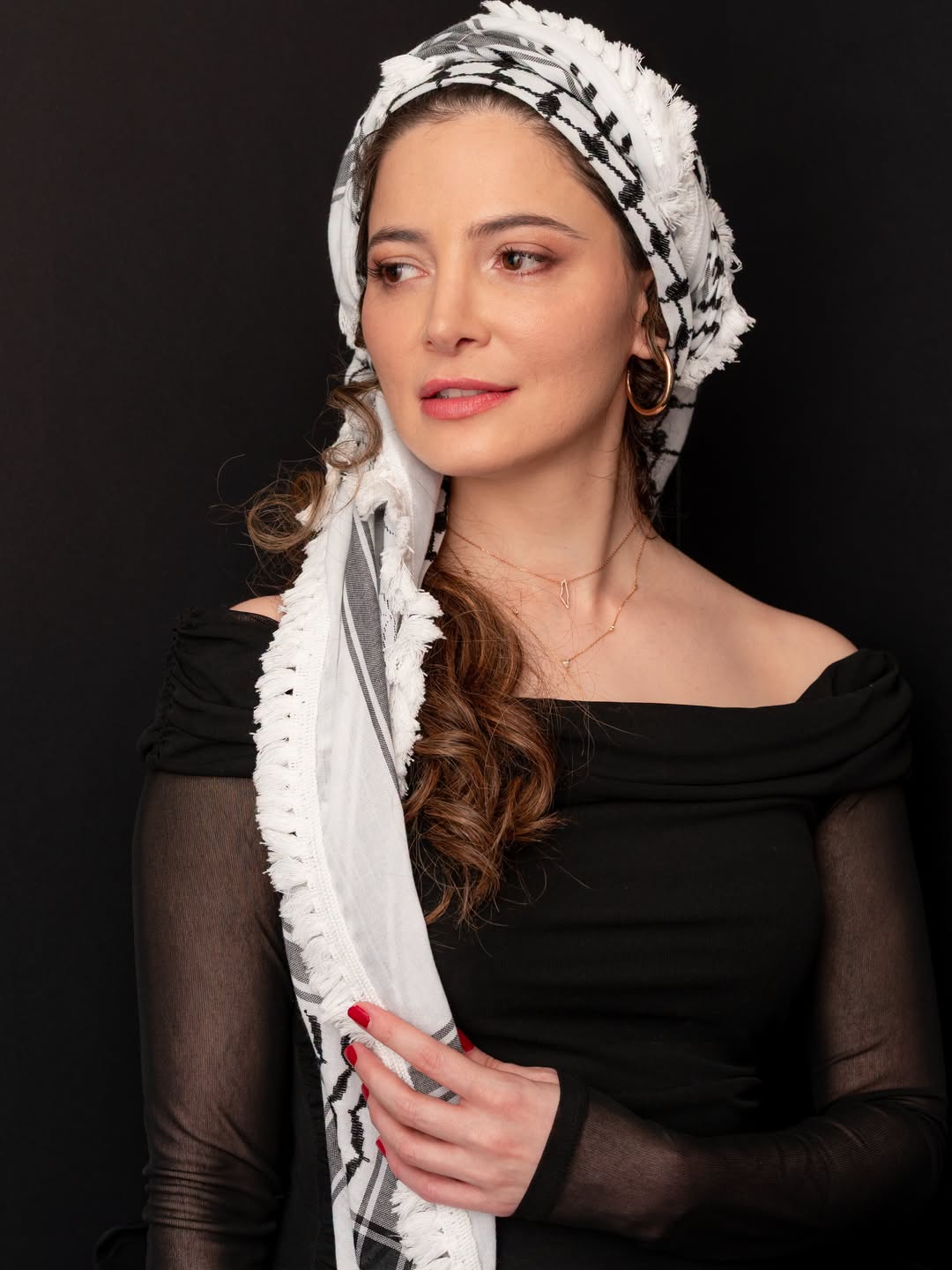
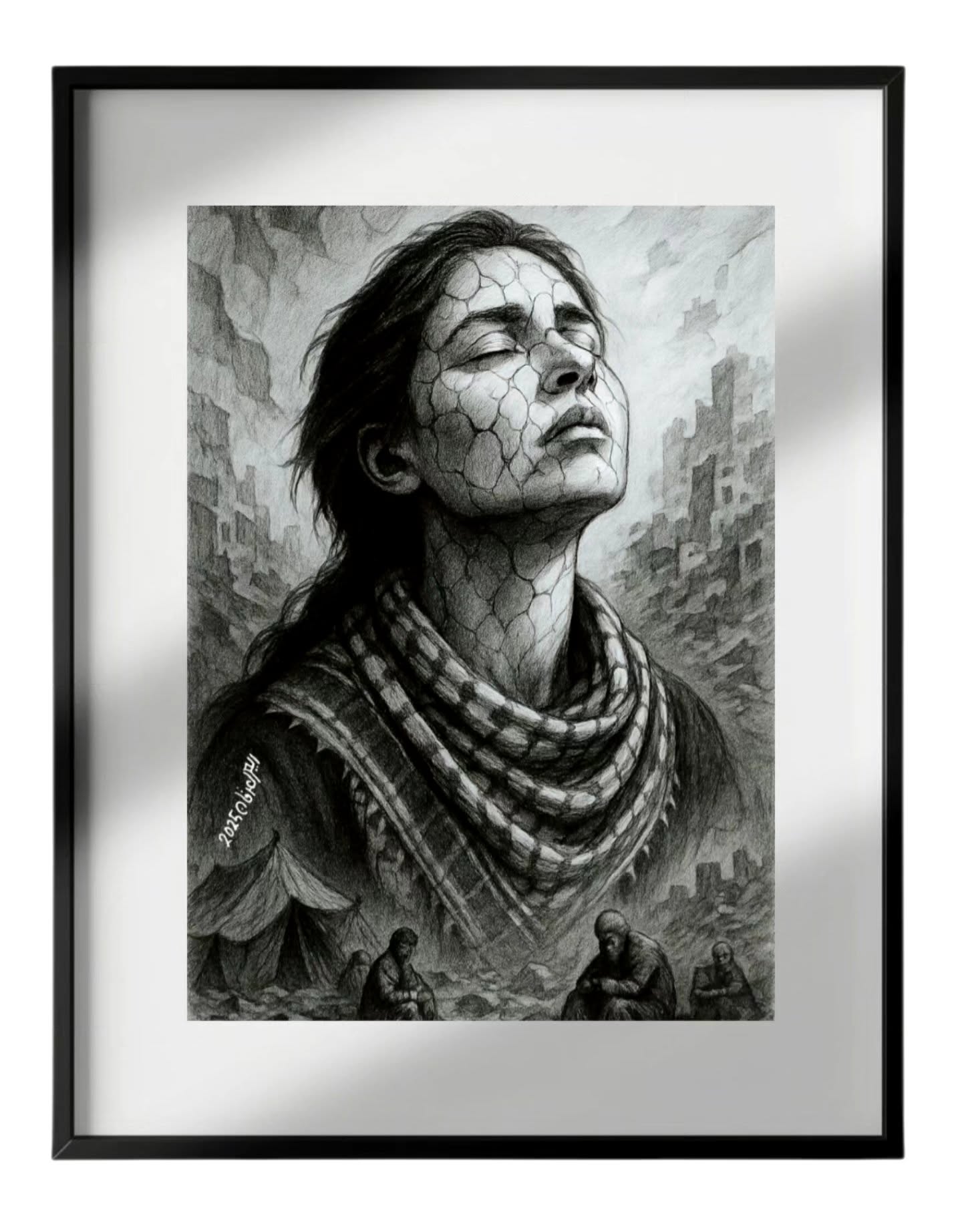
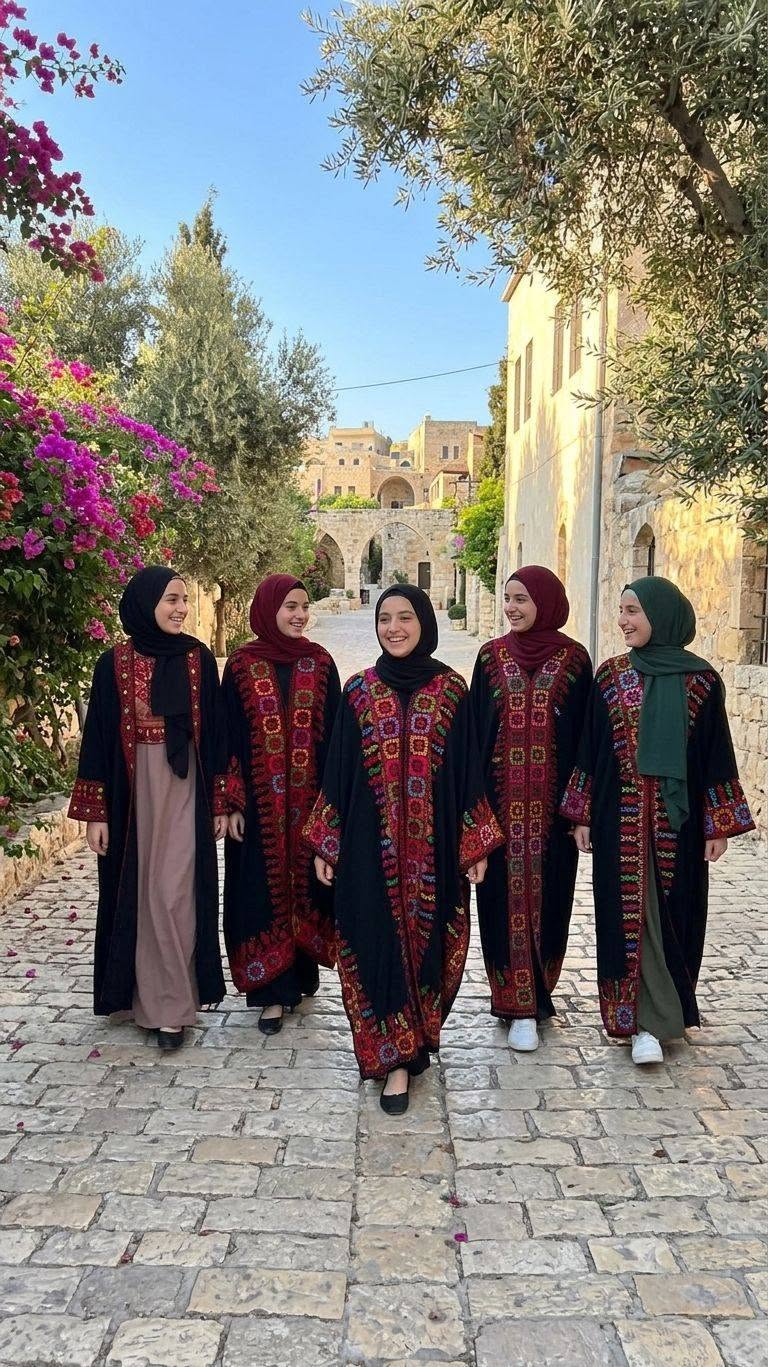 Smiles and Embroidery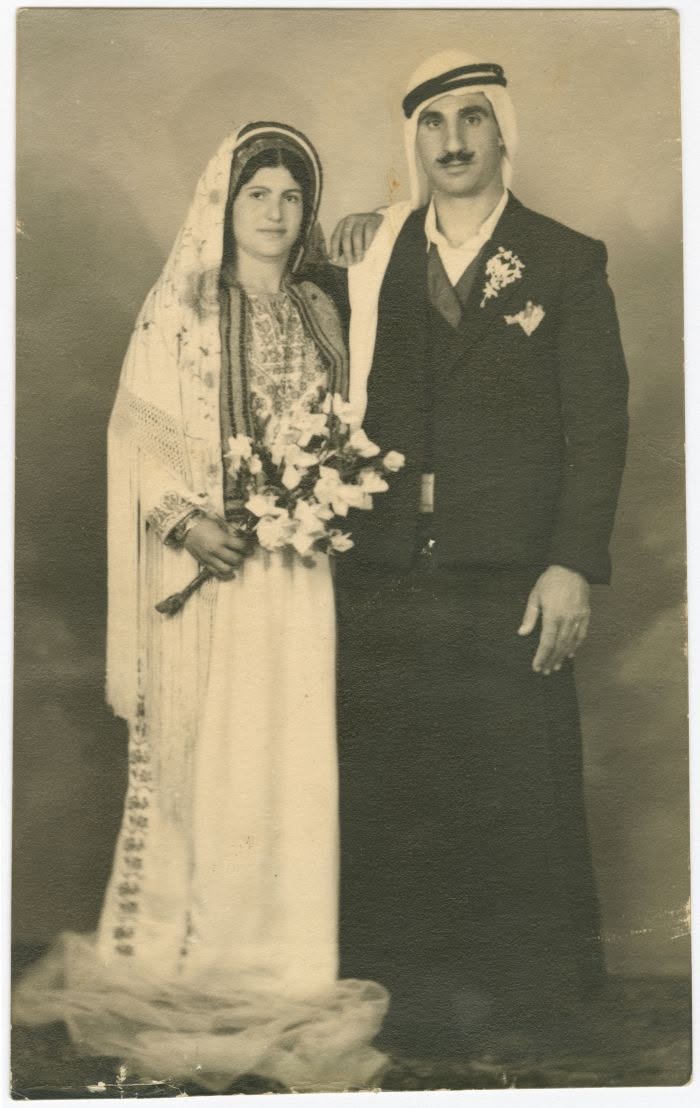
Glorious Yemen
Heba
- August 14, 2026
 Heba
Heba CrossFireArabia
 marwanCrossFireArabiamarwanHebaCrossFireArabiamarwanmarwanHebaCrossFireArabiamarwanmarwanCrossFireArabiamarwanHebaCrossFireArabiaCrossFireArabiaCrossFireArabiaHebamarwanCrossFireArabiamarwanHebaCrossFireArabiaHebamarwanmarwanCrossFireArabiamarwanmarwanmarwanmarwanmarwanmarwanmarwanmarwanmarwanCrossFireArabiaCrossFireArabiamarwanmarwanCrossFireArabiaCrossFireArabiamarwanCrossFireArabiamarwanHebaHebamarwanmarwanCrossFireArabiamarwanmarwanmarwanmarwanCrossFireArabiaCrossFireArabiamarwanmarwanmarwanCrossFireArabiamarwanmarwanmarwanmarwanmarwanCrossFireArabiamarwanmarwanmarwanmarwanCrossFireArabiamarwanmarwanmarwanCrossFireArabia
By Tarek Bae
Since the beginning of Israel’s genocidal war on Gaza, German media have been accused of pro-Israeli bias. A new investigation shows that one of Germany’s largest outlets, public broadcaster ZDF, systematically silences criticisms on Israel.
ZDF is as close as Germany gets to state TV. It is funded through a mandatory broadcasting fee, enforceable by court, and legally obliged to foster free opinion-forming, reflect social diversity, and remain objective and impartial. The gap between that mandate and reality is stark. Surveys show 73% of Germans believe Israel is committing genocide in Gaza, while only 13% see Israel’s actions as appropriate. Even ZDF’s own polling found 61% think the government should pressure Israel more strongly. These are the opinions of the majority, the “reasonable realities” ZDF is supposed to reflect — yet its coverage does not reflect them.
Instead, ZDF censors them. Internal sources confirmed that its social media accounts automatically hid comments containing “genocide,” “Volkermord,” “war of exhaustion,” and even “Palestine.” When confronted, ZDF admitted the filters existed, claiming they ensured “netiquette” and protected against “criminal-law concerns.” But repeated test runs showed comments with these terms never appeared, while posts denying or belittling Gaza’s suffering were unaffected. That selective standard shows the problem clearly: potential “criminality” was invoked only when Israel was criticized. Blanket blocking of terms central to describing Israel’s actions suppresses legitimate perspectives and breaches ZDF’s mandate of pluralism.
Criminalizing the debate
The absence extends beyond comment sections. “Not only in the comments but also in ZDF heute’s reporting the term genocide is barely visible,” says journalist Fabian Goldmann. “That’s despite major human rights groups, UN experts, and leading legal scholars repeatedly calling it the most precise term for Israel’s actions.”
Palestinian Ambassador Laith Arafeh calls such blocking “regrettable,” stressing that it suppresses vital debate on horrors the Palestinian population faces. He points out that the International Court of Justice found plausible grounds to investigate Israel for genocide. Political scientist Jules El-Khatib adds that calling the term a netiquette violation is “frankly absurd,” since genocide is a legal definition, not an insult. Goldmann argues ZDF’s rationale fits a wider pattern: instead of naming Israeli war crimes, those who do so are criminalized.
Pressure on staff
Censorship also targets employees. One staff member reports being pressured to delete a private post quoting UN Special Rapporteur Francesca Albanese’s genocide accusation. ZDF did not respond to questions about the case. The contrast with presenter Andrea Kiewel is striking: she faced no repercussions after wearing on-air a necklace showing a map of “Greater Israel,” symbolically erasing Palestine. Kiewel continues to host Fernsehgarten, one of ZDF’s most prominent shows, broadcasting from her residence in Israel, which she openly describes as “my home.” The asymmetry speaks volumes: criticism of Israel is suppressed, while overt nationalist symbolism in its favor is tolerated.
Another employee alleges ZDF’s editorial independence was compromised by calls from Israel’s ambassador Ron Prosor, who demanded sharper pro-Israel coverage. According to this account, ZDF altered the texts afterwards. Again, the broadcaster offered no explanation. Reporters Without Borders has likewise warned of repeated Israeli embassy pressure on German newsrooms through emails, letters, and calls.
Distortion as practice
Despite these concerns, ZDF spokesperson Thomas Hagedorn insists the broadcaster reports “comprehensively, independently and from many perspectives.” But the record shows otherwise.
A telling example is the BILD scandal of November 2024. Germany’s biggest tabloid published what it claimed was a Hamas “war document,” saying it proved ceasefires would only benefit Hamas. Netanyahu cited the article to justify rejecting a ceasefire. The New York Times later revealed the documents were fabricated at Netanyahu’s behest. Yet ZDF repeated the claim that Hamas was waging “psychological warfare” without verifying the source. No correction or apology followed, even after the forgery was exposed. In effect, ZDF had laundered Netanyahu’s talking points into German public discourse.
Broader content analysis reinforces the pattern. By December 2024, Gaza’s death toll was more than 24 times Israel’s, yet ZDF referred to Israelis as “victims” 33% more often. An Itidal review of 500 ZDF pieces (October 2023–December 2024) found the word “barbaric” overwhelmingly applied to attacks on Israel (90.7% of cases) and never to attacks on Gaza. Even in Ukraine coverage, the term appeared in just 4.6% of cases. This vocabulary echoed government messaging: Netanyahu called the Oct. 7 Hamas attack “barbaric,” a framing ZDF and other outlets quickly adopted.
Political entanglement
ZDF’s structure amplifies the concern. A study by the Otto Brenner Foundation found 62% of its Television Council members belong to political parties, despite a Constitutional Court ruling limiting party representation to one-third.
Public broadcasters already average an excessive 41%, ZDF surpasses even that, making it the German broadcaster closest to “state media.”
This entanglement shapes coverage. ZDF has labeled the slogan “Freedom for Palestine” antisemitic. Right-wing commentator Ninve Ermagan used ZDF to stigmatize protests against Gaza’s genocide as a “radicalized pro-Palestine scene.” Government positions criticized by experts as repressive are given prominence, while dissenting voices struggle to appear. In effect, ZDF often functions as a keyword provider for Israeli hardline circles or as an extension of government messaging.
El-Khatib observes: “In Germany, free speech is too often constricted when Israel is the subject. The idea of banning ‘Free Palestine’ was abandoned as absurd, yet suppression persists in other forms. The term ‘genocide’ is still treated as a combat word, even as human rights groups, legal scholars, and most of the German public consider it accurate.”
Restoring trust
A public broadcaster should broaden democratic language, not narrow it. Restoring trust requires dismantling word filters, disclosing external pressures, protecting staff from censorship, and correcting the record when disinformation has been amplified. Anything less is not a moderation glitch. It is a failure of duty.
*Opinions expressed in this article are the author’s own and do not necessarily reflect Anadolu’s editorial policy.
CrossFireArabia
A Dutch medical group has nominated Dr. Hussam Abu Safiya, the kidnapped Palestinian pediatrician and director of Kamal Adwan Hospital in northern Gaza, for the Nobel Peace Prize.
The nomination was submitted by Doctors for Gaza in the Netherlands and announced by The Rights Forum, a Dutch human rights organization.
Dr. Abu Safiya became a symbol of courage during the months-long siege of Kamal Adwan Hospital, where he continued treating wounded civilians under relentless Israeli bombardment.
Abu Safiya’s 15-year-old son, Ibrahim, was killed in an Israeli drone strike meant to intimidate him into stopping his work, but he refused to give up.
He remained inside the besieged hospital until Israeli soldiers kidnapped him. He was used as a human shield before being detained. He is now held without trial in Israeli prisons, where reports of torture and medical neglect are widespread.
In its open letter to the Norwegian Nobel Committee, Doctors for Gaza described Abu Safiya as “a man of extraordinary courage, unshakable humanity, and devotion to his patients.” The organization said his nomination “honors the collective sacrifice of Palestinian healthcare workers under fire.”
Israel has killed more than 1,670 medical workers in Gaza since the genocide began. Israel also Kidnapped at least 362 doctors, nurses, and paramedics.
The Rights Forum added that recognizing Abu Safiya’s heroism would send “a message of solidarity with those who continue saving lives under impossible conditions.” The petition supporting his nomination has already gathered nearly 34,000 signatures.
Doctors for Gaza called on the international community to support the petition and pressure Israel to release Abu Safiya immediately.
“Dr. Abu Safiya and his colleagues have continued their life-saving work under the most extreme conditions,” the group said. “Their dedication stands as a profound act of resistance and compassion,” according to the Quds News Network.
CrossFireArabia
Israel would not have been able to sustain its wars across the Middle East, including the genocide in Gaza, without Washington’s financial support, which has exceeded $21 billion since October 2023, according to new reports.
The reports, released by the Costs of War Project at Brown University on Tuesday, found that without constant US weapons and money, Israel wouldn’t have been able to sustain its genocidal war on Gaza, start a war with Iran, or repeatedly bomb Yemen.
“Given the scale of current and future spending, it is clear the [Israeli army] could not have done the damage they have done in Gaza or escalated their military activities throughout the region without US financing, weapons, and political support,” read the report, US Military Aid and Arms Transfers to Israel, October 2023–September 2025, by William D Hartung, a senior research fellow at the Quincy Institute for Responsible Statecraft.
Hartung’s findings and a companion report by Linda J Bilmes, an expert on budgeting and public finance at the Harvard Kennedy School, found that the US spent “a total of $31.35 – $33.77 billion and counting” since October 7, 2023 in military aid to Israel and in “US military operations in the region”.
They show how US support for Israel has helped it continue to wage war on multiple fronts for two years, and analysts backed up the reports’ conclusions.
The US has long been Israel’s most fervent backer. When it comes to US foreign aid, Israel is the largest annual recipient (at around $3.3bn yearly) and the largest cumulative one (more than $150bn until 2022).
Hartung’s report specifically mentions that the administrations of both US President Joe Biden and his successor, Donald Trump, committed tens of billions of dollars in arms sales agreements, including services and weapons that will be paid for in the coming years.
A second report analyzing US spending on broader Middle East activities, such as strikes on Yemen’s Houthis and Iran, puts those costs at between $9.65 billion and $12 billion since Oct. 7, 2023, including between $2 billion and $2.25 billion for the attacks in Iran and associated costs in June according to the Quds News Network.
CrossFireArabia
Osama Silwadi writes:
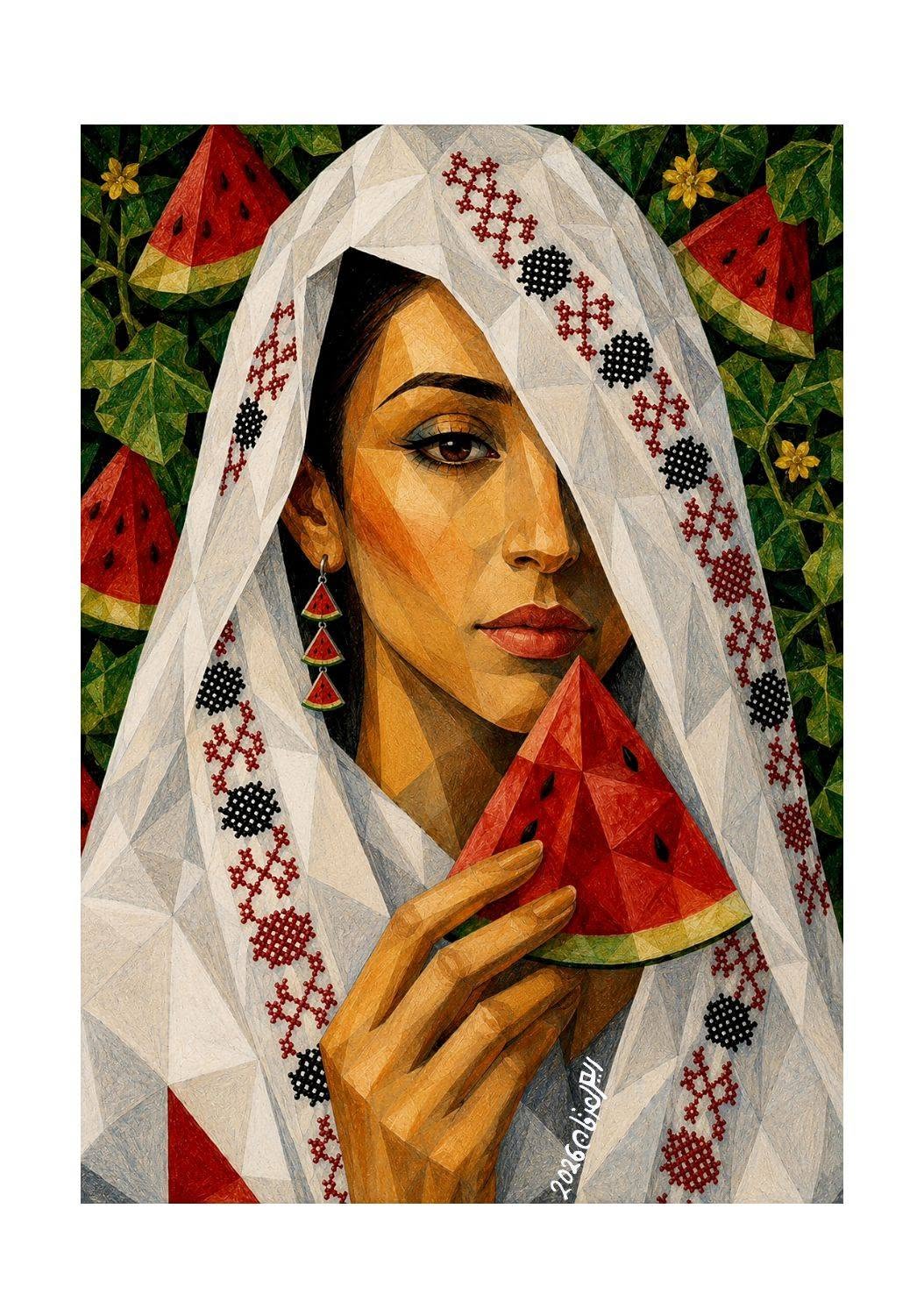
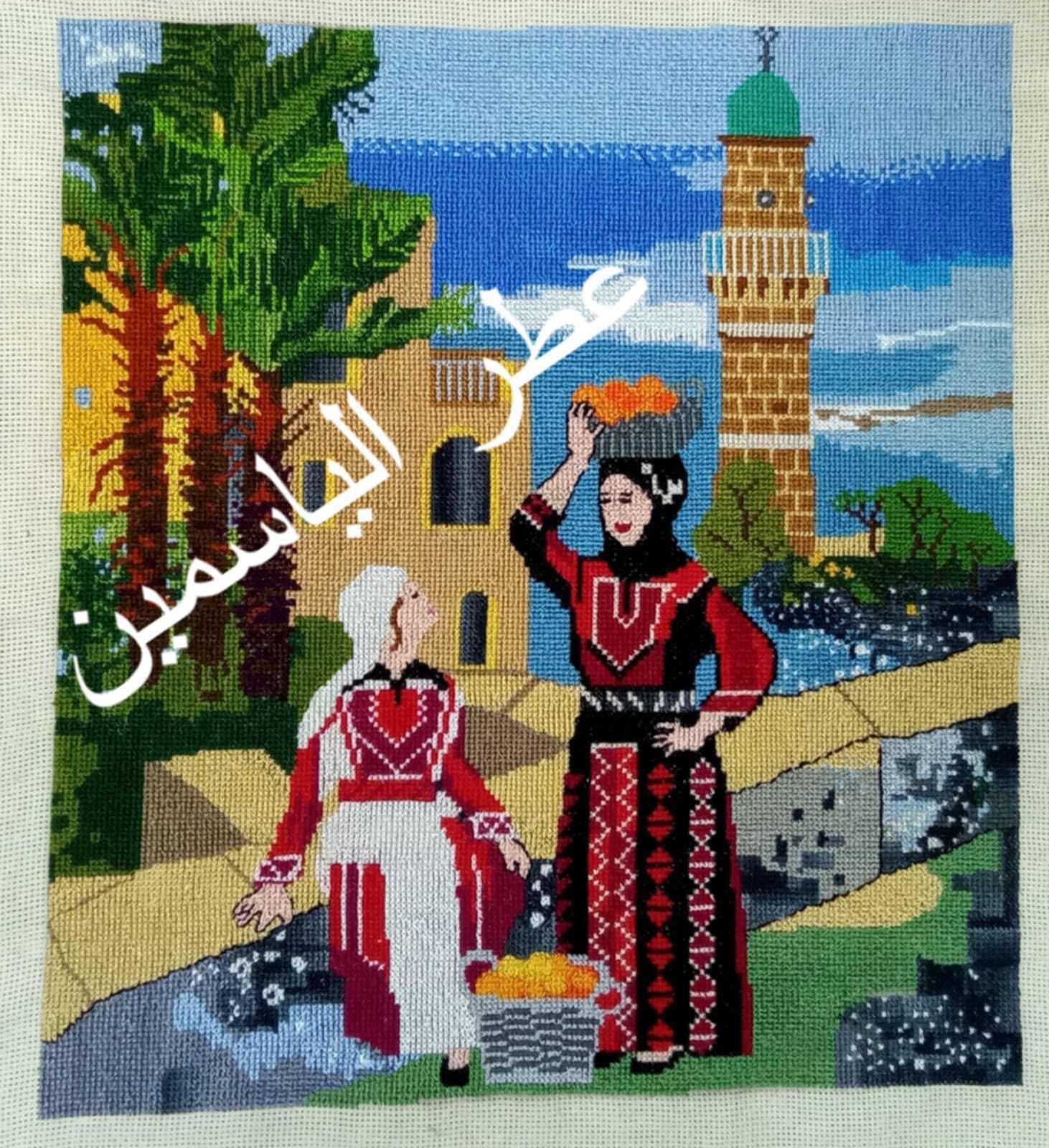
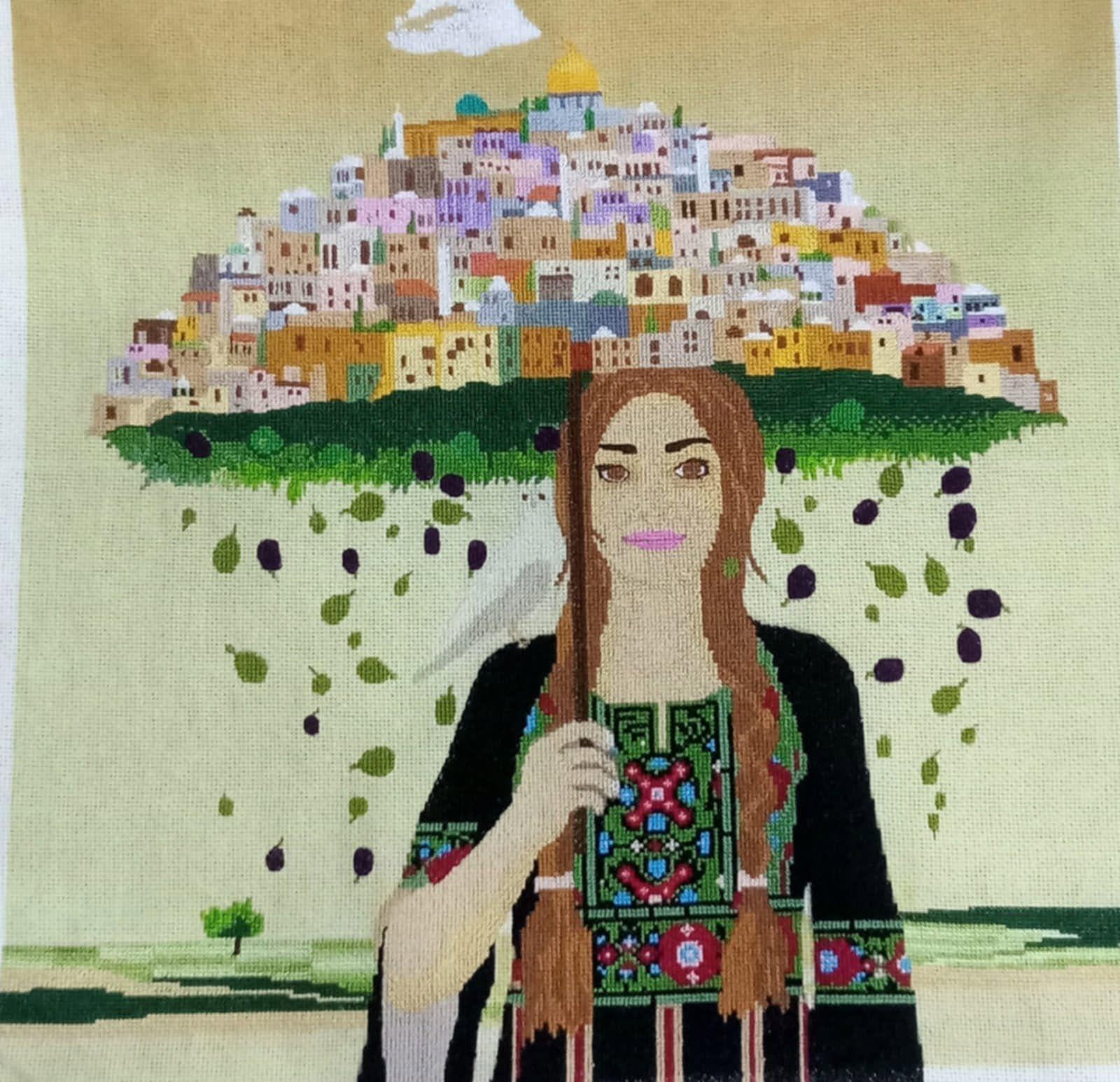
Embroidery is present in many cultures around the world and in our region. It is not exclusive to Palestine.
However, Palestinian embroidery is distinguished by its richness in artistic and formative aspects, and its connection to the local landscape. Palestinian women imitated the diverse and rich nature surrounding them.
The economic and cultural situation, along with the cultural and civilizational depth in Palestine, also contributed to this artistic richness in Palestinian embroidery. The photo shows women from Birzeit in everyday dress. From my book in Arabic (Queens of Silk, 2010)
CrossFireArabia
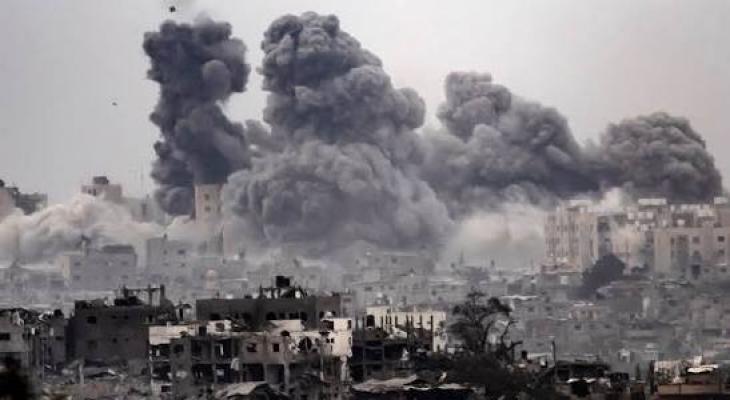
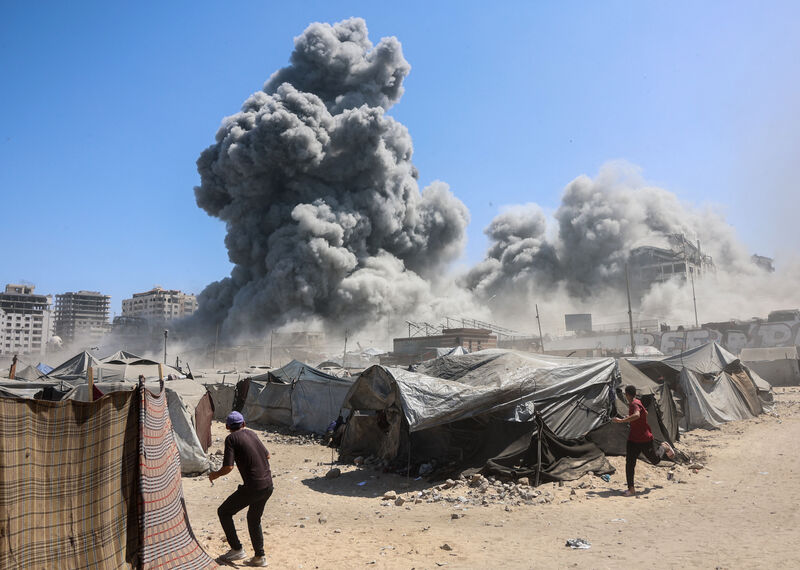
Dr Fayez Abu Shammalah says the Israeli aggressor has up till now dropped 200,000 tons of explosives on Gaza.
He added this vast amount equals to 13 nuclear bombs dropped on Hiroshima in Japan.
The US bombing forced the hands of Japan and it surrendered. However Abu Shammalah says: Gaza, its people and resistance are still fighting and refuses to surrender.
Dr Abu Shammalah is a university professor, a freed prisoners after spending 10 years in Israel jails, is a member of the Palestine National Council, and previously a mayor of the Khan Younis Municipality.