 Glorious Yemen
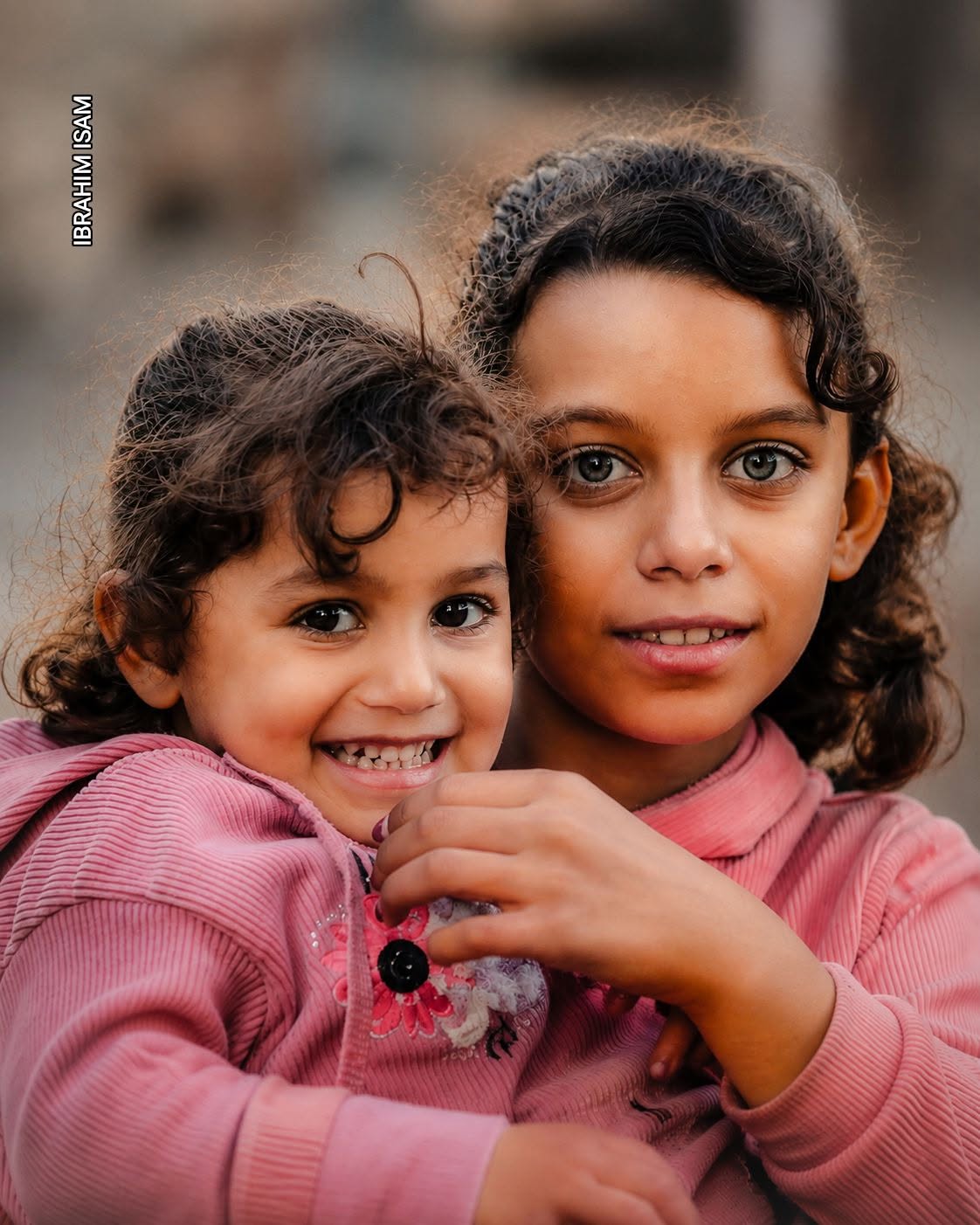 Say Cheese!
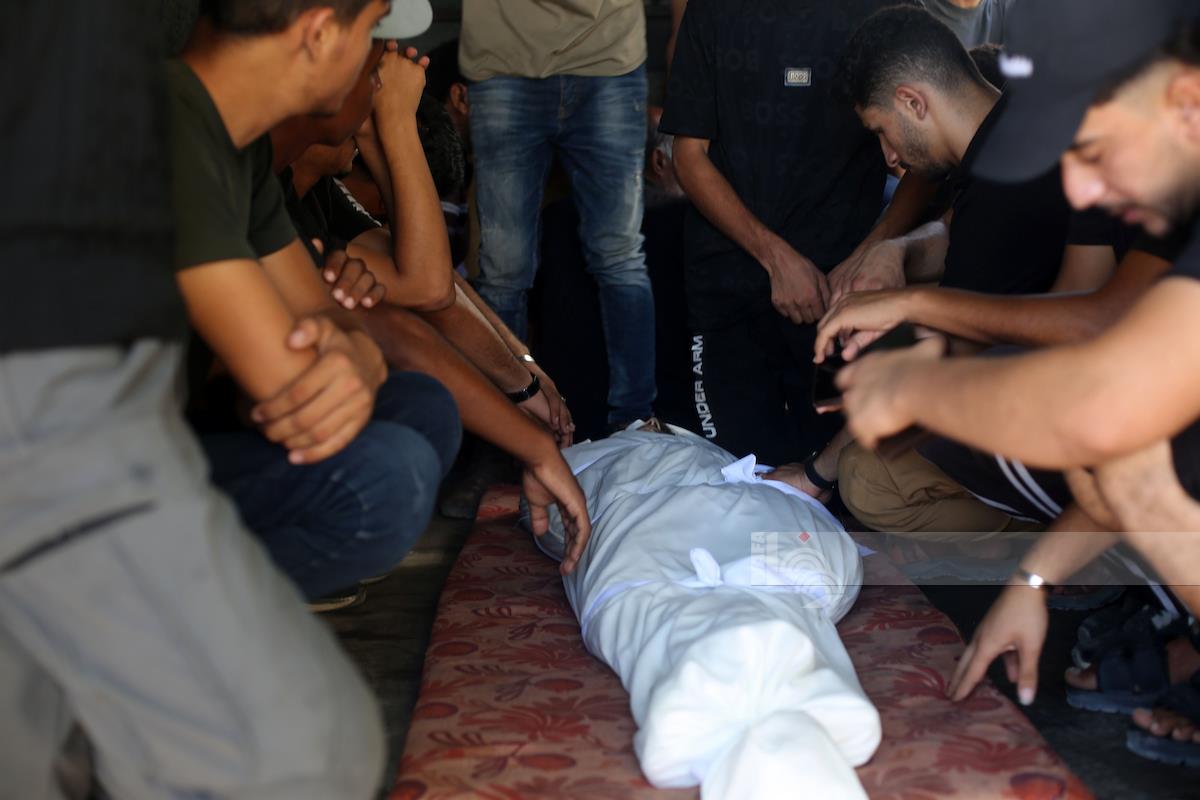
 Israel Vessels Fire at Three Fishermen in Gaza
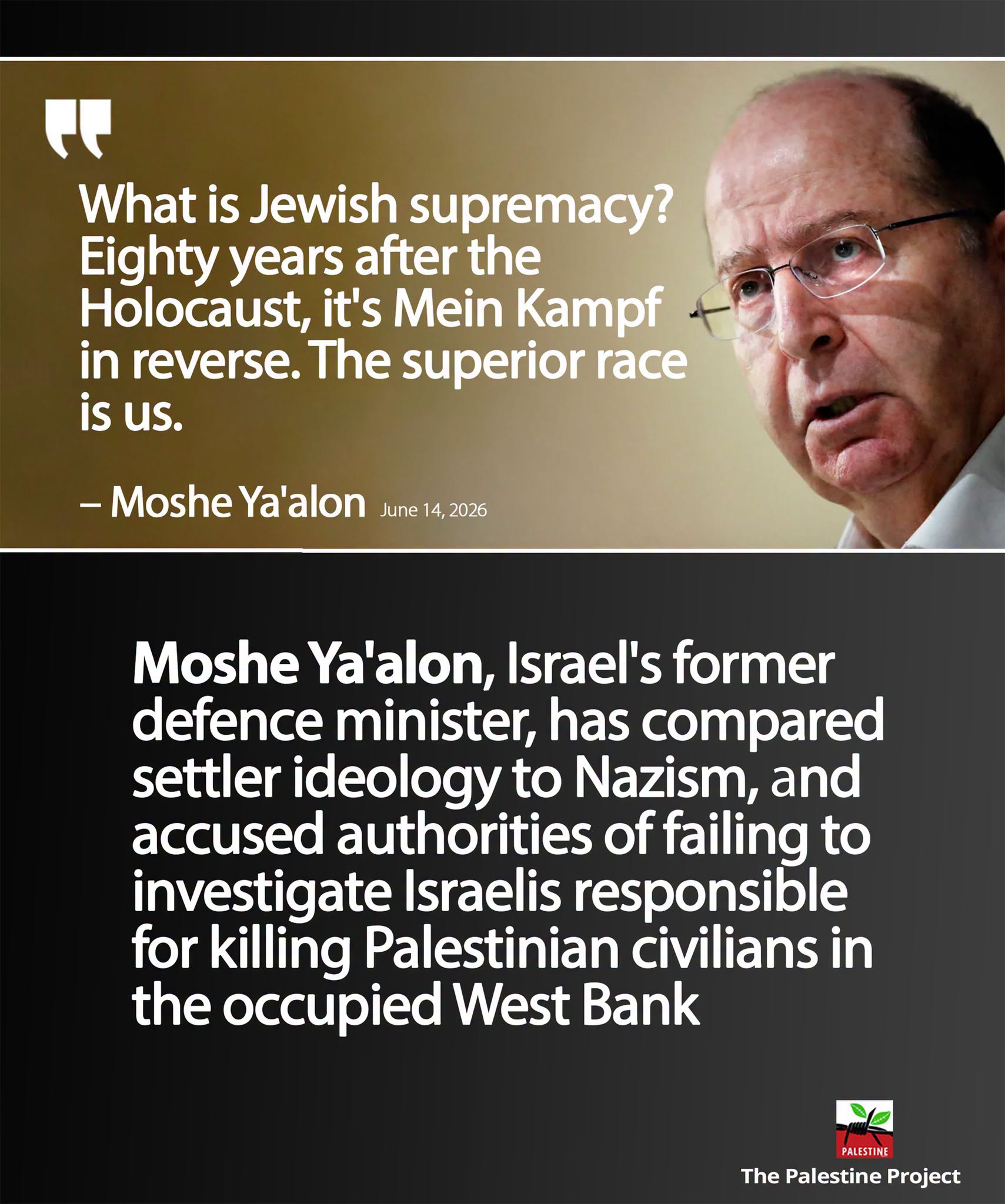
 Palestine in the Olive Harvest
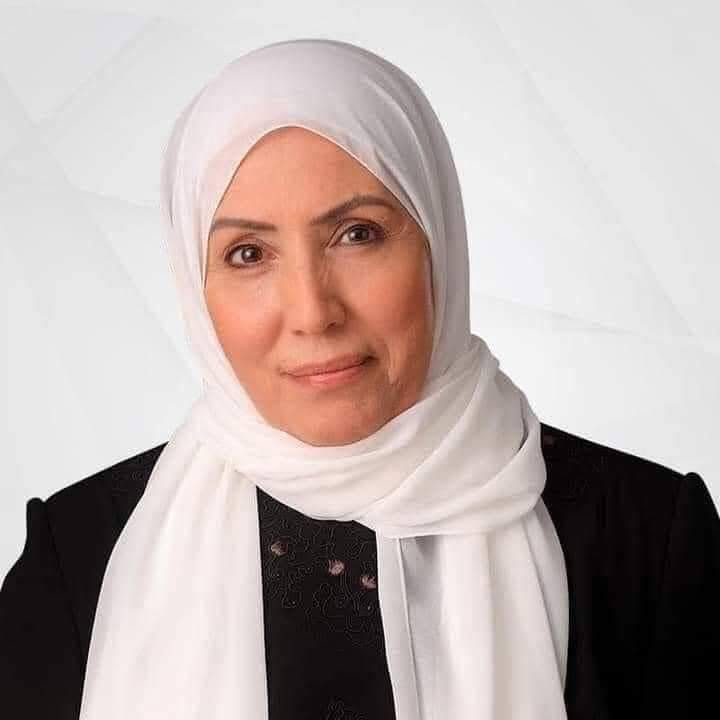
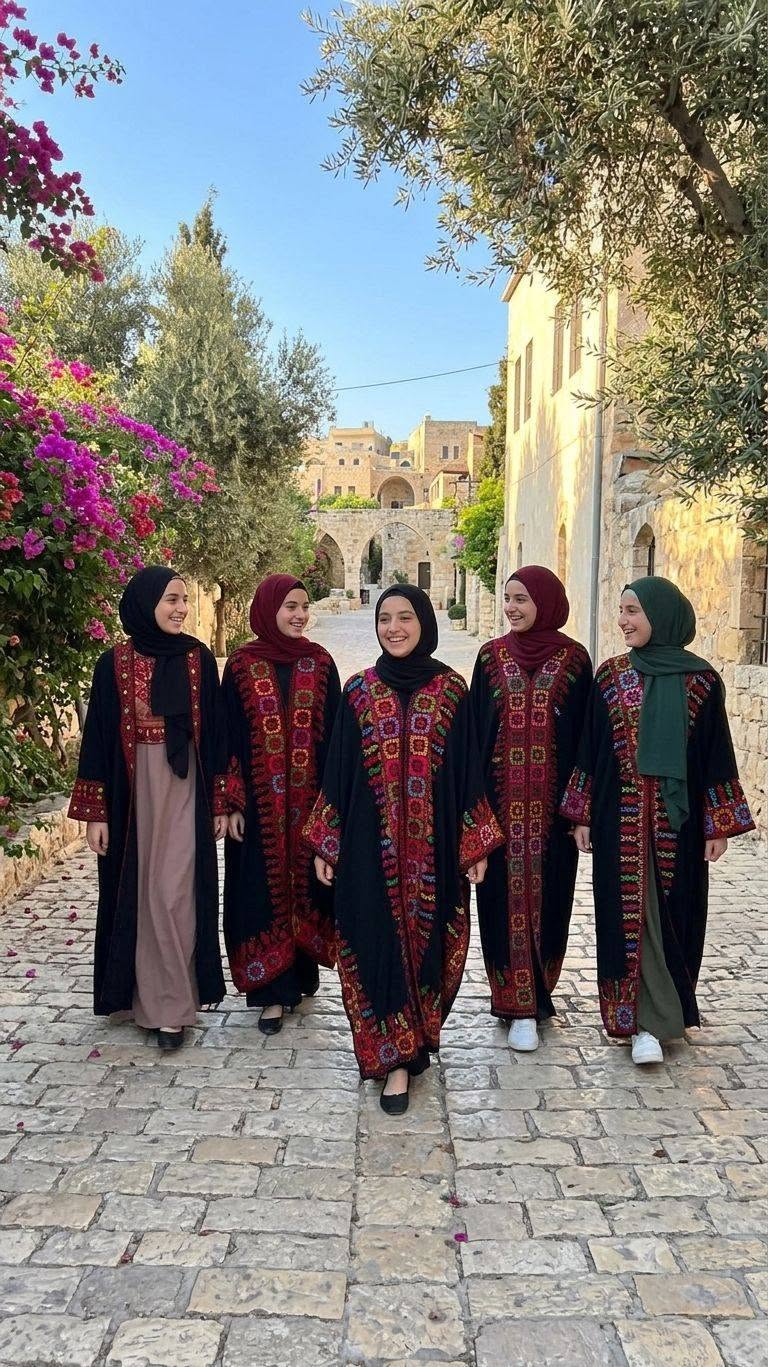 Smiles and Embroidery

Glorious Yemen
Heba
- August 14, 2026
 Heba
Heba CrossFireArabia
 marwanCrossFireArabiamarwanHebaCrossFireArabiamarwanmarwanHebaCrossFireArabiamarwanmarwanCrossFireArabiamarwanHebaCrossFireArabiaCrossFireArabiaCrossFireArabiaHebamarwanCrossFireArabiamarwanHebaCrossFireArabiaHebamarwanmarwanCrossFireArabiamarwanmarwanmarwanmarwanmarwanmarwanmarwanmarwanmarwanCrossFireArabiaCrossFireArabiamarwanmarwanCrossFireArabiaCrossFireArabiamarwanCrossFireArabiamarwanHebaHebamarwanmarwanCrossFireArabiamarwanmarwanmarwanmarwanCrossFireArabiaCrossFireArabiamarwanmarwanmarwanCrossFireArabiamarwanmarwanmarwanmarwanmarwanCrossFireArabiamarwanmarwanmarwanmarwanCrossFireArabiamarwanmarwanmarwanCrossFireArabia
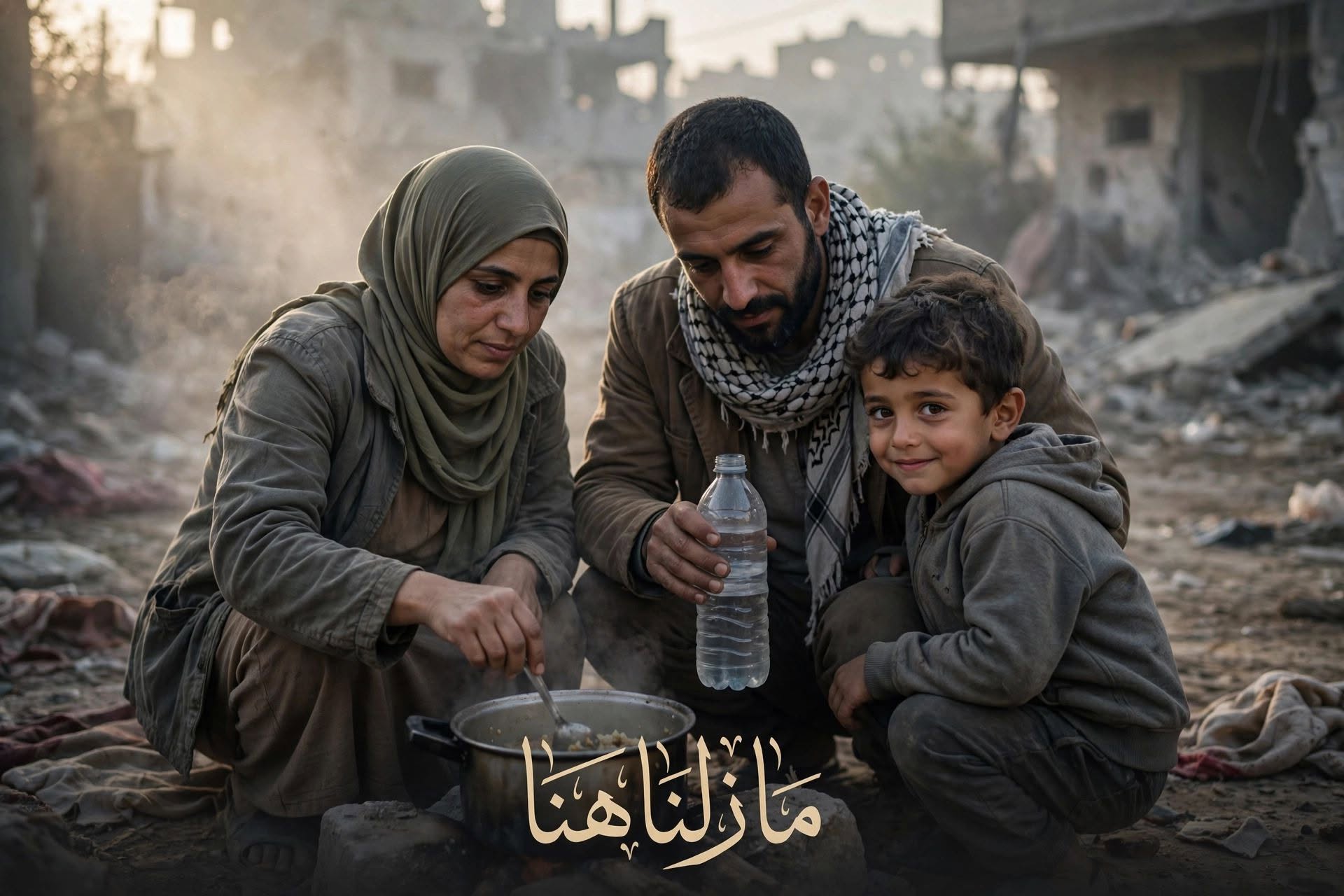
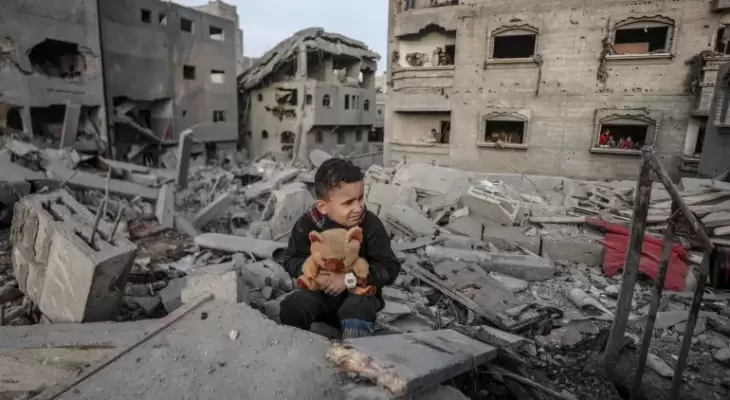
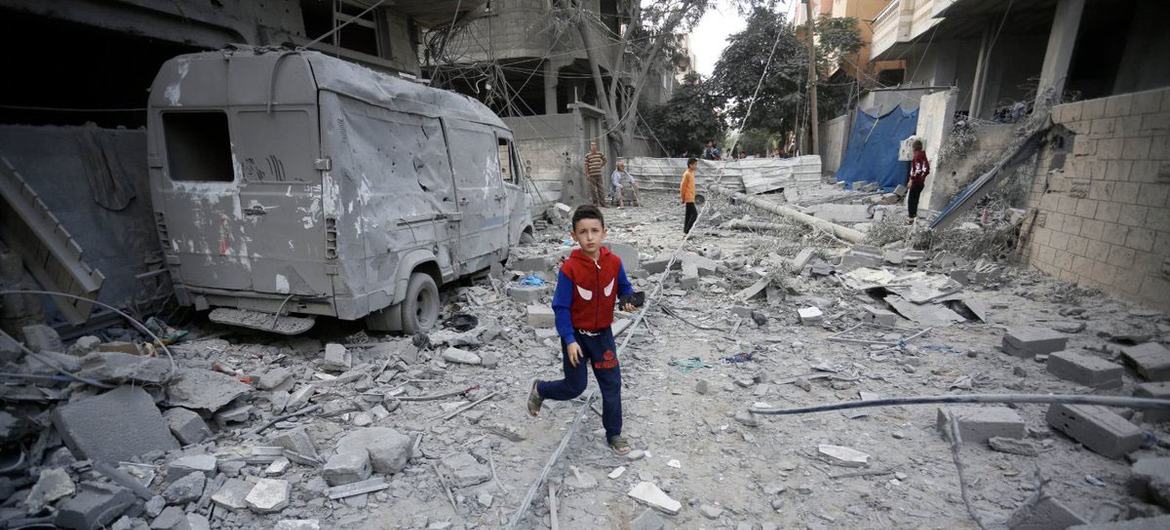
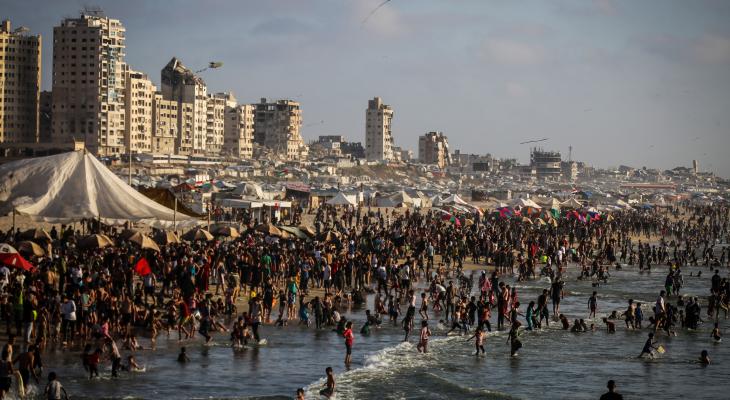
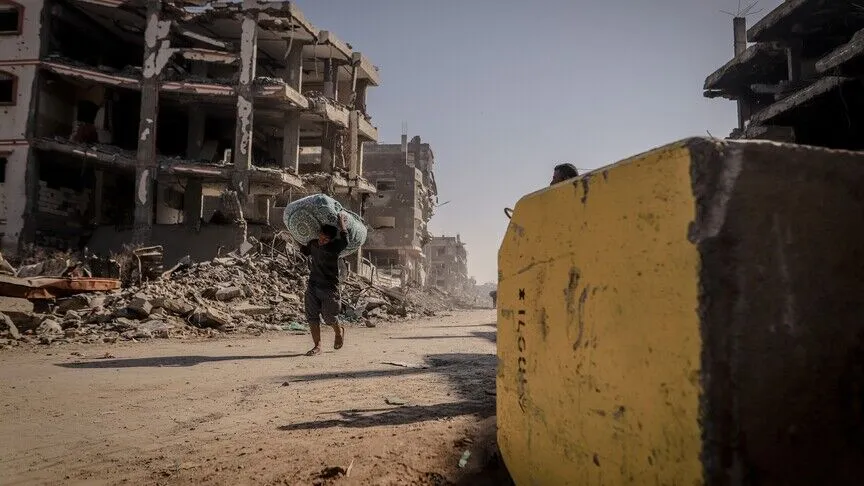
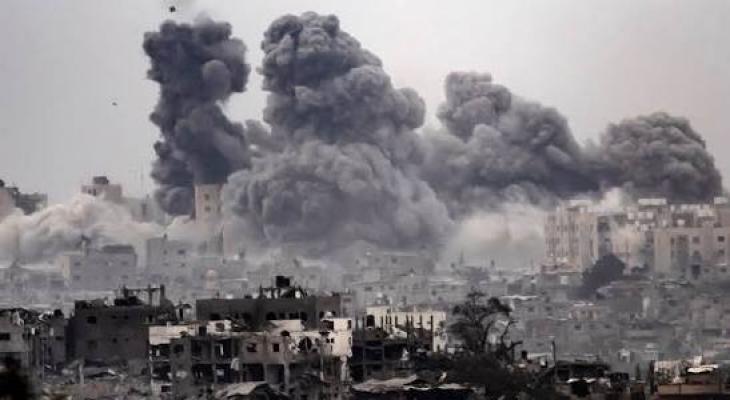
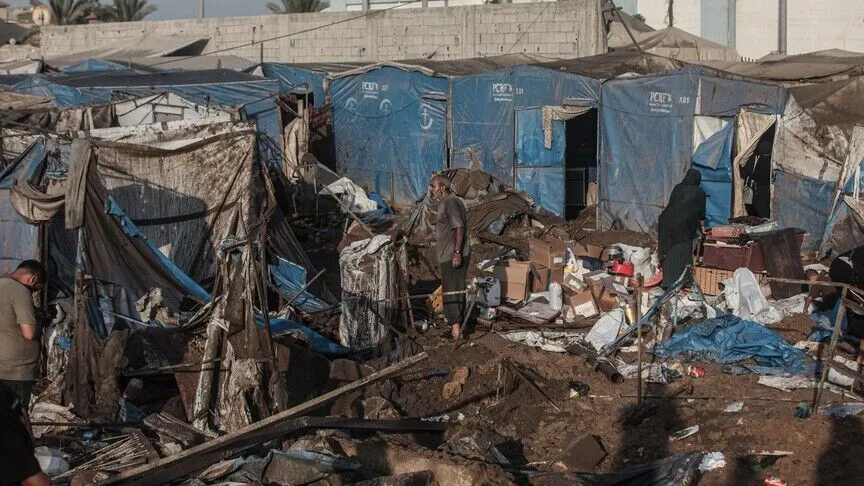
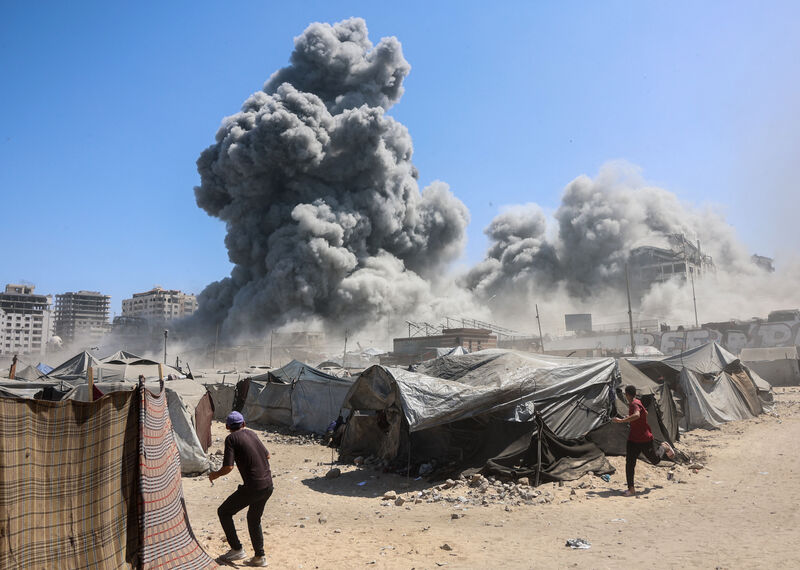
Abeer Fouzaldin Boussomi writes: Gaza without war after 733 days of bombs being dropped on it by the Israeli war machine
CrossFireArabia
Palestinian refugee in Jordan, chemist Omar Yaghi won the 2025 Nobel Prize in Chemistry for his work on metal–organic frameworks (MOFs). He shares the award with Richard Robson of the University of Melbourne and Susumu Kitagawa of Kyoto University.
The Royal Swedish Academy of Sciences praised the trio for “creating molecular constructions with large spaces through which gases and other chemicals can flow.” MOFs can store, filter, and transform molecules, with applications in clean energy, carbon capture, and water harvesting.
Yaghi, originally from Al-Masmiyya al-Kabira Village, which was depopulated by zionist militias in 1948, was born in Amman in 1965 to a family of Palestinian refugees. He spent his childhood in modest conditions and later moved to the United States to pursue his education. He studied at Hudson Valley Community College and earned a BSc in Chemistry cum laude in 1985. He completed his PhD at the University of Illinois at Urbana-Champaign in 1990 according to the Quds News Network.

Yaghi held postdoctoral and faculty positions at Harvard, Arizona State University, University of Michigan, and UCLA before joining UC Berkeley in 2012. He leads research programs that promote global scientific collaboration, including the Berkeley Global Science Institute, which has research centers in Asia, the Middle East, and Latin America.
In his first remarks after receiving the Nobel Prize, Yaghi described science as an “equalising force” that allows anyone, anywhere, to contribute to humanity. “Science levels the playing field,” he said.
His work on MOFs has helped develop materials that can capture carbon dioxide, store hydrogen and methane, and extract drinking water from arid air. Yaghi’s research bridges organic and inorganic chemistry and has influenced clean energy and sustainability efforts worldwide.
Yaghi is a member of multiple scientific academies, including the US National Academy of Sciences and the German National Academy of Sciences Leopoldina. He has received numerous awards, such as the 2024 Tang Prize in Sustainable Development, the 2018 Wolf Prize in Chemistry, and the 2025 Von Hippel Award.
CrossFireArabia
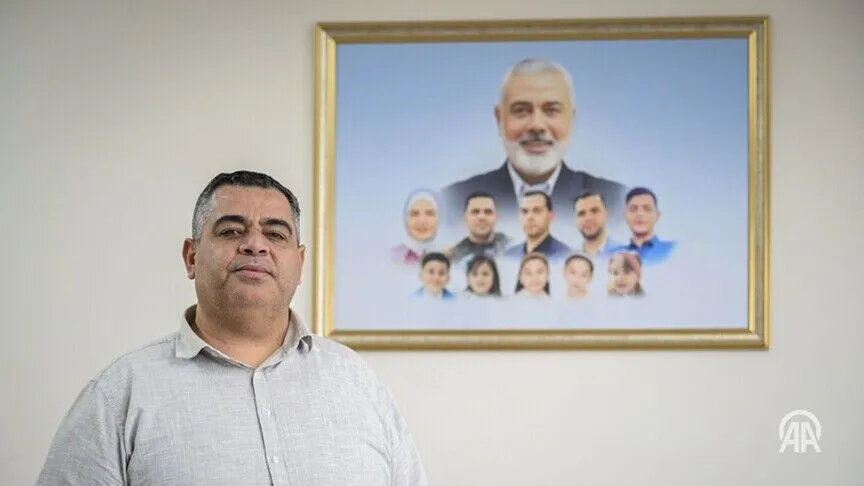
The Palestinian group Hamas said Thursday that it has submitted a list of Palestinians that it wishes Israel to release after both sides signed off on the first phase of a US-proposed Gaza ceasefire deal.
In a statement on Telegram, it said the Palestinians would be released through a prisoner exchange, in line with the agreed-upon criteria in the ceasefire agreement.
The statement added that Palestinian prisoners held in Israeli jails are one of Hamas’ top priorities, and efforts will continue “until the last Palestinian prisoner is freed.”
In an earlier statement, Hamas announced that it has agreed to the first phase of US President Donald Trump’s Gaza ceasefire plan, appreciating his efforts along with those of Türkiye, Qatar and Egypt according to Anadolu.
“Hamas announces that an agreement has been reached providing for an end to the war on Gaza, the withdrawal of the occupiers, the entry of humanitarian aid, and a prisoner exchange,” it said.
The group’s statement came right after Trump announced that Israel and Hamas have signed off on the first phase of the US-proposed Gaza deal.
The 20-point plan, first announced on Sept. 29, includes the release of all Israeli captives in exchange for Palestinian prisoners, a ceasefire, the disarmament of Hamas, and the rebuilding of Gaza.
Around 250 hostages were taken to Gaza following the Palestinian group’s cross-border attack on Oct 7, 2023. Tel Aviv estimates that nearly 50 Israeli hostages remain in Gaza, including around 20 who are believed to be alive.
More than 11,000 Palestinians are being held in Israeli jails, with 3,544 of them held without trial, according to the Israeli human rights group the Center for the Defense of the Individual (HaMoked).
Since October 2023, Israeli attacks have killed nearly 67,200 Palestinians in the enclave, most of them women and children.