 Glorious Yemen
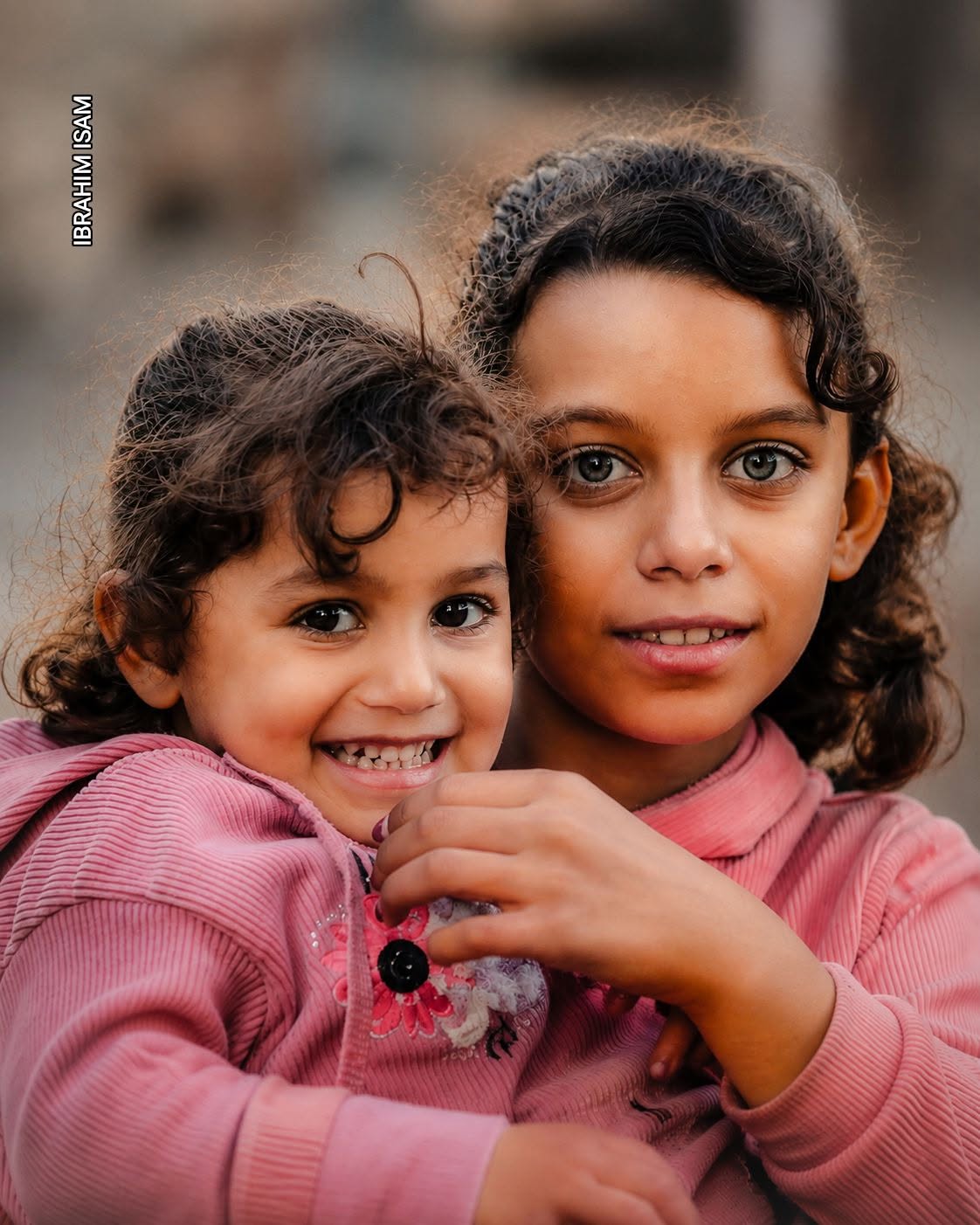 Say Cheese!
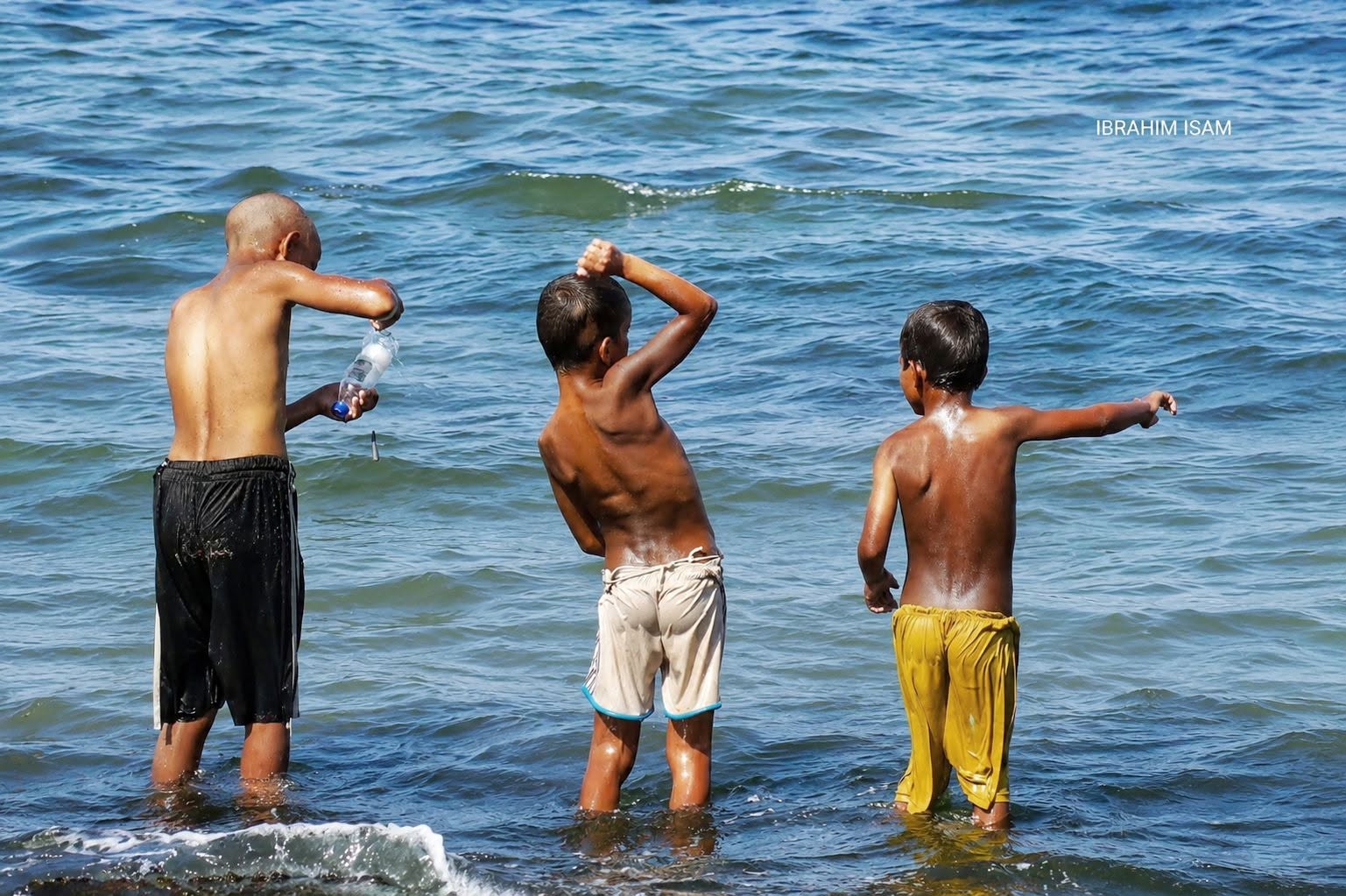
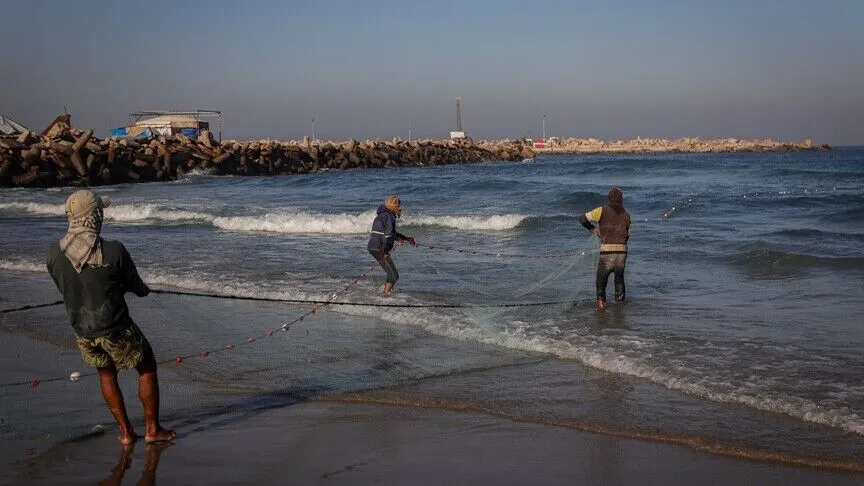 Israel Vessels Fire at Three Fishermen in Gaza
 Palestine in the Olive Harvest
 Smiles and Embroidery

Glorious Yemen
Heba
- August 14, 2026
 Heba
Heba CrossFireArabia
 marwanCrossFireArabiamarwanHebaCrossFireArabiamarwanmarwanHebaCrossFireArabiamarwanmarwanCrossFireArabiamarwanHebaCrossFireArabiaCrossFireArabiaCrossFireArabiaHebamarwanCrossFireArabiamarwanHebaCrossFireArabiaHebamarwanmarwanCrossFireArabiamarwanmarwanmarwanmarwanmarwanmarwanmarwanmarwanmarwanCrossFireArabiaCrossFireArabiamarwanmarwanCrossFireArabiaCrossFireArabiamarwanCrossFireArabiamarwanHebaHebamarwanmarwanCrossFireArabiamarwanmarwanmarwanmarwanCrossFireArabiaCrossFireArabiamarwanmarwanmarwanCrossFireArabiamarwanmarwanmarwanmarwanmarwanCrossFireArabiamarwanmarwanmarwanmarwanCrossFireArabiamarwanmarwanmarwanCrossFireArabia
Following the war, Gaza’s fishing sector has been left in a catastrophic state, with infrastructure largely destroyed, production severely reduced and fishermen facing an ongoing battle to resume their livelihood. Although a ceasefire now is in place, Israeli restrictions continue to hamper any recovery.
The conflict has brought Gaza’s once thriving fishing sector to collapse and the impact of the two- year escalation on the sector is devastating. Since October 7, Israel has systematically destroyed Gaza’s important source of food and livelihoods for residents of the Strip as its critical fishing sector has been almost completely obliterated.
Gaza’s average daily catch just between October 2023 and April 2024 dropped to 7.3 percent of 2022 levels, causing a $17.5 million production loss.
The main seaport in Gaza City and other landing sites has been destroyed and Gaza’s two main aquaculture farms along with the hatchery facility wiped out leaving the sector unable to produce alternative aquatic foods through aquaculture.

According to an assessment, before the conflict, over 6,000 residents in Gaza relied on the fishing industry for their primary source of income, of this total; approximately 4,500 were fishermen and boat owners.
The fishing sector supported approximately 110,000 people, according to the UN Food and Agriculture Organization (FA0), although Israel’s restrictions on the industry before the war thwarted its potential both in terms of local production to meet the needs of the population and as a source of export.
Over the years, Israel blocked access to the maritime area off the coast of the Gaza Strip, maintained a limited “fishing zone” and allowed fishermen to operate in an area only up to six nautical miles from the coast in the northern Gaza Strip and up to 15 nautical miles in certain areas, despite the Oslo Accords stipulating that should be allowed up to 20 nautical miles from the coast.
The Israeli navy enforced restrictions on the fishing zone through warning shots or live fire towards vessels and fishermen, killing or severely injuring people on multiple occasions.
In addition, Israel destroyed or confiscated boats and equipment as a matter of policy, arrested fishermen and restricted the entry of material necessary for the repair and rehabilitation of boats, such as fiberglass, engines and other items.
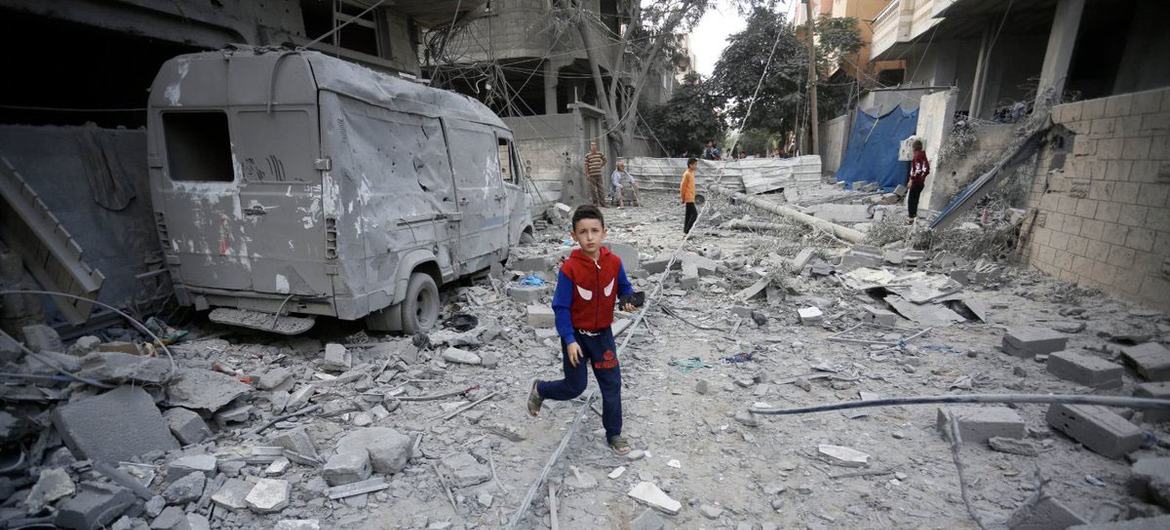
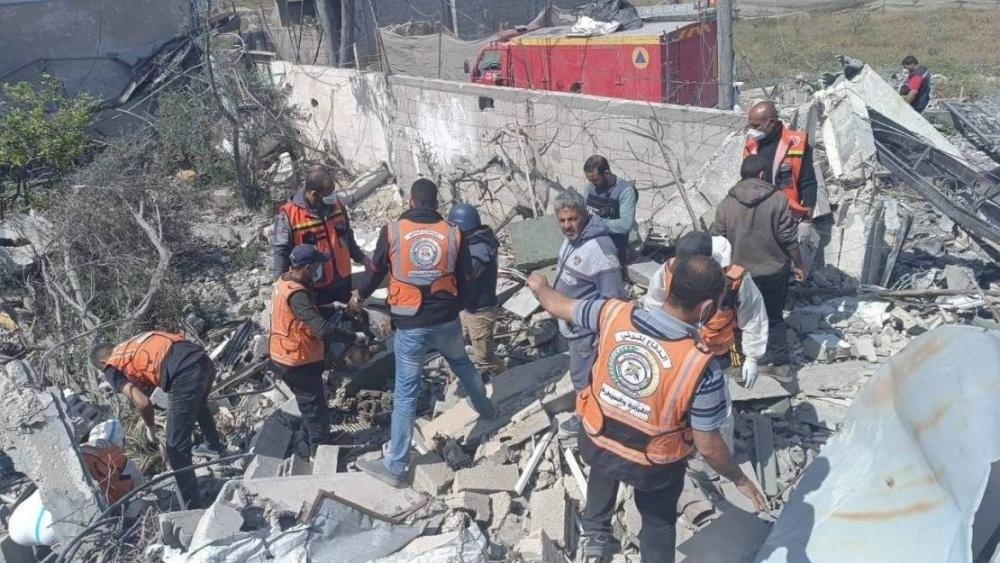
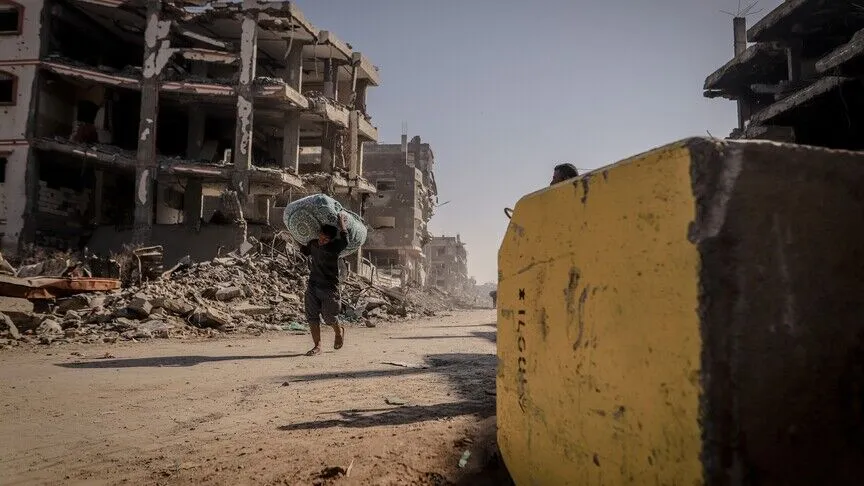
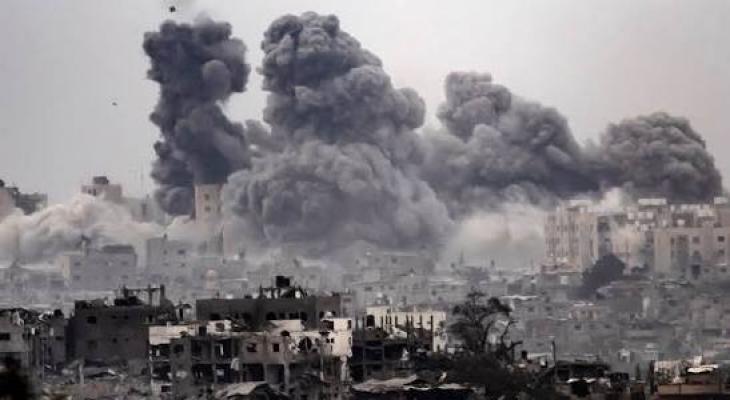
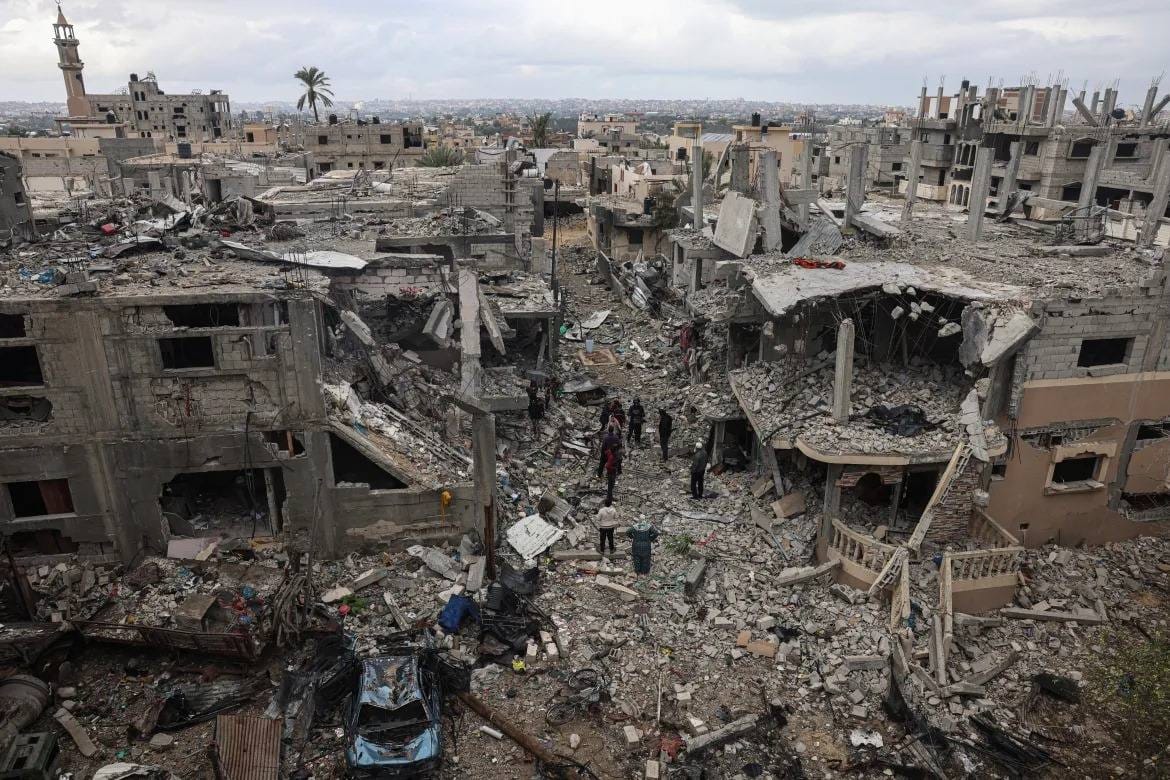
Over the course of the aggression, the coastal fishing infrastructure has sustained massive damage, including the main Gaza Seaport, several smaller ports, fishermen’s rooms, and vital fishing equipment.
As of late 2024 and mid – 2025, reports from NGO’s and human rights groups state that approximately 95 per cent of the fishing sector in Gaza has been destroyed.
The damage to Gaza’s fishing sector has exacerbated an already dire food security crisis as fish, once a vital source of protein and other essential nutrients for Gazans, is now nearly unavailable.
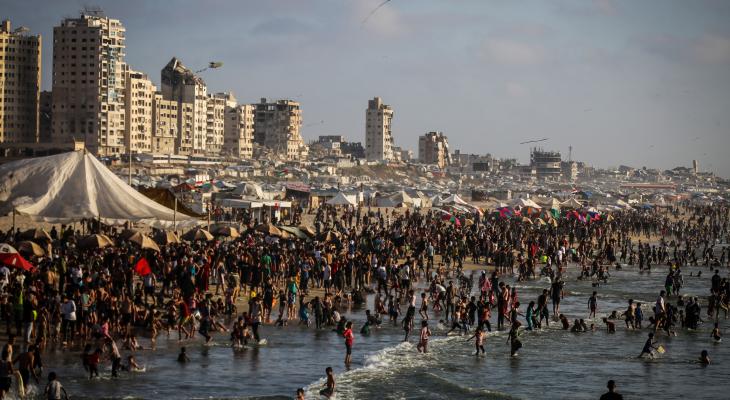
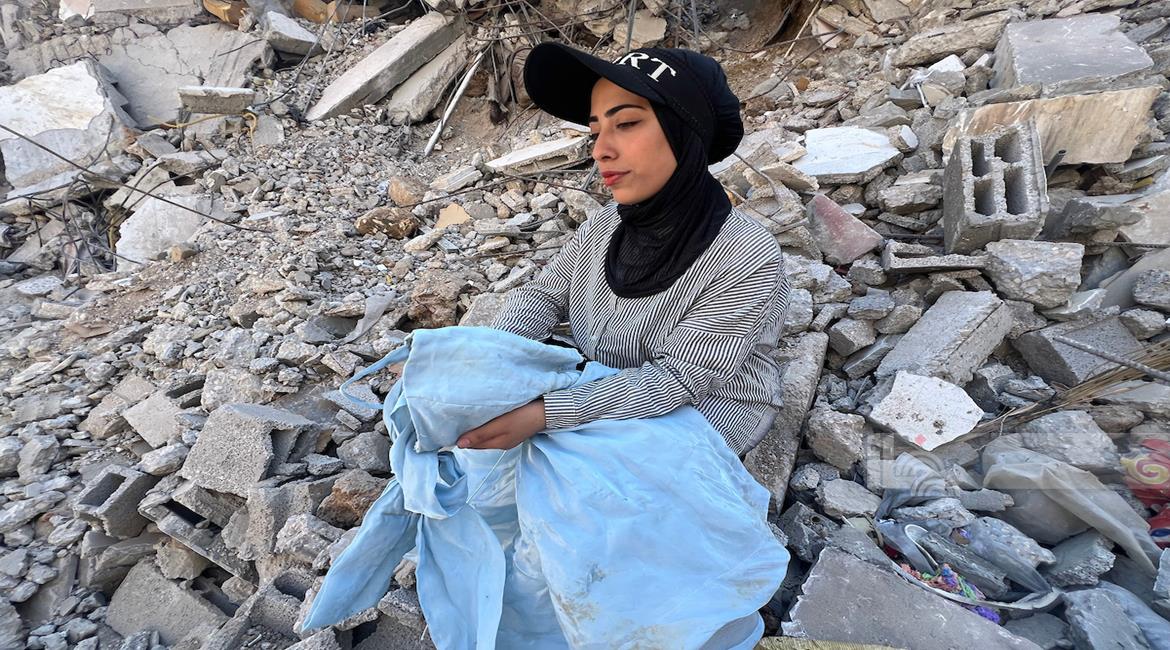
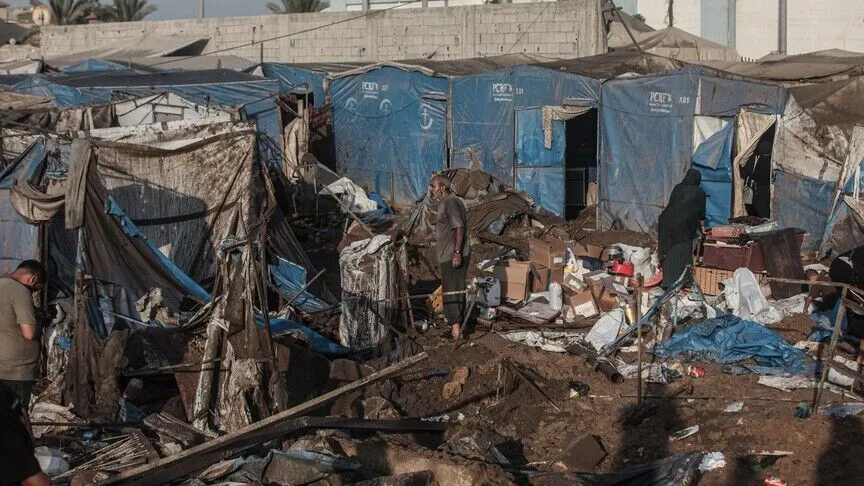
Today, in Gaza’s fishing areas lie broken boats, torn nets, and ruined infrastructure, standing in stark contrast to the once-vibrant industry that supported thousands of fishers for generations.
Fishermen have been killed, chased, and arrested, while most of their boats and equipment have been destroyed.
For Gazans, the sea was not just a source of food, but a source of livelihood and identity.
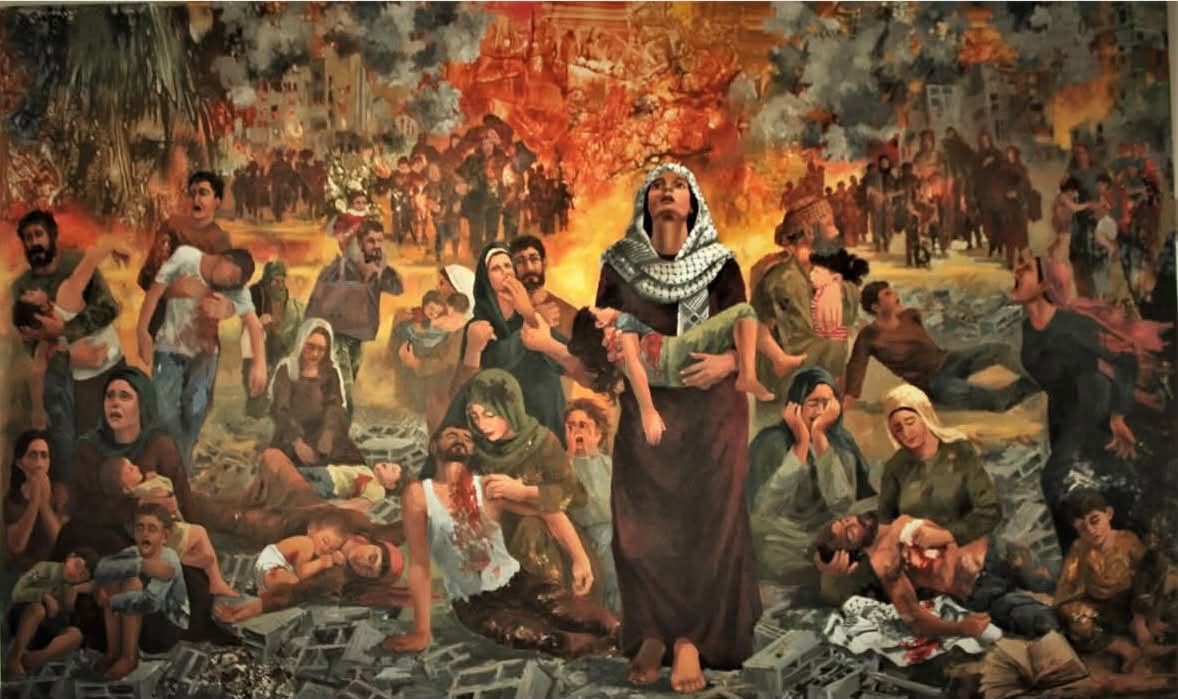
The Israeli military’s tactics in its horrific war have shown a focused effort to disrupt and destroy the civilian way of life, thereby crippling the very survival of the Gaza population.
The territory’s fishing sector stands among the hardest hit, its work force devastated and productivity nearly extinguished.
According to the Palestinian Fishermen’s Syndicate, Israel has pursued a systematic campaign to dismantle the industry that for centuries has played a significant part in the Palestinian economy, culture, and cuisine.
The fishing industry has been central to Gaza’s economy, providing employment for fishermen and others in subsidiary jobs related to packaging, marketing, and transportation as well as boat repair and maintenance.
Notably, the sector provided direct and indirect employment opportunities for youth and women, particularly through small and medium-sized enterprises (SMEs) in both formal and informal settings.
According to the Palestinian NGO Network (PNGO), before the war, there were more than 2,000 fishing vessels in Gaza, of which 1,100 had engines and about 900 were manually operated.
The fishing industry in Gaza was one of the few autonomous food production sectors in the Strip, and therefore had a direct and critical impact on the food security of the population. According to PNGO, the sector produced an average of 3,000-4,000 tons of fish per year, alongside an additional 300-500 tons from artificial fish farms in recent years.
The decimation of the fishing industry, together with the destruction of other means of food production, has contributed to the humanitarian catastrophe in Gaza and ensured continued dependence of the population on entry of aid.
According to the Integrated Food Security Phase Classification (IPC) report, from May 2025, the entire population of the Gaza Strip, approximately 2.1 million people, has been facing an imminent risk of famine.
Given the restrictions on the entry of humanitarian aid into the Strip since the beginning of the war, the fishing industry could have provided a source of protein to partially alleviate the crisis; instead, Israel’s destruction of the industry dramatically worsened the situation.
In addition, the Gaza fishing sector faces severe environmental challenges, including the depletion of fish stocks due to overfishing in a confined area, the destruction of fish farms, and the pollution from wastewater and damaged infrastructure.
Today, after Israel’s war halted, the situation underscores the urgent need for coordinated recovery efforts, including the restoration of fishing infrastructure, support for affected workers, and sustainable investment to rebuild the sector and protect the livelihoods it sustains.
After extensive damage, the reconstruction of Gaza’s fisheries sector requires a multi prolonged and long- term effort.
The plan involves emergency relief for fishers, restoring critical infrastructure, removing explosive ordnance, rebuilding the fish farming industry, and addressing environmental contamination.
Sufficient and sustained international funding is needed, as the estimated recovery cost of Gaza across all sectors is in the tens of billions of dollars.
A stable and sustained ceasefire is the most crucial precondition, as demonstrated by the failure of recovery efforts during renewed conflicts.
Significant international aid and a lasting peace are essential for the sector’s revival.
Najla M. Shahwan is a Palestinian author, researcher and freelance journalist and contributed the above article to the Jordan Times.
CrossFireArabia
Israel continues, in a deliberate and institutionalised manner, to implement a systematic policy aimed at erasing physical evidence of genocide, war crimes, and crimes against humanity committed over the past two years in the Gaza Strip. This policy is carried out through a series of field and administrative measures, including the prevention of international journalists and independent investigation committees from entering Gaza, in an attempt to obstruct any criminal investigation or field documentation that could establish the truth and confirm Israel’s legal responsibility.
The recent decision by the Israeli Supreme Court granting the government an additional delay regarding the entry of independent journalists into Gaza reflects the institutional complicity within the Israeli state apparatus in concealing crimes and protecting their perpetrators. The judiciary thus provides a legal cover for government policies designed to suppress transparency and erase field evidence of crimes committed in Gaza.
The continued prevention of international journalists and investigators from entering Gaza forms part of a consistent and coordinated policy exercised by Israeli authorities through their executive, security, and judicial arms to keep the crimes beyond international scrutiny and obstruct any independent accountability or investigation into the grave violations committed.
The ongoing ban on independent journalists entering Gaza represents a long-standing Israeli policy since the beginning of the military assault on the Strip. It aims to deprive the world of witnessing the reality on the ground by imposing a complete media blackout and preventing all documentation and international monitoring tools from accessing the crime scenes.
Despite the enforcement of the ceasefire agreement on 11 October, Israel continues to deny entry to international journalists, except for limited tours organised under the supervision and escort of the Israeli army. As a result, all scenes shown from the field remain under military censorship and devoid of the independent coverage guaranteed by international standards of press freedom.
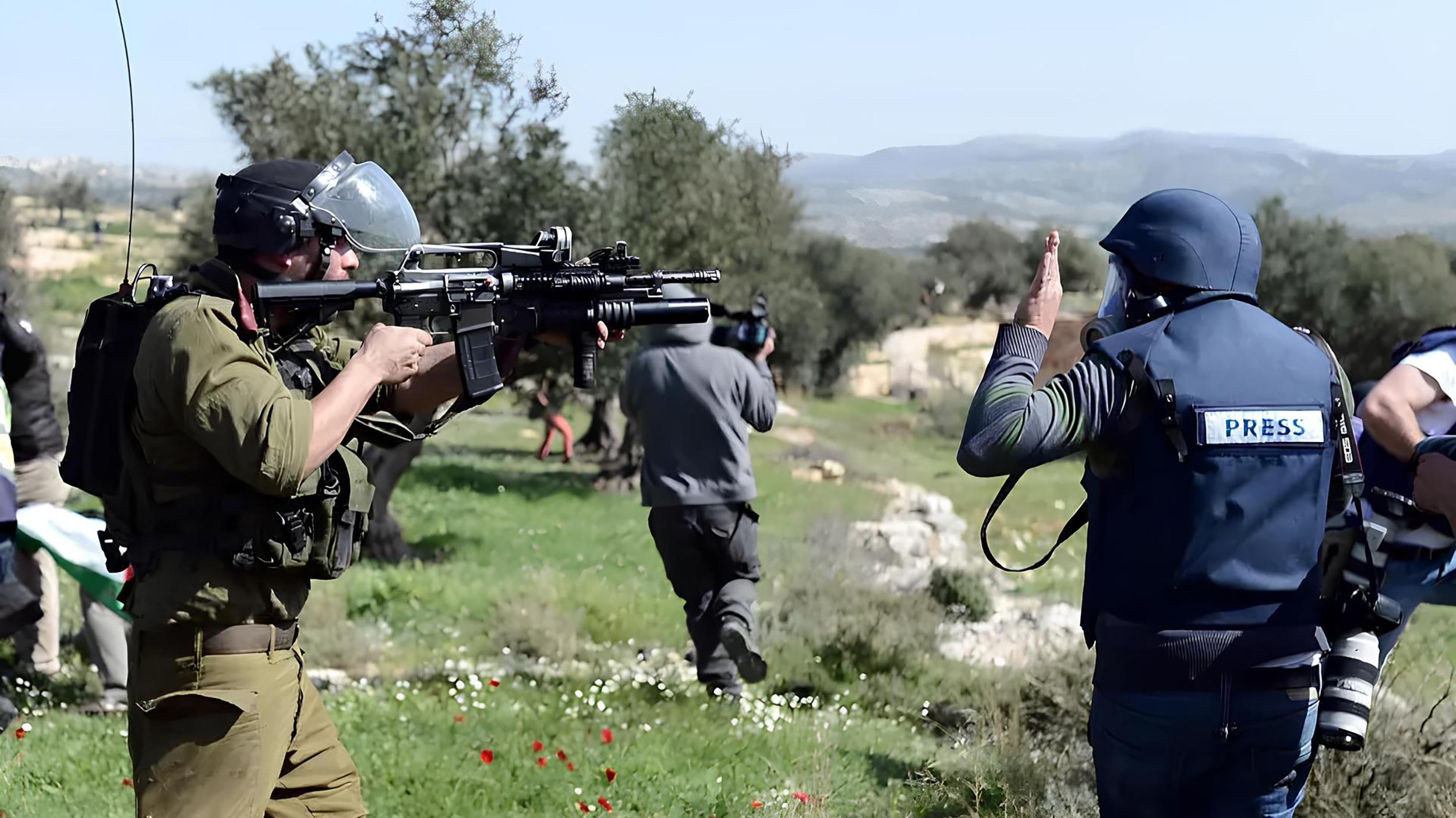
The killing of 254 Palestinian journalists and the ban on the entry of international media workers exemplify an integrated Israeli policy aimed at concealing the truth and monopolising the narrative by maintaining tight control over the media scene and preventing any independent oversight or field documentation. This policy not only withholds information but also strips victims of their right to tell their story to the world, turning their tragedy into a one-sided account narrated by the very perpetrator of the crime.
Israel’s actions to erase evidence of genocide include continuing to prevent the entry of the UN-mandated Independent International Commission of Inquiry on the Occupied Palestinian Territory, the investigation team of the International Criminal Court, as well as fact-finding missions and other international mechanisms specialised in investigating grave crimes. This deliberate obstruction of international justice constitutes a violation of Israel’s obligations under international humanitarian law.
Israeli authorities also block the entry of forensic teams and forensic anthropology experts who should secure crime scenes, examine human remains, and document biological and physical evidence proving mass killings, genocide, and the use of prohibited weapons and projectiles. This obstruction undermines a fundamental pillar of international criminal investigation, aiming to destroy material evidence before examination, deny victims and their families the ability to identify their loved ones, and prevent the international community from verifying the nature and scale of the crimes committed.
Israel further refuses to allow the entry of essential equipment and materials needed for exhuming bodies and identifying victims, including laboratory tools, autopsy instruments, and DNA analysis kits. This has left hundreds of bodies unidentified and deprived families of their basic human right to know the fate of their loved ones and bid them farewell with dignity.
Among these are around 195 bodies that Israel handed over without any details about their identities or circumstances of death, many of which showed clear signs of torture and summary execution. These findings indicate extrajudicial killings and inhumane treatment of Palestinian detainees and prisoners, including those subjected to enforced disappearance.
The continued retention of bodies and prevention of independent investigations constitute an additional form of collective punishment against Palestinian families, denying victims their basic human right to be identified and buried with dignity.
Israel has also carried out the total erasure of several cities, towns, villages, camps, and residential blocks where horrific mass killings occurred. Satellite images and field testimonies documented show that Israeli forces removed the surface layers of the ground, levelled targeted areas, destroyed rubble, and transferred it to unknown locations, effectively erasing potential physical evidence such as munitions remnants, bodies, original patterns of destruction, and explosion traces.
Israel continues to exercise full, unlawful military control over roughly 50 per cent of the Gaza Strip, reshaping the geography entirely through demolitions, bombardments, and bulldozing, and establishing new military routes and bases atop the ruins of destroyed buildings and farmland. This goes beyond military occupation, amounting to an engineered redesign of the field landscape to erase material evidence and prevent future verification of the crimes committed.
Israeli military deployment in these areas, coupled with the targeting of anyone approaching what it calls the “yellow line”, effectively isolates half of the Strip and turns it into a no-go zone, blocking journalists, researchers, and humanitarian teams from entering and preventing any genuine field documentation of the mass killings and widespread destruction that took place there.
Such acts constitute a flagrant violation of fundamental principles of international humanitarian law, which obligate parties to a conflict to preserve crime scenes until independent investigations are completed and to ensure that evidence is not tampered with. They also contravene the International Court of Justice’s ruling obligating Israel to take all necessary measures to prevent genocide, including preserving evidence and preventing its destruction.
Israel continues to withhold hundreds, possibly thousands, of bodies, including those of Palestinian prisoners and detainees killed under unclear circumstances, preventing autopsies and forensic examinations that could verify causes of death. This is a blatant violation of Article 130 of the Third Geneva Convention, which obliges occupying powers to respect the remains of the deceased and return them to their families without delay.
Denying victims justice and preventing the world from knowing the truth are not merely additional violations but an extension of the crime of genocide itself. Through these actions, Israel seeks to erase the traces of its crimes, obliterate collective memory, and strip Palestinians of their right to narrate their story and existence, attempting to eliminate both the victim and the evidence of their existence.
The international community and relevant United Nations bodies must ensure the immediate entry of international journalists and correspondents into the Gaza Strip and enable them to work freely and independently, without military oversight or escort. This is essential to guarantee transparency, expose the truth about the crimes committed, and allow urgent international access for forensic experts and specialists in forensic anthropology and explosives to secure crime scenes and collect physical and biological evidence before it is lost or tampered with.
Reconstruction and debris removal in areas where massacres occurred must be carried out with full consideration of evidence preservation and documentation, as any reconstruction effort that fails to do so will effectively serve as a tool to erase the truth and destroy the forensic memory of the crimes committed.
The international community and UN agencies are urged to support the establishment of a specialised framework for managing Gaza’s debris that links reconstruction and dismantling processes to the preservation and documentation of evidence—making adherence to this framework a prerequisite for any construction or debris removal activity.
There is also an urgent need to disclose the lists of the forcibly disappeared, missing persons, and bodies, reveal burial locations, return remains to their families, and allow international and UN mechanisms to conduct independent investigations into the crimes committed. Perpetrators must be brought to justice before international courts to ensure accountability, compensation, and redress for victims and their families.
The UN Human Rights Council should act swiftly to activate and reinforce existing monitoring and investigation mechanisms, enabling them full access to the Gaza Strip to protect crime scenes and ensure that evidence is not destroyed or altered. These mechanisms must be provided with the necessary technical and logistical support to operate independently and effectively.
The International Criminal Court must expand its ongoing investigation into the situation in Palestine to include the ongoing genocide and the systematic erasure of evidence, and take practical measures to protect crime scenes and related evidence. This includes establishing a dedicated field office for Palestine, similar to the one created for Ukraine, to coordinate on-site investigations, collect forensic evidence, and ensure continuous international oversight over the investigation process.
Any delay in such intervention will grant Israel more time to complete the destruction of evidence and the physical traces of its crimes, undermining the international community’s duty to protect truth and uphold justice. Saving the truth in Gaza is no longer merely a moral obligation, but a legal and humanitarian imperative that cannot be delayed.
 Dr Khairi Janbek
By Dr Khairi Janbek
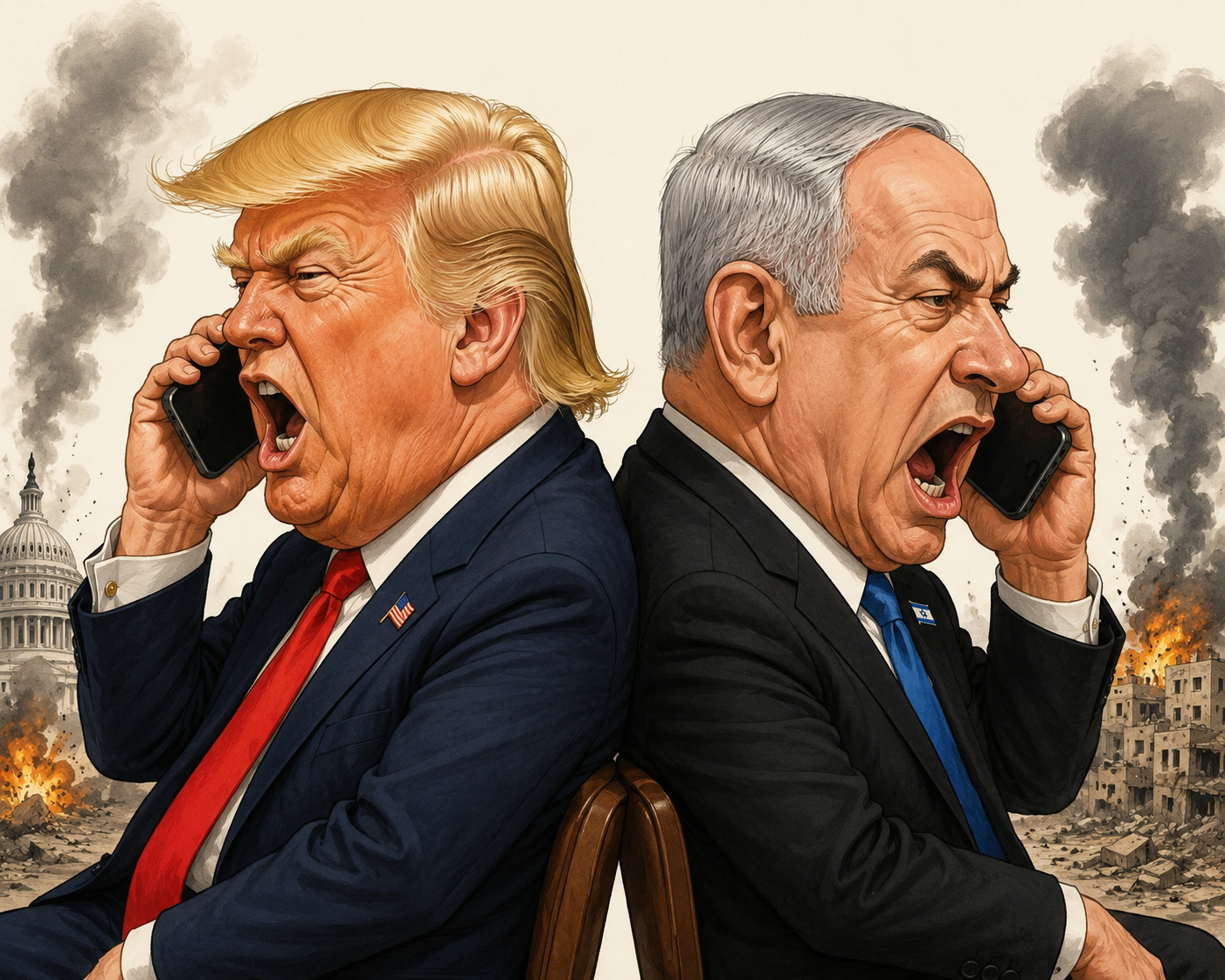
For all intents and purposes, US President Donald Trump is presenting himself as the arbiter of Arab-Israeli relations, and/or Arab-Israeli conflict and showing his presence as the patron for the time being, of the Gaza agreement. Therefore, no one, including Israel will be allowed to make him look bad in this multi-phased accord.
Most likely, his intention to reign in Prime Minister Benjamin Netanyahu and rejecting the Israeli rejection of the West Bank, boils down to keeping the Arabs on board in terms of money and influence for the success of his Gaza plan, as well as keeping his hopes alive for the Abrahamic Accords especially the red apple, Saudi-Israeli normalization.
Indeed Trump’s ambiguous stand of rejecting a Palestinian state while at the same time, rejecting Israeli annexation, either means giving the positive nod to Tel Aviv to create facts on the ground and create de facto annexation without the fanfare, and start the gradual population transfer, if we take Gaza as a precedence for his words, to Jordan and probably also to the wider Arab world, or, it could also be, that the future of the West Bank is intended to be united to the East Bank of River Jordan.
In the mean time, the world press talks about the continuous shuttle diplomacy of high-ranking Washington officials to Israel, and Trump’s warnings to Netanyahu, veiled as well explicit not to attempt to jeopardize the Gaza peace, to the extent of saying that Israel would lose all US support.
But what about the other side of this presumed potential rift? Netanyahu after two years of war, has nothing to show for it to the Israelis except barbarism, murder and destruction, in addition to gaining the status of becoming a fullyfledged international war criminal.
The war which he declared to finish off Hamas is increasingly controlled by the American plans, now, face a big failure with him reluctantly having to put up with. However it does not necessarily mean there are no other parties in his government, whose messianic fervour does not override the risk of losing American support, which indeed means, Netanyahu is now stuck between the rock and the hard place.
Indeed one cannot predict his longevity as the prime minister for Israel, but all what can be said is that, the alternative to him, is neither likely to be more peace loving, or more liberal in political outlook.
Dr Janbek is a Jordanian writer based in Paris, France
CrossFireArabia
Israel’s far-right Finance Minister Bezalel Smotrich retracted insulting comments he made on Thursday against Saudi Arabia.
“My statement about Saudi Arabia was definitely unsuccessful, and I regret the offense it caused,” the extremist minister said on his account on US social media company X.
“Nevertheless, and simultaneously, I expect the Saudis not to harm us and not to deny the heritage, tradition and rights of the Jewish people to the historical regions of their homeland in Judea and Samaria (West Bank) and to establish true peace with us.”
Smotrich issued insulting comments against the kingdom early Thursday, rejecting any normalization with ties with Riyadh in return for a Palestinian state.
“If Saudi Arabia tells us ‘normalization in exchange for a Palestinian state,’ friends — no thank you,” Smotrich said at a conference organized by the Zomet Institute and the Makor Rishon newspaper.
“Keep riding camels in the desert in Saudi Arabia, and we will continue to develop with the economy, society and state and the great things that we know how to do,” added the extremist minister.
There was no immediate comment from Saudi Arabia on Smotrich’s comments.
Saudi Arabia has repeatedly conditioned reaching a deal to normalize ties with Israel on Tel Aviv’s acceptance of a Palestinian state and the launch of a serious political process leading to that state.
Ignorance
Smotrich’s comments against Saudi Arabia drew fire from Israeli opposition leaders.
“To our friends in the Kingdom of Saudi Arabia and the Middle East, Smotrich does not represent the State of Israel,” Yair Lapid, leader of Yesh Atid Party, wrote on US social media company X, calling on the finance minister to apologize.
Benny Gantz, leader of the opposition Blue and White Party, said on X that Smotrich’s comments against Saudi Arabia “reflect ignorance and a lack of awareness of his responsibility as a senior minister in the government and the cabinet.”
Smotrich, known for his extremist views, has long advocated expanding Israeli settlements in the West Bank and the annexation of the occupied territory according to Anadolu.
CrossFireArabia
A senior American official has issued a stark warning to Israeli Prime Minister Benjamin Netanyahu that if he allows the ceasefire deal between Israel and Hamas to collapse, he will face severe consequences from US President Donald Trump, Israel’s Channel 12 reported.
Speaking in Hebrew on Channel 12, Axios correspondent said the US official warned him that Netanyahu is “walking a very thin tightrope with President Trump. If he keeps this up, he’ll end up screwing up the deal, and if he screws up the deal, Donald Trump will screw him.”
The comments come amid rising tensions between Washington and Tel Aviv over moves by Israel’s parliament, the Knesset, to advance legislation tied to the annexation of parts of the occupied West Bank.
According to the report, US Vice President JD Vance, who concluded a diplomatic visit to Israel earlier on Thursday, was taken aback after learning that the Knesset had given preliminary approval to two non-binding annexation-related bills the previous day.
Speaking to reporters at Tel Aviv’s Ben Gurion Airport before his departure, Vance criticised the vote, saying: “If this was a political stunt, it’s a very foolish one. I personally take offence to it.”
Israeli move angered Trump
An Israeli official told Channel 12 that Netanyahu had been warned several days earlier about the strong backlash such a move would provoke but did nothing to stop the vote from going ahead.
The Israeli Knesset approved both annexation-related bills in a preliminary reading, with three more votes required before they can become law.
The legislation advanced despite open opposition from President Trump, who said last month that he “would not allow Israel to annex the West Bank.”
The vote also coincided with Vance’s visit to Israel, part of a wider US diplomatic effort to preserve the Gaza ceasefire that took effect on October 10 according to TRTWorld.