 ‘No Need For Your Crocodile Tears’
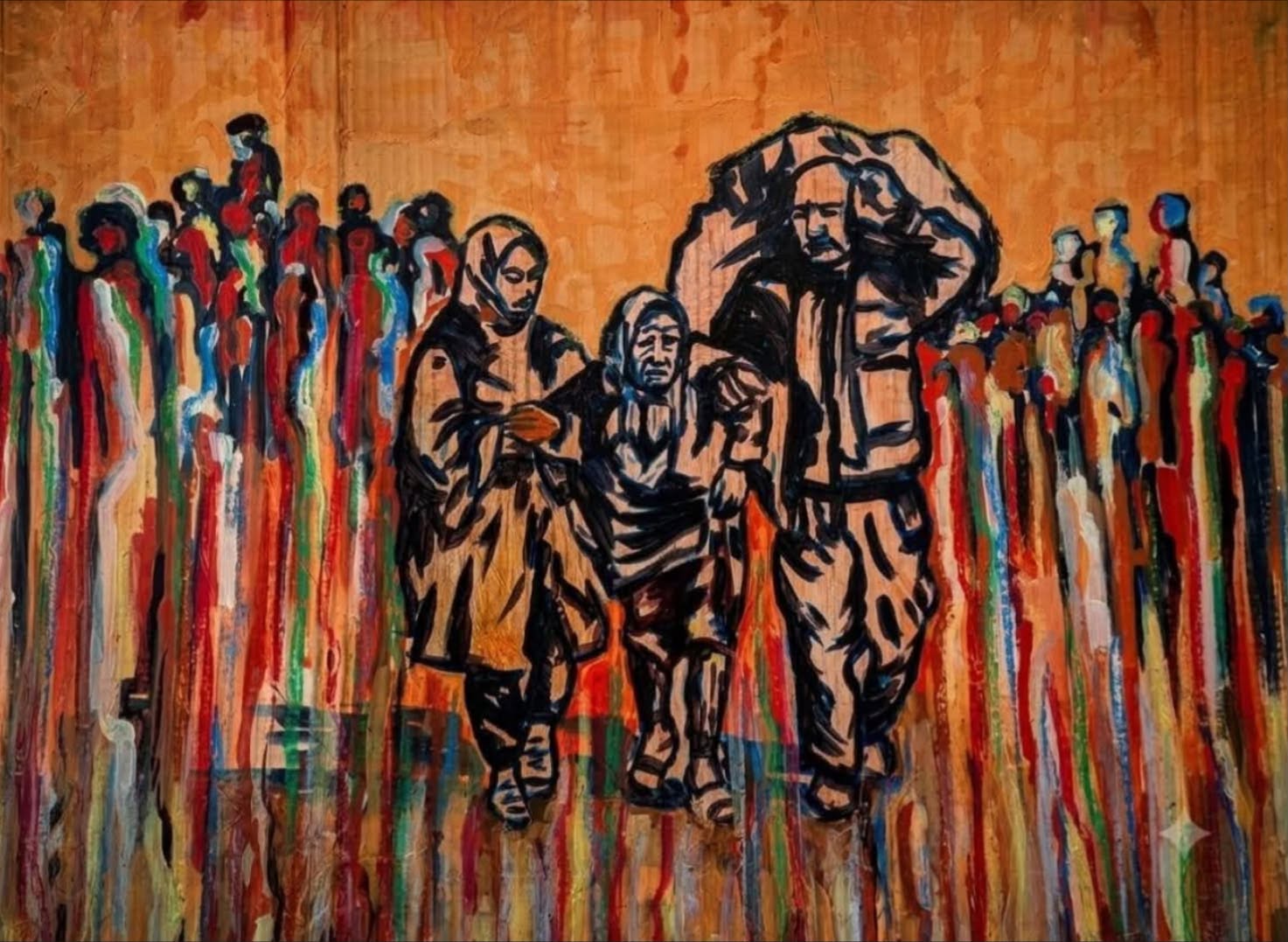
 Reem Arkan’s ‘Red Homeland’
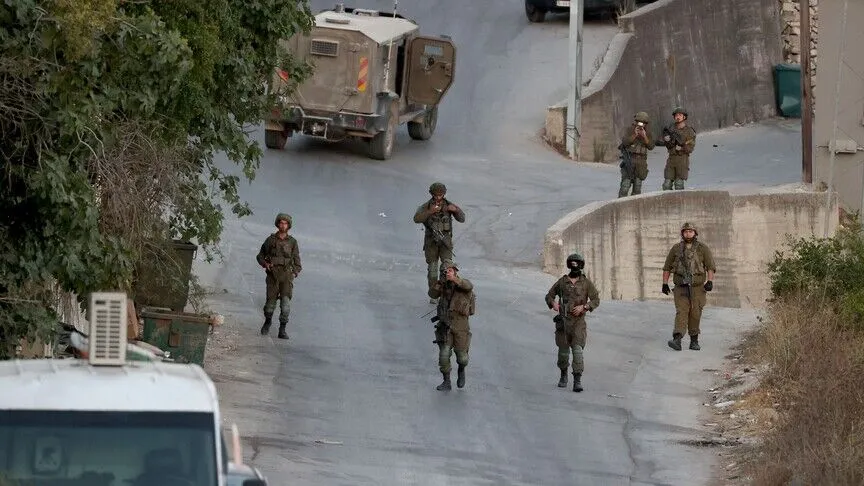
 Israeli Army Seizes 16 Homes in The West Bank
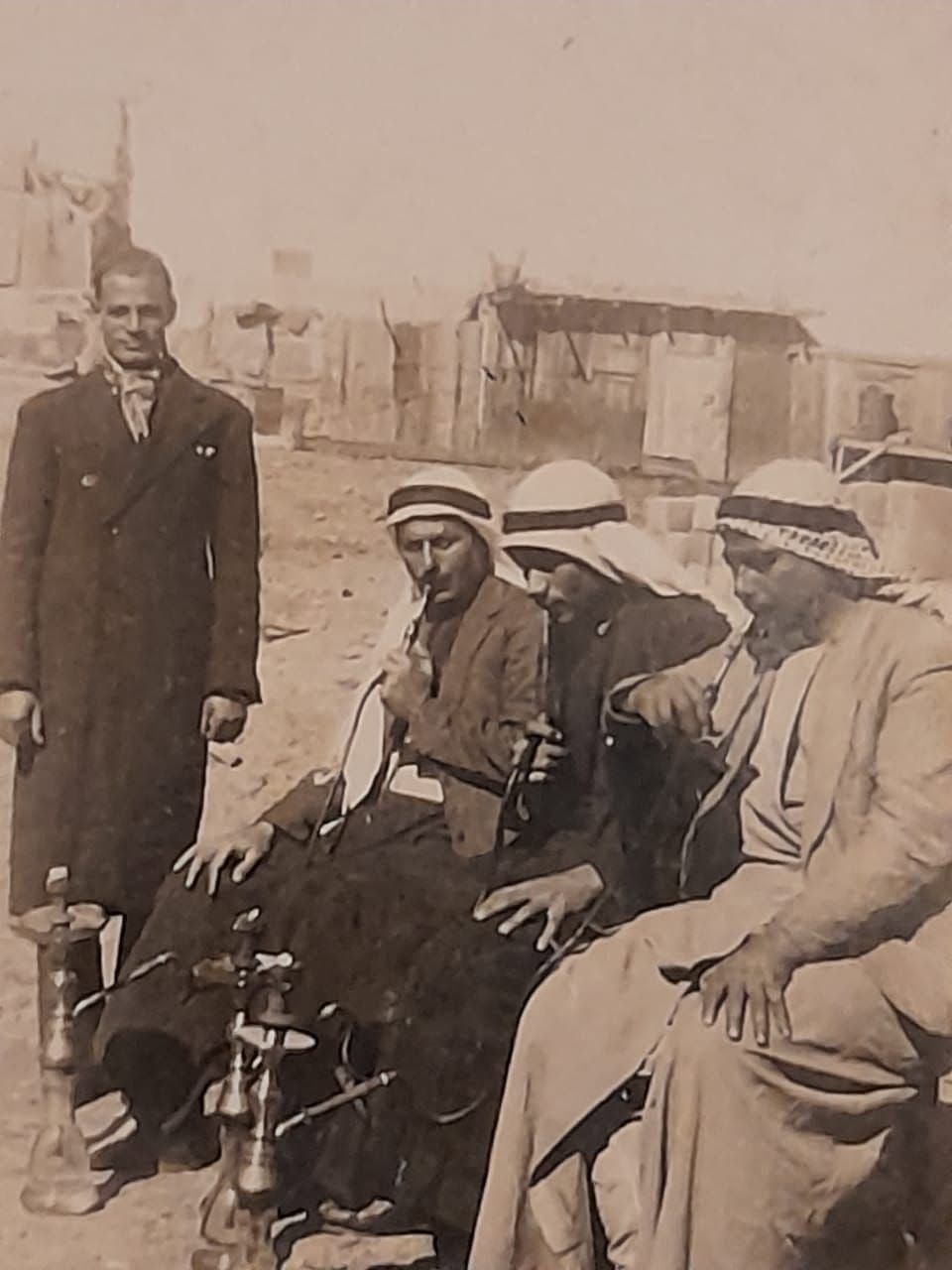
 Israel Arrest Palestinian Journalist and Drop Site Contributor Mohammed Awad
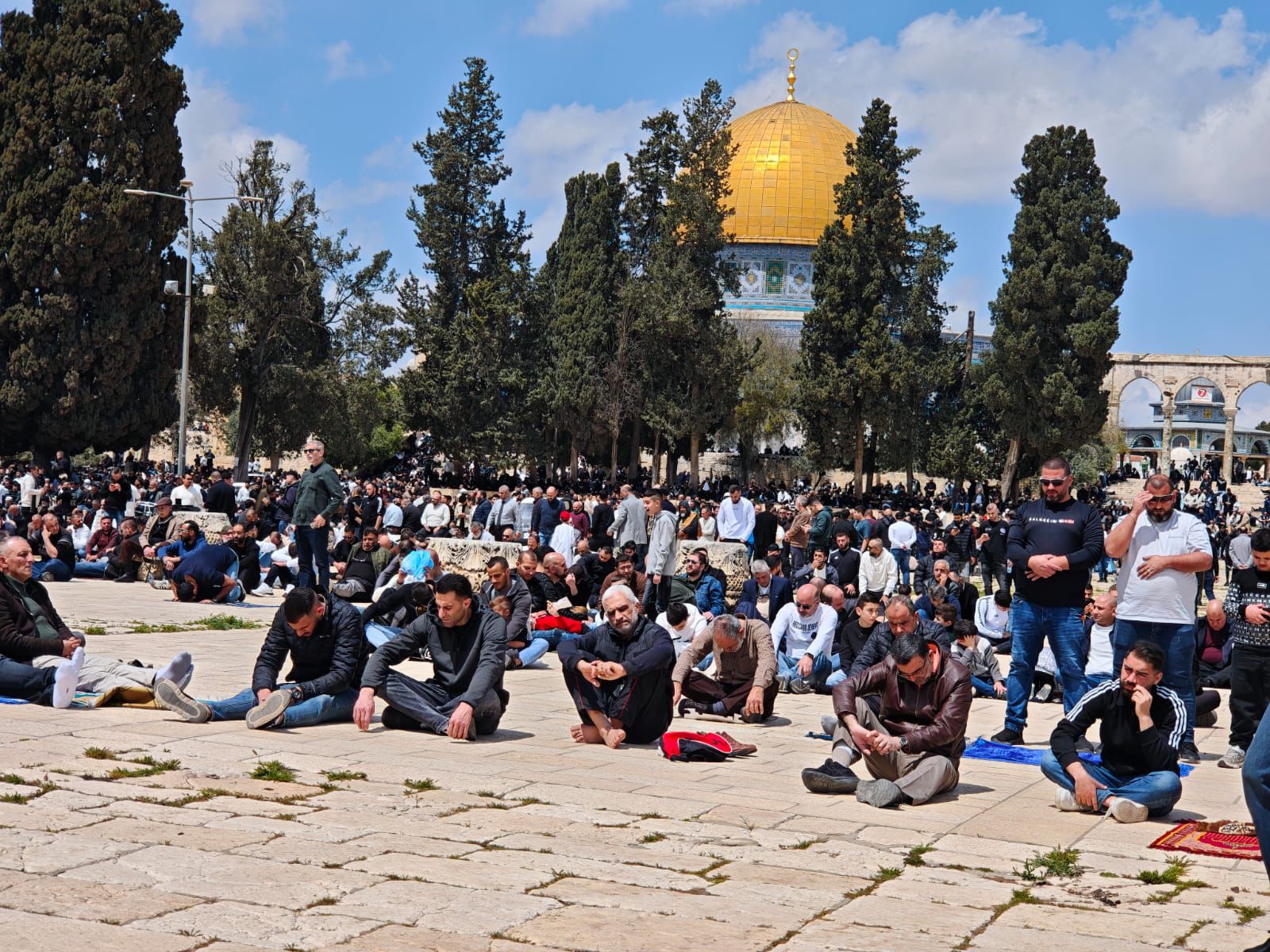
 Palestinian School Year Starts 6 September
‘No Need For Your Crocodile Tears’
Heba
- August 13, 2026
 Heba
Heba CrossFireArabia
 marwanmarwanHebaCrossFireArabiamarwanmarwanCrossFireArabiamarwanHebaCrossFireArabiaCrossFireArabiaCrossFireArabiaHebamarwanCrossFireArabiamarwanHebaCrossFireArabiaHebamarwanmarwanCrossFireArabiamarwanmarwanmarwanmarwanmarwanmarwanmarwanmarwanmarwanCrossFireArabiaCrossFireArabiamarwanmarwanCrossFireArabiaCrossFireArabiamarwanCrossFireArabiamarwanHebaHebamarwanmarwanCrossFireArabiamarwanmarwanmarwanmarwanCrossFireArabiaCrossFireArabiamarwanmarwanmarwanCrossFireArabiamarwanmarwanmarwanmarwanmarwanCrossFireArabiamarwanmarwanmarwanmarwanCrossFireArabiamarwanmarwanmarwanmarwanmarwanmarwanCrossFireArabia
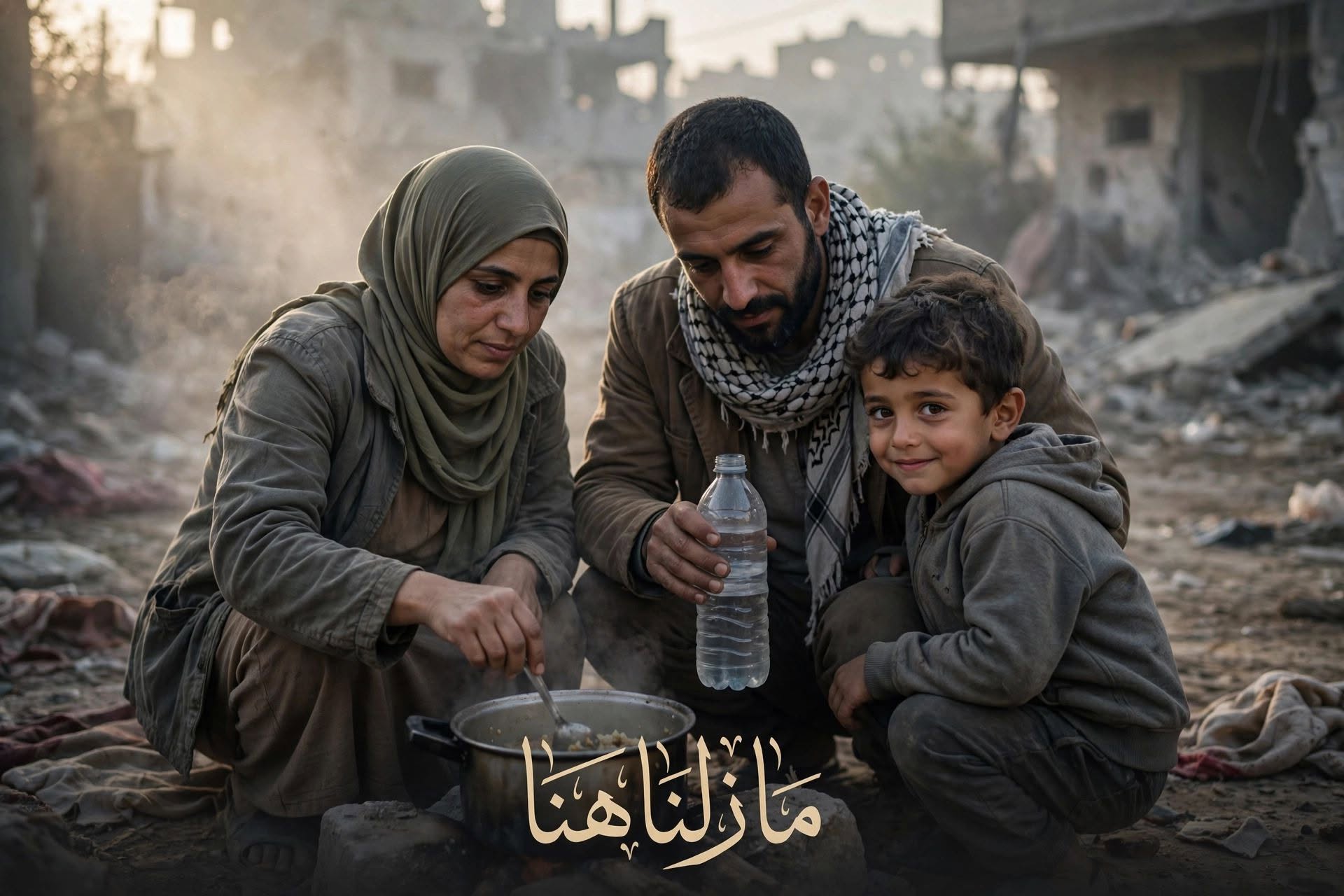
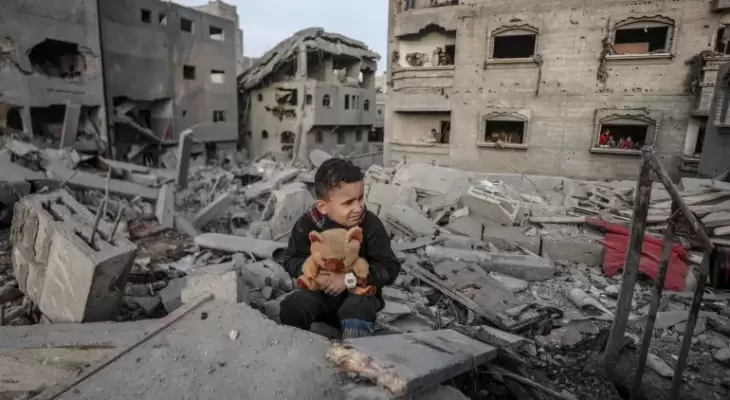
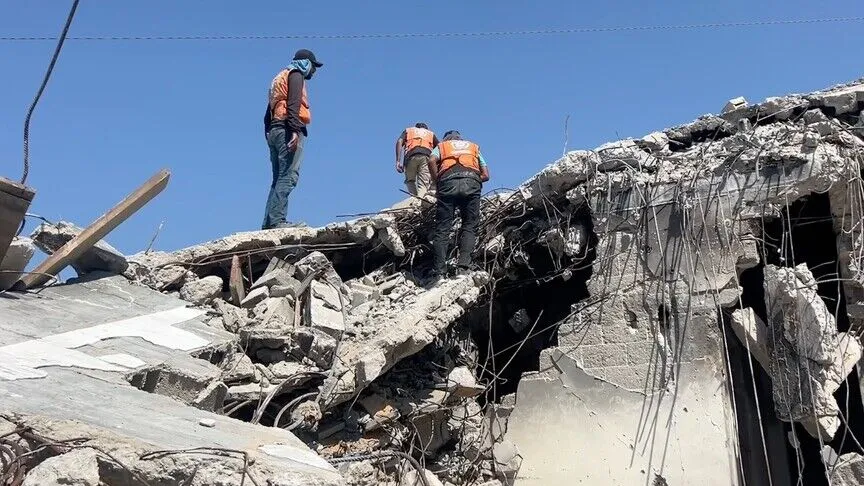
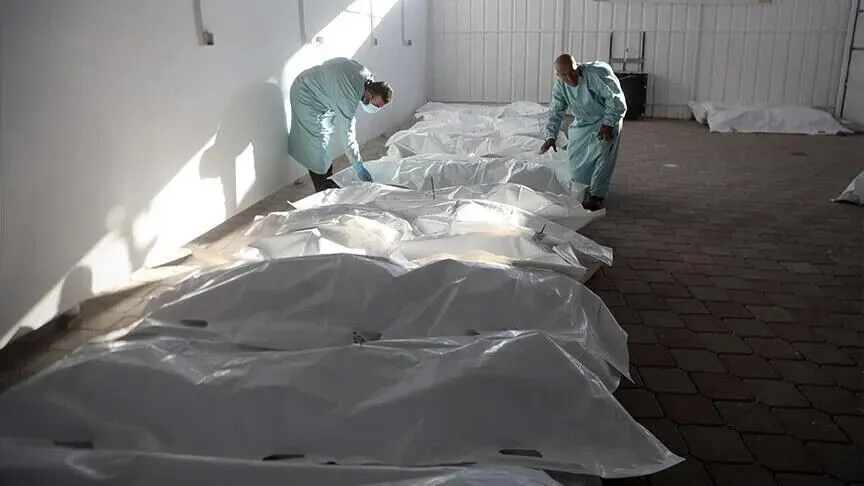
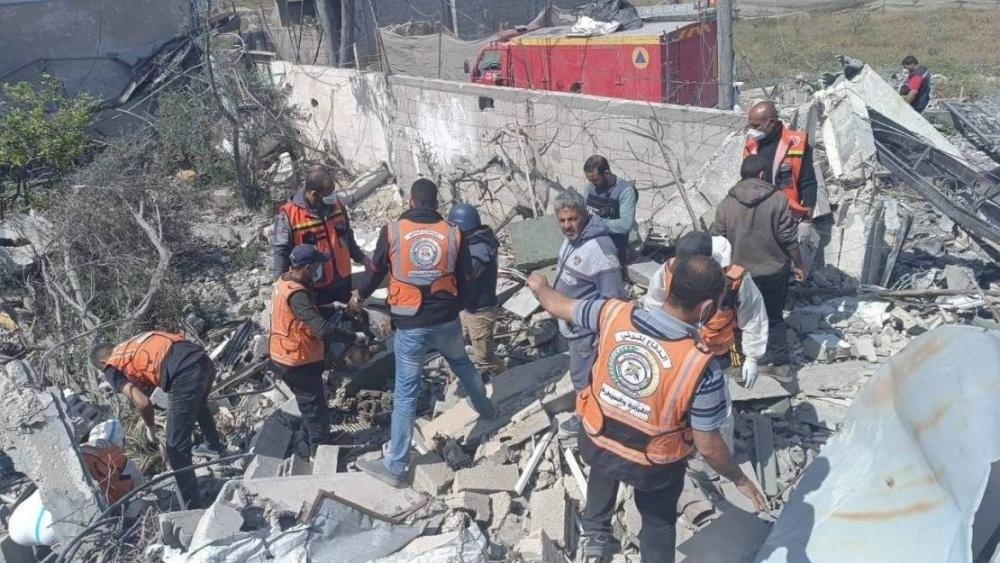
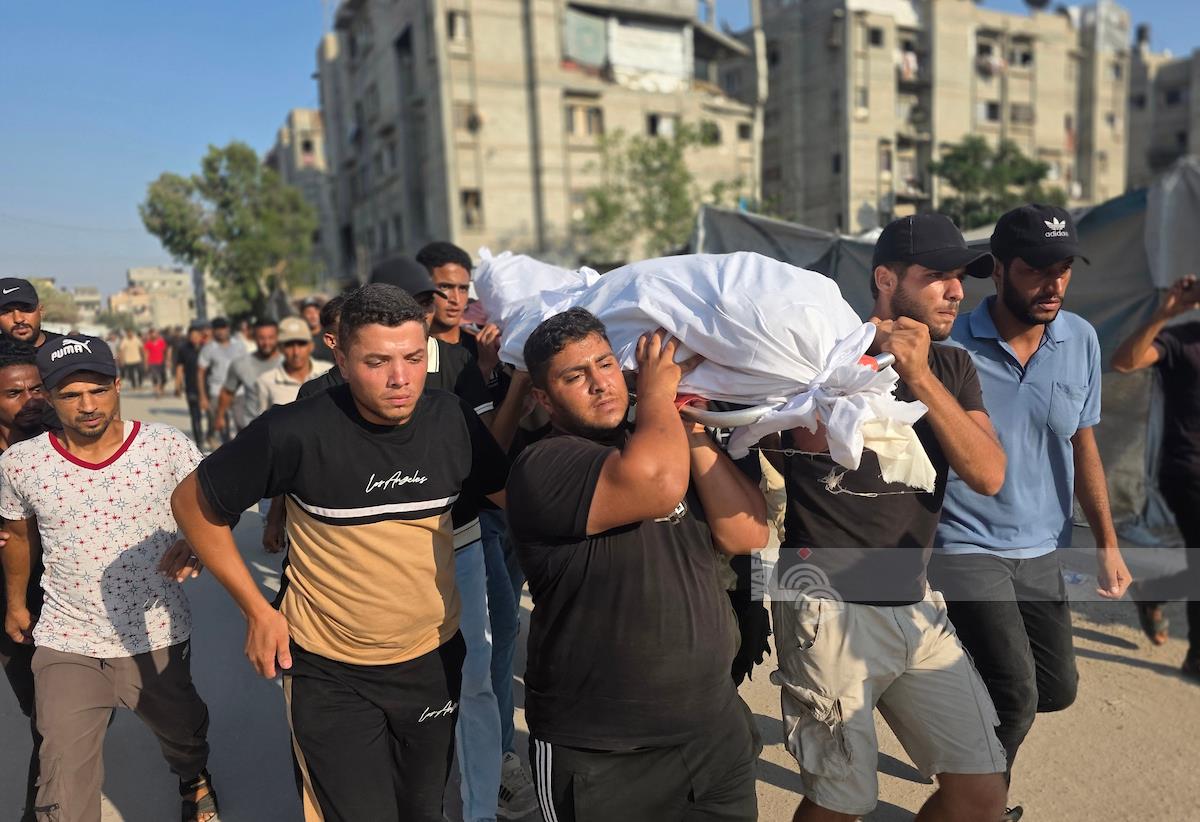
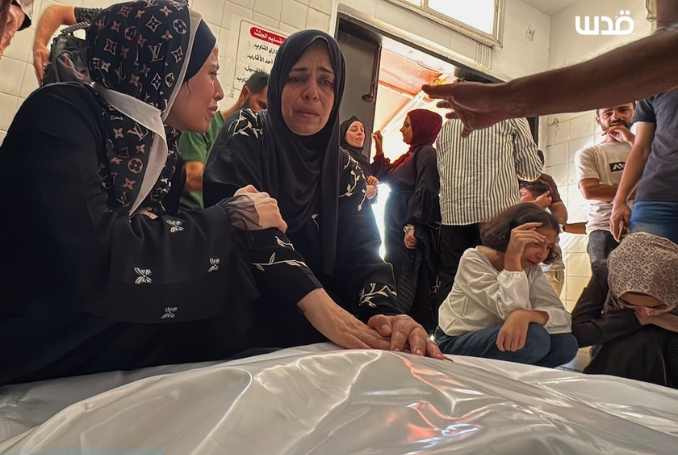
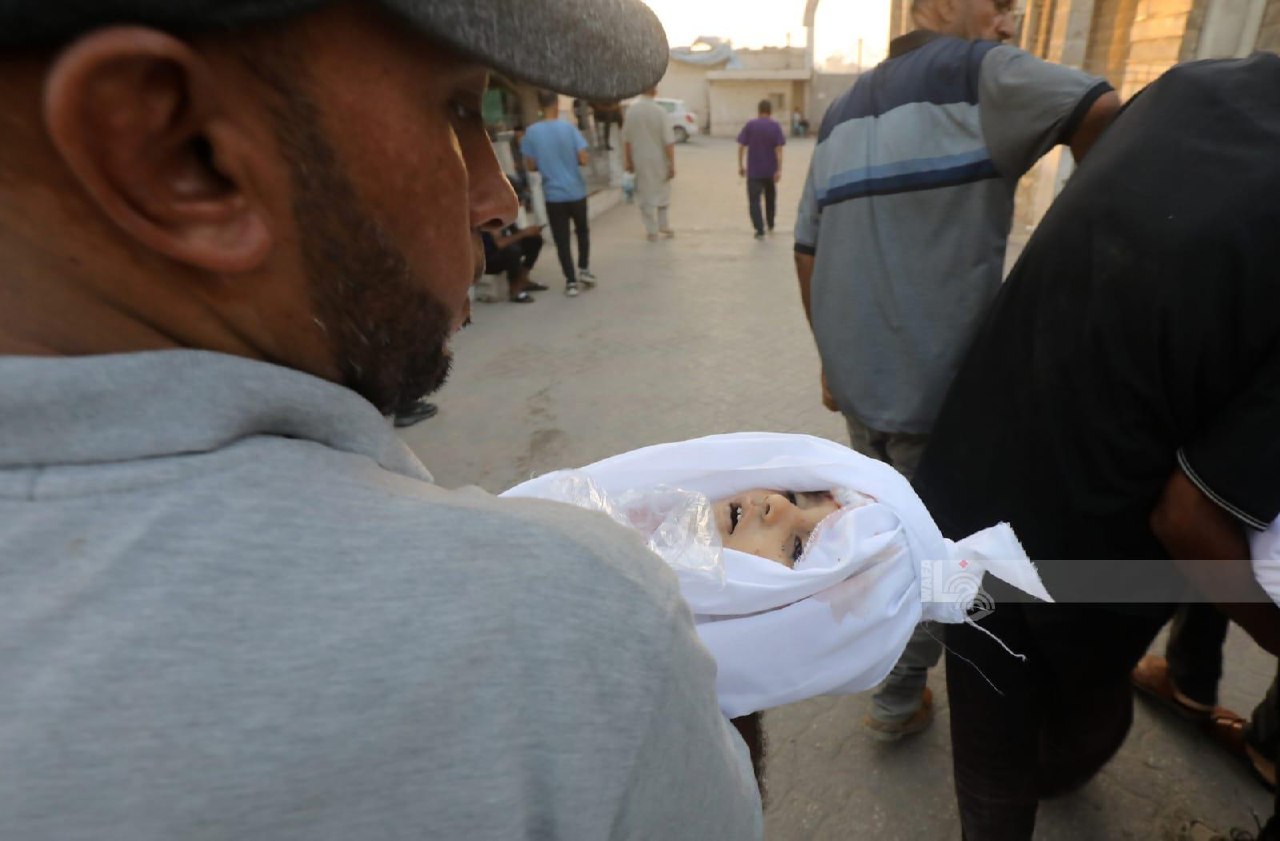
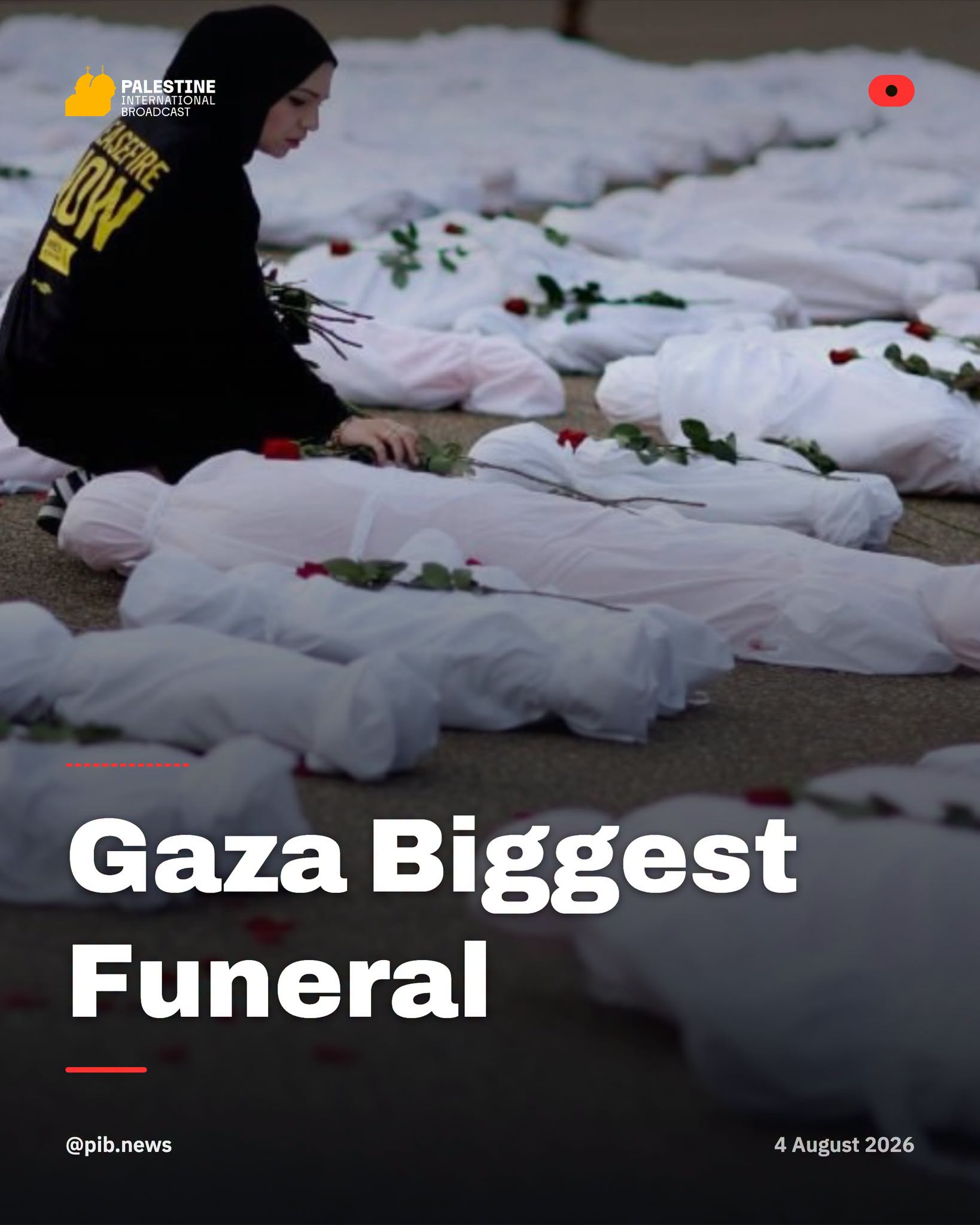
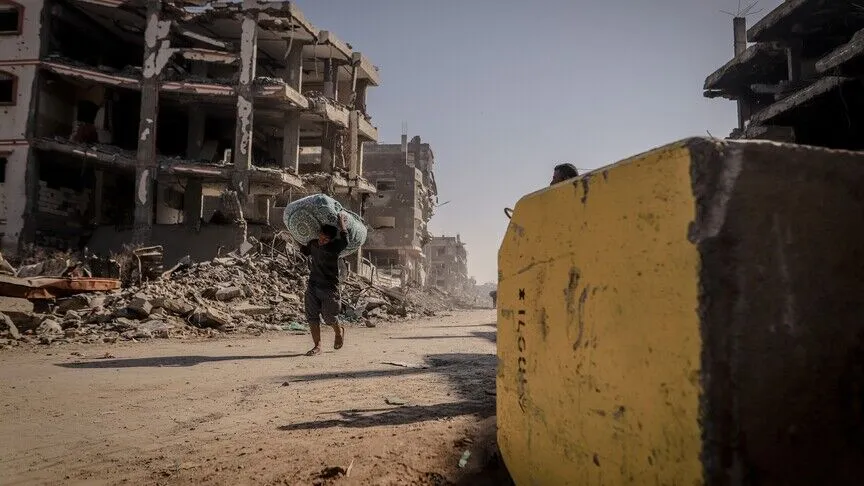
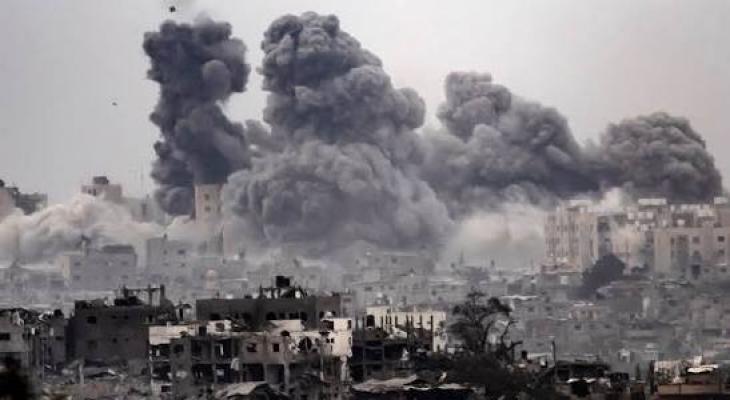
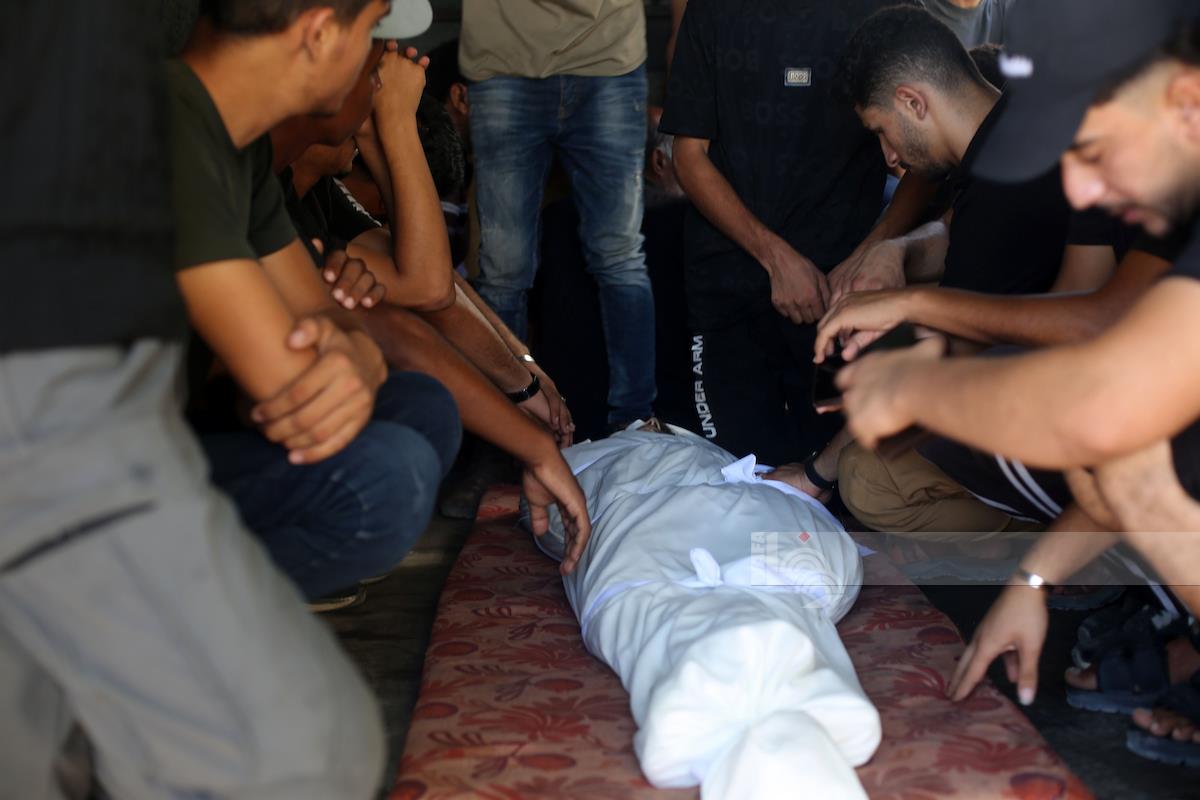
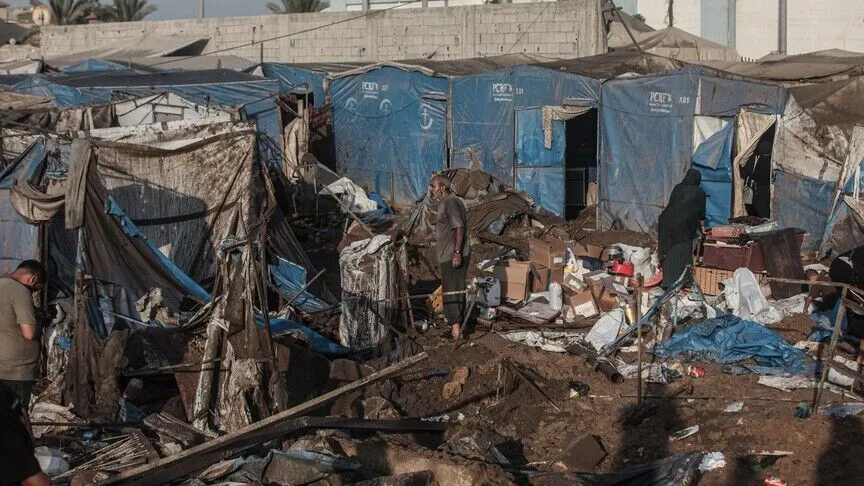
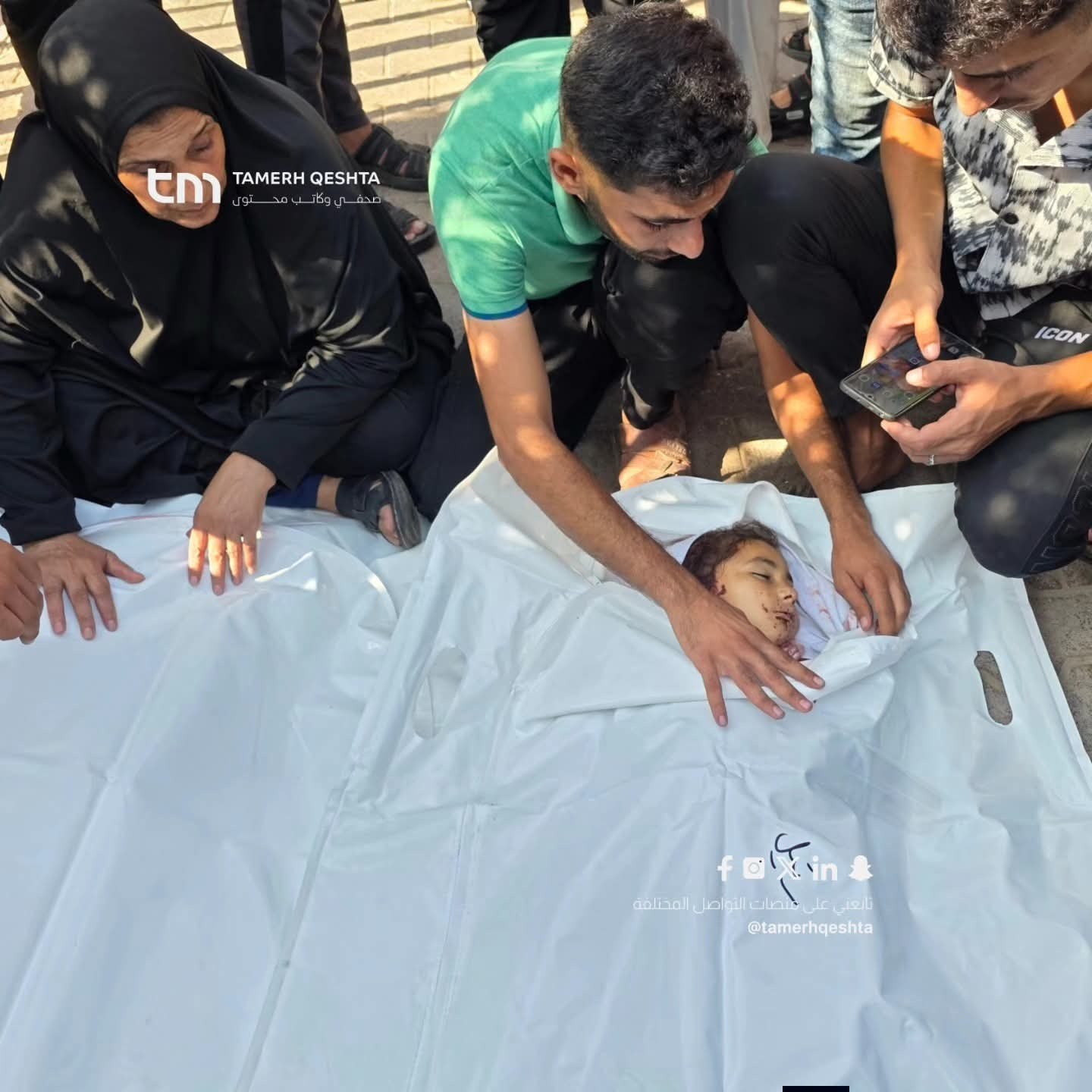
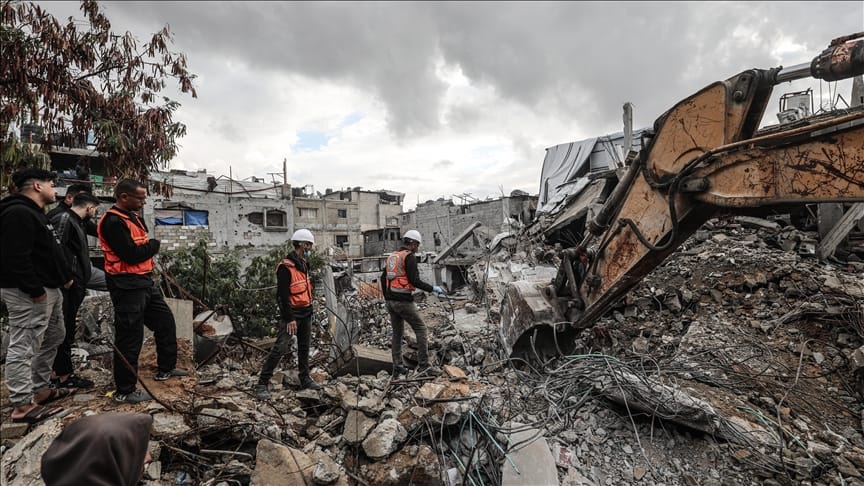
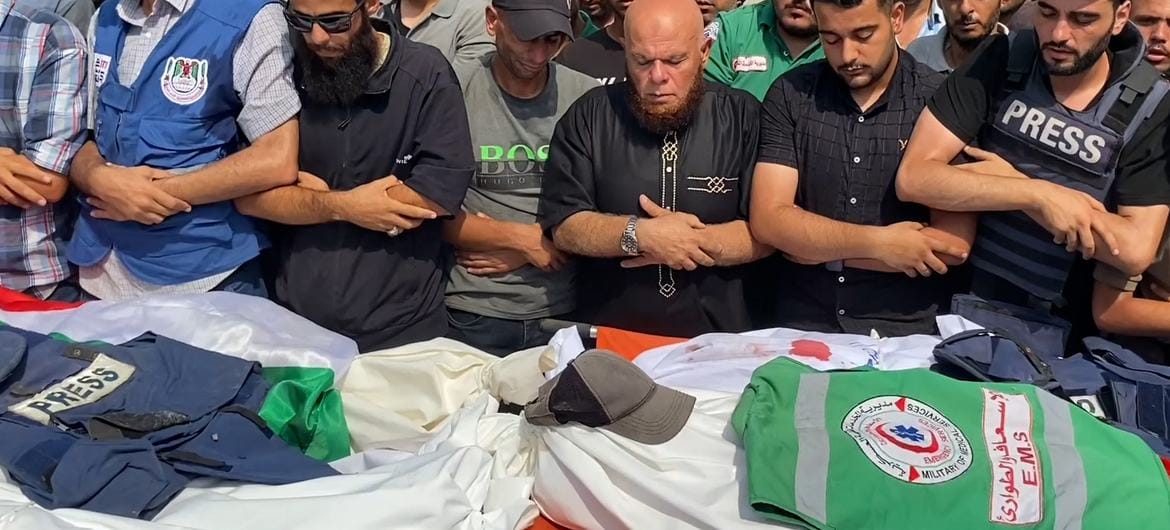
Civil defense teams retrieved the bodies of 30 victims from the same family on Tuesday from the rubble of their house in western Gaza City.
The victims were members of the Salem family, who were killed Dec. 19, 2023, in an Israeli airstrike on their house in the al-Rimal neighborhood in Gaza City, the Civil Defense said in a statement.
Sixty family members are believed to have been killed in the attack.
The house was the first site included in an organized campaign launched by the Civil Defense to search for thousands of Palestinians believed to be trapped under the rubble of destroyed buildings in the Gaza Strip according to Anadolu.
Search operations will continue using limited equipment, including an excavator, to recover the bodies from the rubble, said the agency.
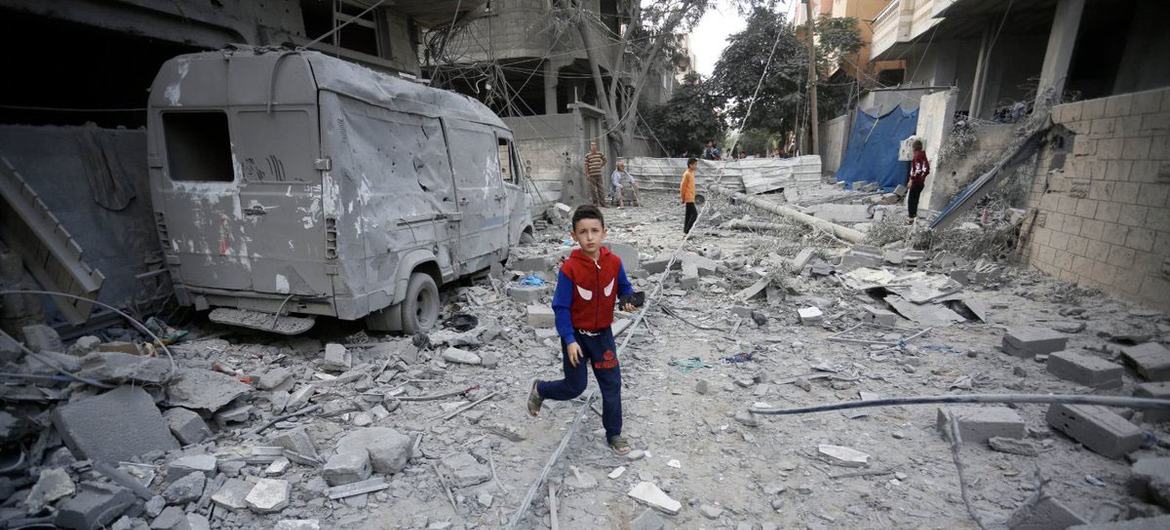
Israel occupies more than half of Gaza and continues to target Palestinians in other areas outside its control, according to Palestinian authorities.
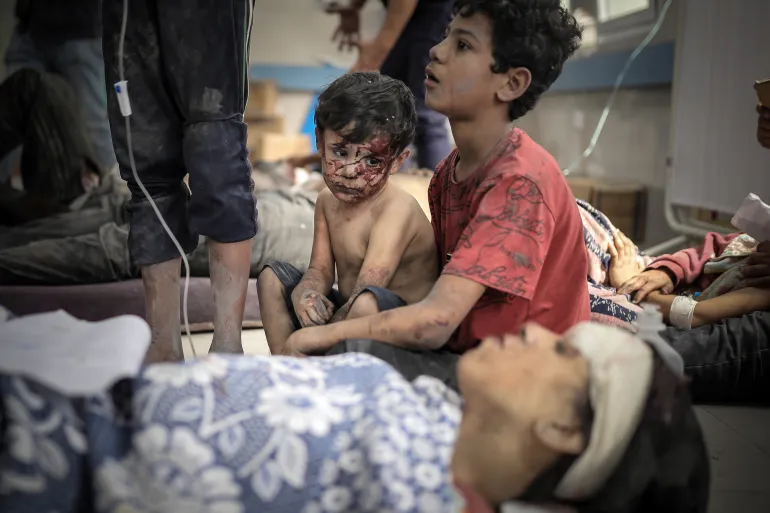
Israel has killed nearly 70,700 victims, mostly women and children, and injured more than 171,000 in Gaza since October 2023, and reduced the enclave to rubble.
CrossFireArabia
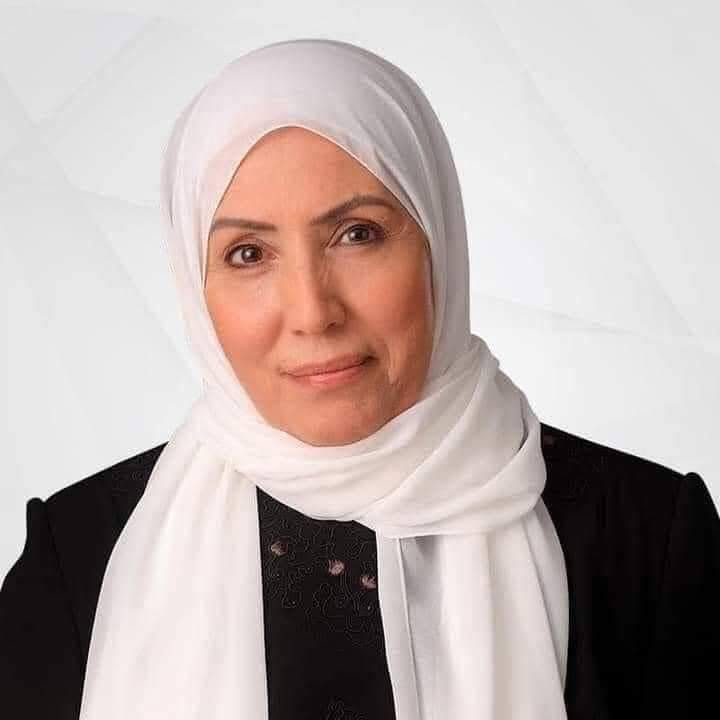
Palestinian architect Dr. Suad Amiry won the “Arab Geniuses 2025” Award, held in Dubai, in the Architecture and Design category. The award underscores that architecture embodies the identity of peoples and serves as a record of their history, and that preserving architectural heritage is a civilizational duty that reflects a nation’s respect for its history and future.
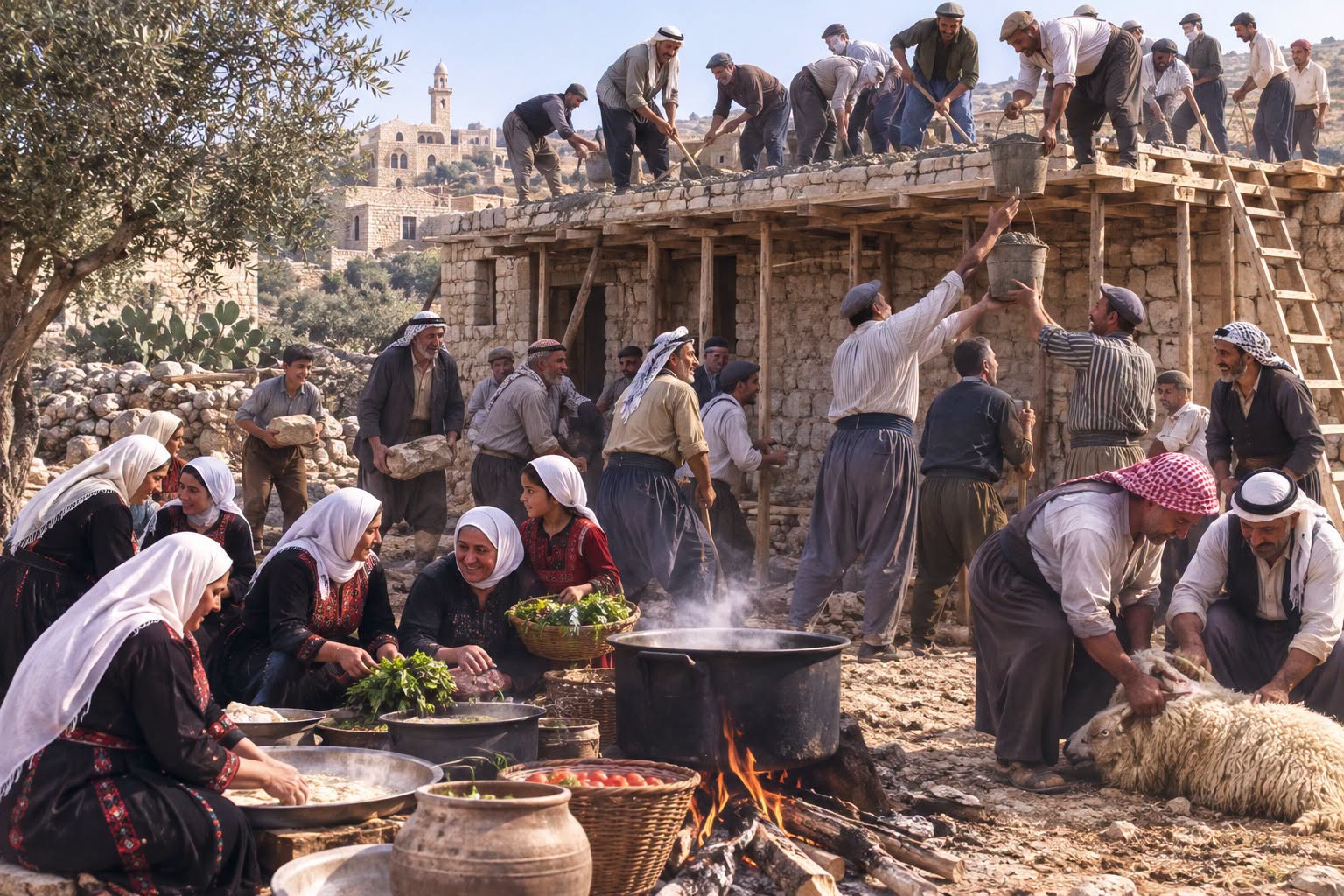
Dr. Suad Amiry, founder of the Riwaq Center for Architectural Heritage in Palestine, has made pioneering contributions to preserving Palestinian architectural heritage, restoring historical buildings, and repurposing them in ways that enhance architectural identity. She also participated in one of the largest architectural documentation projects in Palestine, resulting in a register of more than 50,000 historical buildings and the revitalization of 50 historical centers. Furthermore, she has involved local residents and artisans in village restoration projects, utilizing traditional building materials.
CrossFireArabia
An old 1967 photo of a Palestinian woman from Jericho holding a water canister on top of her head in Jericho.
CrossFireArabia
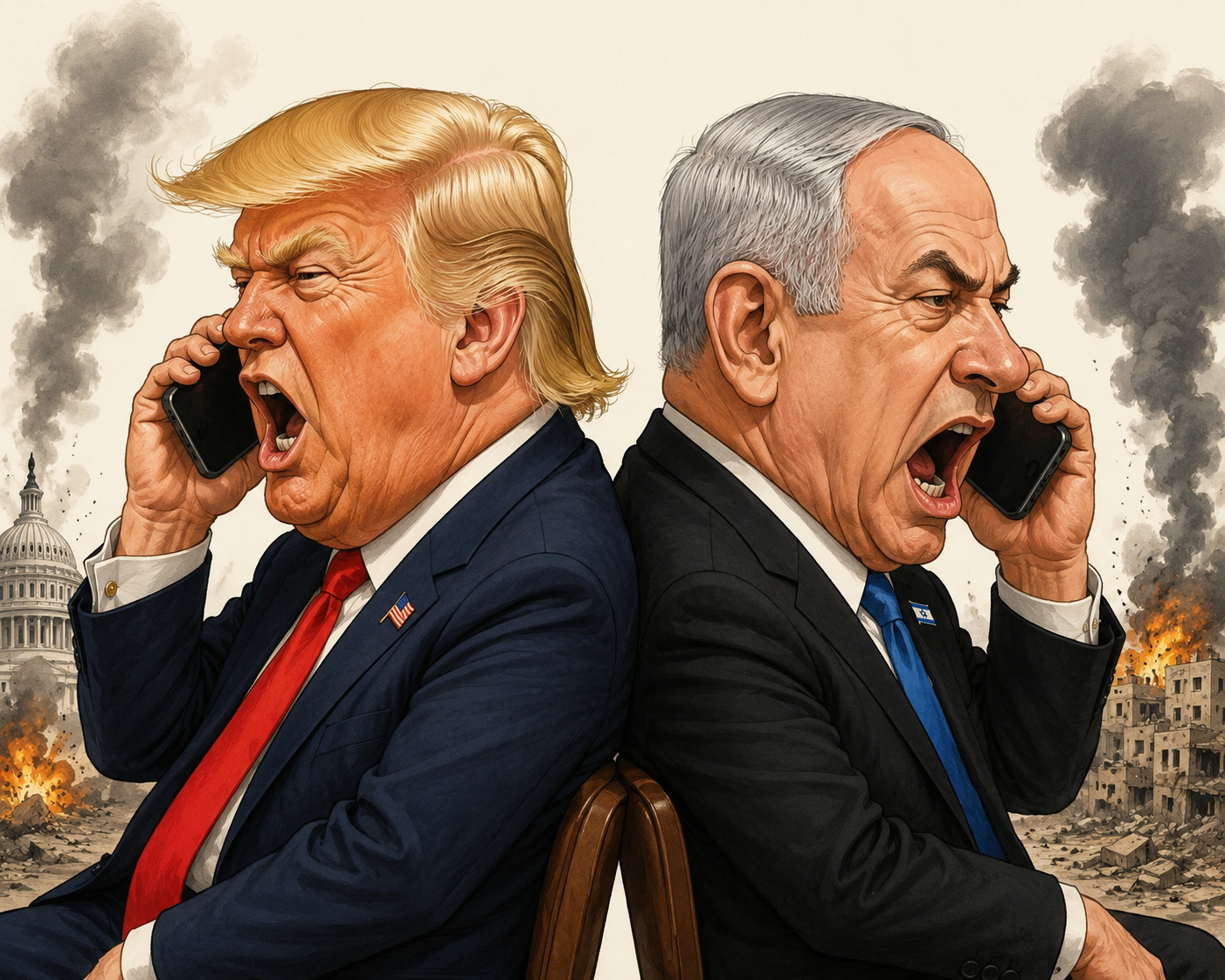
The White House views Israel’s assassination of Al-Qassam leader, Raed Saad, as a violation of the Gaza ceasefire brokered by US President Donald Trump, two US officials told Axios.
The officials said the White House sent a stern private message to Israeli Prime Minister Benjamin Netanyahu after the strike.
Israel murdered Raed Saad on Saturday in Gaza City. Israel calls Saad the deputy commander of Hamas’ military wing. The attack murdered four people in total.
US officials said Israel did not notify or consult Washington before the strike.
“The White House message to Netanyahu was clear,” a senior US official said. “If you want to ruin your reputation and show you do not abide by agreements, be our guest. But we will not allow you to ruin President Trump’s reputation after he brokered the Gaza deal.”
An Israeli official confirmed that the White House expressed anger. The official claimed the message was softer and cited concerns from “certain Arab countries.” US officials rejected that account and said the White House was unequivocal that Israel violated the ceasefire.
The development comes as Israel continues to reject moving to the second phase of Trump’s ceasefire agreement to end the genocide in Gaza.
Israeli media reported ongoing resistance inside Netanyahu’s government to advancing the next phase. An Israeli security source told the public broadcaster that implementing the second phase “remains far from achievable.”
Netanyahu is expected to meet President Trump at Mar-a-Lago on December 29.
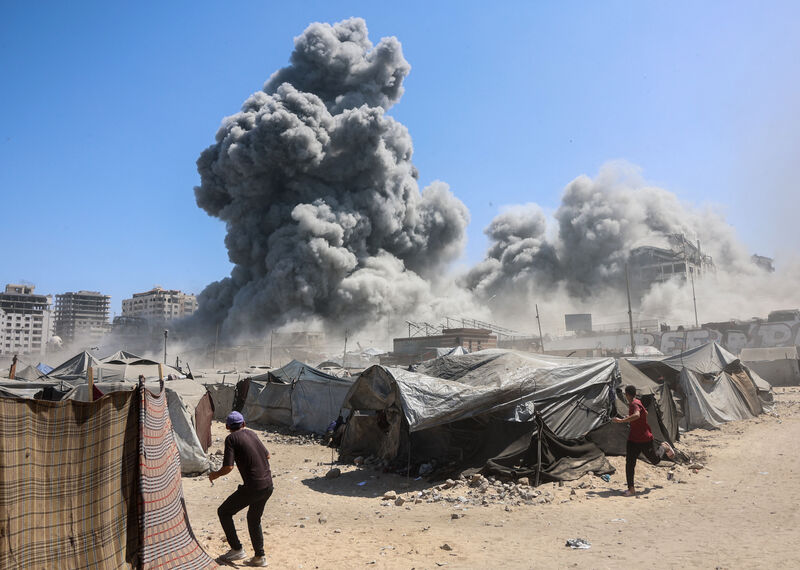
Meanwhile, Israeli forces continued daily ceasefire violations on Monday. Naval boats opened heavy fire toward Gaza’s coast. Israeli aircraft launched an airstrike alongside intense artillery shelling east of Khan Younis. Artillery fire also hit areas east of al-Bureij refugee camp in central Gaza.
Hamas condemned the Israeli violations and called on mediators and guarantor states to intervene. The movement said Israel seeks to undermine and sabotage the agreement.
Hamas leader Khalil al-Hayya reaffirmed commitment to the ceasefire in a recorded speech marking the movement’s 38th anniversary. He said starting the second phase is a top priority to secure full Israeli withdrawal.
Al-Hayya said any international forces in Gaza should focus only on maintaining the ceasefire and separating the two sides at Gaza’s borders. He stressed that resistance and its weapons remain a legitimate right under international law and are tied to establishing a Palestinian state.
Al-Qassam Brigades said Israel’s assassination of Saad represents a blatant breach of the ceasefire. The group said Israel crossed all red lines by targeting its leaders and civilians and by continuing military aggression.
Al-Qassam said Israel is disregarding President Trump’s plan and held him and the mediators responsible. The group affirmed its right to respond and defend itself by all means.
The first phase of the Gaza ceasefire began on October 10 after two years of Israeli genocide that killed more than 70,000 Palestinians and destroyed most civilian infrastructure.
Despite the agreement, Israel continues airstrikes, alters the agreed withdrawal line known as the Yellow Line, and restricts vital humanitarian aid to Gaza’s population according to the Quds News Network.
CrossFireArabia
By the end of December, Israeli Prime Minister Benjamin Netanyahu is expected to visit Washington to meet US President Donald Trump, marking his fourth visit in less than a year since Trump assumed office. Unlike previous visits, this one comes after President Trump imposed his vision for ending the war in Gaza and outlined his broader concept of regional peace—giving the visit a distinctly political dimension.
At the core of the discussions will be the transition to the second phase of the Gaza ceasefire agreement, the appointment of an American general and a monitoring center, and the mechanism for administering Gaza ahead of the arrival of an international peace force. The visit is also expected to address Israel’s relations with its regional surroundings, particularly Egypt. Reports suggest the possibility of a simultaneous visit by the Egyptian president to Washington, reflecting a clear American desire to initiate direct engagement and promote the concept of “economic peace,” along with major regional projects that Trump views as the backbone of future relations, especially in the energy and gas sectors.
Yet even as President Trump speaks of a regional peace vision, the days preceding the visit remain open to further escalation. Indicators point toward a qualitative Israeli escalation across four fronts: Gaza, the West Bank, Lebanon, and Syria. These fronts have been deliberately kept open, transformed into continuous theaters of operation where Israel calibrates the level of military activity according to its security assessments.
Lebanon remains the most prominent arena of this escalation. Ongoing discussions about Hezbollah’s efforts to rebuild its capabilities coincide with Israel’s continued direct targeting of the group’s positions and operatives. This comes amid growing American pressure on the Lebanese government and army to take concrete steps toward disarming Hezbollah.
While the group is fully aware of its inability to engage in a comprehensive regional war, and the need to avoid providing direct justifications for escalation, it nevertheless finds itself compelled to use the weapons issue domestically to reshape internal power balances. At the same time, Hezbollah seeks to secure the future framework of its relationship with Syria, particularly if the Syrian-Lebanese border shifts from being merely a site of interdiction to a direct target zone.
This reality severely constrains Hizbollah’s response options while granting Israel continued latitude to strike the group’s infrastructure, capitalising on the absence of a decisive resolution to the weapons issue and on Lebanon’s institutional confusion over how to address it, whether through phased timelines or alternative formulas such as placing weapons under army control. From Israel’s perspective, this ambiguity justifies continued targeting until a decisive moment is reached.
Within this context, Israel’s strategy of imposing a new reality across its border fronts aligns closely with the transition to the second phase of President Trump’s plan. This approach corresponds with Israel’s efforts over the past two years to redraw geographical and security realities in Syria, Gaza, Lebanon, and even the West Bank. While the Trump administration opposed a formal declaration of annexation in the West Bank, it did not object in practice to Israel’s on-the-ground measures, allowing these changes to solidify as irreversible facts.
Security measures taken today may therefore establish realities that will be difficult to reverse in the future. From Washington’s perspective, redrawing borders may be seen as laying the groundwork for what it terms “regional peace,” treating the new border realities as spaces for potential economic or developmental investment.
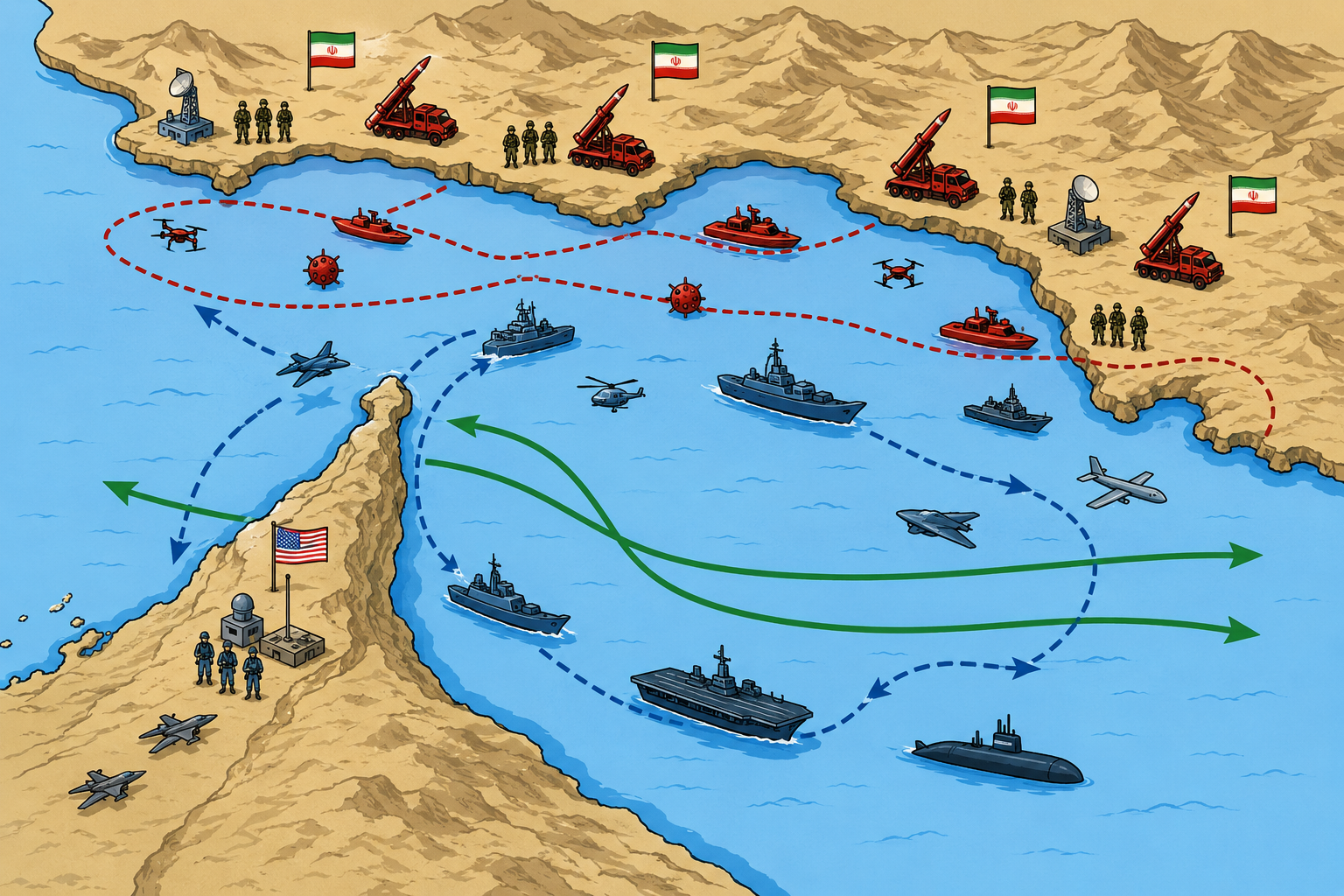
Netanyahu’s visit to the White House thus represents a pivotal moment. He will seek to position himself as a central actor in the next phase, consolidate new realities along Israel’s immediate borders, and secure U.S. backing in addressing non-adjacent fronts, most notably Iraq, and above all Iran.
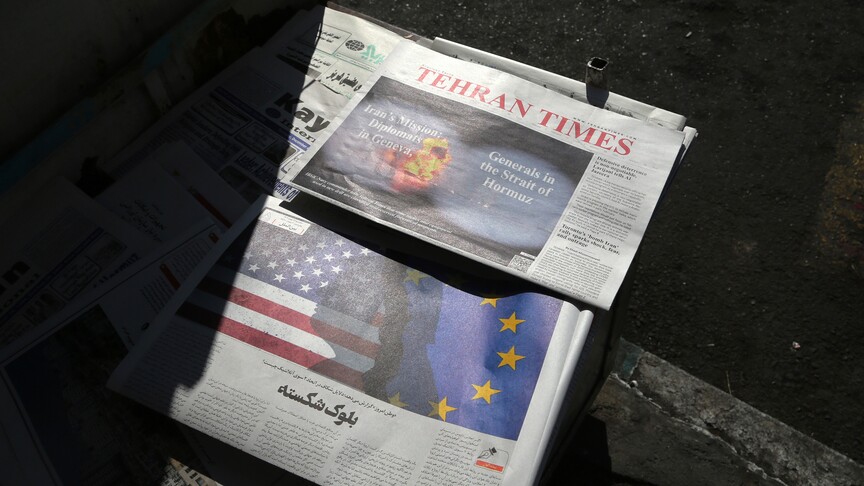
Iran is left to grapple with an increasingly severe internal reality marked by mounting economic, social, service-related, and security challenges, and is simultaneously categorized as part of the camp of “obstructors of regional peace” in Trump’s framework, opening the door to intensified pressure and varied forms of targeting in the period ahead.
Dr Amer Al Sabaileh, a professor in the University of Jordan contributed this analysis to the Jordan Times.