The Israeli army’s spraying of chemical substances over vast agricultural areas in southern Lebanon and Syria is deeply alarming. The deliberate targeting of civilian farmland violates international humanitarian law, particularly the prohibition on attacking or destroying objects indispensable to civilian survival. Large-scale destruction of private property without specific military necessity amounts to a war crime and undermines food security and basic livelihoods in the affected areas.
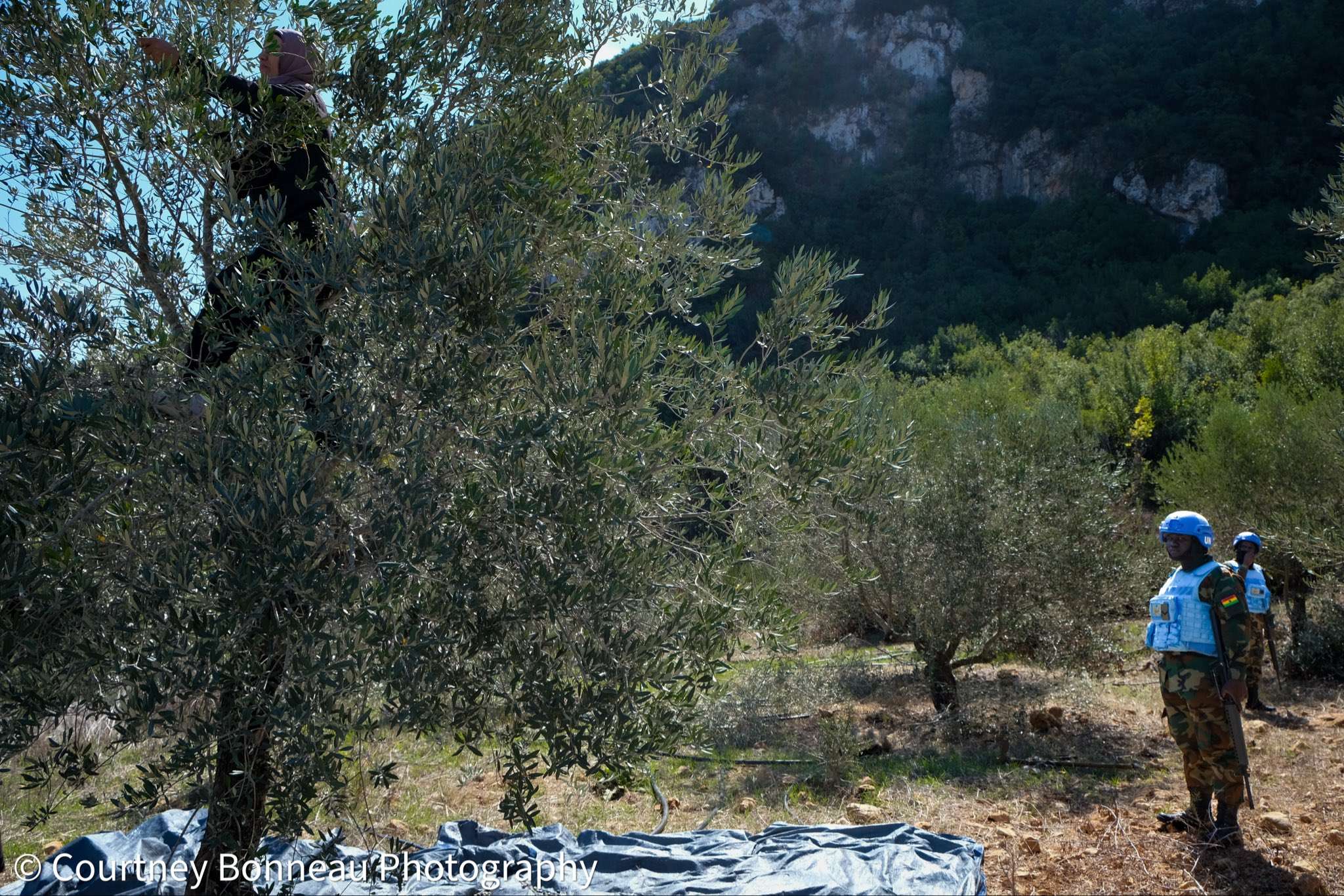
On the morning of Sunday, 1 February 2026, the United Nations Interim Force in Lebanon (UNIFIL) received notice from the Israeli army of planned aerial activity near the Blue Line and was asked to remain inside shelters. The alert disrupted the mission, leading to the cancellation of more than 10 field activities and the suspension of routine patrols along one-third of the line for over nine hours.
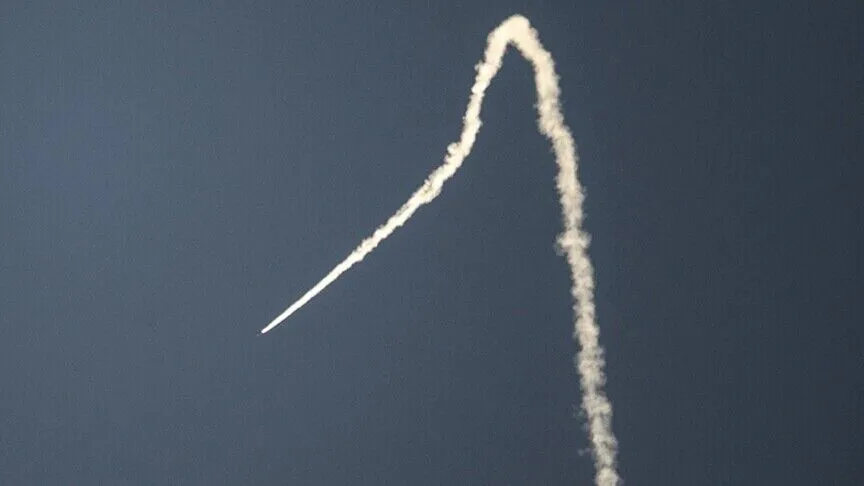
During the period in which international forces were forced to remain inactive, Euro-Med Human Rights Monitor documented Israeli aircraft spraying chemical substances over extensive agricultural areas, particularly in the town of Ayta ash-Shaab and its vicinity in southern Lebanon. This raises the risk of consequences beyond immediate crop damage, posing a serious threat to the rights to health and a safe environment through potential long-term contamination of soil and water resources.
The announcement by Lebanese Environment Minister Tamara Elzein that specialised teams had been dispatched to collect samples from the targeted sites for laboratory analysis reflects official concern about the possible use of internationally prohibited or highly toxic substances.
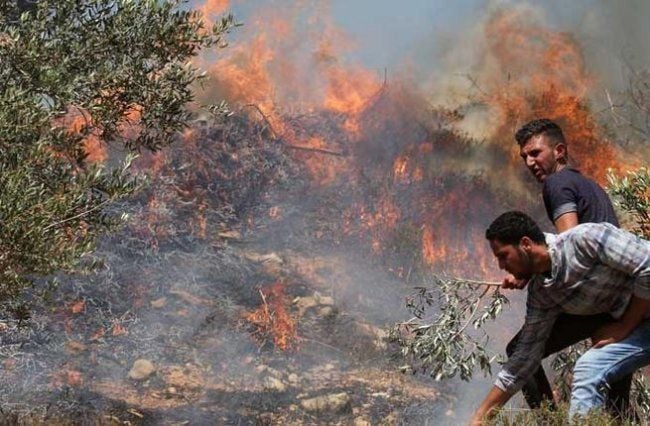
This incident cannot be viewed in isolation from the scorched-earth policy pursued by the Israeli army. It forms part of a pattern of systematic destruction of agricultural land, including the burning of approximately 9,000 hectares during recent military operations using white phosphorus and incendiary munitions.
The deliberate targeting of the means of life violates the laws of war and appears intended to undermine the living security of residents in the south and render their areas uninhabitable, thereby forcibly displacing them.
Euro-Med Monitor also documented Israeli aircraft spraying pesticides of unknown composition over farmland in the countryside of Quneitra in southern Syria on Monday and Tuesday, 26 and 27 January 2026. The direct targeting of civilian objects caused widespread crop destruction, posing a serious threat to economic and food security and violating farmers’ rights to work and to an adequate standard of living by destroying their primary sources of income without military justification.
The breach of territorial sovereignty and cross-border targeting of agricultural land constitute violations of the United Nations Charter and the principles of international law. The use of chemical substances of unknown composition, given their destructive effects on vegetation and their direct threat to public health, constitutes a grave breach of international humanitarian law, which prohibits methods or means of warfare that cause indiscriminate harm, unnecessary suffering, or widespread, long-term damage to the natural environment.
Such practices expose their perpetrators to international criminal accountability. Under Article 8 of the Rome Statute of the International Criminal Court, intentionally attacking civilian objects or destroying property without imperative military necessity constitutes a war crime. The use of chemical substances to devastate agricultural land satisfies the material elements of these crimes by inflicting widespread, long-term harm on the natural environment and the foundations of civilian life.
This conduct reflects a systematic operational pattern long implemented by Israel in border areas east and north of the Gaza Strip, where aerial spraying of lethal chemicals has been used to enforce buffer zones by destroying vegetation and dismantling the food basket, despite repeated international warnings about the catastrophic consequences for food security and public health.
Euro-Med Monitor previously documented similar attacks through a comprehensive evidentiary archive supported by laboratory analyses and expert testimony. The findings showed that the substances used were not conventional pesticides but highly toxic chemical compounds with destructive effects that are difficult to contain. The harm extended beyond seasonal crop loss to long-term contamination of soil and groundwater, damage to livestock, and the dismantling of environmental infrastructure, rendering the restoration of agricultural activity nearly impossible. Such conduct constitutes a compounded violation that strikes at the core of the rights to life and to a healthy environment.
Read within the broader context of continued military targeting of agricultural land with various munitions, these incidents reveal a systematic policy of destruction that exceeds any legitimate military objective. The approach appears intended to render agricultural areas uninhabitable by dismantling economic infrastructure and depriving residents of their fundamental means of livelihood. It amounts to collective punishment prohibited under international law and constitutes an unlawful method of pressure designed to create a coercive environment that drives forced displacement by stripping populations of the means necessary for stability and survival.
The international community, particularly the United Nations, must act immediately by establishing an independent fact-finding mission to collect samples from affected soil and crops in southern Lebanon and the countryside of Quneitra, subject them to thorough laboratory analysis, determine the chemical composition of the substances used, assess their toxicity, and evaluate any potential violation of the Chemical Weapons Convention or relevant international environmental protocols, thereby removing doubt about the nature of this targeting.
States Parties to the Geneva Conventions whose national legislation permits the exercise of universal jurisdiction must fulfil their legal obligations by initiating criminal investigations and prosecuting Israeli officials responsible for ordering environmental destruction and the use of weapons with indiscriminate effects. Such acts constitute war crimes and grave breaches not subject to statutes of limitation and require the activation of individual accountability mechanisms against those responsible, wherever they may be found.
The UN Security Council must issue a binding resolution condemning the grave Israeli crimes and consider the obstruction of UNIFIL’s work and its forced withdrawal during the violations a flagrant breach of Resolution 1701. Euro-Med Monitor stresses the need to guarantee farmers and landowners the right to fair compensation for the economic and environmental losses they have sustained, and to obligate Israel, as the aggressor, to bear the costs of land rehabilitation and the remediation of any long-term ecological damage resulting from this contamination.
The Lebanese and Syrian governments should submit formal declarations to the Registry of the International Criminal Court (ICC) under Article 12(3) of the Rome Statute, thereby accepting the Court’s jurisdiction over crimes committed on their territories.
Euro-Med Monitor emphasises that this step is now an urgent necessity to halt the continued policy of impunity and enable the ICC Prosecutor to initiate independent investigations into Israel’s attacks on civilian objects as war crimes whose consequences transcend national borders and threaten human security across the region. The announcement by Lebanese Environment Minister Tamara Elzein that specialised teams had been dispatched to collect samples from the targeted sites for laboratory analysis reflects official concern about the possible use of internationally prohibited or highly toxic substances.
This incident cannot be viewed in isolation from the scorched-earth policy pursued by the Israeli army. It forms part of a pattern of systematic destruction of agricultural land, including the burning of approximately 9,000 hectares during recent military operations using white phosphorus and incendiary munitions.
The deliberate targeting of the means of life violates the laws of war and appears intended to undermine the living security of residents in the south and render their areas uninhabitable, thereby forcibly displacing them.
Euro-Med Monitor also documented Israeli aircraft spraying pesticides of unknown composition over farmland in the countryside of Quneitra in southern Syria on Monday and Tuesday, 26 and 27 January 2026. The direct targeting of civilian objects caused widespread crop destruction, posing a serious threat to economic and food security and violating farmers’ rights to work and to an adequate standard of living by destroying their primary sources of income without military justification.
The breach of territorial sovereignty and cross-border targeting of agricultural land constitute violations of the United Nations Charter and the principles of international law. The use of chemical substances of unknown composition, given their destructive effects on vegetation and their direct threat to public health, constitutes a grave breach of international humanitarian law, which prohibits methods or means of warfare that cause indiscriminate harm, unnecessary suffering, or widespread, long-term damage to the natural environment.
Such practices expose their perpetrators to international criminal accountability. Under Article 8 of the Rome Statute of the International Criminal Court, intentionally attacking civilian objects or destroying property without imperative military necessity constitutes a war crime. The use of chemical substances to devastate agricultural land satisfies the material elements of these crimes by inflicting widespread, long-term harm on the natural environment and the foundations of civilian life.
This conduct reflects a systematic operational pattern long implemented by Israel in border areas east and north of the Gaza Strip, where aerial spraying of lethal chemicals has been used to enforce buffer zones by destroying vegetation and dismantling the food basket, despite repeated international warnings about the catastrophic consequences for food security and public health.
Euro-Med Monitor previously documented similar attacks through a comprehensive evidentiary archive supported by laboratory analyses and expert testimony. The findings showed that the substances used were not conventional pesticides but highly toxic chemical compounds with destructive effects that are difficult to contain. The harm extended beyond seasonal crop loss to long-term contamination of soil and groundwater, damage to livestock, and the dismantling of environmental infrastructure, rendering the restoration of agricultural activity nearly impossible. Such conduct constitutes a compounded violation that strikes at the core of the rights to life and to a healthy environment.
Read within the broader context of continued military targeting of agricultural land with various munitions, these incidents reveal a systematic policy of destruction that exceeds any legitimate military objective. The approach appears intended to render agricultural areas uninhabitable by dismantling economic infrastructure and depriving residents of their fundamental means of livelihood. It amounts to collective punishment prohibited under international law and constitutes an unlawful method of pressure designed to create a coercive environment that drives forced displacement by stripping populations of the means necessary for stability and survival.
The international community, particularly the United Nations, must act immediately by establishing an independent fact-finding mission to collect samples from affected soil and crops in southern Lebanon and the countryside of Quneitra, subject them to thorough laboratory analysis, determine the chemical composition of the substances used, assess their toxicity, and evaluate any potential violation of the Chemical Weapons Convention or relevant international environmental protocols, thereby removing doubt about the nature of this targeting.
States Parties to the Geneva Conventions whose national legislation permits the exercise of universal jurisdiction must fulfil their legal obligations by initiating criminal investigations and prosecuting Israeli officials responsible for ordering environmental destruction and the use of weapons with indiscriminate effects. Such acts constitute war crimes and grave breaches not subject to statutes of limitation and require the activation of individual accountability mechanisms against those responsible, wherever they may be found.
The UN Security Council must issue a binding resolution condemning the grave Israeli crimes and consider the obstruction of UNIFIL’s work and its forced withdrawal during the violations a flagrant breach of Resolution 1701. Euro-Med Monitor stresses the need to guarantee farmers and landowners the right to fair compensation for the economic and environmental losses they have sustained, and to obligate Israel, as the aggressor, to bear the costs of land rehabilitation and the remediation of any long-term ecological damage resulting from this contamination.
The Lebanese and Syrian governments should submit formal declarations to the Registry of the International Criminal Court (ICC) under Article 12(3) of the Rome Statute, thereby accepting the Court’s jurisdiction over crimes committed on their territories.
Euro-Med Monitor emphasises that this step is now an urgent necessity to halt the continued policy of impunity and enable the ICC Prosecutor to initiate independent investigations into Israel’s attacks on civilian objects as war crimes whose consequences transcend national borders and threaten human security across the region. Euro-Med Monitor

 Oliver Stone: Israel’s Policy on Palestine Will be Judge by History as One of The Darkest…
 Gaza: No Trucks, No Aid, Israeli-style
 Israeli Holds 1700 Palestinian Remains For Bargaining
 View of The Abu Taha Family in Yafa, 1940
 Mojtaba Khamenei in ‘Full Physical Health’





 marwan






 Heba
Heba



























 Saleem Ayoub Quna









 CrossFireArabia