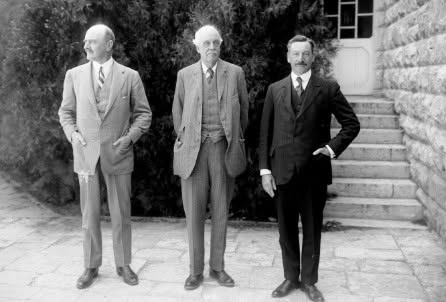
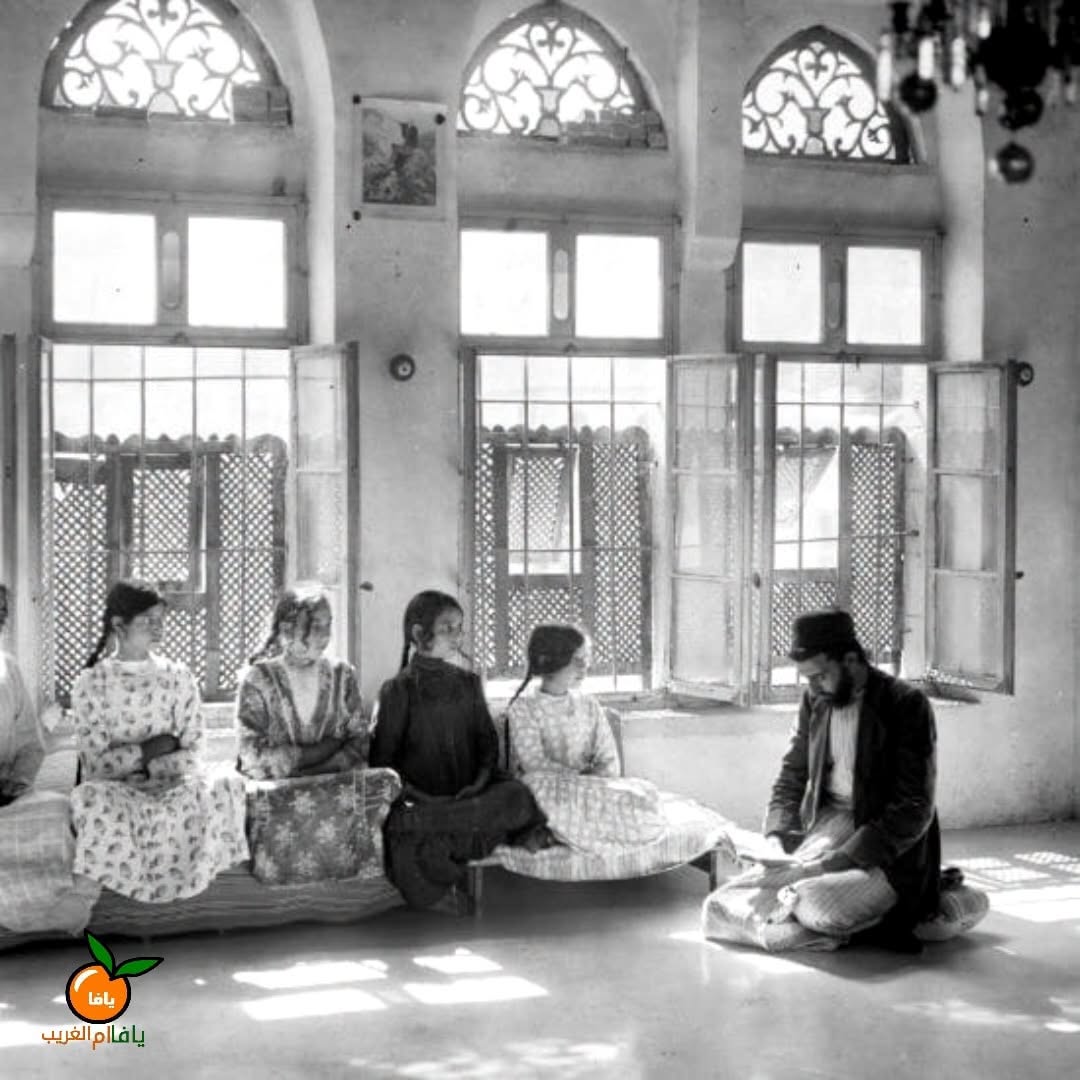
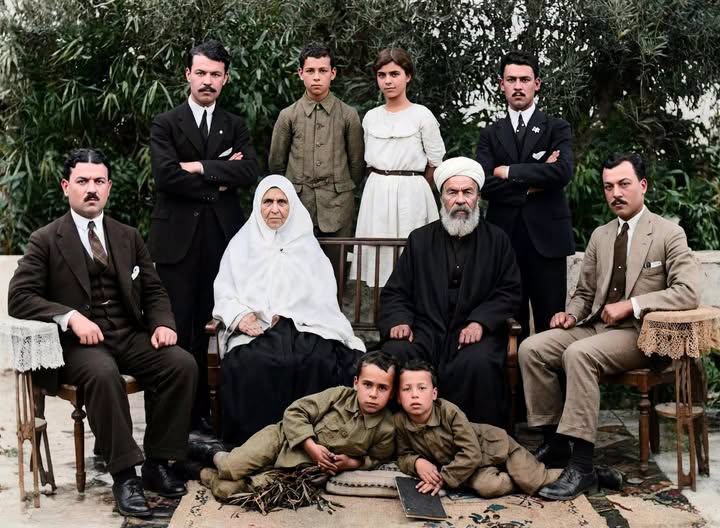
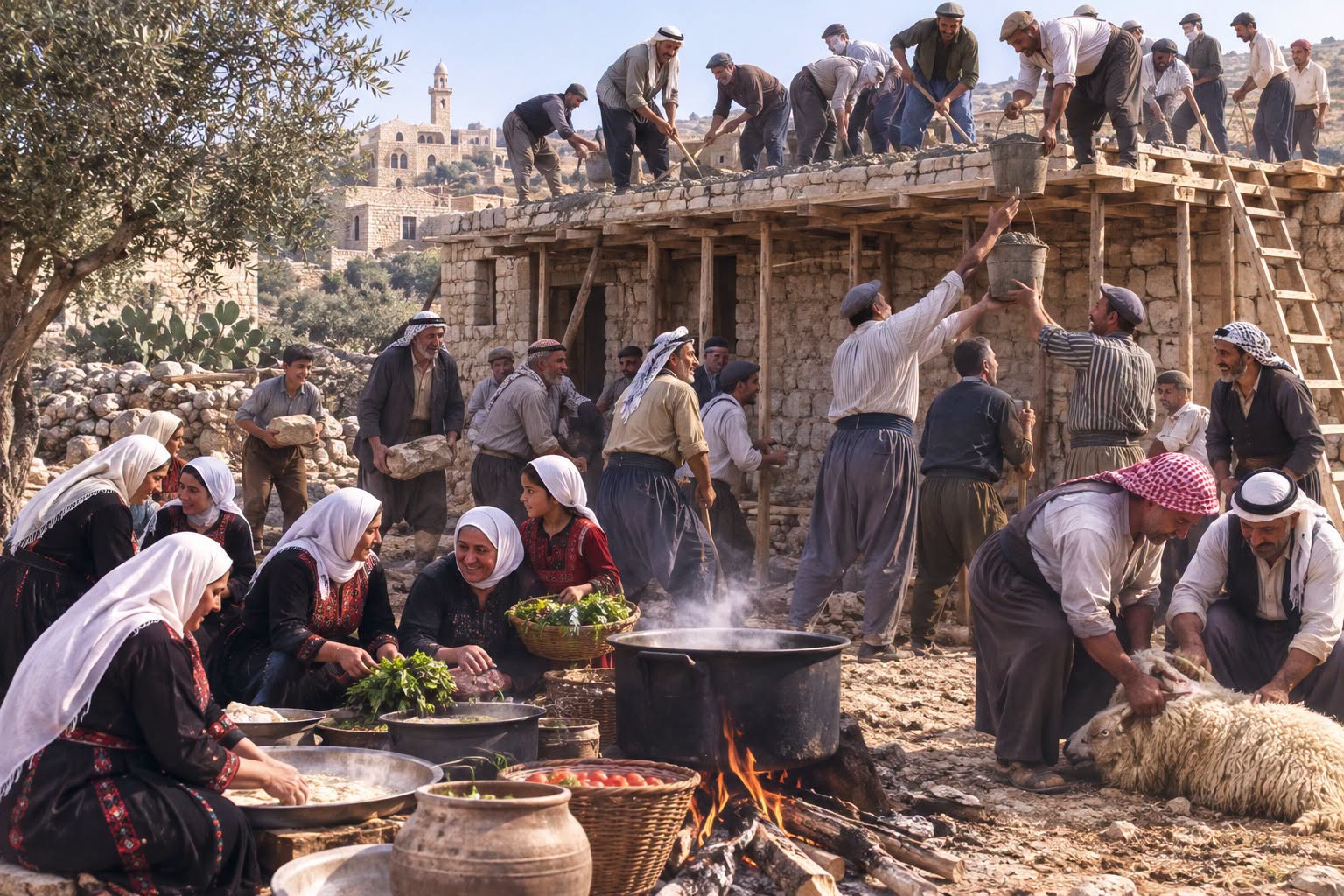
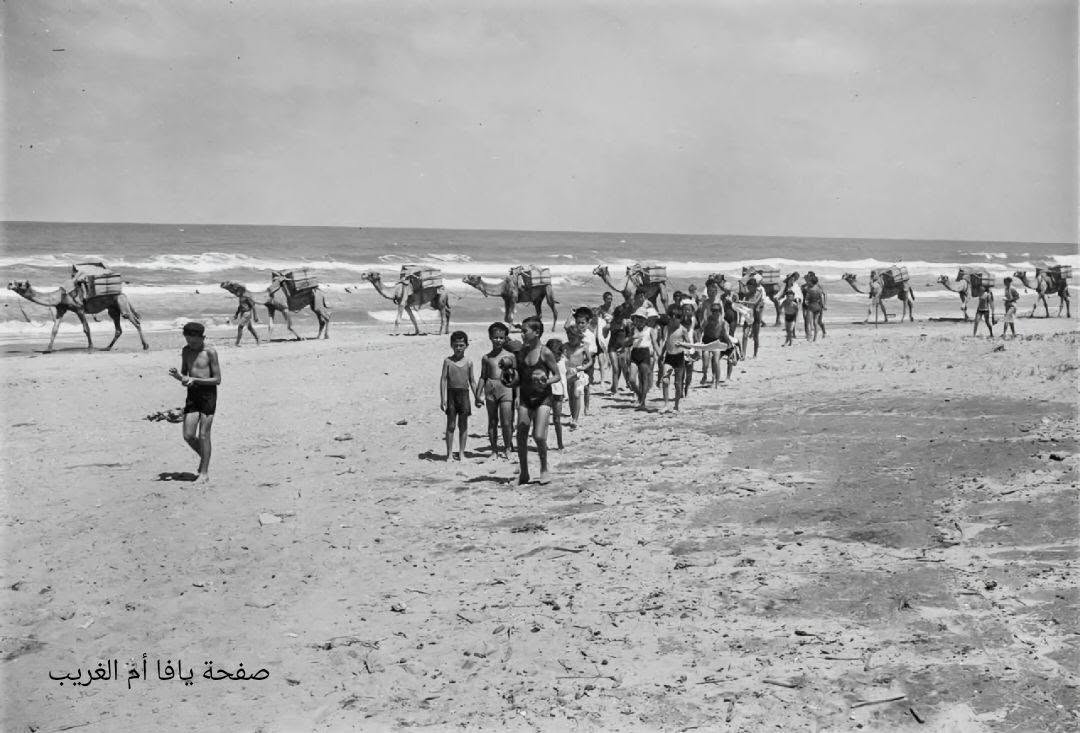
The family of Hajj Ragheb al-Khalidi poses for a group photograph in Yaffa, Palestine, around 1922. The photograph shows family members in their traditional and formal attire, reflecting the style of that era. The photograph was taken in the family’s orchard in Tel al-Rish, Jaffa. This photograph is considered part of the documentation of Palestinian heritage and social life in Jaffa before 1948.
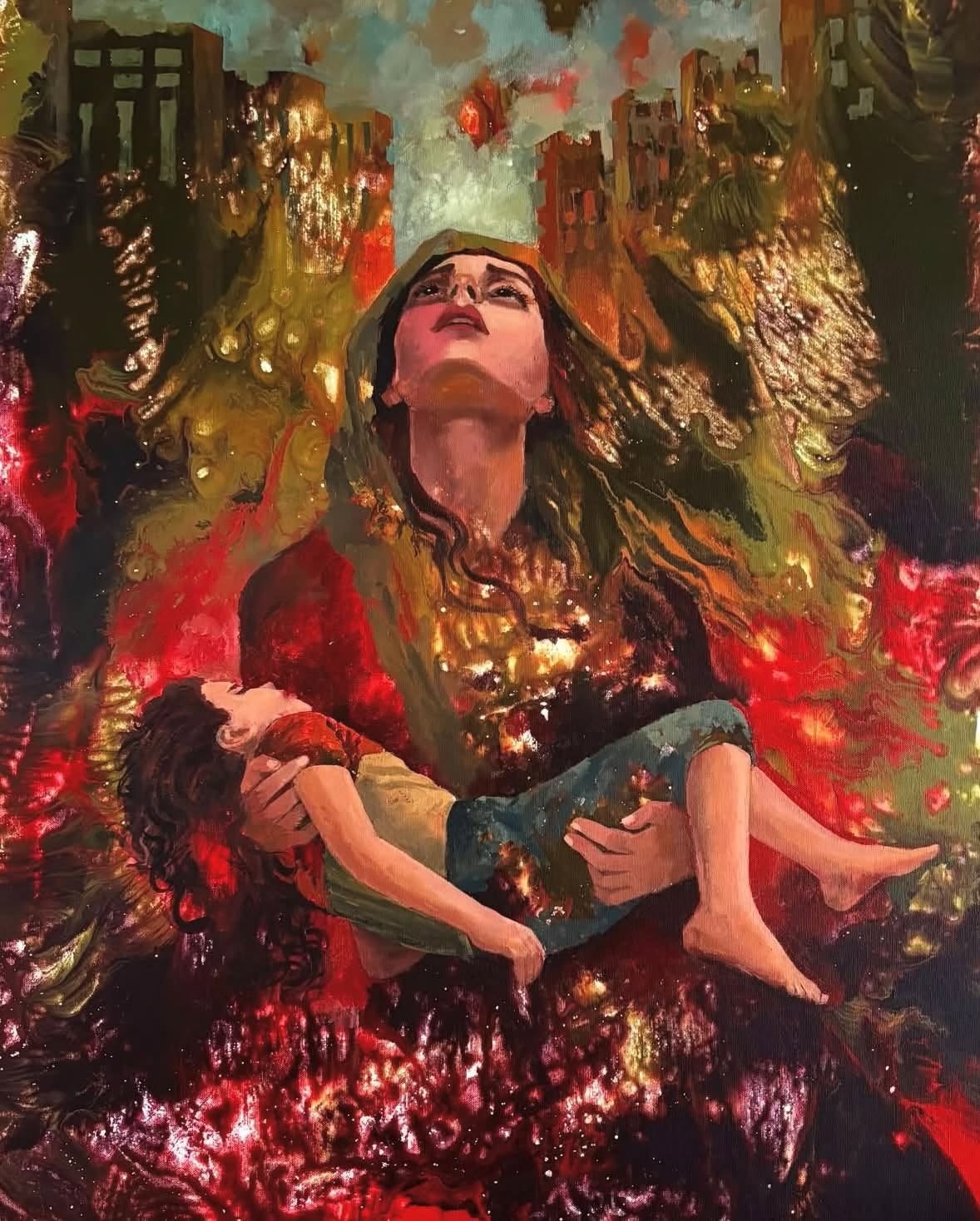
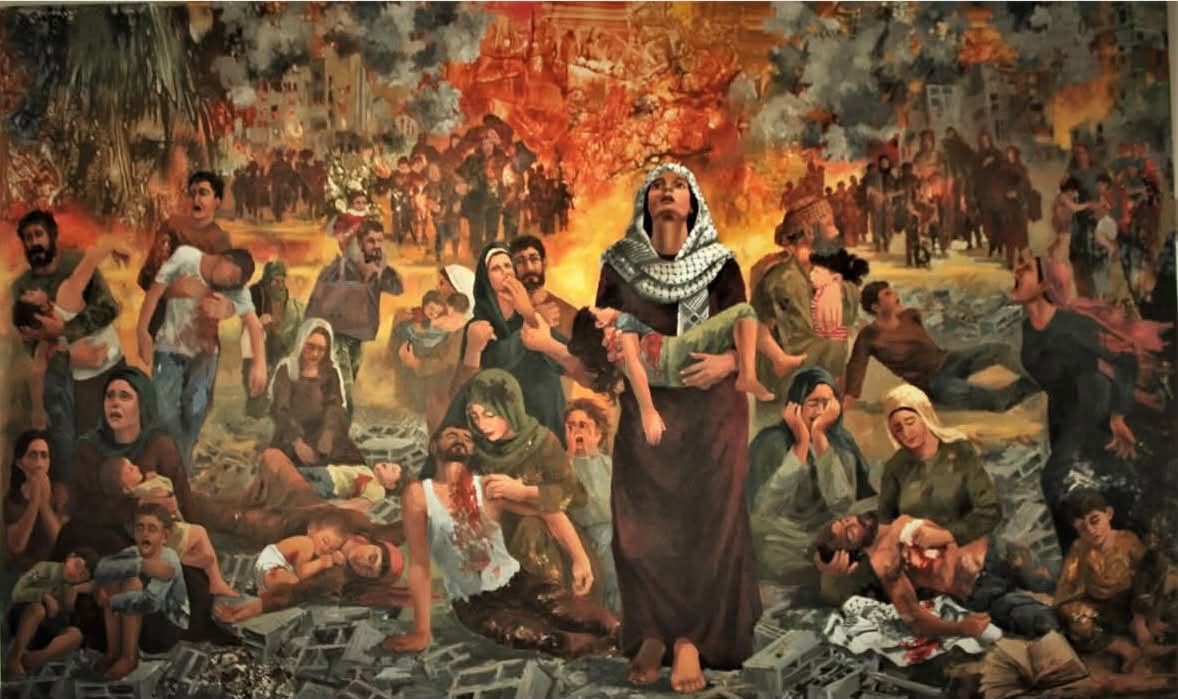
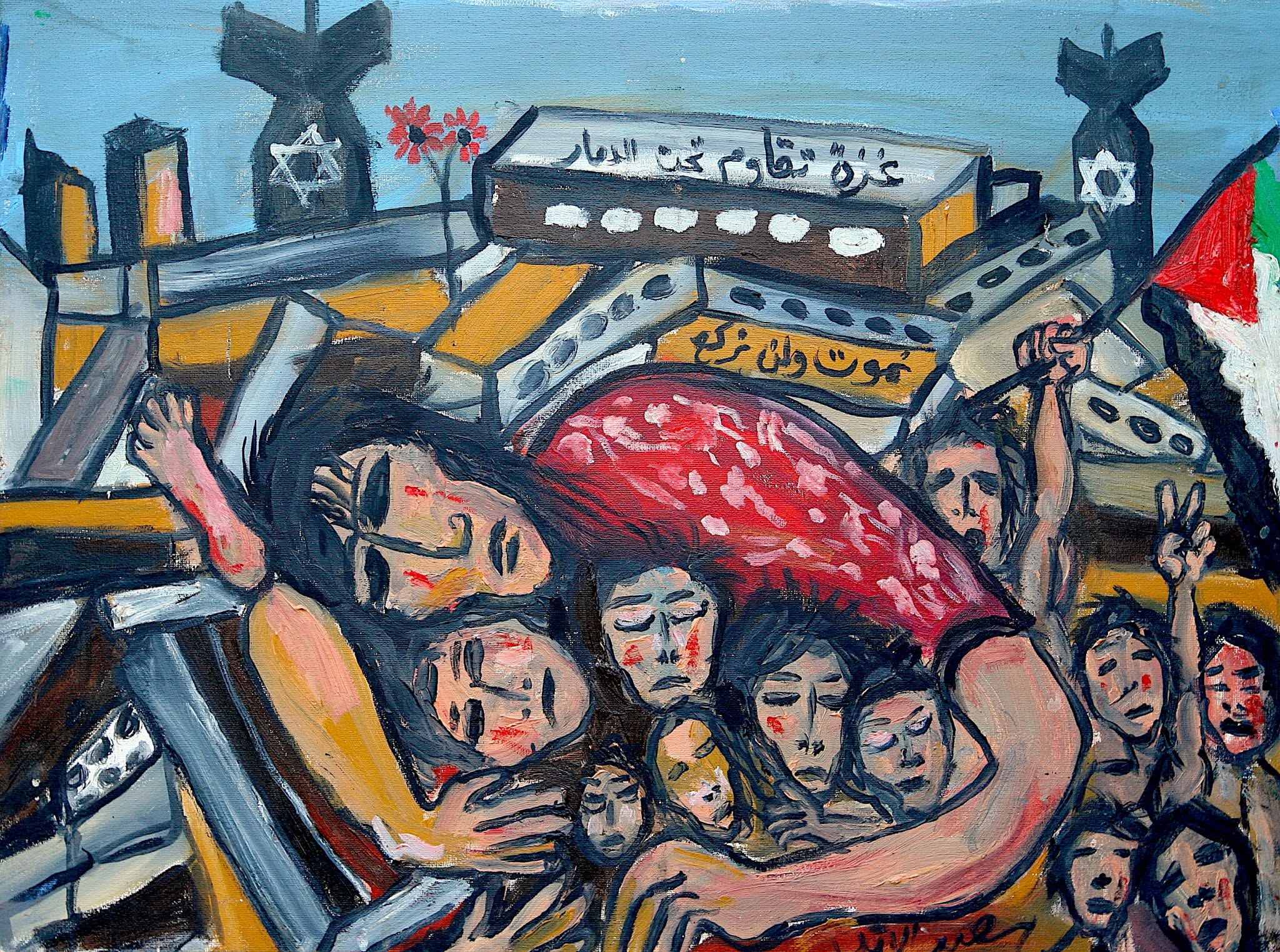
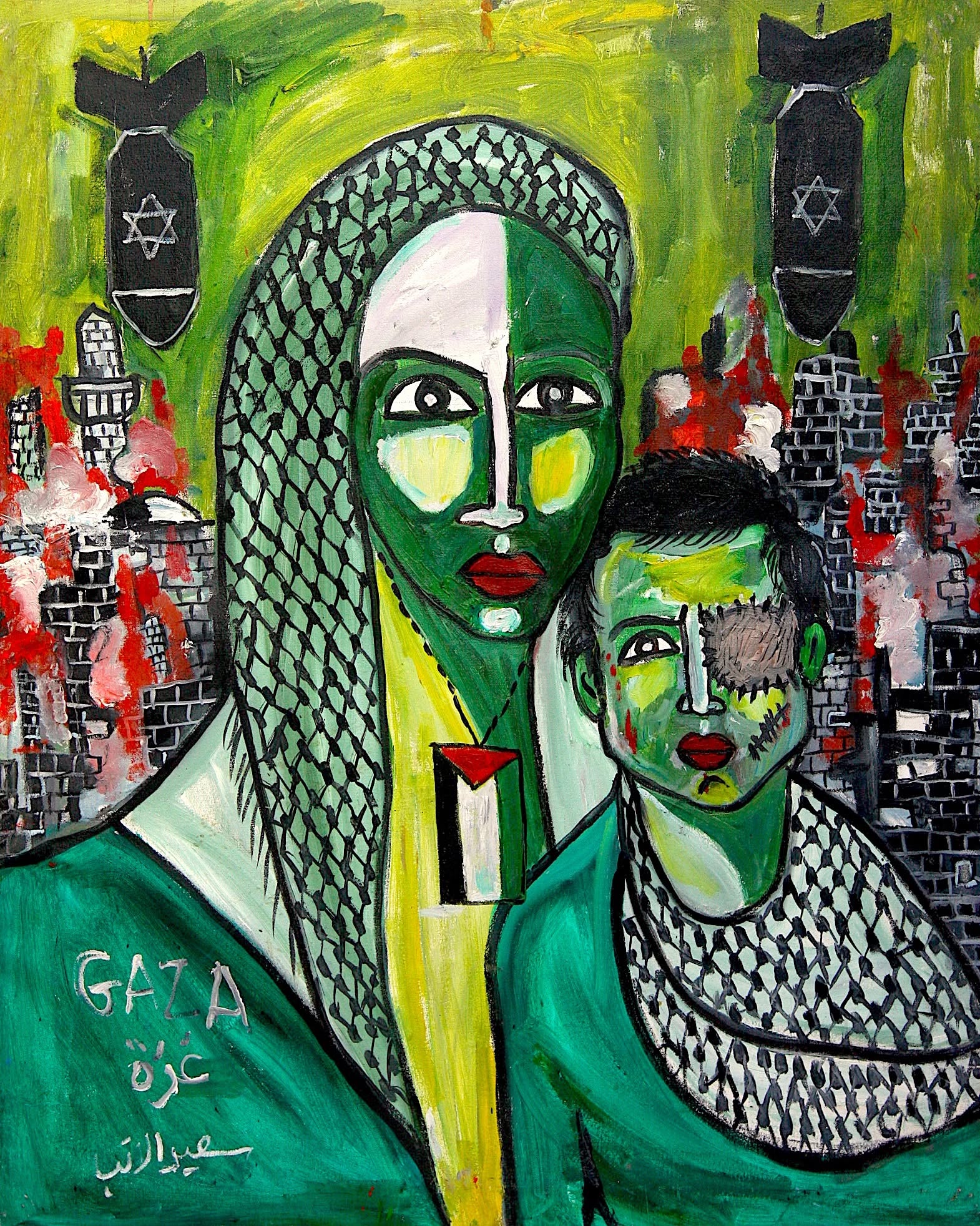
Artist Maher Naji was born in the Jabalia refugee camp in Gaza in 1963. He holds a Master of Fine Arts degree and a PhD in Architecture. He attended the Al-Faluja Secondary School for Boys
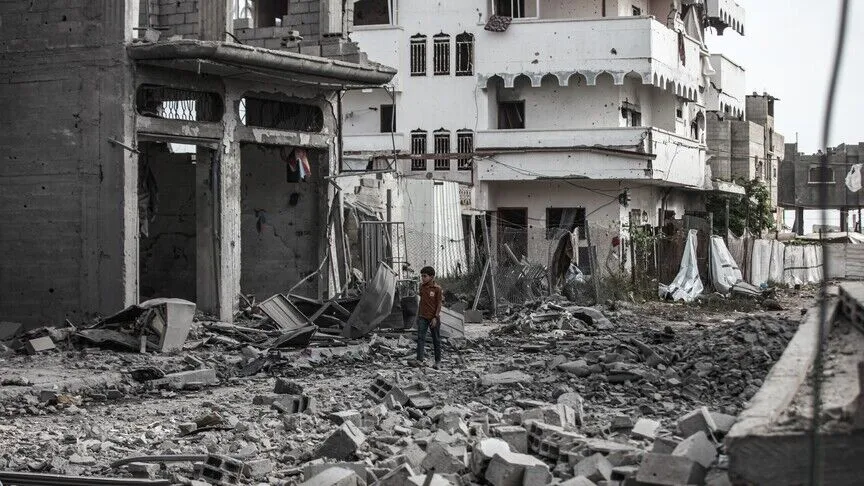
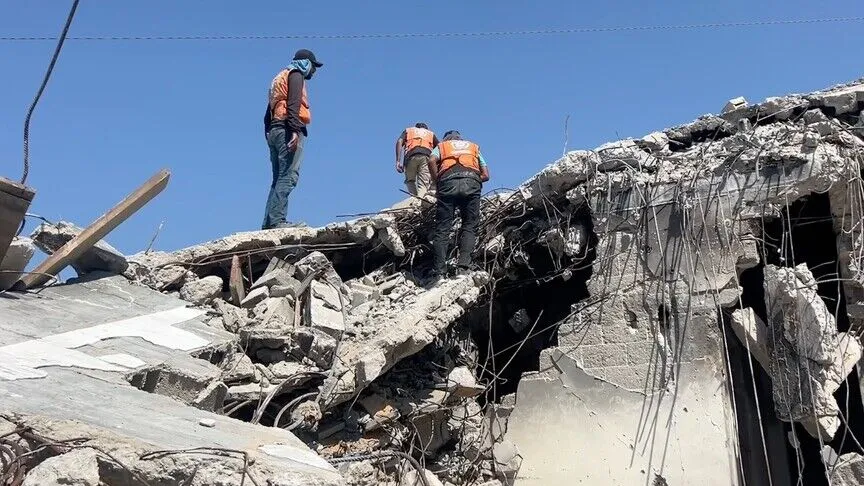
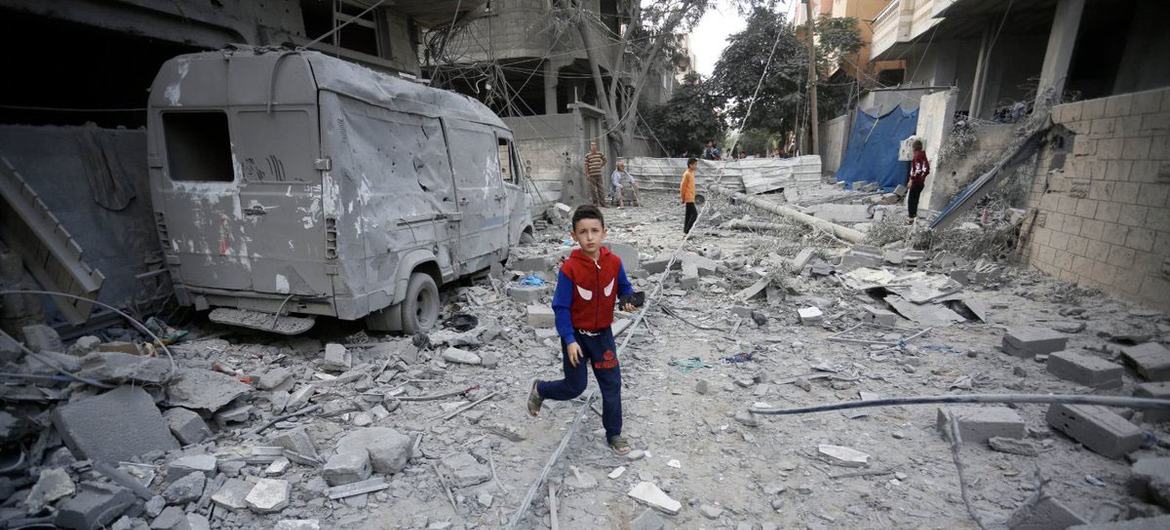
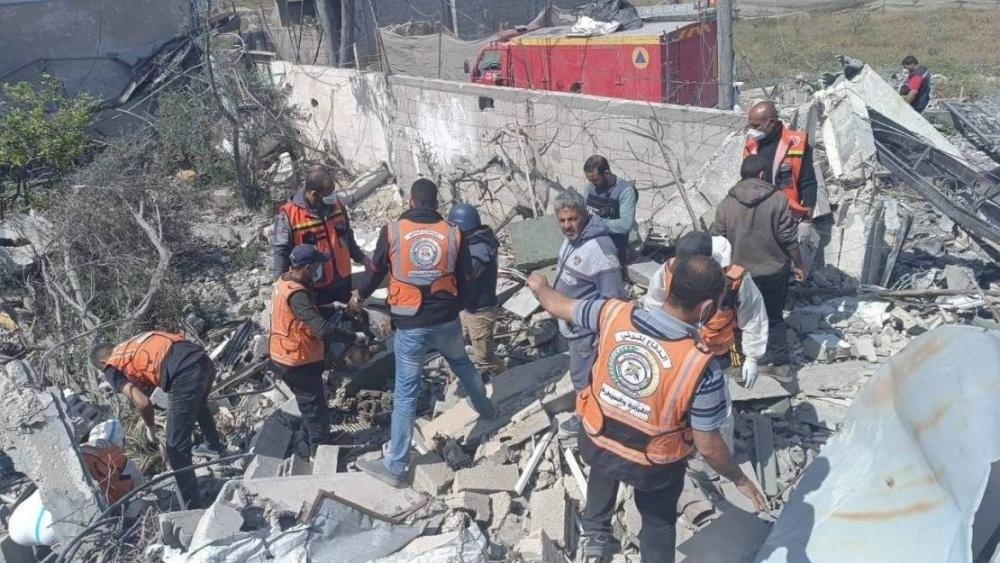
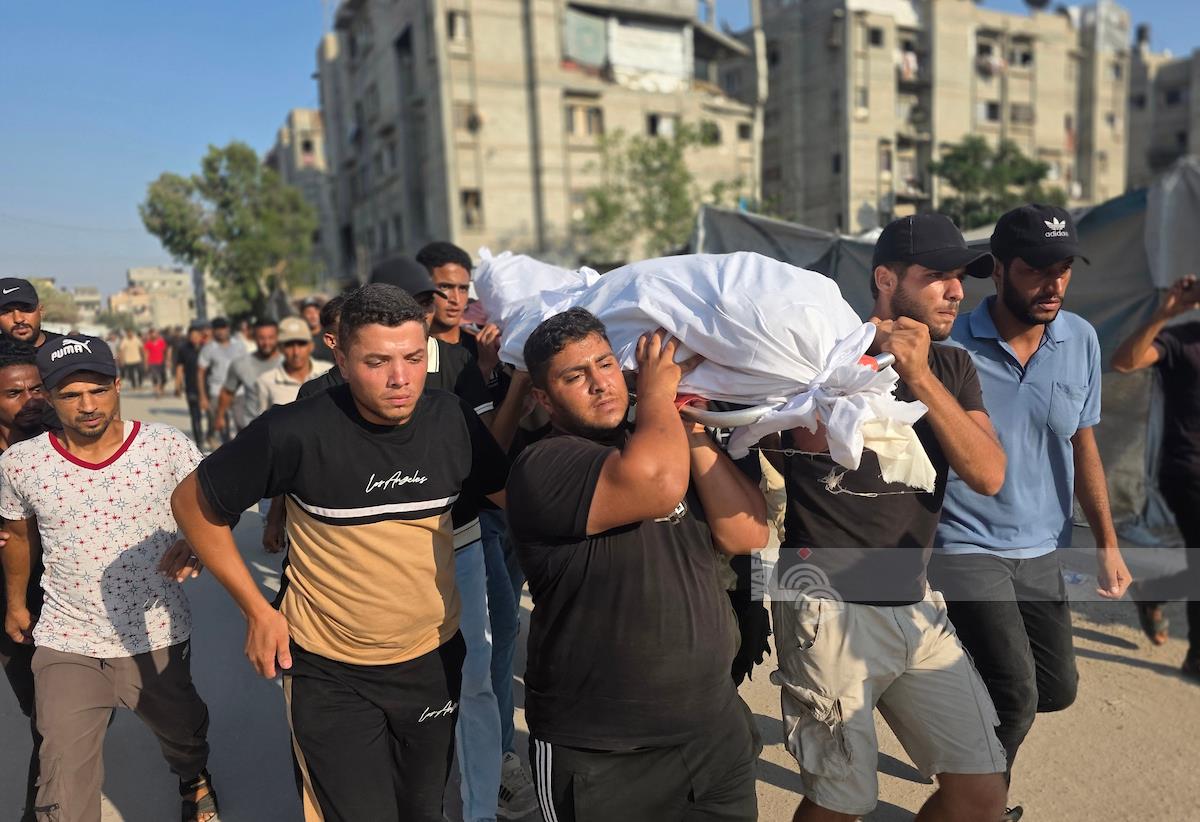
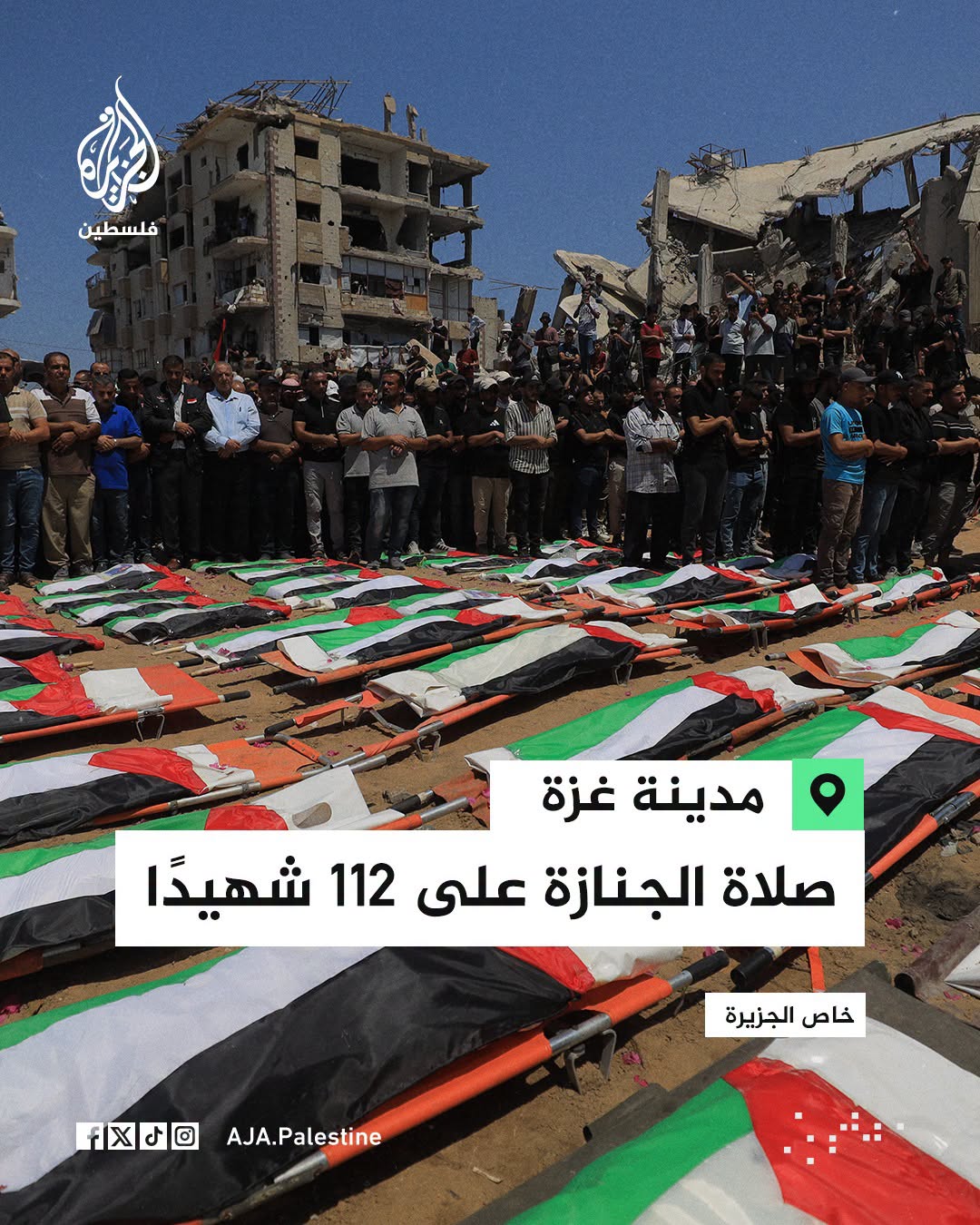
CROSSFIREARABIA – Palestinian civil defense officers ended their search, Saturday, of the destroyed Karm Building in Gaza City as they uncovered 19 bodies of martyrs. The destroyed building was in Al Sinah Street and it took the defence teams four days of searching and digging under the rubble. The bodies of eight women and four children were uncovered among the 19. The officers said the search operations were tough and only in limited places which means there could a lot more bodies to uncover.
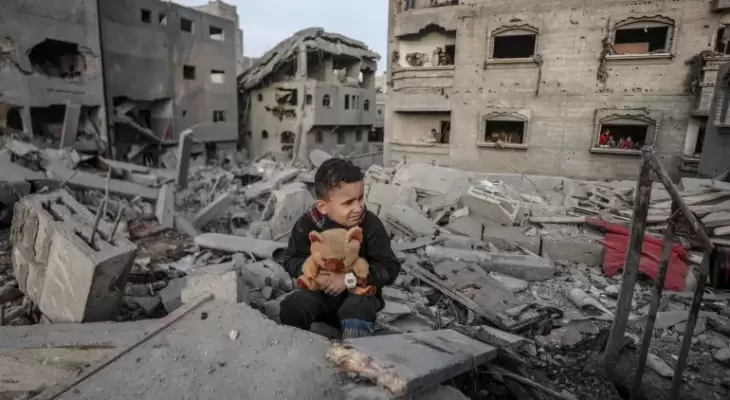
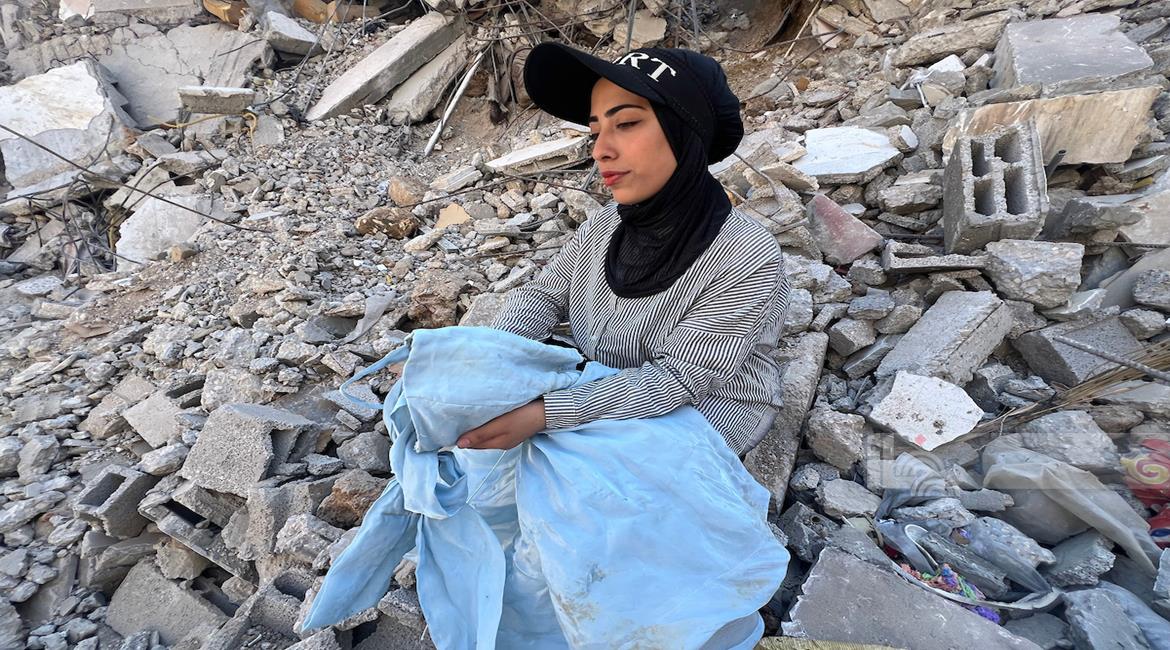
Aya Matran’s morning became like no other. She was to be a bride preparing to put on her white wedding dress and begin a new life. However, In Al-Maghazi refugee camp in central Gaza, she stood beside her father on the rubble of the home that was supposed to welcome the first days of her married life. She stood in a daze searching through stones and dust of the remains of her dreams buried in an instant by an Israeli airstrike only hours before her wedding.
Nothing remained of the house except piles of concrete and twisted metal. Buried beneath the rubble were her wedding dress, gold jewelry, bridal belongings, and everything the bride and her family spent years working to prepare for. What was meant to be a day of joy became yet another encounter with loss.
Five Hours…
The family had chosen the wedding day on what was thought to be a period of relative calm, hoping the celebration would take place at a time when there would be no bombing. But just five hours before the ceremony, the groom’s family was forced to evacuate the house after receiving a phone call from the Israeli forces. Shortly afterward, an Israeli airstrike targeted the house and completely destroyed it. Everything went up in smoke!
Aya says that everything was ready for the beginning of her new married life. All that remained was for her to put on her wedding dress. Instead, the bombing destroyed everything she had prepared and turned what should have been the happiest night into a painful memory.
She says her dreams were not extravagant. She simply wanted to begin her married life just like other young women. But the war took away her home, her bridal belongings, her personal possessions, and even the wedding dress that remained buried beneath the rubble.
Dad Relives the Memories Among the Ruins
Her father, Shadi Matran, stood beside her, looking at the place that was supposed to be filled with celebration but had instead become a scene of destruction and silence.
He says the family was shocked to learn that the house had been bombed only a few hours before the wedding, after they had completed all the preparations despite the severe economic conditions facing the Gaza Strip.
He adds that his daughter had left almost nothing behind at the family house, as she had already moved all her belongings to her future marital home. But within moments, everything disappeared beneath the rubble.
He explains that returning to the site each day feels like reliving an endless nightmare. From time to time, family members search through the debris, hoping to find anything that might remind them of what once stood there—or anything that can be salvaged from the memory of the home.
Wedding Dress Under The Rubble
Aya says she is no longer asking for much. She simply hopes to recover some of what she lost and retrieve some of the belongings buried beneath the rubble, especially the wedding dress she never had the chance to wear.
She stresses that the war did not merely postpone her wedding. It shattered a beginning she had waited years for and turned happiness in Gaza into a deferred dream, at a time when thousands of Palestinians are experiencing similar losses—the loss of homes, loved ones, and hopes for the future.
A Plea…
The bride’s father concludes by appealing to the international community and humanitarian organizations to work towards ending the war, so that the daughters of Gaza can celebrate their weddings away from continuous bombing and destruction.
In Gaza, the rubble no longer conceals homes alone. It also buries postponed stories, shattered memories, and dreams beneath the concrete. Among them lies a bride’s wedding dress that was waiting to see the light of day, but instead remains a silent witness to a war that did not even leave joy a chance to be complete.
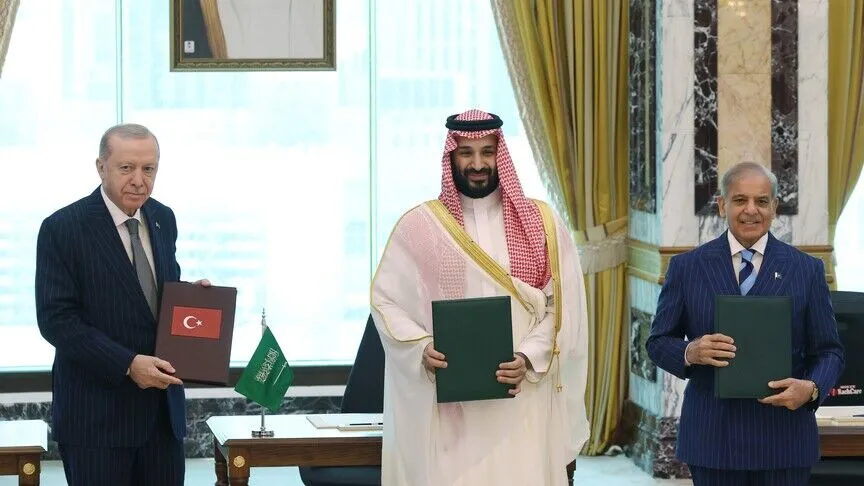
Yemen on Saturday welcomed the Mecca Joint Defense Agreement signed by Türkiye, Saudi Arabia and Pakistan, describing it as a strategic step to strengthen defense cooperation, collective deterrence and regional security.
In a statement, Yemen’s Foreign Ministry said the agreement marked “a strategic step and an important milestone” in defense cooperation among the three countries.
On Friday, Turkish President Recep Tayyip Erdogan, Saudi Crown Prince Mohammed bin Salman and Pakistani Prime Minister Shehbaz Sharif signed the agreement in Mecca.
The pact considers an armed attack against any of the three countries an attack against all of them and aims to strengthen collective deterrence and expand defense cooperation.
The Yemeni Foreign Ministry said the agreement reflected “the shared political will to unify efforts, strengthen collective security and deterrence, and confront challenges and threats affecting the region’s security and stability.”
“The agreement is of particular importance in light of the escalating challenges and threats facing the region, foremost among them terrorist attacks, arms smuggling, and threats targeting neighboring countries and international maritime routes,” the ministry added.
The agreement follows years of consultations among Riyadh, Ankara and Islamabad aimed at strengthening defense cooperation and coordinating responses to shared security challenges based on their strategic interests.
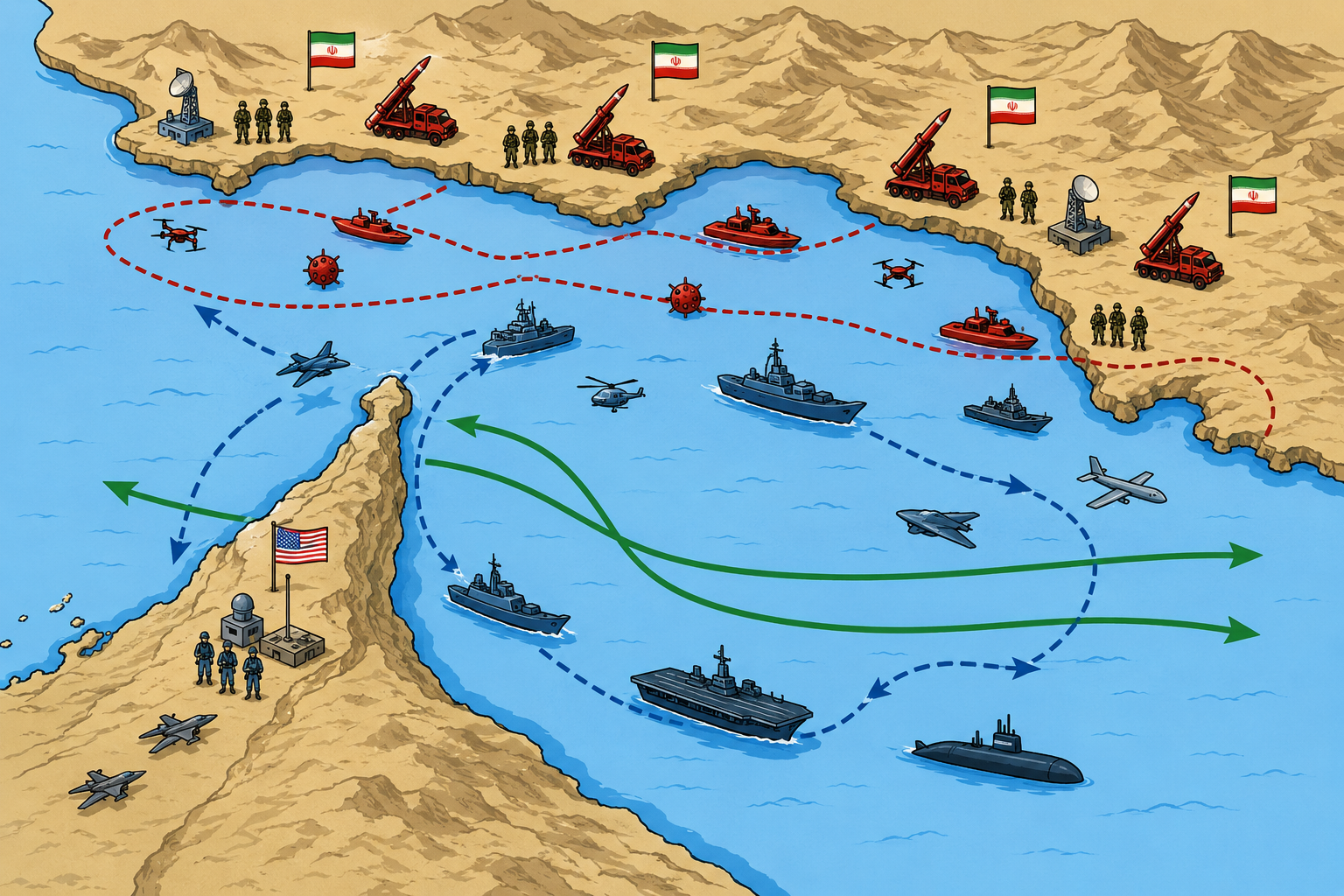
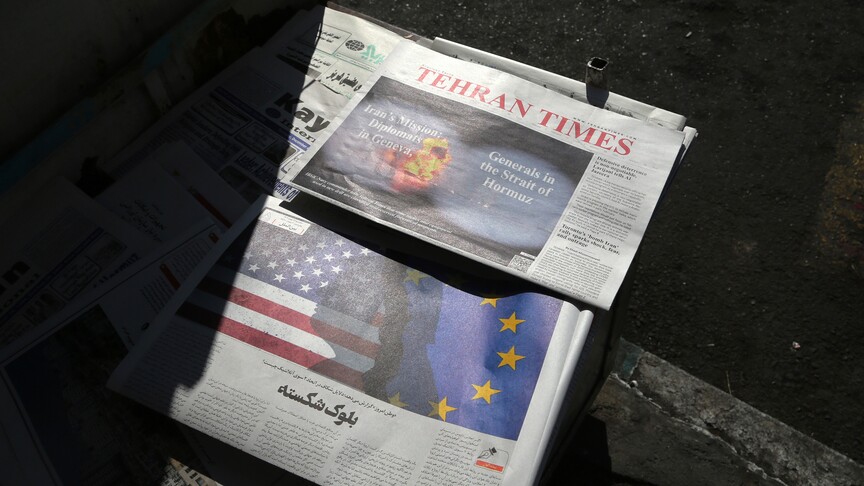
It came amid heightened tensions in the Strait of Hormuz following the conflict between Iran and the US, which has raised concerns over global energy supplies and maritime security despite ongoing diplomatic efforts to preserve freedom of navigation. Anadolu

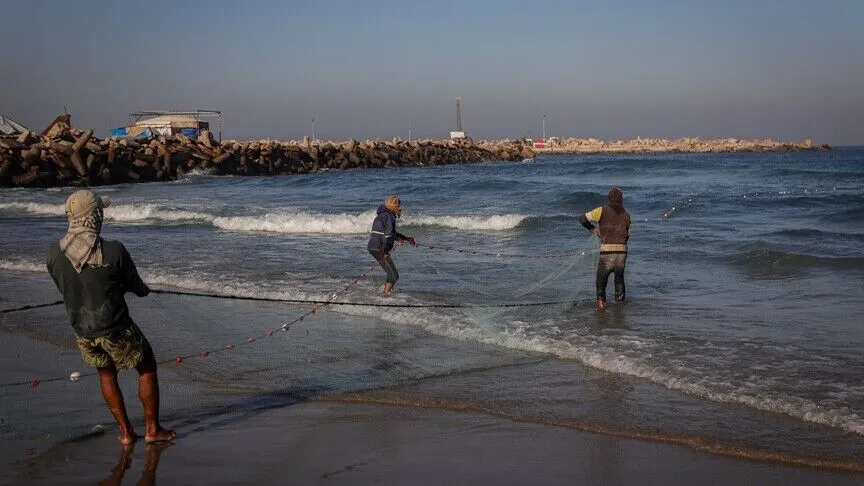
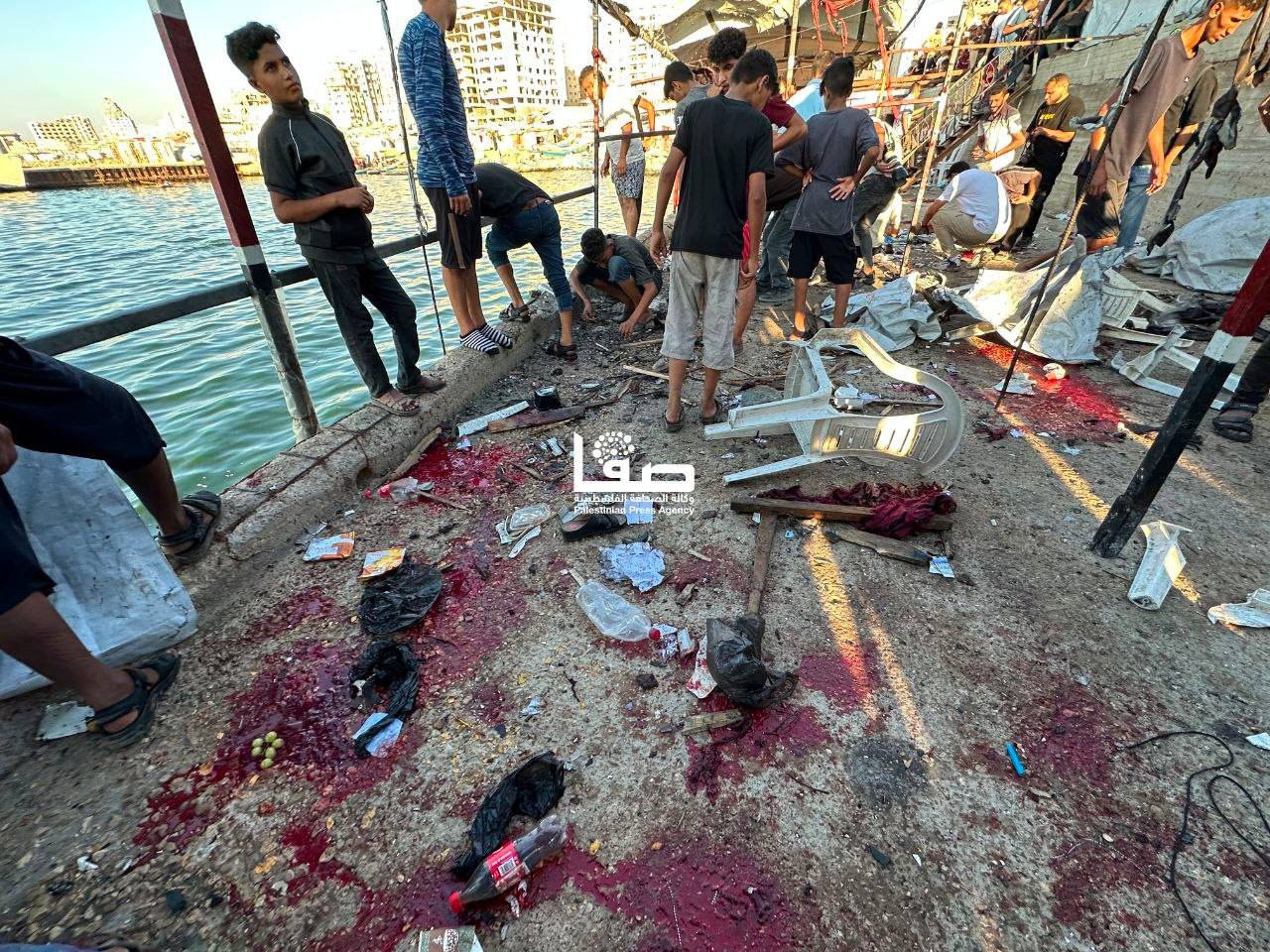 Israeli Strikes Gaza Port Café, Leaves 6 Dead, a Child and 14 Wounded
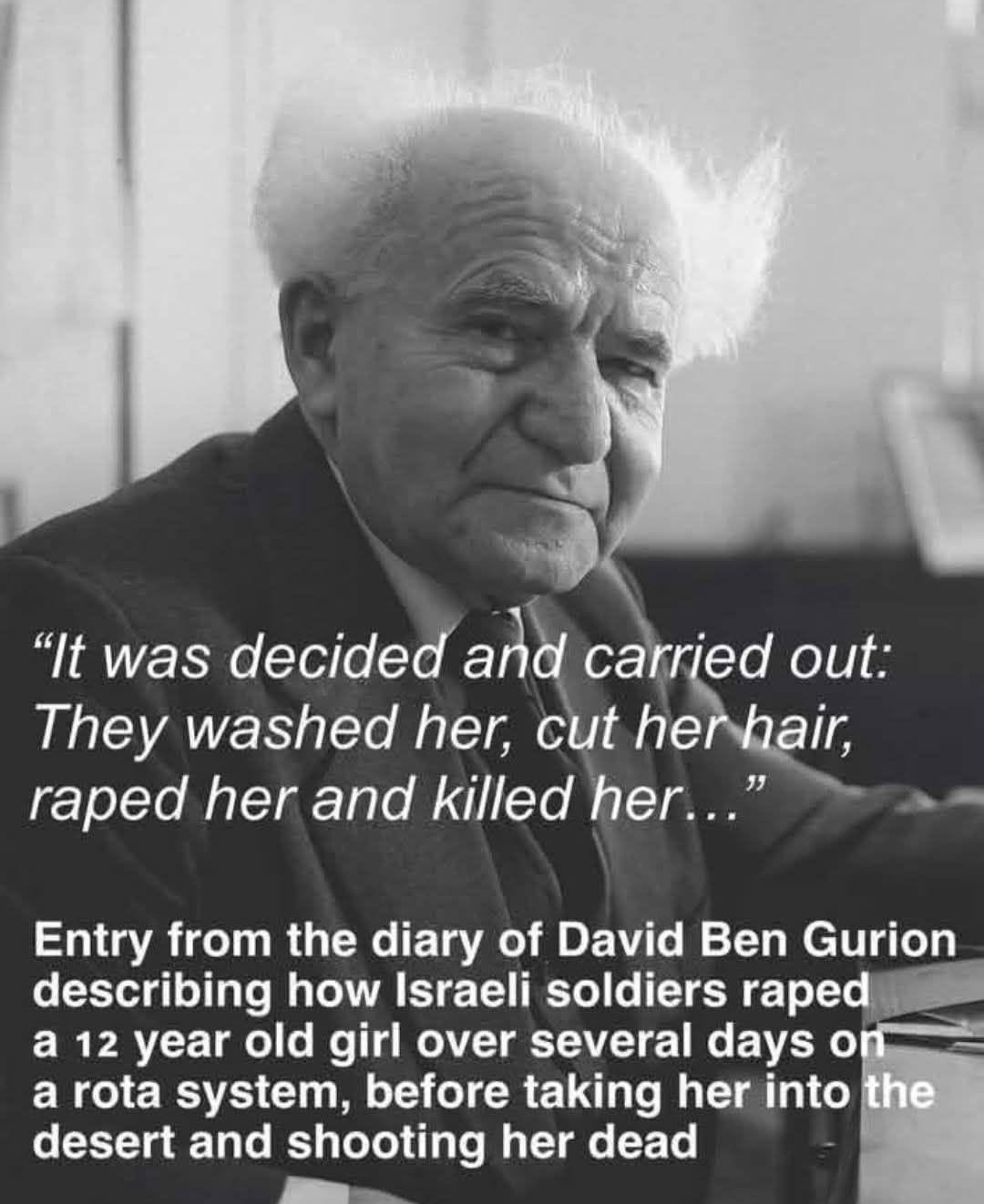 Your Ben Gurion! Revelations
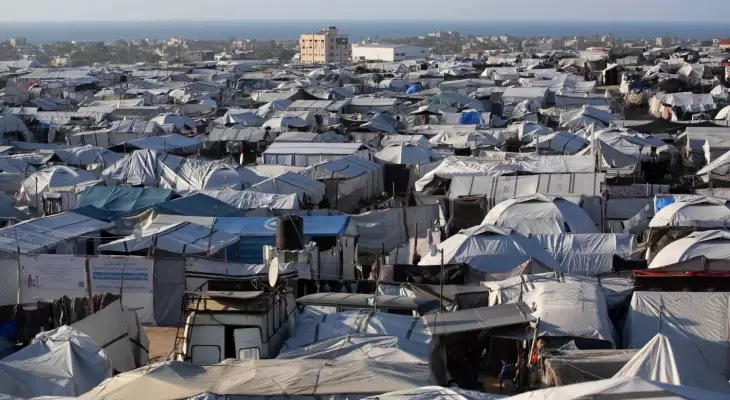
 Gaza’s Face of Destruction
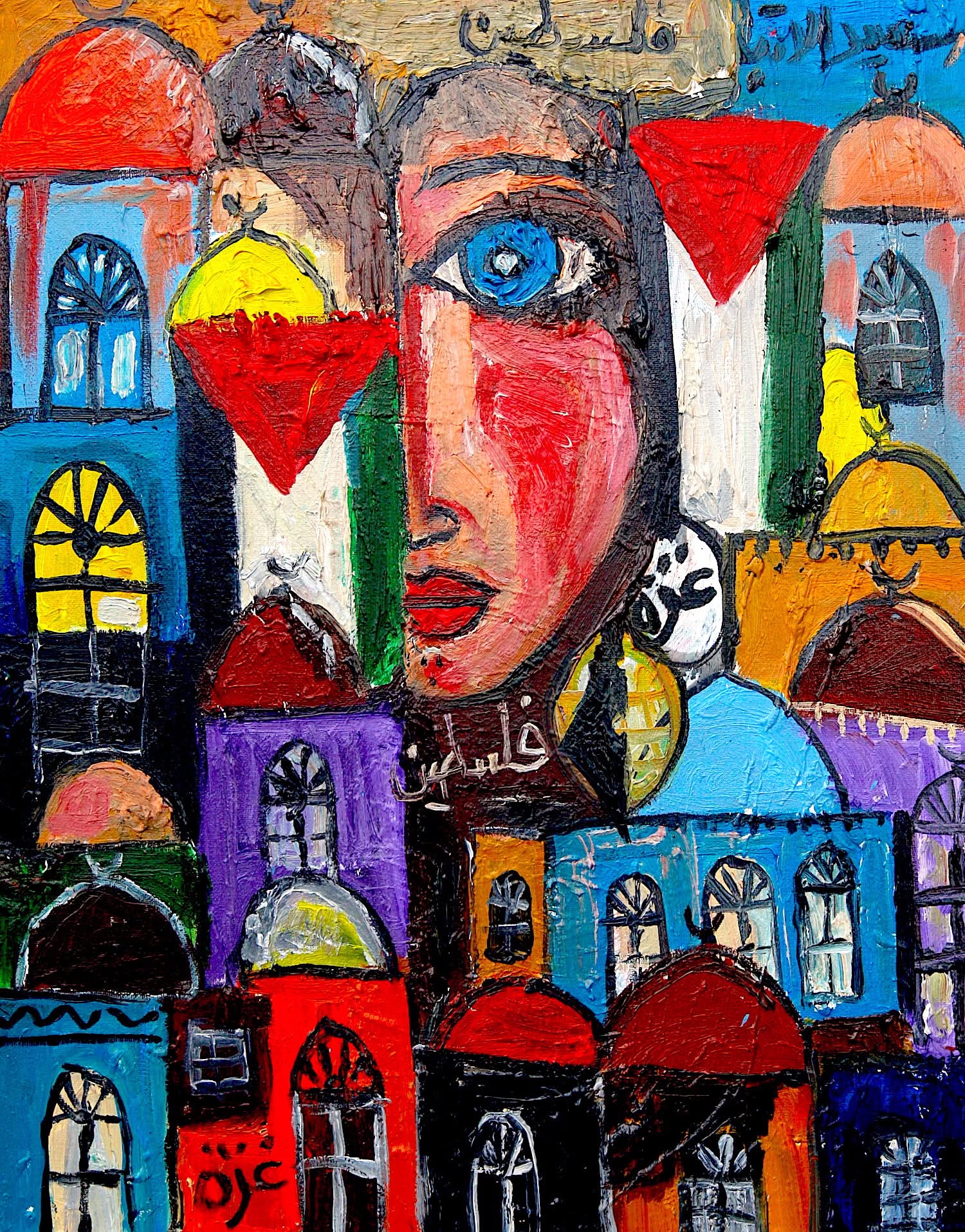 Sad Woman of Palestine
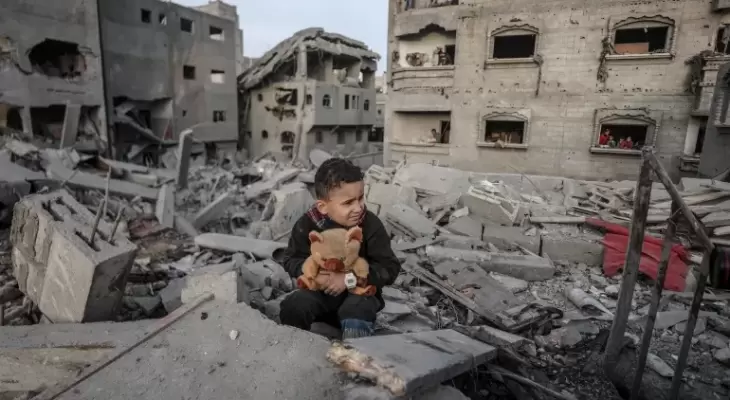 Itamar Ben Gvir: ‘We Should Kill 30 to 40 in Gaza Each Night’



 Heba
Heba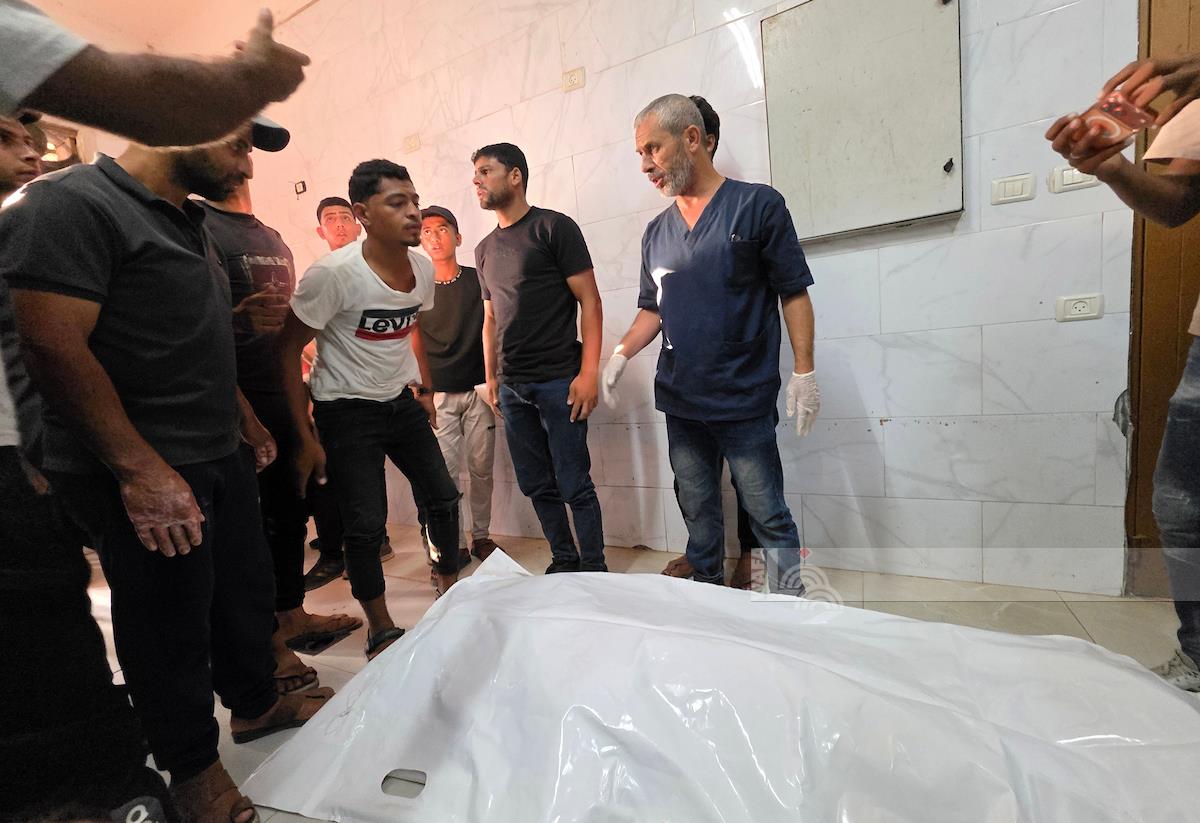

 CrossFireArabia
 Saleem Ayoub Quna

























marwan
