Facing The Israeli Gun: 108 Cases Against Journalists in July

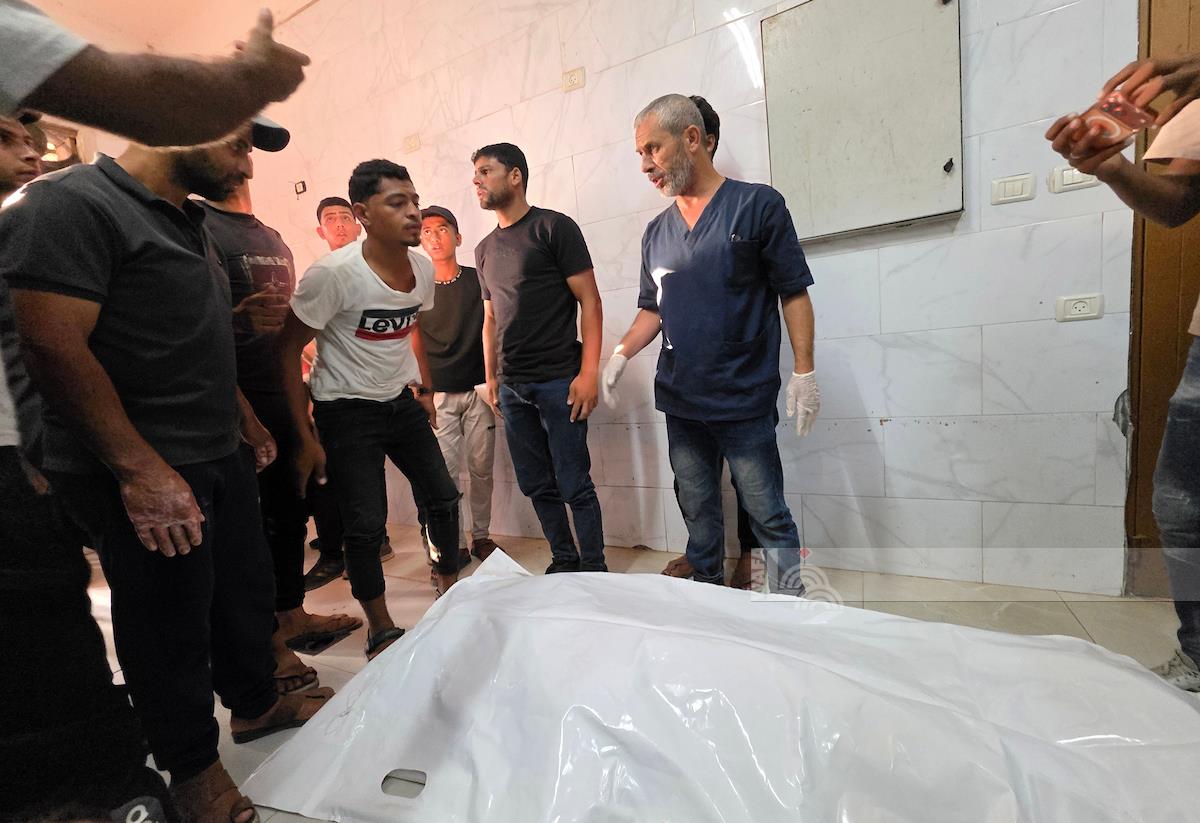
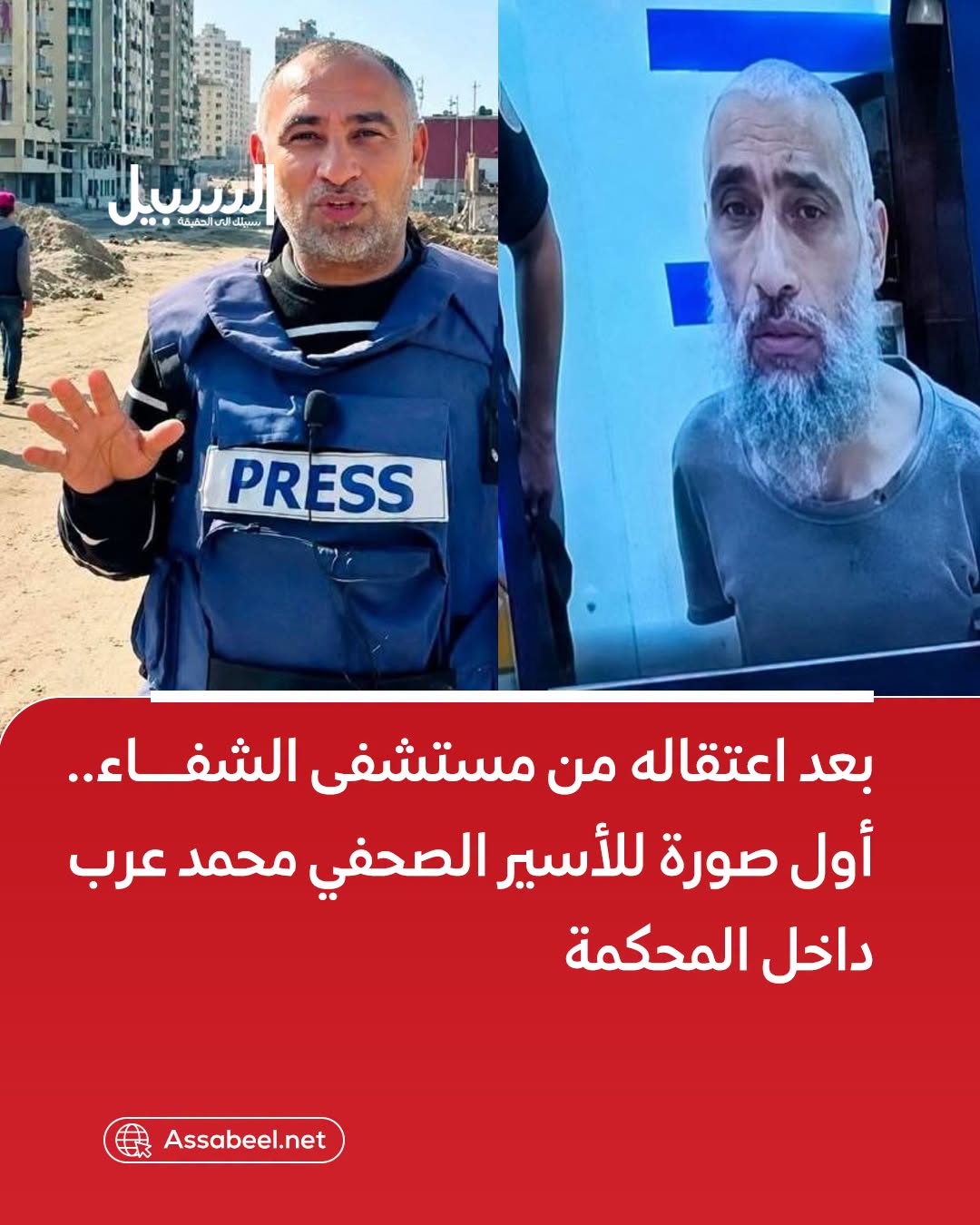
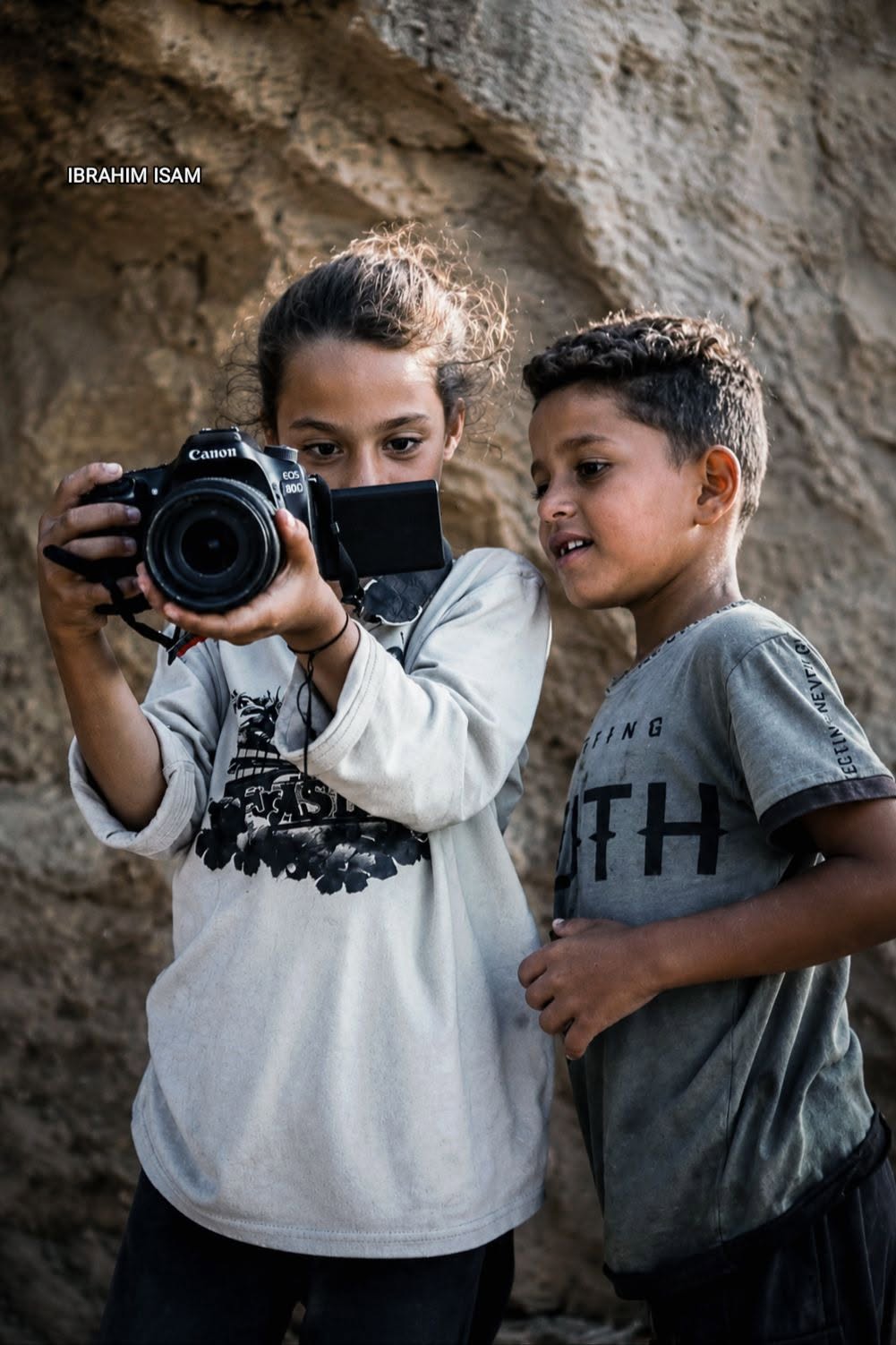
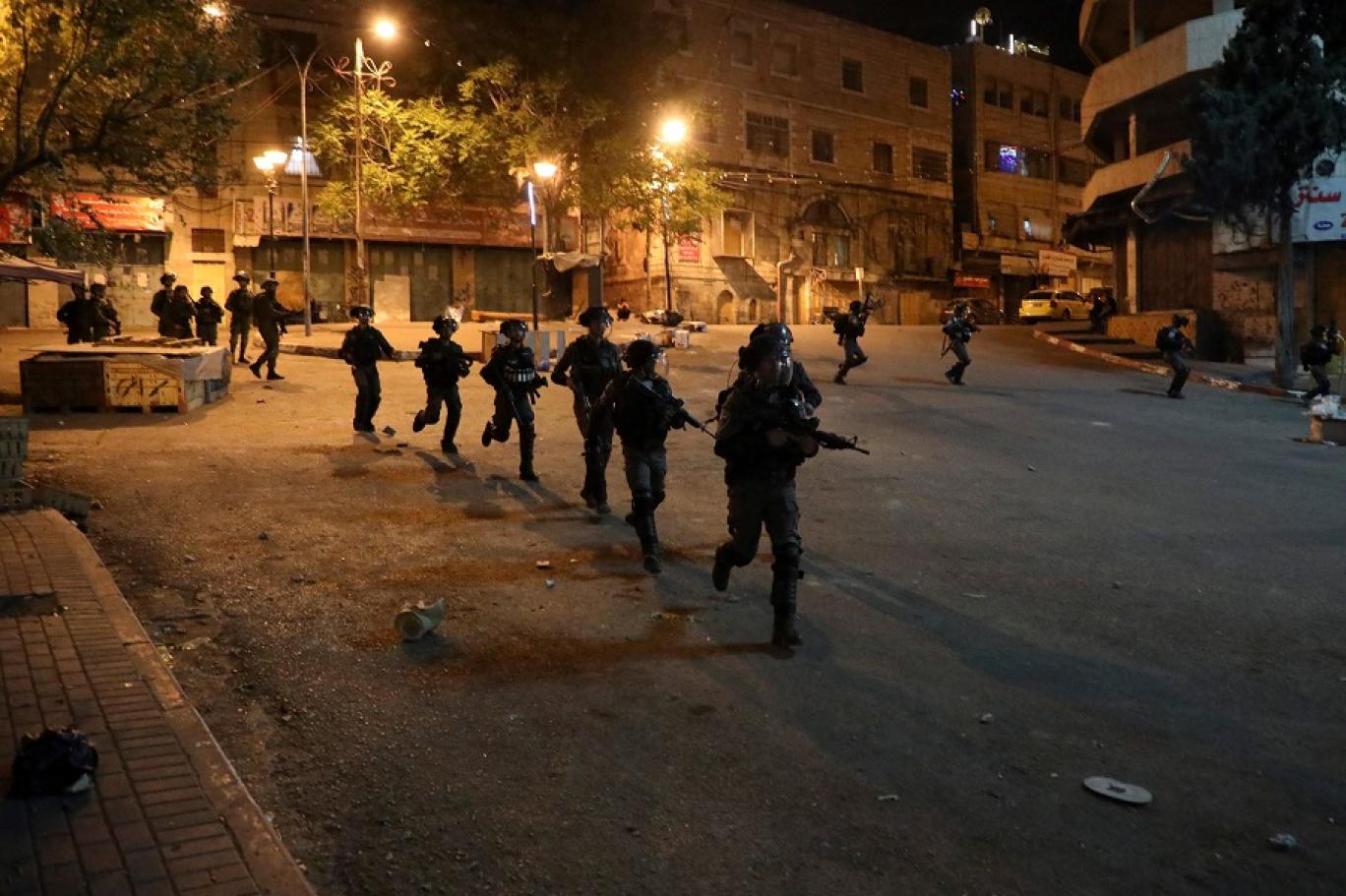
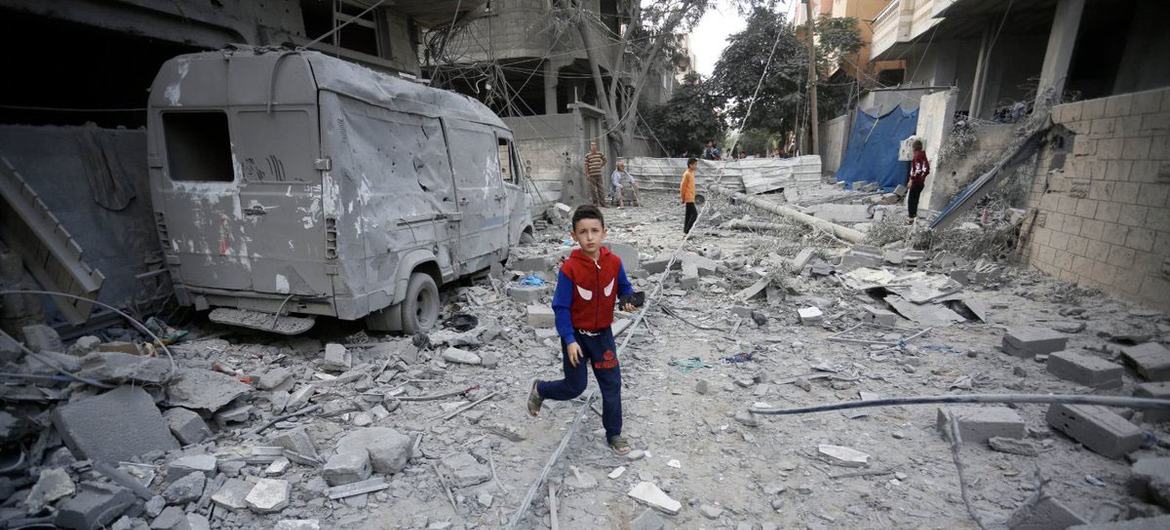
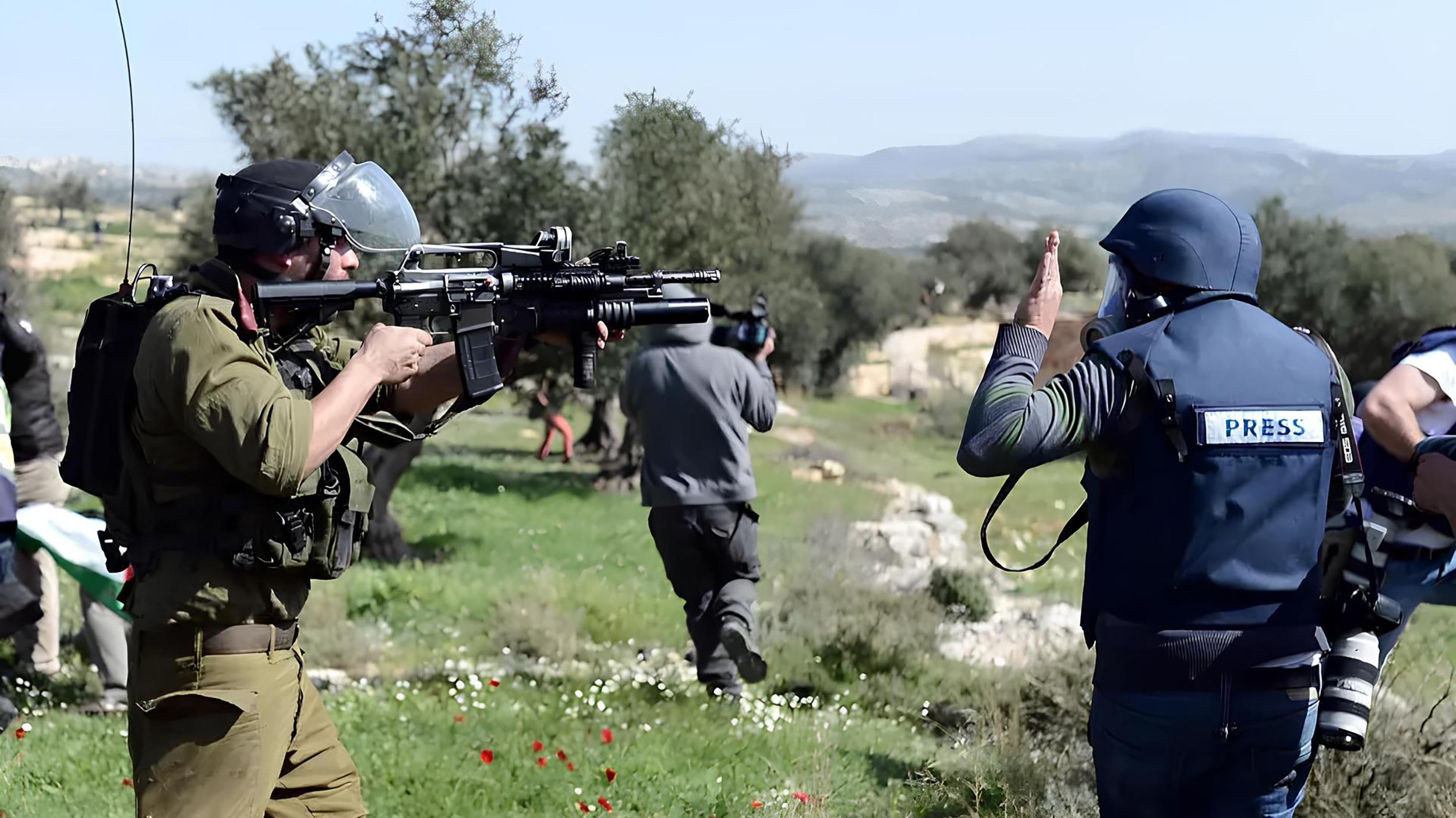
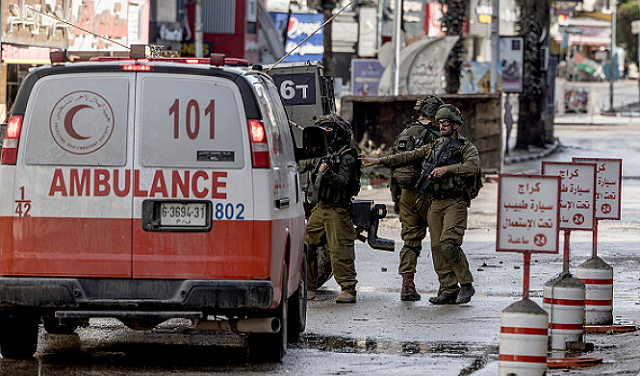
The Freedoms Committee of the Palestinian Journalists Association has documented 108 cases of crimes, attacks, and violations against journalists and media workers in last July 2026. These included arrests, beatings, interrogations, detentions, and prevention from covering events, as well as attacks with stun grenades and tear gas, settler assaults, raids on homes and media outlets, and the confiscation and destruction of equipment.
The Freedoms Committee confirmed that 58 cases of detention and prevention from covering events topped the list of documented violations in that month of July, while restrictions on journalists’ work continued as they covered events in the field.

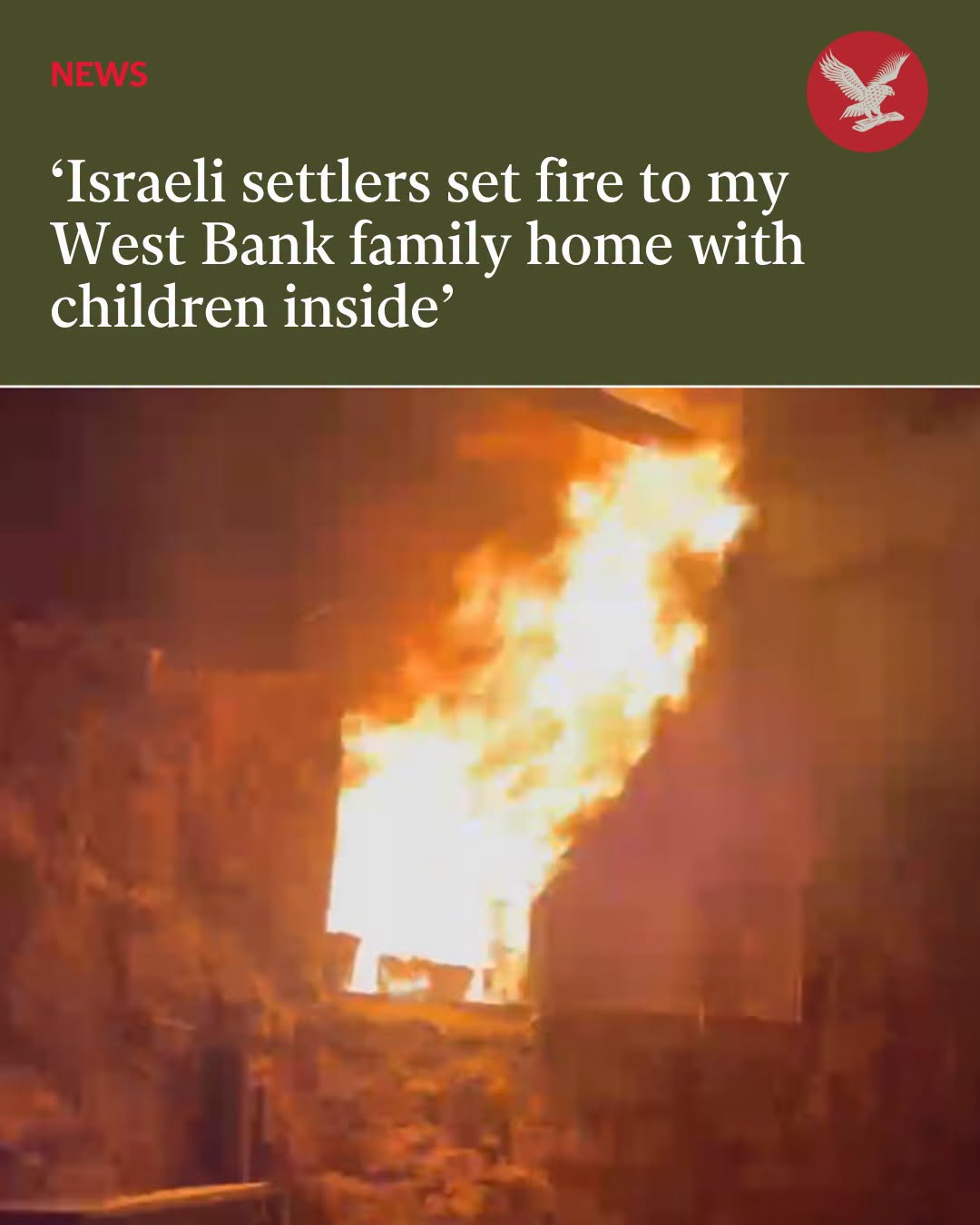
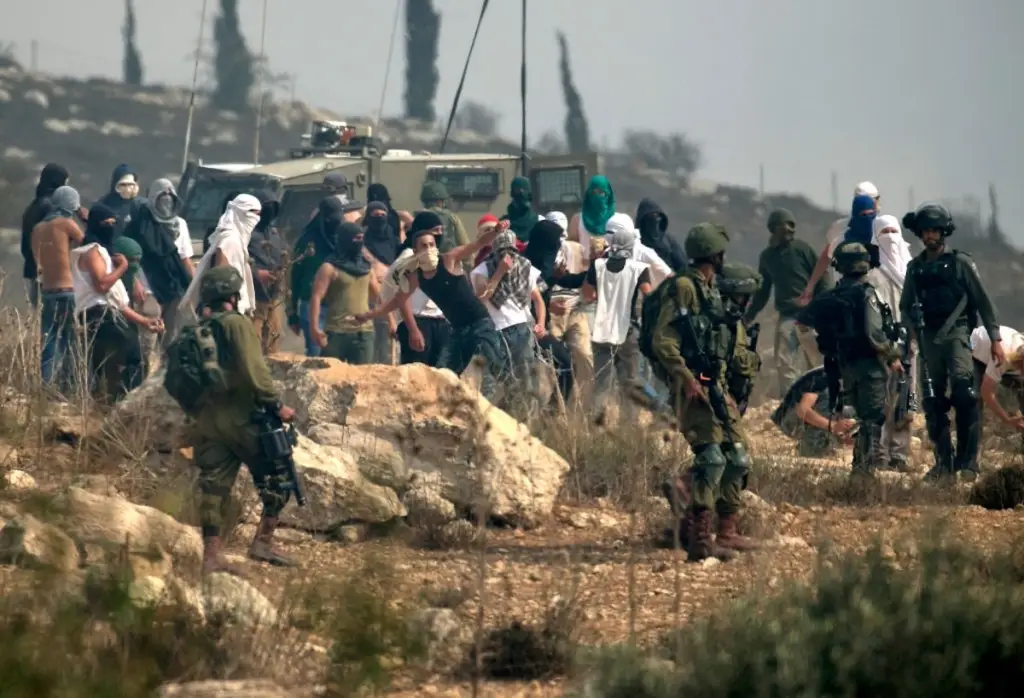
The committee also recorded 11 attacks by settlers against journalists and media crews, including physical assault, pushing, threats, and preventing journalists from carrying out their work, particularly while covering events and attacks in various areas of the West Bank.

The committee also documented 12 cases of journalists being targeted with stun grenades and tear gas, which in several instances resulted in journalists suffering from suffocation while covering raids, attacks, and field events.

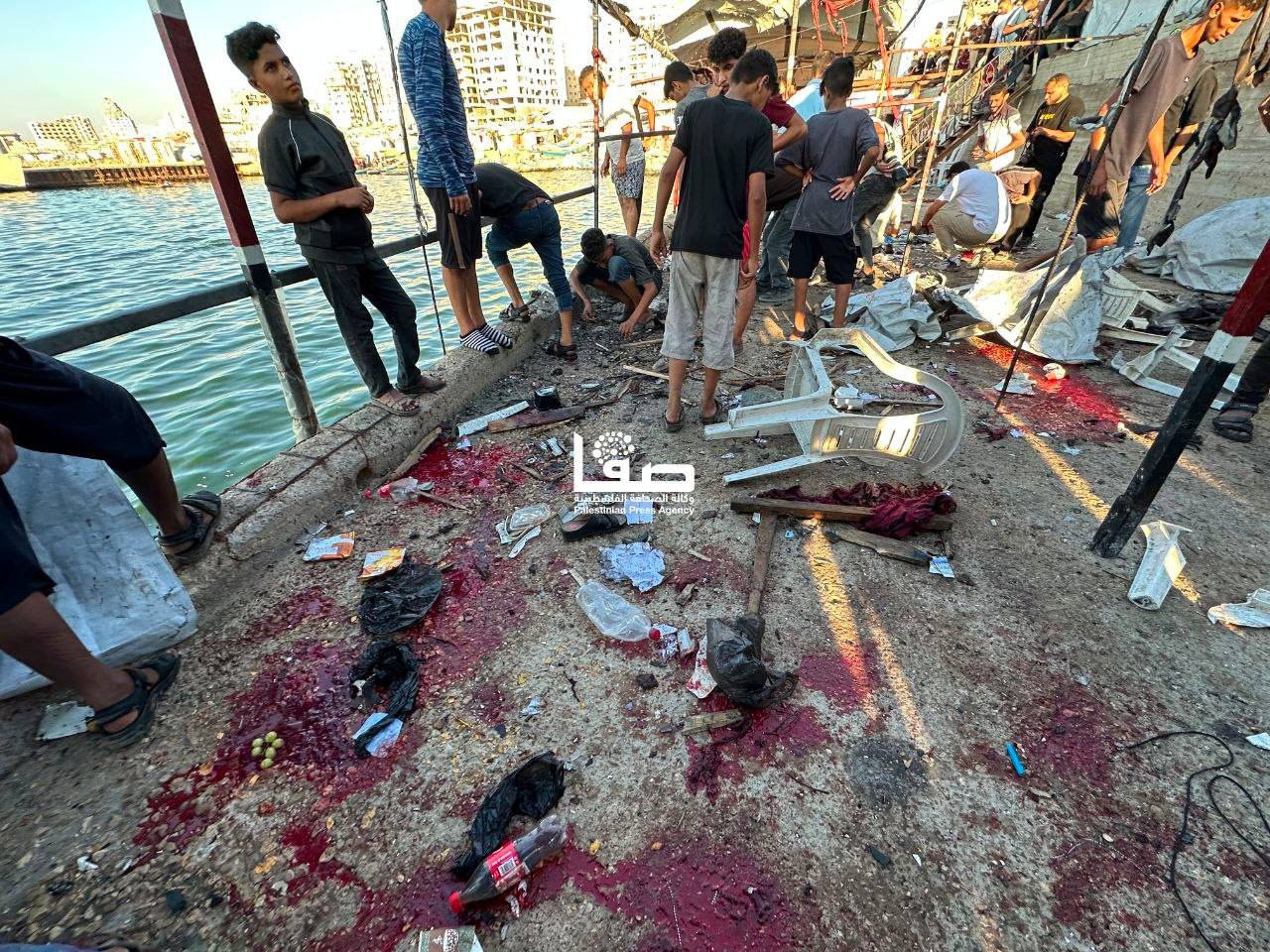
Regarding physical assaults, the Committee documented six cases of beatings, in addition to four cases of journalists sustaining serious injuries while performing their journalistic duties and covering events in the Gaza Strip. These injuries included those caused by shrapnel from rockets and shells.

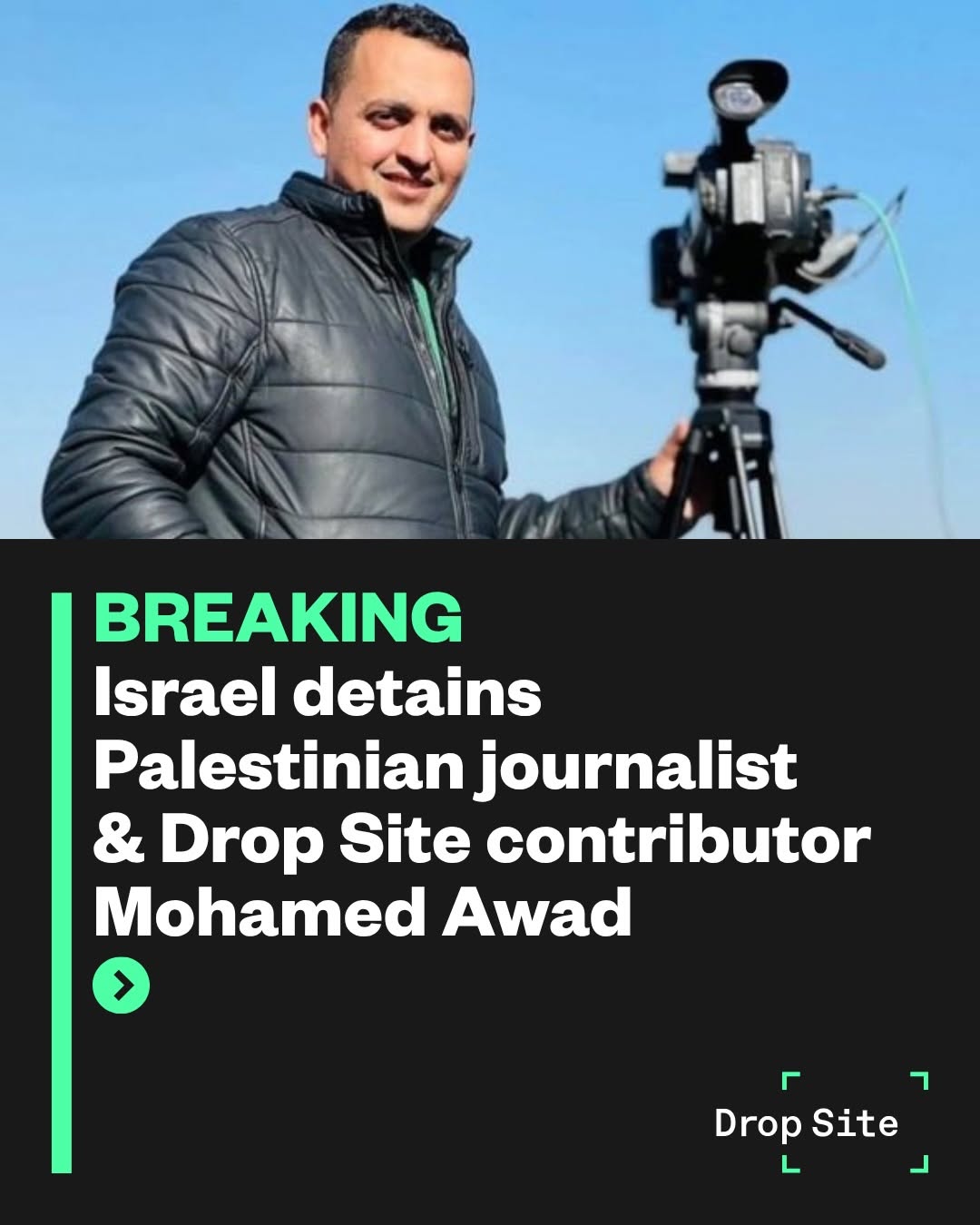
Concerning arrests, the committee documented two cases of journalists being detained, while also recording four cases of interrogation, as part of measures targeting journalists while performing their work or due to their journalistic activities.

The committee also monitored four cases of raids on homes and media outlets, some of which involved searches, tampering with contents, and interrogations of journalists. Additionally, one media outlet was closed and its contents confiscated.

With regard to journalistic equipment, the committee recorded three cases of confiscation and destruction of equipment, along with two cases of deletion of video footage during the prevention of journalists from covering events or attacks against them while performing their duties.

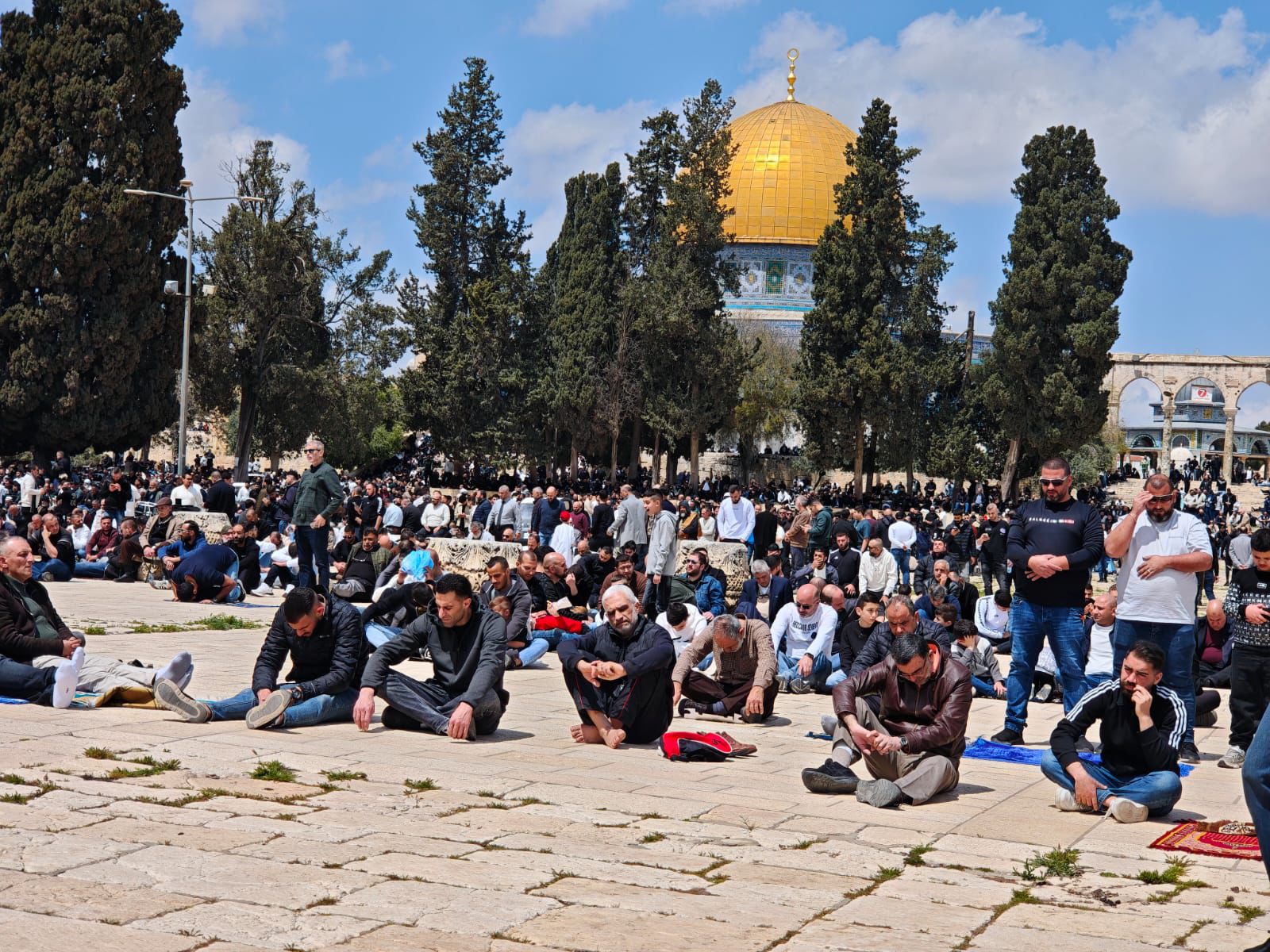
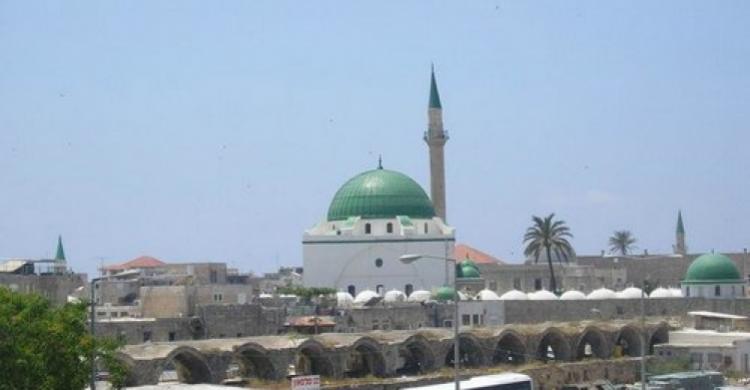
The Committee for Freedoms also documented two cases of journalists being barred from Al-Aqsa Mosque, where decisions were issued preventing them from entering the mosque’s courtyards for specific periods.

The field reports documented by the Committee during the month show that the attacks were not limited to one type of violation, but extended from arrest, interrogation, and detention to physical assault, targeting with tear gas and stun grenades, as well as preventing coverage, confiscating equipment, and deleting footage.

These findings confirm the continued exposure of Palestinian journalists to multiple risks and restrictions while performing their professional duty of reporting and documenting events, amidst repeated instances of prevention, detention, and attacks on media crews in various locations.

The Palestinian Journalists Association demands guarantees for the protection of journalists and their ability to perform their work without threats, attacks, or harassment. It also calls for respect for press freedom and the public’s right to access information, and for holding accountable those responsible for attacks and violations against journalists and media crews. Quds Press

Continue reading
Is There a New Regional Order Emerging?

By Mohammad Abu Rumman

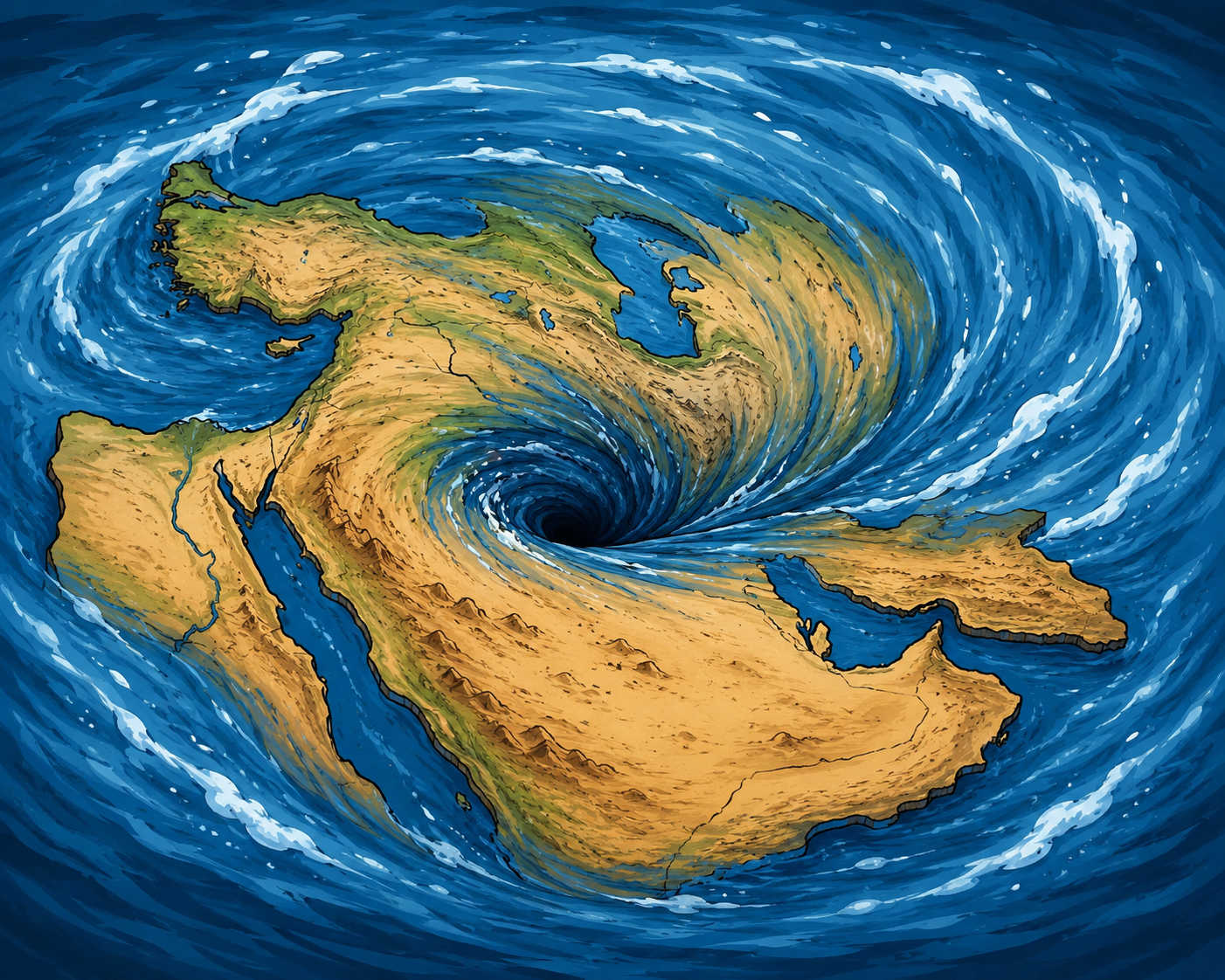
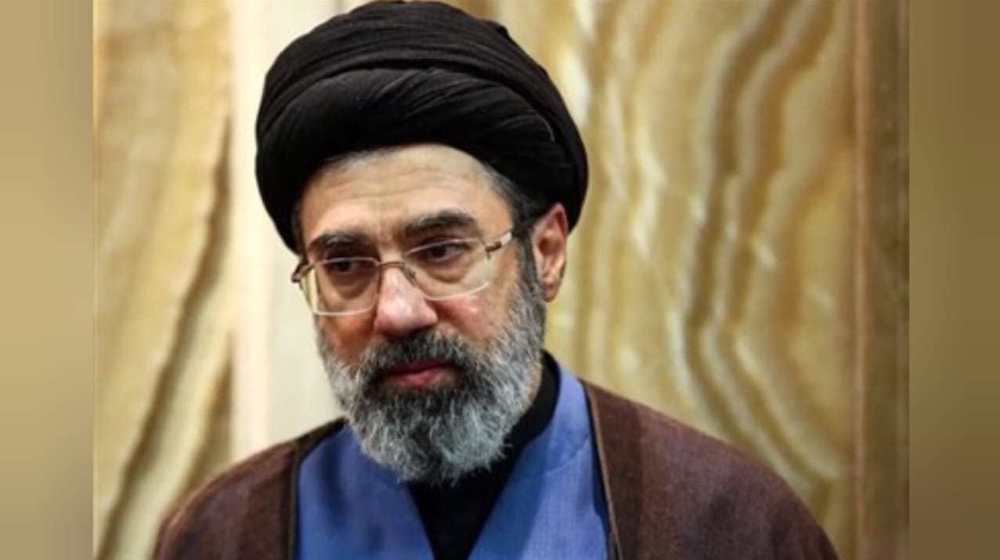
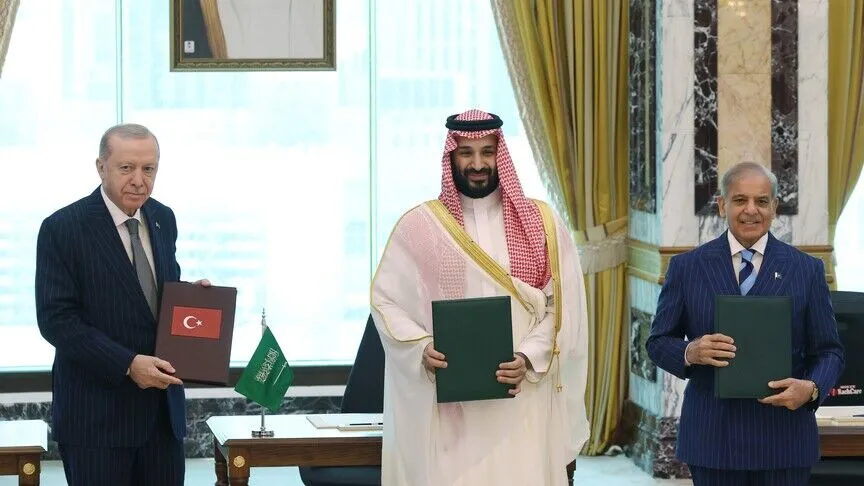
The trilateral Saudi-Turkish-Pakistani agreement, signed in Mecca last Friday and already being referred to as the “Mecca Mutual Defense Agreement,” should not be seen as just another diplomatic event in the region’s long history of security arrangements. What took place at Al-Safa Palace—where Saudi Crown Prince Mohammed bin Salman, Turkish President Recep Tayyip Erdoğan, and Pakistani Prime Minister Shehbaz Sharif agreed that an armed attack against any one of their countries would be considered an attack against all three—may signal the beginning of a new phase in Middle Eastern politics: one that could reshape regional alliances and, more importantly, the region’s relationship with the major powers.

The immediate context is clear. The agreement comes amid renewed US-Iranian tensions and escalating Houthi threats. But interpreting it simply as an attempt to “protect Saudi Arabia from Iran” misses the larger strategic picture. What is emerging goes beyond the immediate Iranian question. It points toward an effort to construct a regional order that is less dependent on the binary that has dominated Middle Eastern geopolitics for years: the US-Israeli axis on one side and Iran and its network of allies on the other.

There is another important dimension. The agreement effectively redraws the geopolitical boundaries of the Middle East by bringing Pakistan more directly into its security architecture while consolidating Turkey’s role as a central regional actor. This represents a departure from the conventional understanding of the regional system as primarily comprising the Arab states, Iran, Israel and Turkey. It comes, moreover, at a moment of profound transformation following the fall of Bashar al-Assad’s regime and the weakening of the old division between the Iranian-led “Axis of Resistance” and the traditional Arab “moderate camp.

In practical terms, the new arrangement offers a different model—one that could provide regional powers with greater strategic and security autonomy. In that sense, it differs fundamentally from the regional vision advanced by President Donald Trump through the Abraham Accords, in which Israel occupies a central position in a US-backed regional security architecture. After the Gaza war, that model increasingly raises another question: whether integration with Israel means accepting not only normalization, but also an Israeli claim to military primacy in the region.

Seen from this perspective, the trilateral alliance may be less about confronting Iran than about challenging the underlying logic of the Abraham Accords.This may also explain Benjamin Netanyahu’s warnings several months ago about the emergence of what he described as a “radical Sunni axis.” Israel, meanwhile, has been pursuing its own countervailing network of partnerships. India—Pakistan’s historic rival—has become increasingly important in this calculus, alongside Israel’s strategic relationships with Greece and Cyprus and, more recently, Argentina. These relationships serve strategic purposes of their own, but they also help Israel counter the growing perception of regional isolation in the aftermath of the Gaza war.

Nor should the Saudi-Turkish-Pakistani framework necessarily be viewed as a closed alliance. It has the potential to evolve into a broader regional umbrella centred on the Middle East’s increasingly influential middle powers. Other Arab states could eventually find a place within such a framework, including Jordan, Qatar and Egypt, and perhaps even Syria, which now faces Israeli military encroachment and the occupation of additional territory in its south following the collapse of the Assad regime.

Barry Buzan’s theory of regional security complexes provides a useful lens through which to understand the significance of this development. From this perspective, the emerging alignment represents change on three interconnected levels.

First, it expands the geopolitical boundaries of the Middle Eastern regional security complex, particularly by integrating Pakistan more directly into its strategic calculations. Second, it intensifies competition over the hierarchy of regional power: which states will emerge as the principal poles of influence within this enlarged security system? And third, it forces a reconsideration of the familiar categories of alliance, rivalry and cooperation that have shaped our understanding of Middle Eastern politics for decades.

The significance of the Mecca Agreement, therefore, lies not only in what the three countries have formally committed themselves to, but in what the agreement potentially represents: the search for a regional security architecture that is neither entirely dependent on Washington nor organized around Israel, while at the same time avoiding subordination to an Iranian-led regional order.

Yet this is precisely where the real questions begin. The agreement faces three major tests. The first is whether it can move beyond political declarations towards credible institutional and military mechanisms. The second is whether Saudi Arabia, Turkey and Pakistan can develop a sufficiently coherent strategic agenda despite their different interests, alliances and regional priorities. The third—and ultimately decisive—test will come when one of the three countries faces an actual security crisis and collective commitments collide with the national calculations of the other two.

The Mecca Agreement may indeed mark an important turning point in the architecture of Middle Eastern security. But regional orders are not created by communiqués alone. Between declaring an alliance and proving that it exists lies the most difficult test of all: what its members are prepared to do when their commitments carry a real political and strategic cost.

By Mohammad Abu Rumman is a columnist in The Jordan Times

Continue reading
The Women of Jerusalem

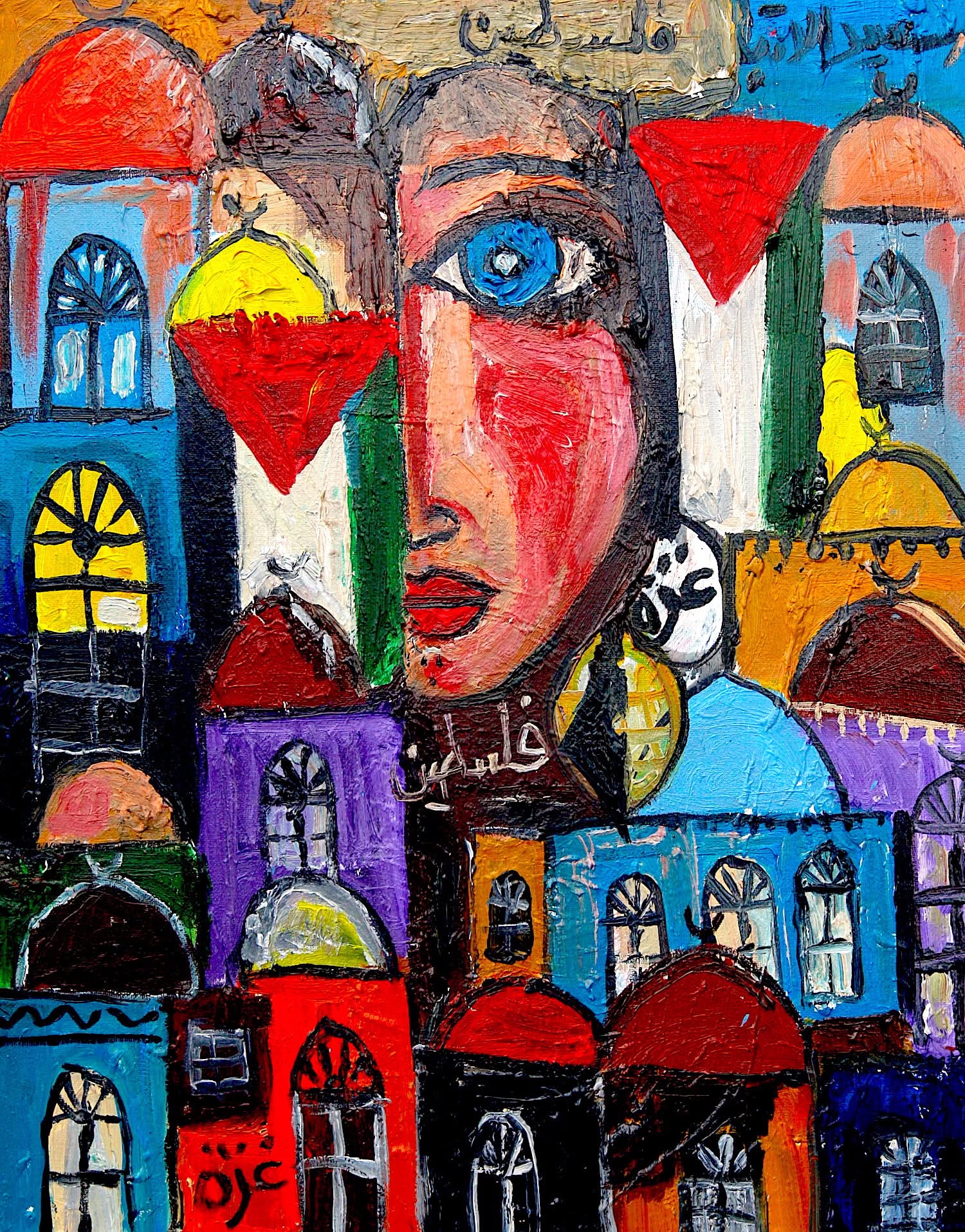
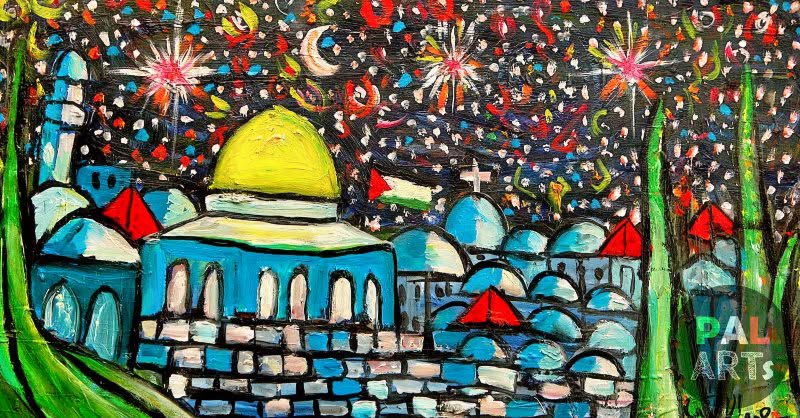
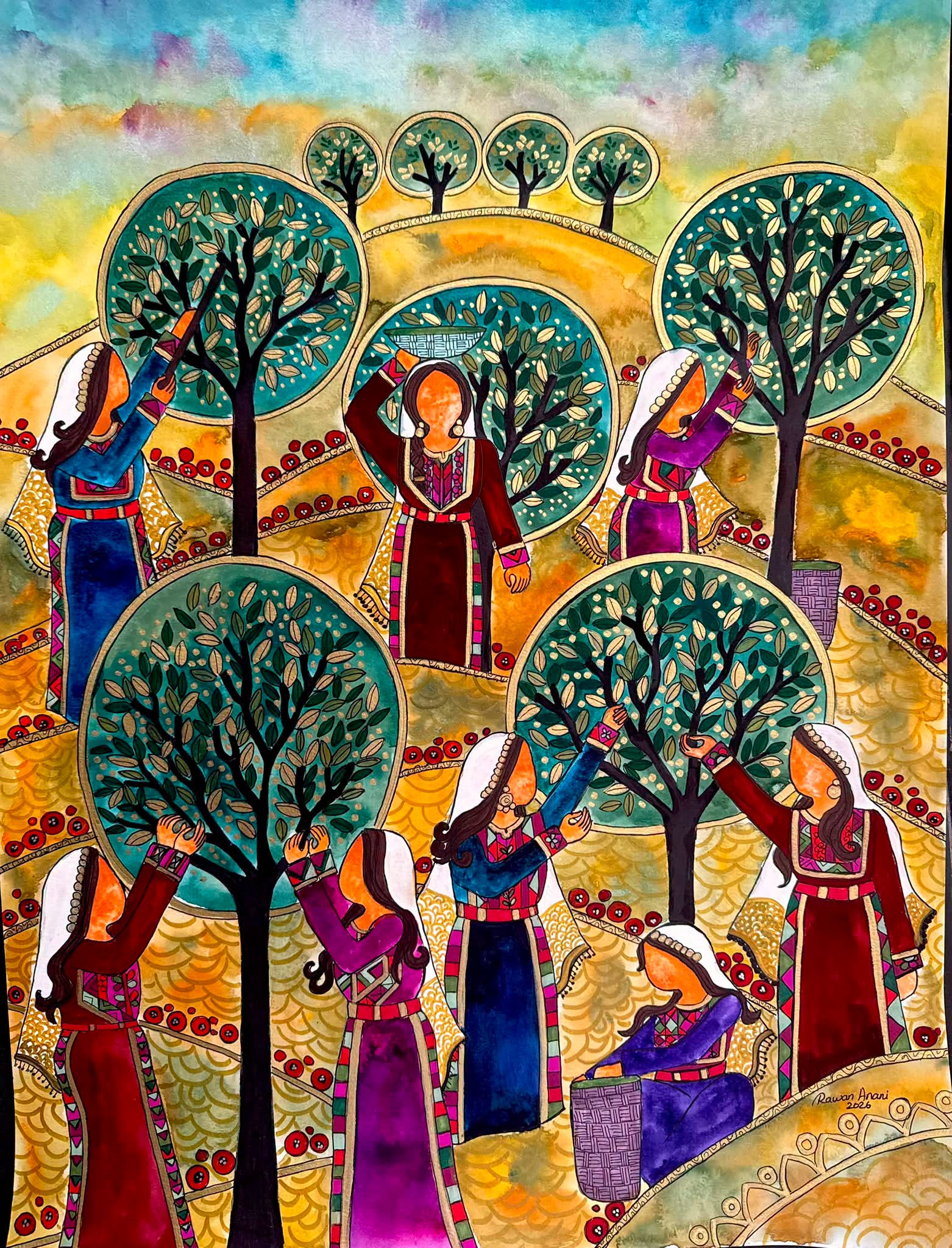
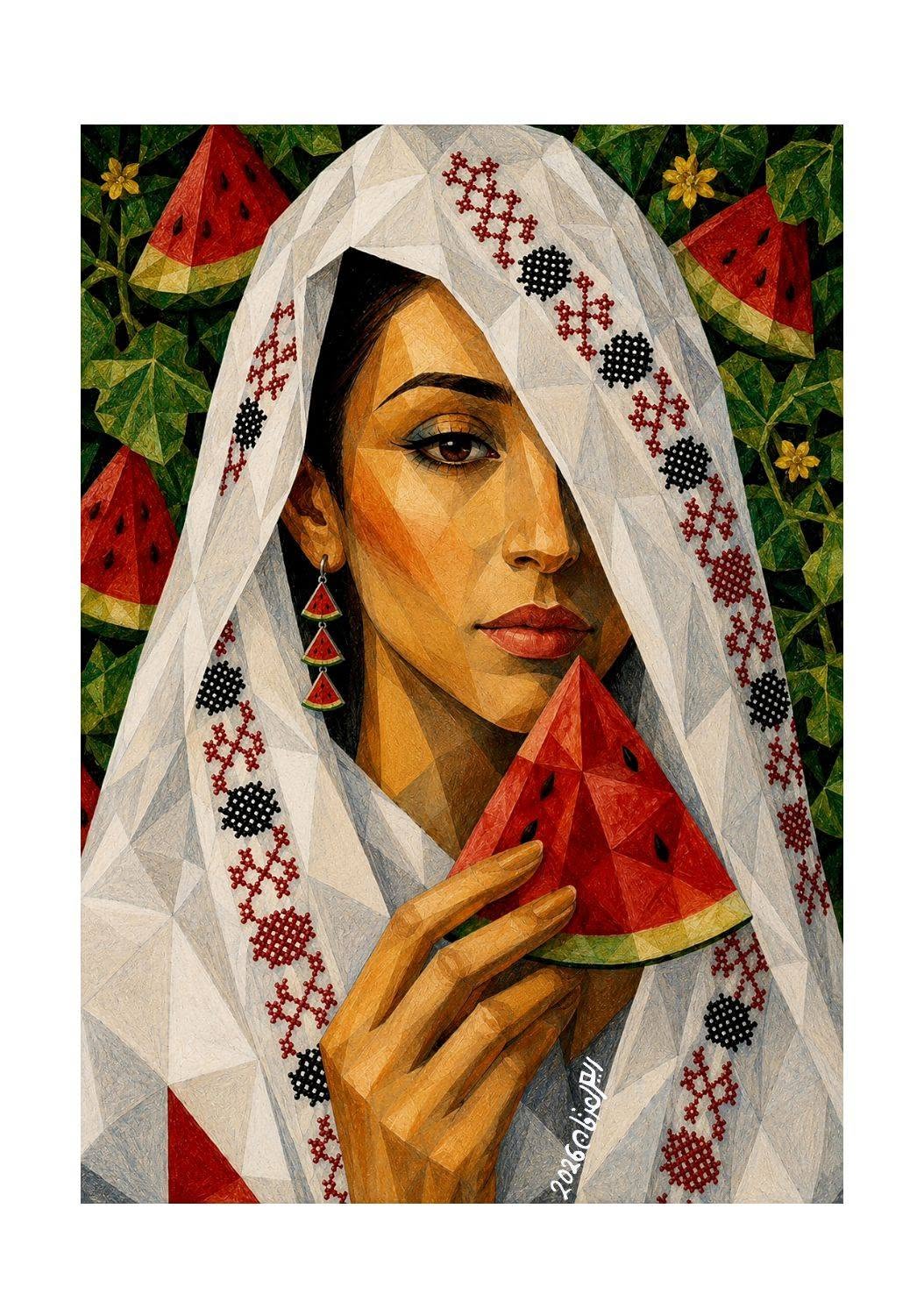
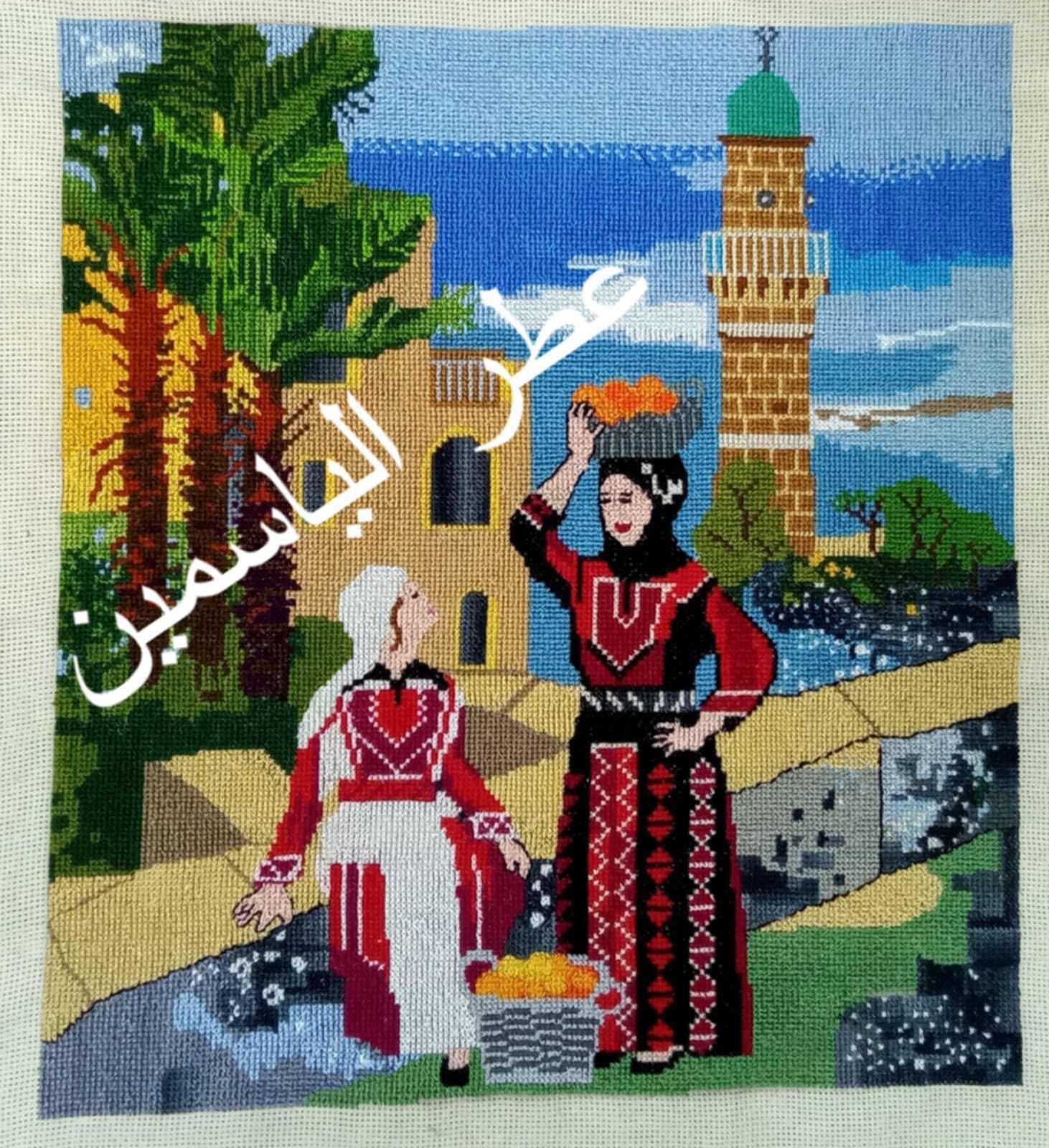
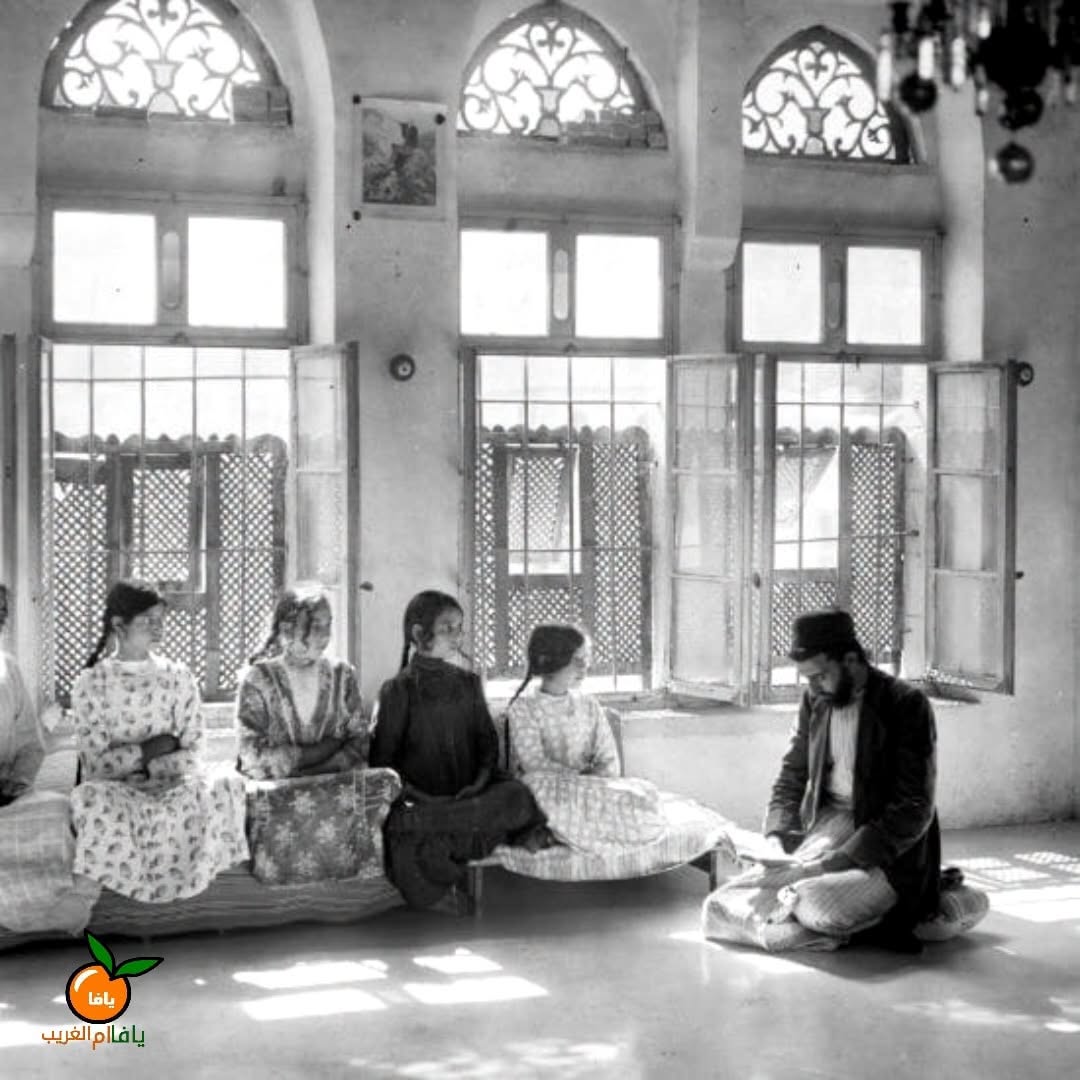
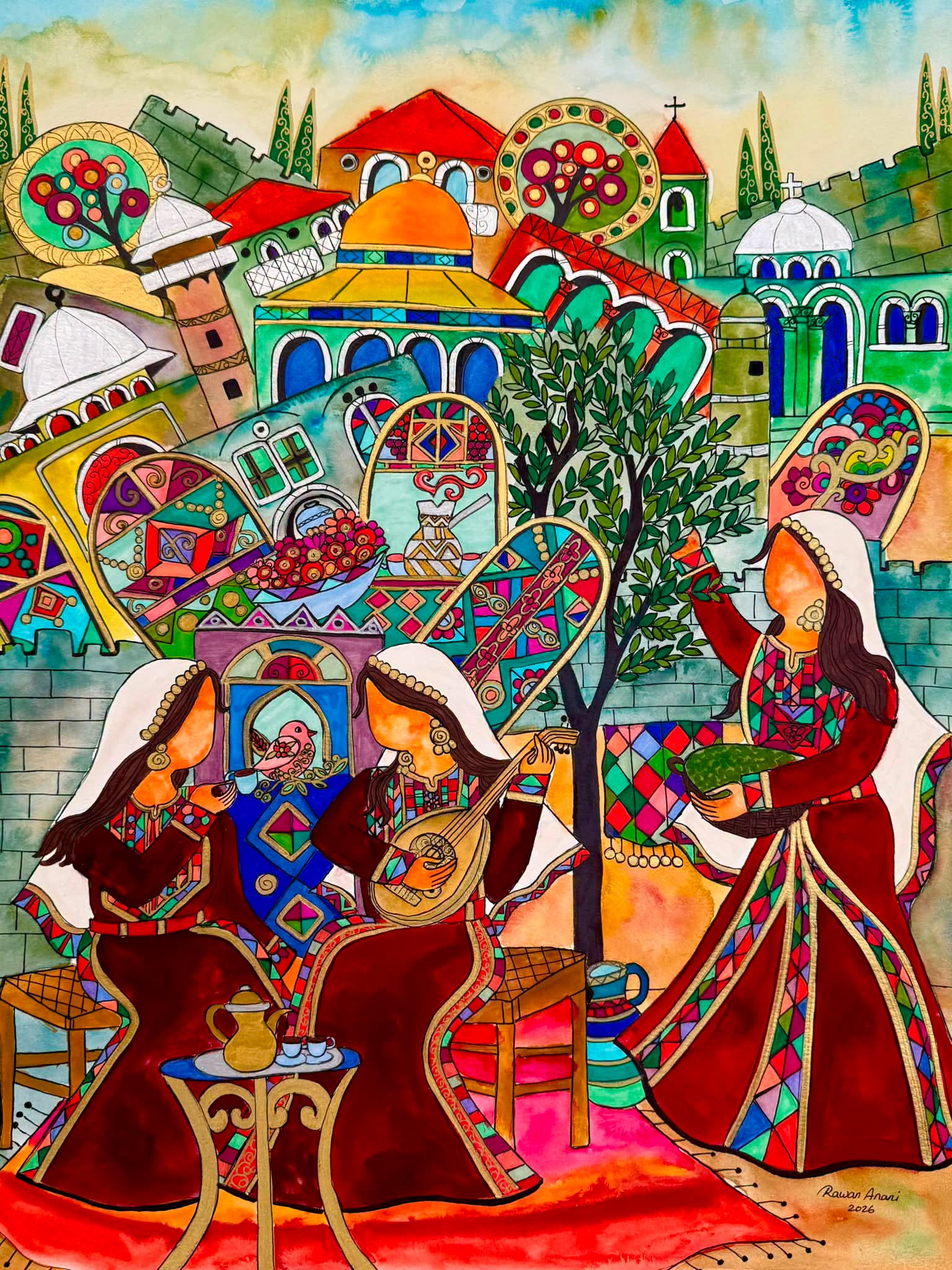
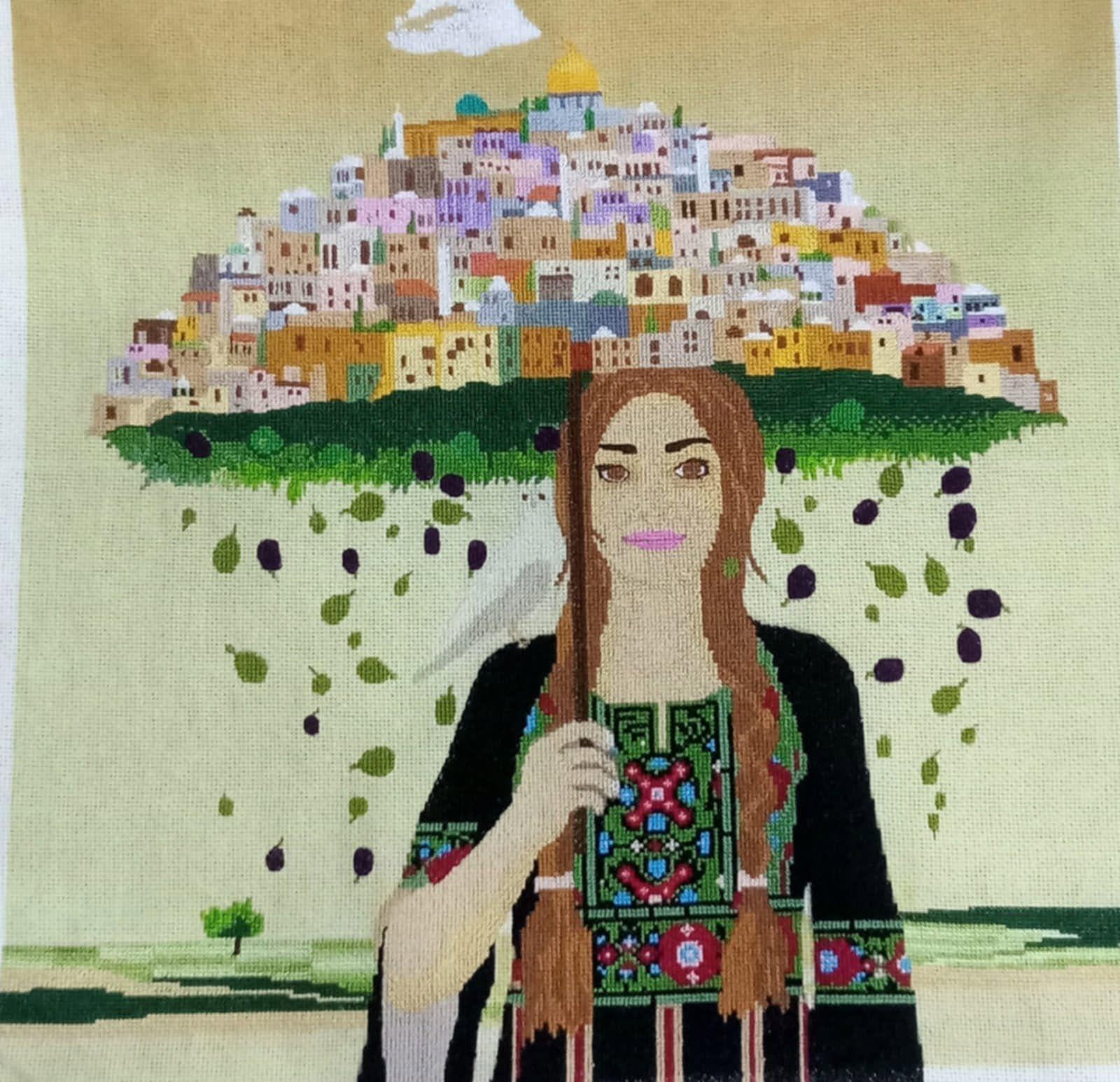
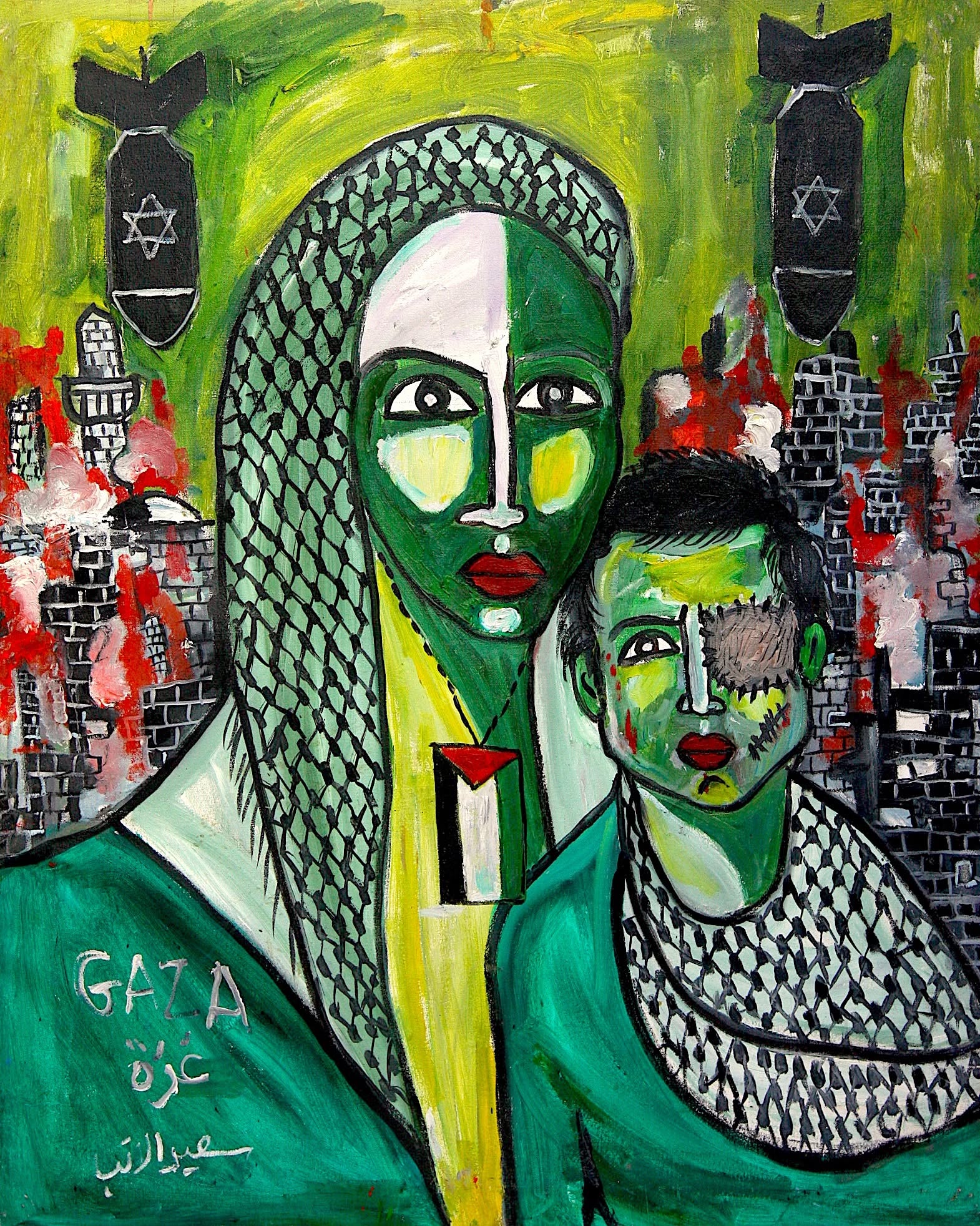
CROSSFIREARABIA – This painting on the Women of Jerusalem was painted this year, 2026 by Rawan Al Anani. Its made in bright, vivacious colors of women in embroidered dresses. Some are sitting sipping tea at a leisurely pace while others attending the olive tree. All this against a Jerusalem background of homes, mosques and churches which speaks of a rich Palestinian community and a society. The details in the brush stroke speaks of a diversified but integrated.

Continue reading
Gaza Sea: A Time Bomb in Waiting

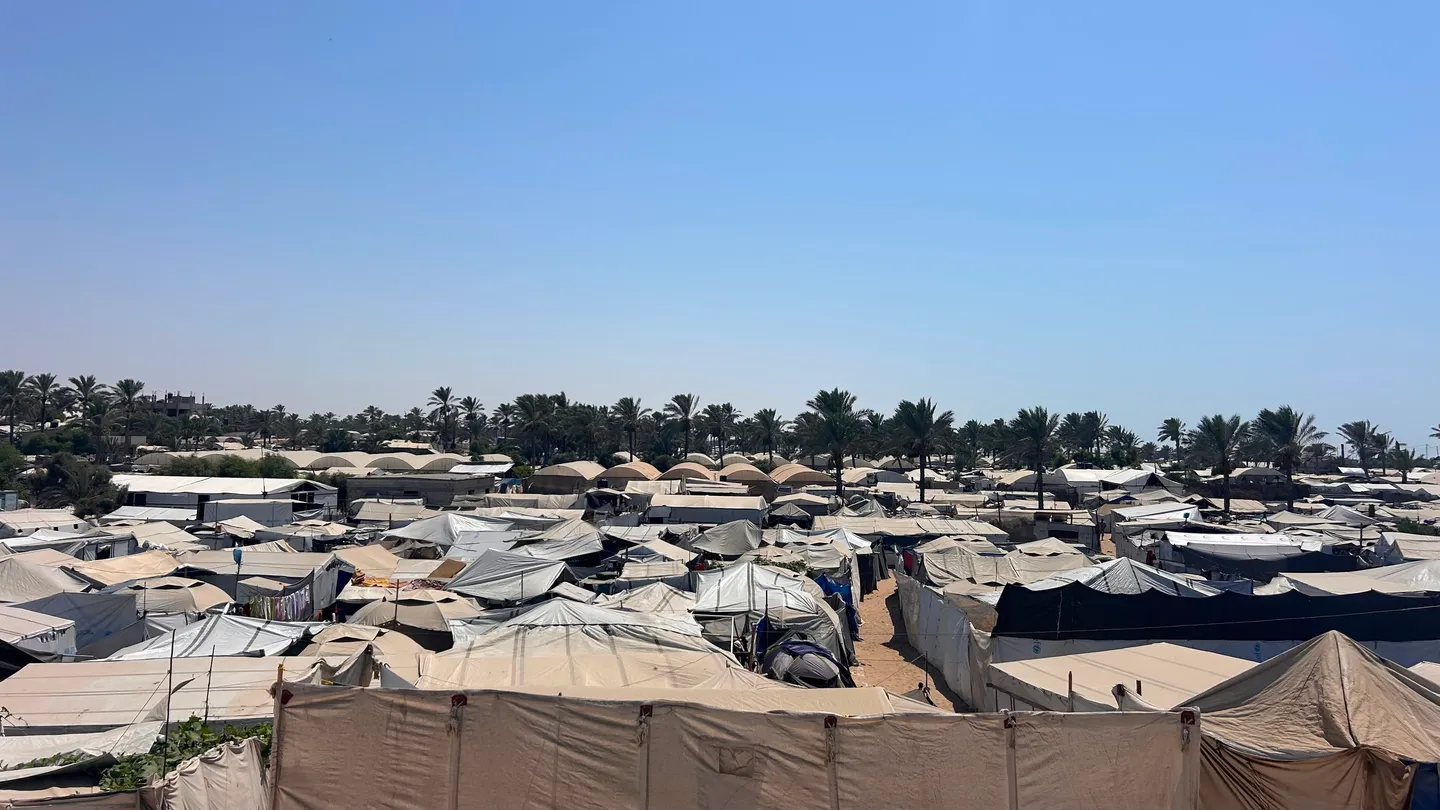
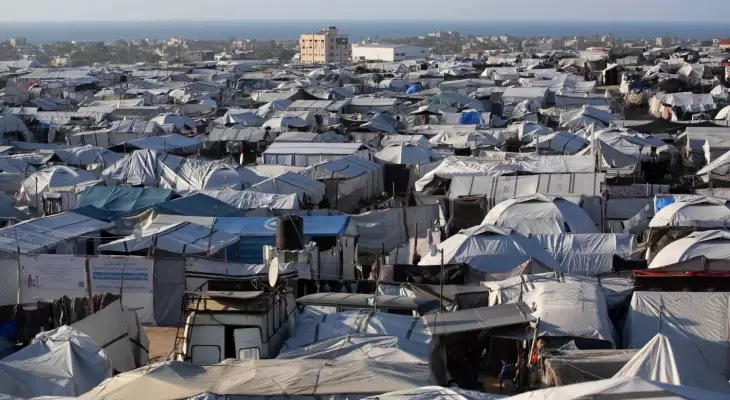
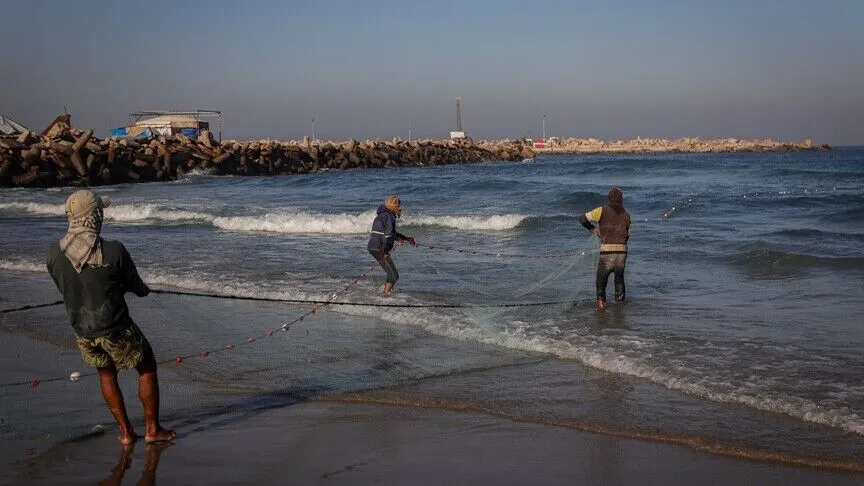
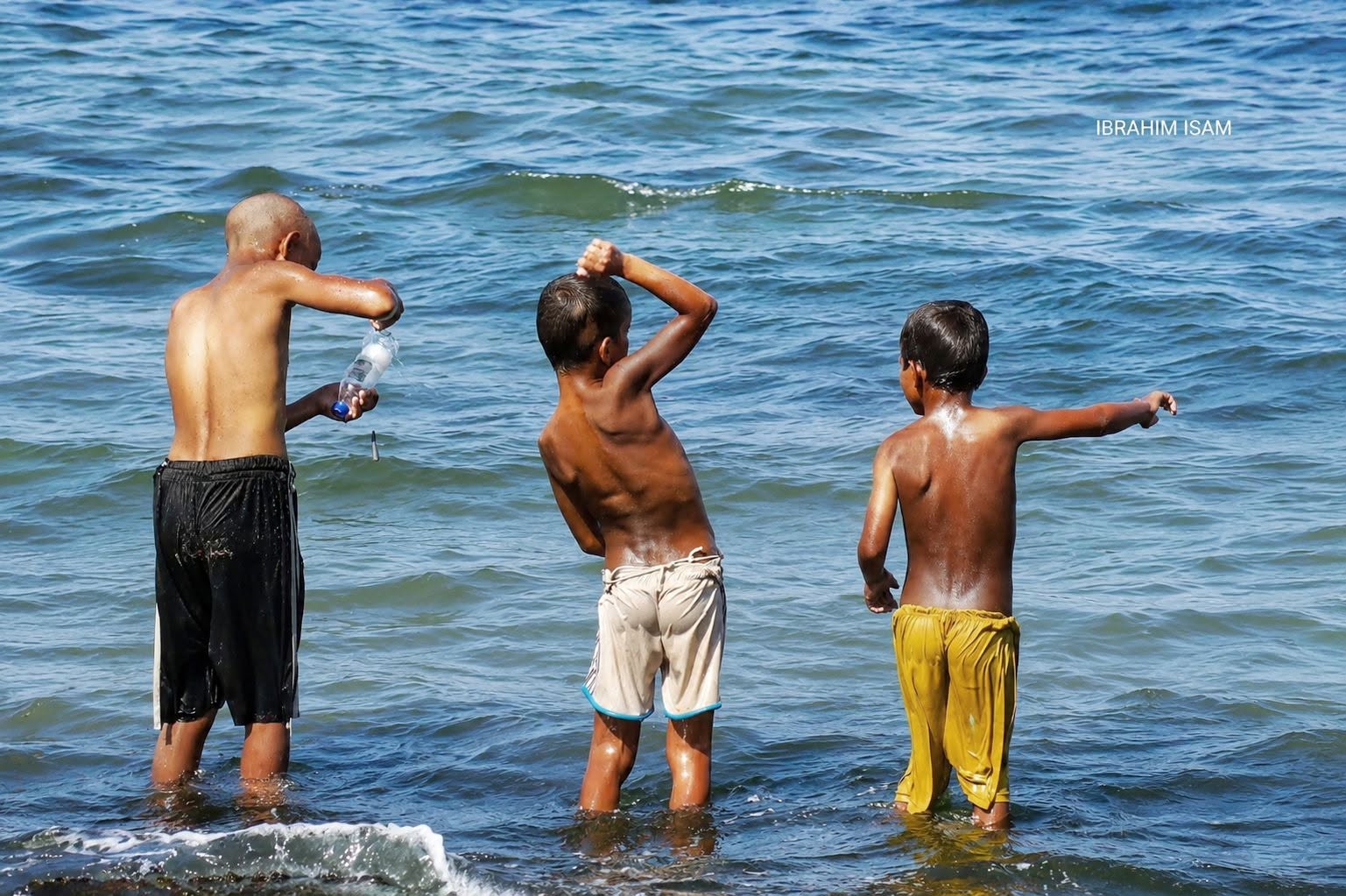
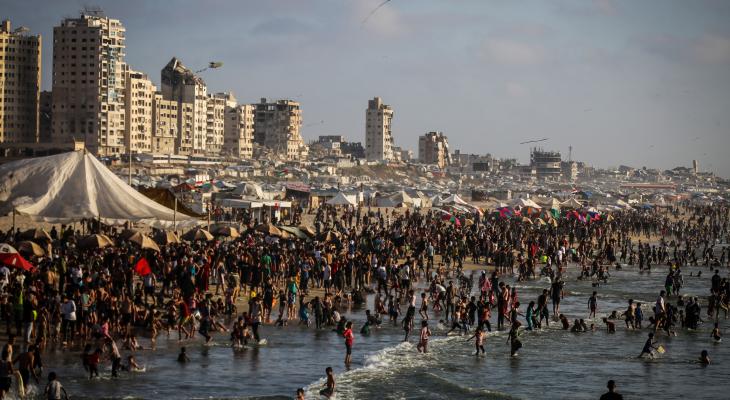
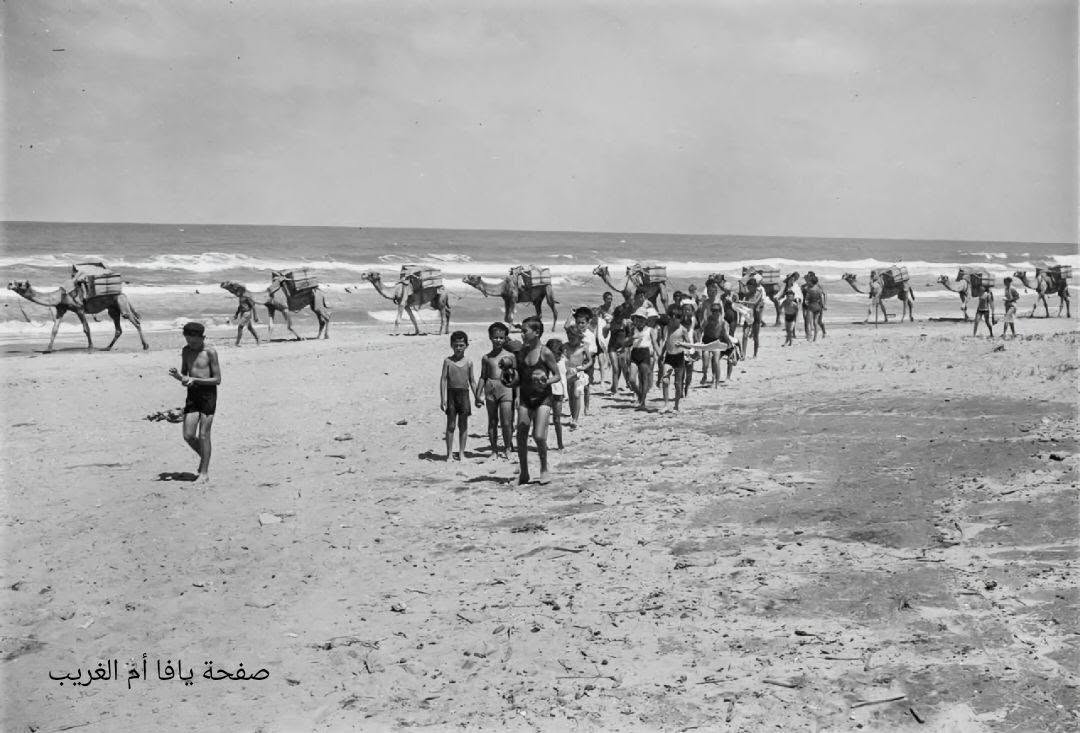
As the sweltering summer heat intensifies and living conditions shrink for residents of the Gaza Strip, the beach is no longer just a place for picnics, relaxation, or seasonal recreation for hundreds of thousands of families. Instead, it has become the last remaining geographical refuge from the scorching heat inside dilapidated tents and overcrowded makeshift settlements.

Along the Gaza City coastline, large numbers of people flock daily in search of fleeting moments of respite and a breath of fresh air.

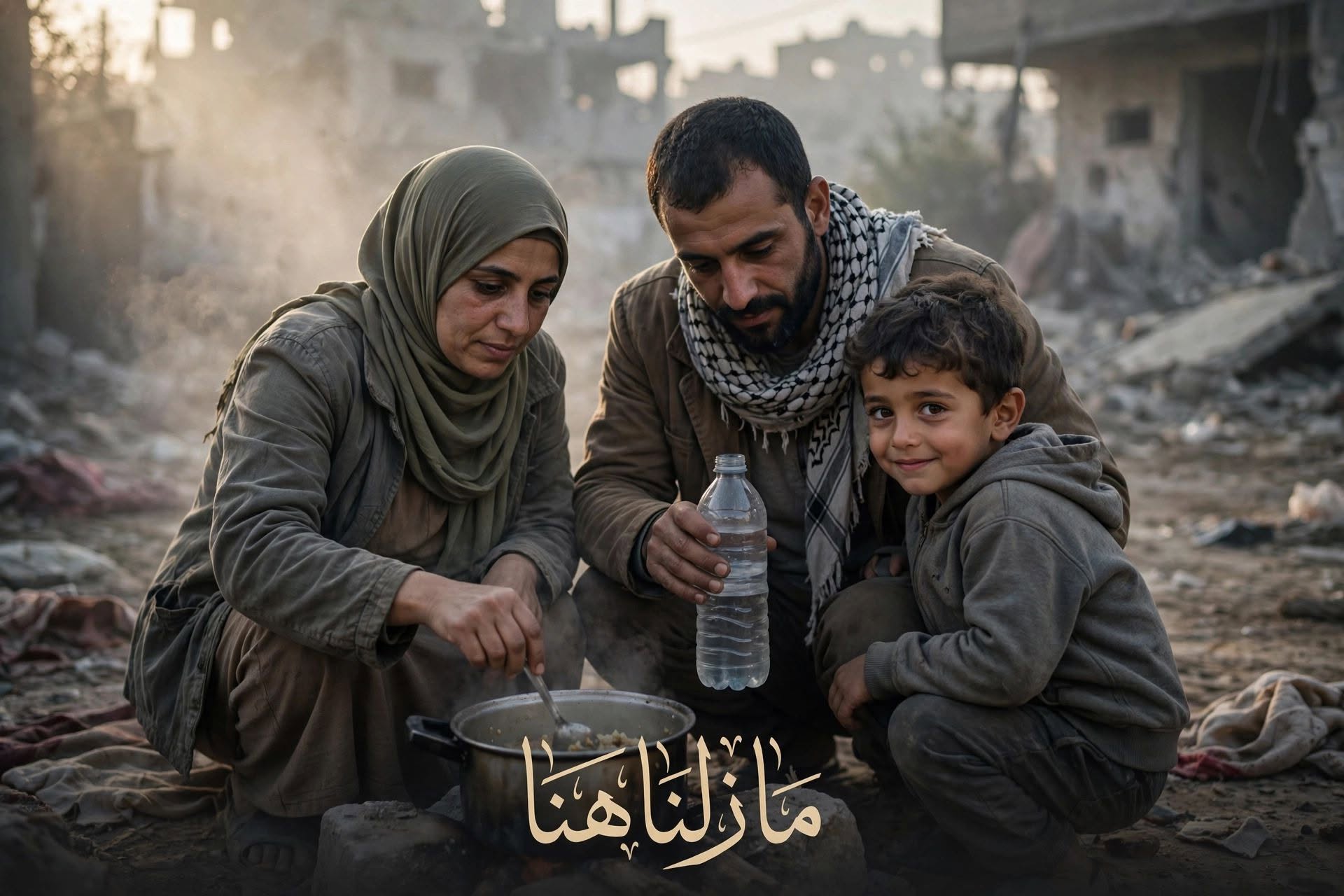
Faced with an unprecedented and severe shortage of potable water, dozens of families living near the beach have become directly dependent on seawater for their daily needs, such as bathing children and washing clothes and belongings, despite being fully aware of the associated environmental and microbiological risks.

Read also: Between Pollution and the Lack of Rescue Equipment: A Deepening Disaster on Gaza’s Beaches

This crisis is taking on even more complex dimensions as nearly two million Palestinians remain crammed into a narrow coastal strip that comprises only 12% of the Gaza Strip’s total area, according to data from the Civil Defense Authority.

This forced overcrowding along the coastline has made daily, direct contact with the marine environment the only viable option for saving lives from the sweltering heat and harsh displacement conditions.

Before the war, the relevant environmental and health authorities in the Gaza Strip subjected the beach waters to regular monitoring and testing. Based on these tests, they distributed color-coded awareness maps indicating safe and prohibited swimming areas for the public, using precise scientific indicators.

In the last official assessment published before the war, specifically in July 2023, the Palestinian Water and Environmental Quality Authority announced that approximately 60% of the Gaza Strip’s total coastline was classified as a safe and healthy environment for recreational swimming, based on microbiological tests and field health inspections. Pollution was limited to 40% of the coastline near known discharge points.

However, these figures and calculations are now outdated and cannot be applied to the situation in 2026 as reported in the Sanad News Agency.

Continue reading