UN Declares Gaza Famine Zone

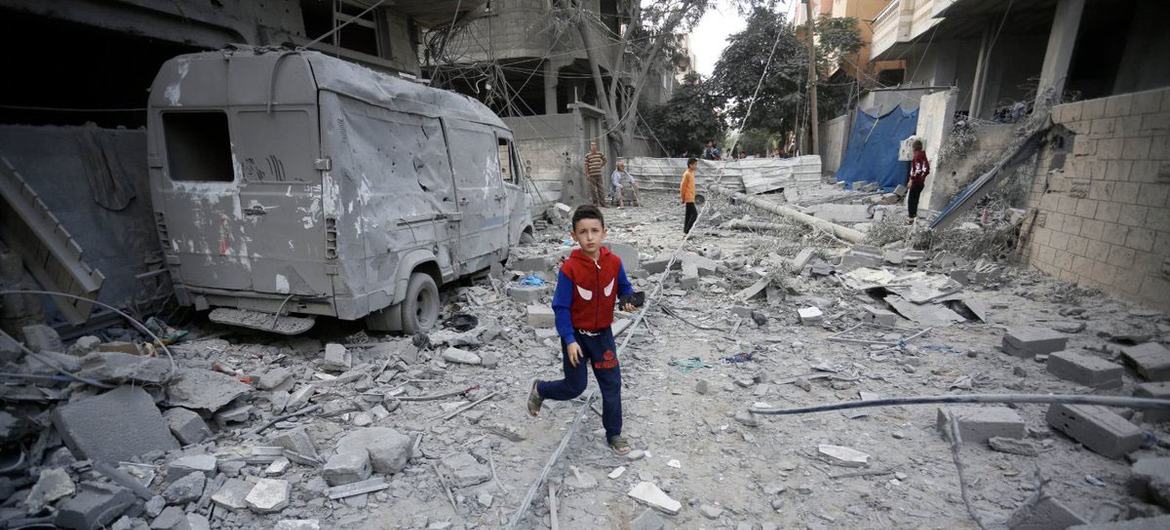
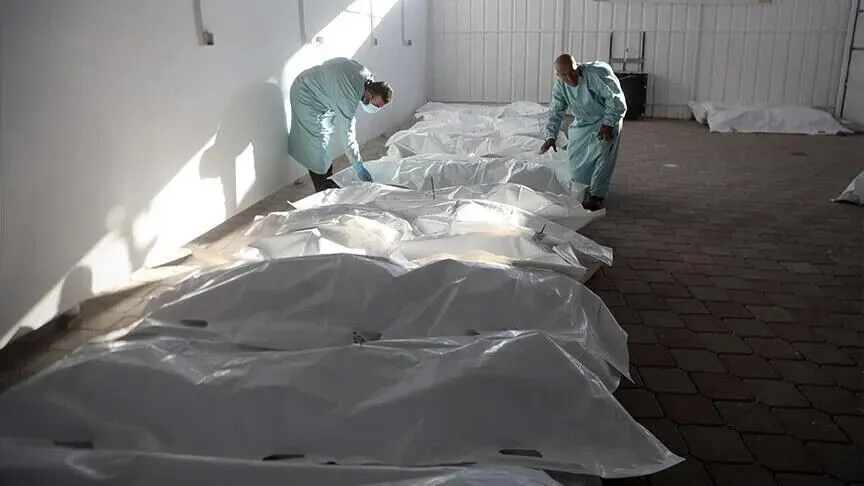
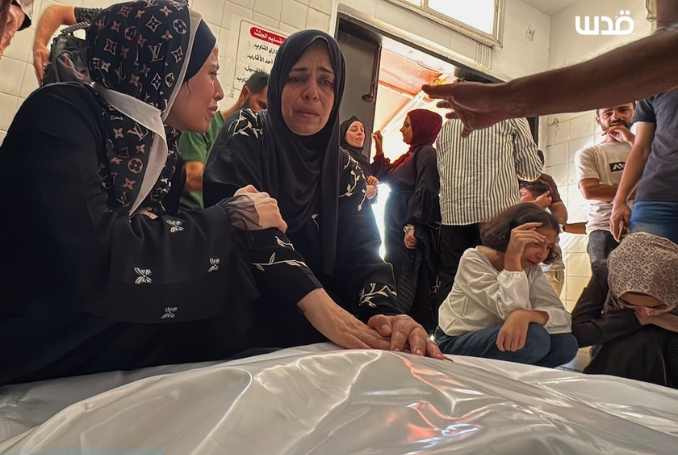
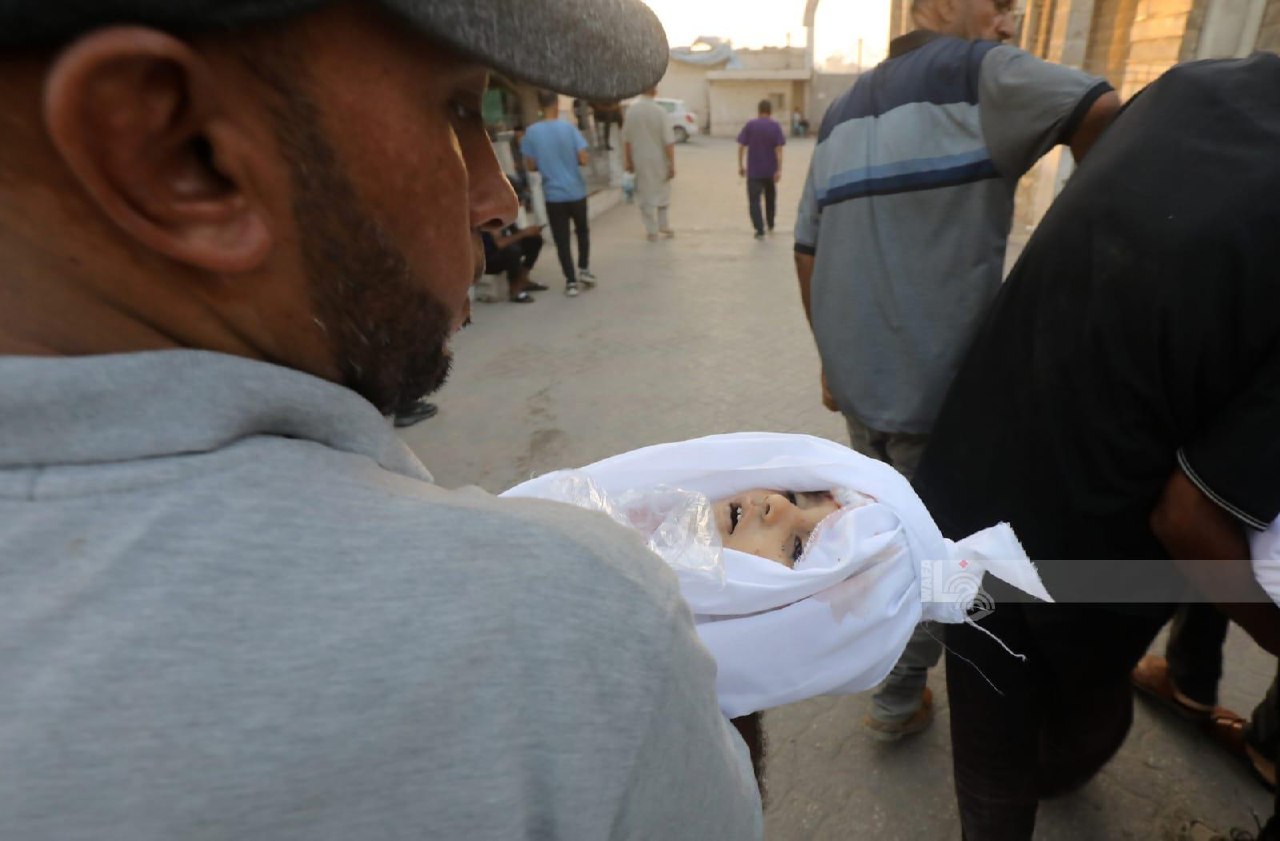
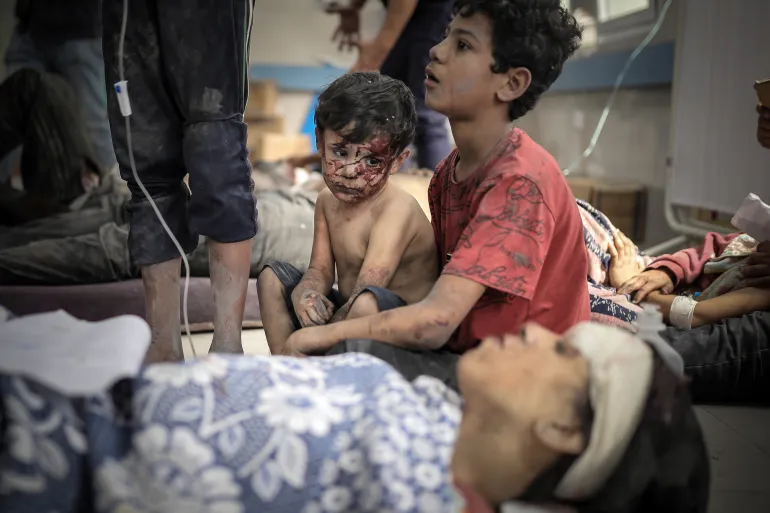
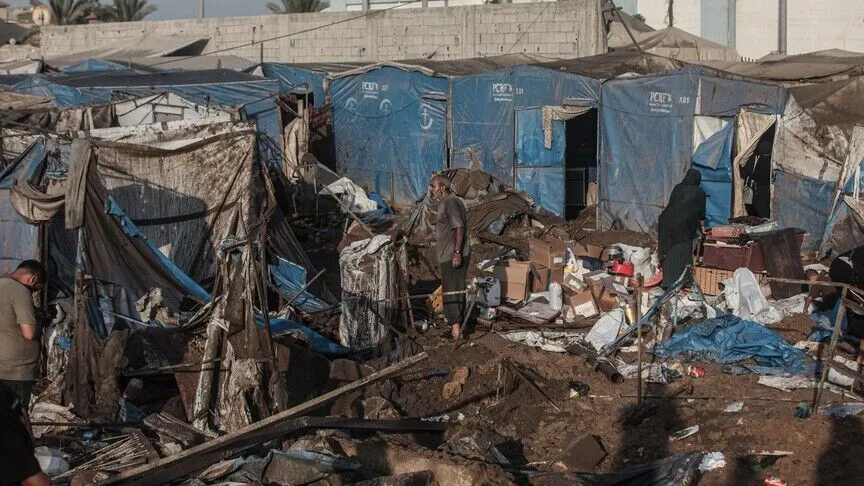
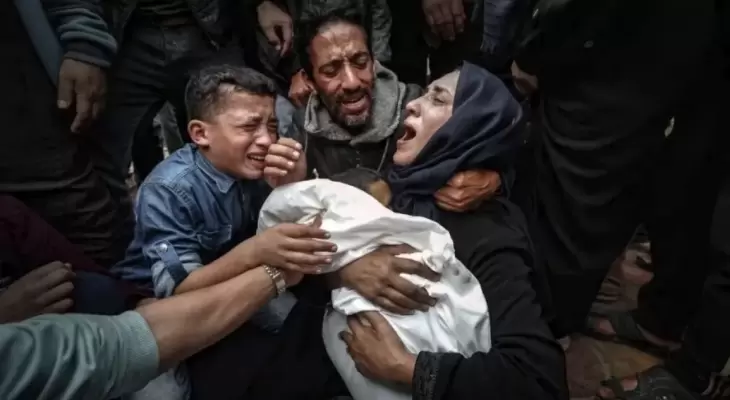
More than half a million people in Gaza are trapped in famine, marked by widespread starvation, destitution and preventable deaths, according to a new UN-backed food security report released on Friday.

UN Secretary-General António Guterres said the results of the Integrated Food Security Phase Classification (IPC) analysis were no mystery: “It is a man-made disaster, a moral indictment – and a failure of humanity itself.

“Famine is not about food; it is the deliberate collapse of the systems needed for human survival.”

Famine conditions are projected to spread from Gaza Governorate to Deir Al Balah and Khan Younis Governorates in the coming weeks, the IPC estimates.

Israel’s obligations

“As the occupying power, Israel has unequivocal obligations under international law – including the duty of ensuring food and medical supplies of the population,” said the UN chief, reacting to the famine declaration from the IPC, which is endorsed by dozens of governments, UN agencies and NGOs as the key evidence-based measure of food insecurity and malnutrition.

See our UN News explainer here.

Mr. Guterres said Israel’s denial of its duties could not be allowed to continue: “No more excuses. The time for action is not tomorrow – it is now.”

Silence the guns, release the hostages

UN agencies operating in Gaza joined the UN chief in calling for an immediate ceasefire to finally allow unimpeded, large-scale humanitarian response and the immediate release of all hostages taken by Hamas and other militants during the 7 October 2023 terror attacks.

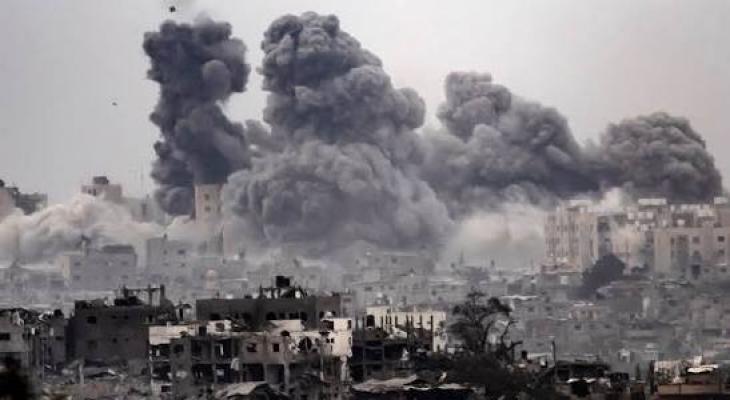
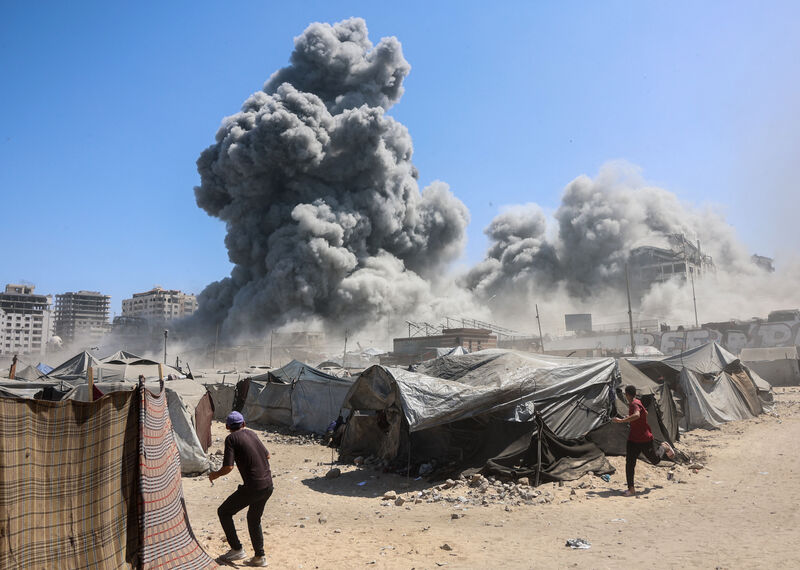
Agencies also expressed grave concern over the threat of the intensified military offensive on Gaza City and any further escalation in the conflict, as it would have further devastating consequences for civilians where famine conditions already exist.

“Many people – especially sick and malnourished children, older people and people with disabilities – may be unable to evacuate,” they said in a joint statement.

Famine set to expand

By the end of September, more than 640,000 people will face ‘catastrophic’ levels of food insecurity – classified as IPC Phase 5 – across the Gaza Strip.
An additional 1.14 million people in the enclave will be in phase 4 with a further 396,000 people facing phase 3 ‘crisis’ conditions.

Conditions in North Gaza are estimated to be as severe – or worse – than in Gaza City. However, limited data prevented an IPC classification, highlighting the urgent need for access.

Classifying famine means that the most extreme category is triggered when three critical thresholds – extreme food deprivation, acute malnutrition and starvation-related deaths – have been breached. The latest analysis now affirms on the basis of reasonable evidence that these criteria have been met, UN agencies said.

Briefing journalists on Friday at UN headquarters in Geneva, the UN Emergency Relief Coordinator Tom Fletcher said it was a famine that could have been prevented “if we had been allowed.”

A young severely malnourished girl is helped into her clothes.

© UNICEF/Eyad El Baba

A young severely malnourished girl is helped into her clothes.

Famine in a fertile land

“Yet food stacks up at borders because of systematic obstruction by Israel. It is a famine within a few hundred metres of food, in a fertile land.

It is a famine that we repeatedly warned of – but that the international media has not been allowed in to cover, to bear witness,” he added.

“It is a famine in 2025. A 21st century famine watched over by drones and the most advanced military technology in history. It is a famine openly promoted by some Israeli leaders as a weapon of war.”

On a wider scale, Mr. Fletcher said it was “the world’s famine. It is a famine that asks ‘but what did you do?’ A famine that will and must haunt us all.”

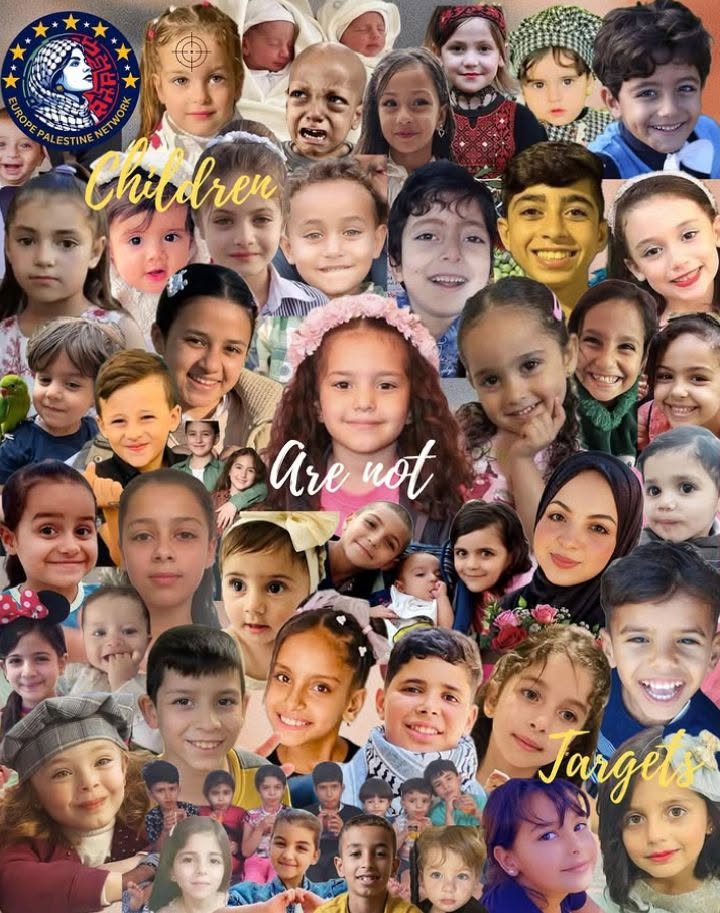
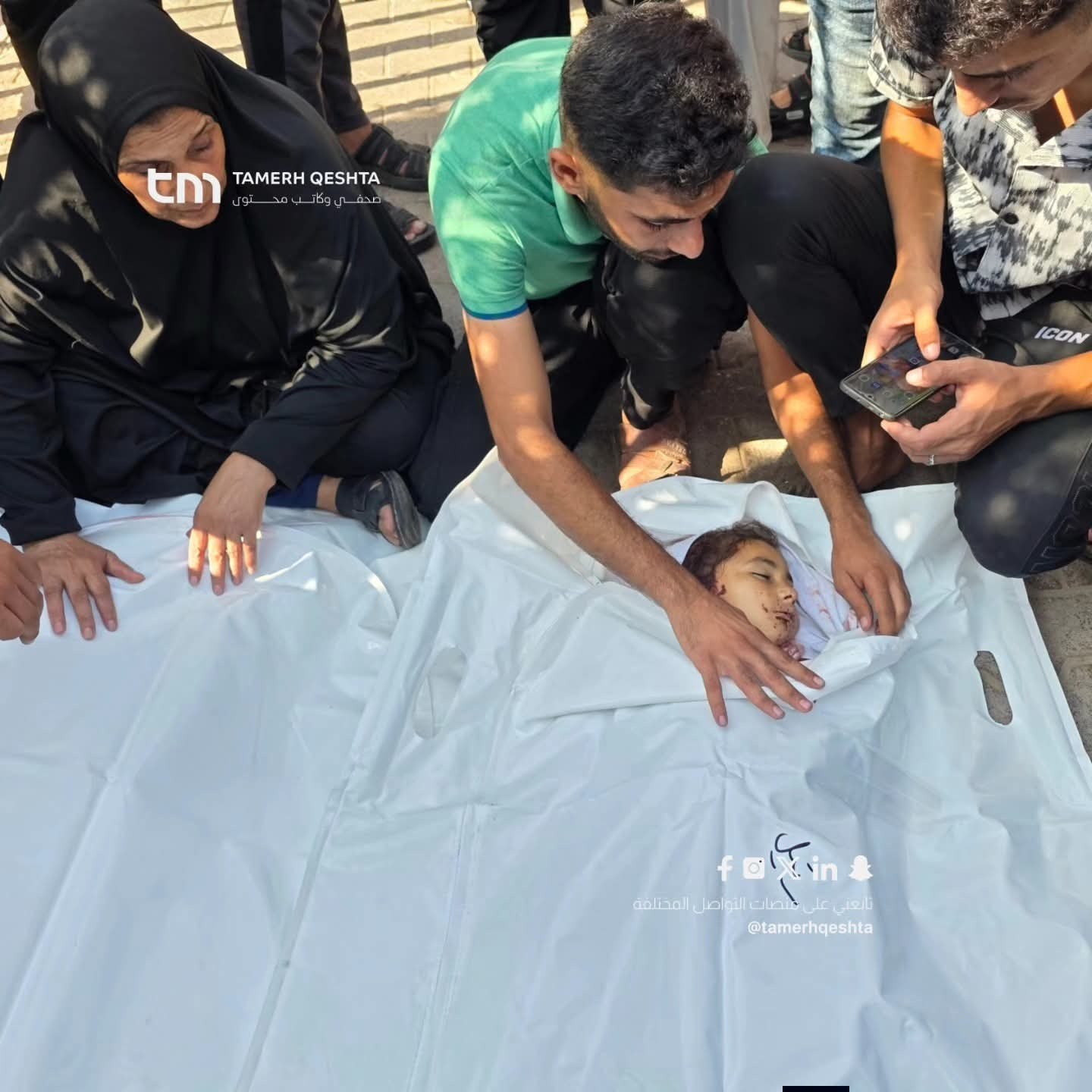
Malnutrition among children in Gaza is accelerating “at a catastrophic pace”, said UN agencies, who note that in July alone, more than 12,000 children were identified as acutely malnourished – the highest monthly figure ever recorded and a six-fold increase since the start of the year.

Possible war crime

UN human rights chief Volker Türk said the famine was the “direct result” of Israeli Government policies.

It is a war crime to use starvation as a method of warfare, and the resulting deaths may also amount to the war crime of willful killing,” he said.

“Israeli authorities must take immediate steps to end the famine in the Gaza Governorate and prevent further loss of life across the Gaza strip. They must ensure immediate entry of humanitarian assistance in sufficient amounts, and full access to UN and other humanitarian organizations.”

First Middle East famine

Since the last IPC Analysis in May, the number of children expected to be at severe risk of death from malnutrition by the end of June 2026 has tripled from 14,100 to 43,400.

The new assessment reports the most severe deterioration since the IPC began analysing acute food insecurity and acute malnutrition in Gaza Strip, and it marks the first time a famine has been officially confirmed in the Middle East region.

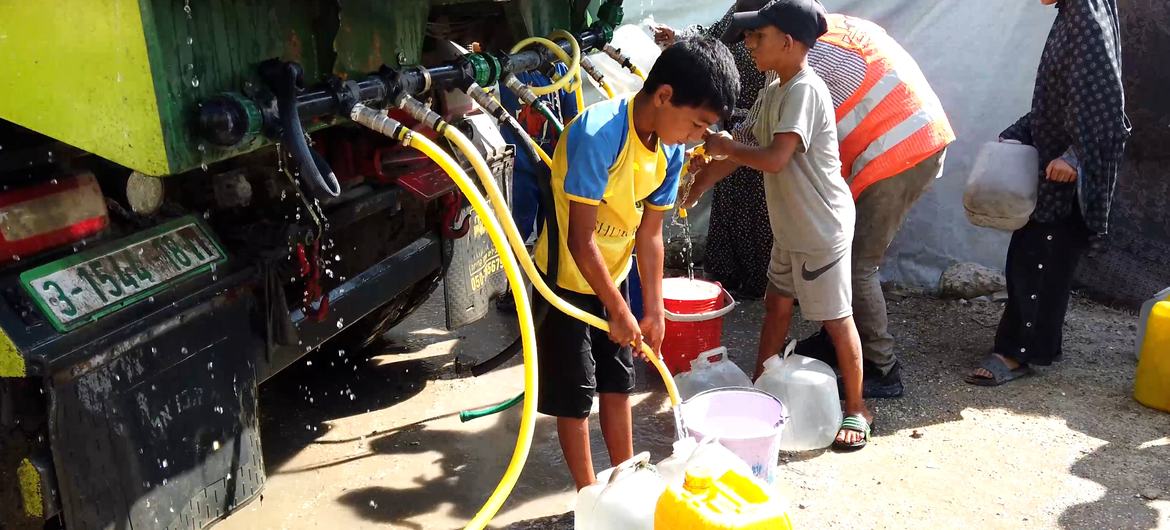
Since July, food and aid supplies entering Gaza increased slightly but remained vastly insufficient, inconsistent and inaccessible compared to the need.

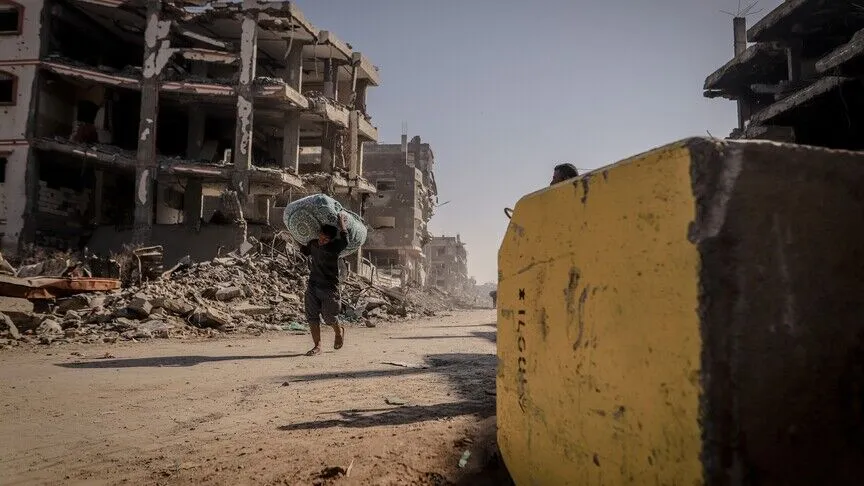
Meanwhile, approximately 98 percent of cropland in the territory is damaged or inaccessible – decimating the agriculture sector and local food production – and nine of ten people have been serially displaced from homes. 

UN News

Continue reading
Netanyahu Wants ‘to Free’ and ‘Occupy’

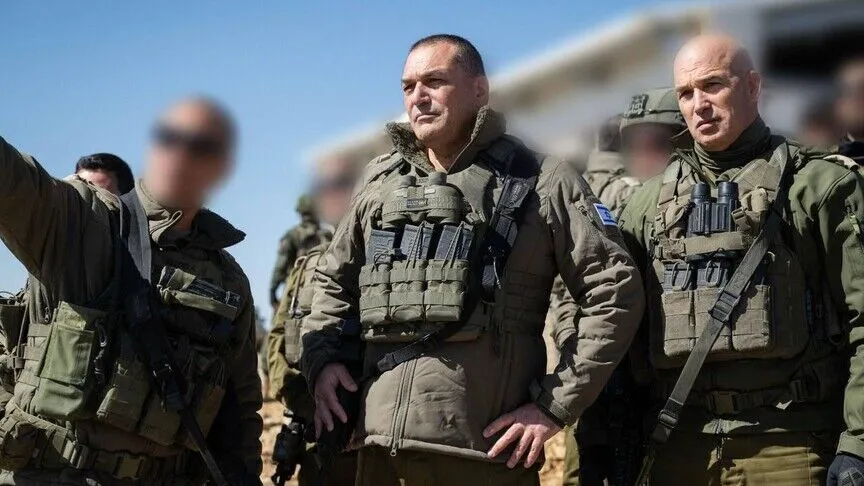
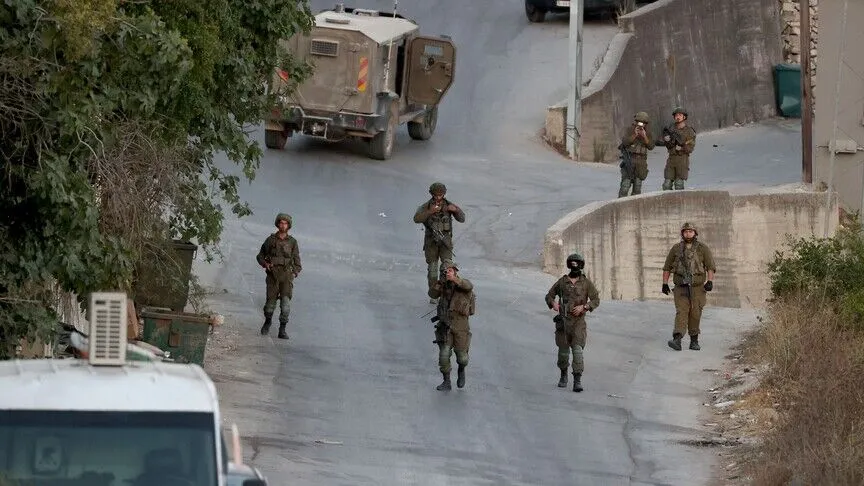
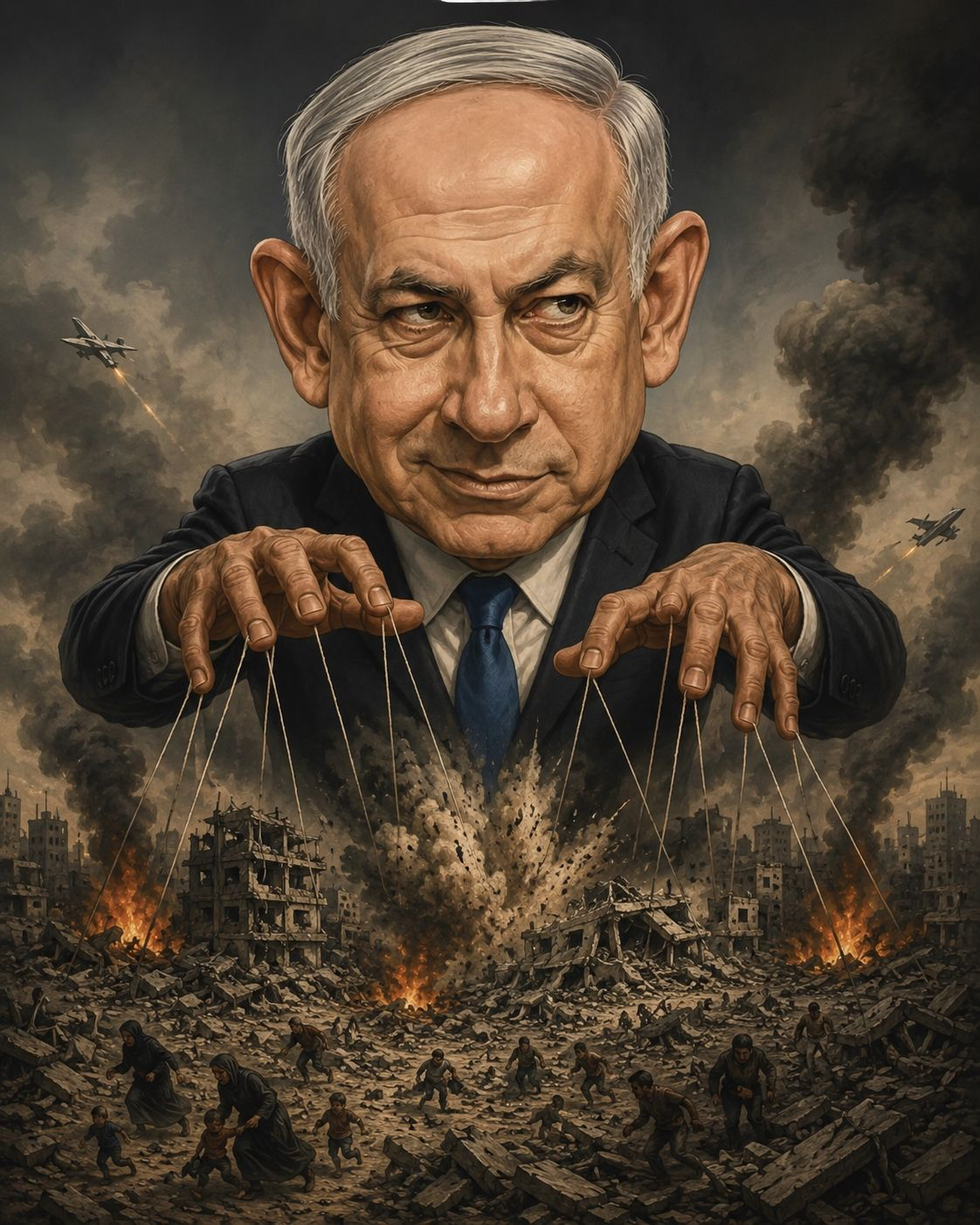
Israeli Prime Minister Benjamin Netanyahu said Thursday he ordered immediate negotiations to secure the release of all hostages held in Gaza and end the war, even as he approved plans to occupy Gaza City.

The announcement appeared contradictory, coming days after Hamas accepted an Egyptian-Qatari proposal to free roughly half the hostages in exchange for a 60-day ceasefire and talks toward a permanent truce – terms at odds with Israel’s stated goal of occupying Gaza City.

“I came to approve the army’s plans to take control of Gaza City and decide the battle against Hamas,” Netanyahu said in statements carried by Israeli Channel 12 during a visit to the military’s Gaza Division.

“At the same time, I instructed immediate negotiations for the release of all our hostages and to end the war under conditions acceptable to Israel,” according to Anadolu.

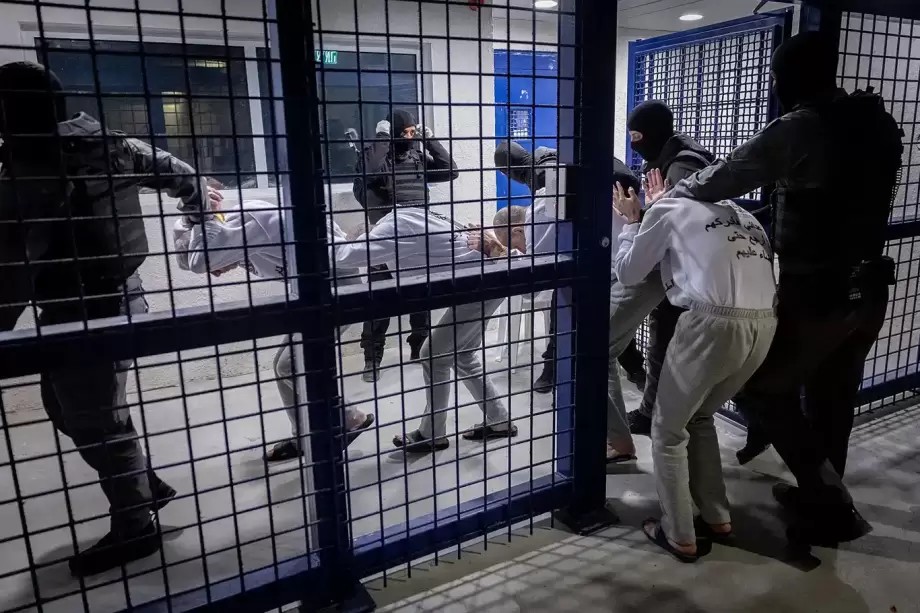
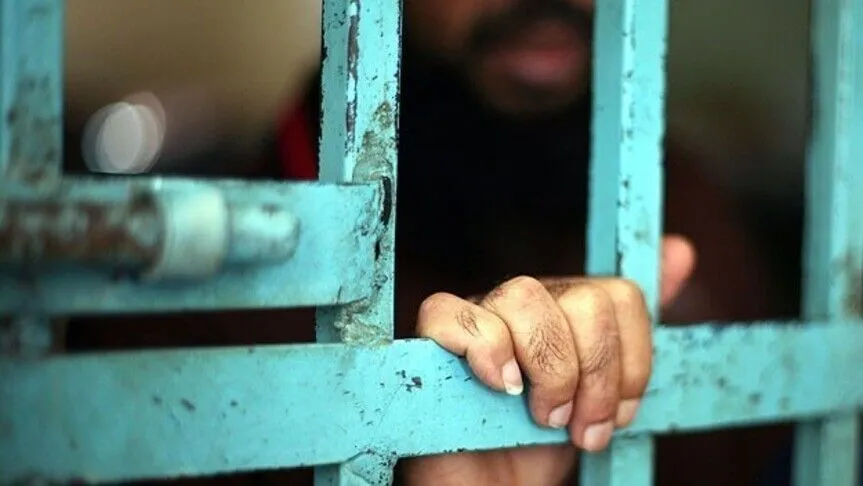
Israel estimates Hamas is holding around 50 hostages, including 20 believed to be alive. More than 10,800 Palestinians are imprisoned in Israel, amid rights groups’ accusations of torture and medical neglect.

“We are in a decisive stage, and I deeply appreciate the response of reservists and the regular army for this vital mission,” Netanyahu said, claiming that defeating Hamas and freeing all captives “go hand in hand.”

It was the first time Netanyahu had directly addressed a potential exchange deal since Hamas announced its acceptance of the Egyptian-Qatari proposal.

Israeli media said the plan involves Israeli troop redeployments to areas near the border to allow humanitarian aid into Gaza, along with a 60-day pause in fighting.

During that time, exchanges would proceed in two phases: releasing 10 Israeli hostages alive and 18 bodies in return for Palestinian prisoners, and launching talks on permanent de-escalation from day one.

On Wednesday, Defense Minister Israel Katz approved a military plan dubbed “Gideon’s Chariots 2” to seize Gaza City despite mediation efforts.

The plan envisions forcing roughly 1 million residents southward, surrounding the city and carrying out raids in urban areas. A second phase would target refugee camps in central Gaza, many of which have already suffered heavy destruction.

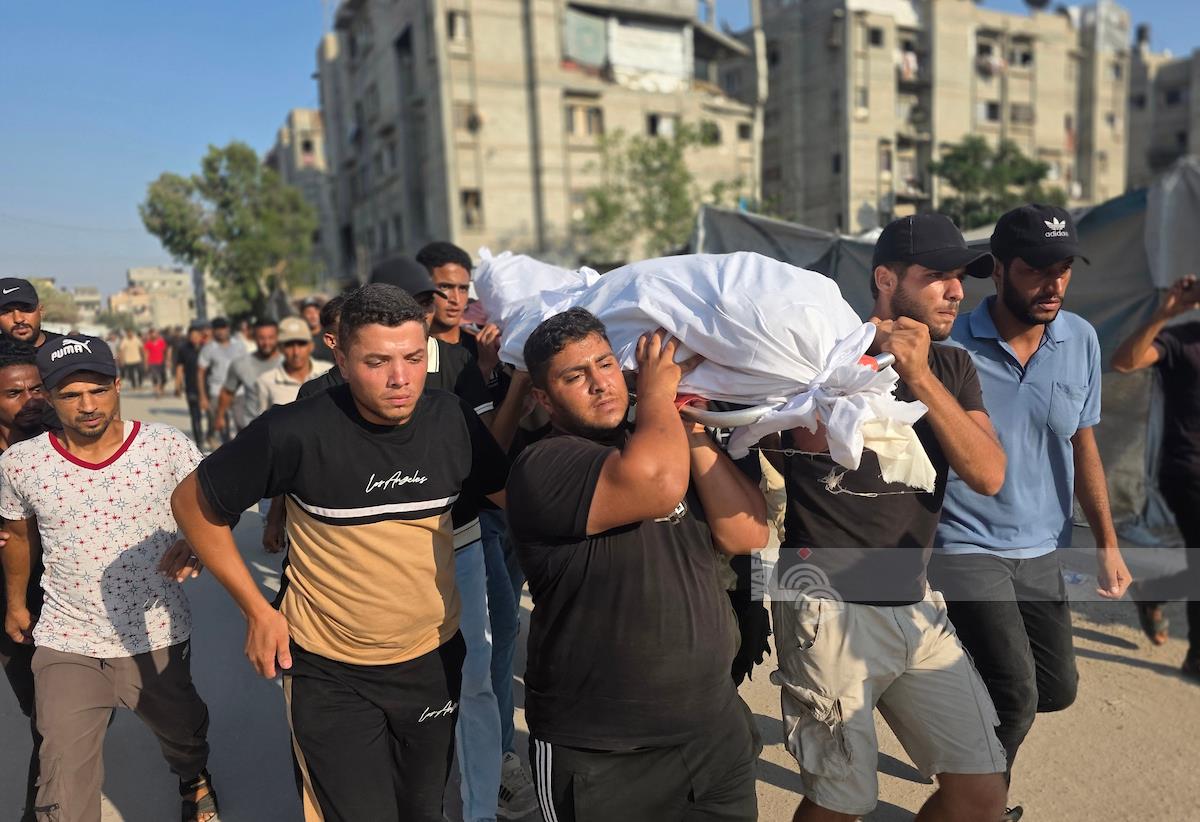
Israel has killed more than 62,000 Palestinians in Gaza since October 2023. The military campaign has devastated the enclave, and led to food shortages and starvation deaths.

Continue reading
Trump’s Pipe Dream

By Michael Jansen

Donald Trump and his aides are campaigning hard to win the Nobel Peace Prize. As his second term in office reached six months, Trump claimed, “I’ve stopped six wars—I’m averaging about a war a month.” He and aides have cited his efforts to end disputes between Armenia and Azerbaijan, Cambodia and Thailand, and Ruanda and the Democratic Republic of Congo and halt hostilities between Iran and Israel. Trump did the last by bombing Iranian nuclear reactors rather than negotiating a ceasefire.

So far, he has failed to secure ceasefires in Russia’s war on Ukraine or Israel’s war on Gaza. He has imposed sanctions on Russia but instead of exerting pressure on Israel to halt its deadly and devastating offensive in Gaza, he has provided Israel with the weapons to pursue it.

In June he complained bitterly on his website, Truth Social, “No, I won’t get a Nobel Prize no matter what I do, including Russia/Ukraine, and Israel/Iran, whatever their outcomes may be, but the people know, and that’s all that matter to me.” At present, however, his domestic approval rating stands at 38 per cent down from 47 per cent in January when he took office for the second time.

During his visit to the White House in April, Norwegian Prime Minister Jonas Gahr Støre was asked about Trump’s chances of securing the award, which his predecessor Barack Obama won as his first term began. “On that prize, there is a committee taking care of that which is completely working on its own terms, and I cannot comment on that,” Støre replied. Trump’s name is not even up for consideration by the Nobel Committee which resists political pressure and cannot be bought. The list of nominees remains secret. The award will be announced on October 10th.

Four US presidents have received Nobel Peace Prizes: Theodore Roosevelt in 1906 for mediating an end to the Russo-Japanese War, Woodrow Wilson in 1919 for founding the League of Nations, ex-President Jimmy Carter in 2002 for humanitarian and diplomatic work through the Carter Centre, and Obama in 2009 for his early-term diplomacy and coalition-building oefforts. Among other US officials who have been awarded the prize was former Vice President Al Gore for his work on climate change.

In his will, Norwegian industrialist and inventor of dynamite Alfred Nobel stated that the prize should be conferred on those “who shall have done the most or the best work for fraternity between nations.” Trump has done the opposite. On the foreign and domestic fronts Trump has undermined US democracy by excluding Congress by imposing policy changes with edicts. He has alienated neighbours Canada and Mexico and key allies by imposing stiff tariffs on imported goods. He shaken the longstanding world order by proposing US annexation of Greenland, Canada, and the Panama Canal.

Trump’s hankering for awards has turned to nominations for the John F. Kennedy Centre awards for 2025. He remarked, “I wanted one. I was never able to get one. It’s true, I would have taken it if they would’ve called me. I waited and waited and waited, and I said to hell with it, I’ll become chairman, and I’ll give myself an honour. Next year we’ll honour Trump, OK?” In the event, instead of proposing high-brow cultural icons who are meant to be honoured, he has gone for low-brow pop. He chose rock band Kiss, Gloria Gaynor who sang “I will survive,” Rambo actor Sylvester Stallone, country music star George and actor/singer Michael Crawford.

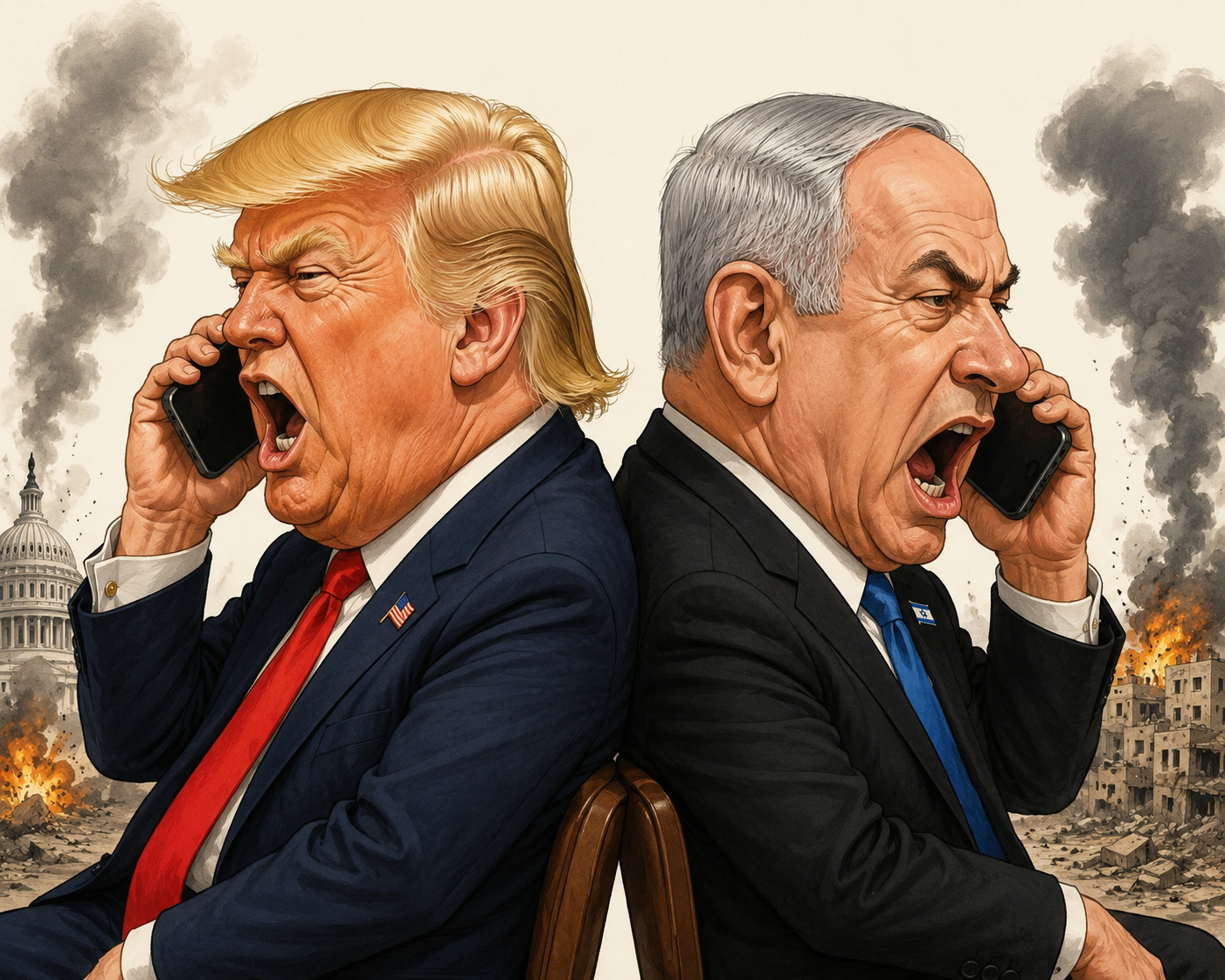
Throughout his life Trump his been motivated by his father, Fred Trump’s command never to be a “loser.” In marriage, business, golf, television, and politics, Trump has striven to be a winner and has been braggart. Uncertain of his ability to avoid becoming a loser, he is assertive, aggressive, angry, unprepared to take advice on issues he has not mastered, uncaring of less fortunate folk and sycophantic when meeting confident leaders like Russia’s Vladimir Putin and Israeli Prime Minister Binyamin Netanyahu.

Trump’s slogan, “Make America Great Again,” is driving policies which he believes will reflect well on him while not necessarily serve US interests. His imposition of tariffs caused chaos at a time world commerce was characterised by low or no tariffs and free trade. Although US the unemployment rate is a low 4.2 per cent, he claimed his tariffs would provide jobs for the US workforce in sectors where imports dominated. This would take time. To make the switch firms would have to be formed, equipment installed, and workers trained. Domestic production could eventually penalise consumers by raising prices for clothing, computers, smart phones, spare parts, vehicles, household appliances and other items manufactured abroad. “America First” is not necessarily “American is best.”

Michael Jansen writes for The Jordan Times

Continue reading
Greater Israel – A Confused Concept

Dr Khairi Janbek

The question of Greater Israel had always been there, swinging between Jewish religion and Zionist politics. Essentially it is a vague concept and interpreted according to the inclination of different groups inside Israel.

When Theodore Herzl talked about the land of Israel he defined it as being between the brook of the Nile and the Euphrates, with the debate being at the time, whether and area between the two rivers or actually all the way to both rivers.

Even when the state of Israel was established, its borders were not defined. It was the 1967 war which ignited the Greater Israel concept among the various Jewish groups with Israel occupying the West Bank, Sinai and the Golan Heights.

However, the recent pronouncements made by the Israeli government regarding this issue, started to ring bells of danger and awakened Arab fears especially, when the world sees Israeli military operations to retake Gaza, putting plans to annex the West Bank of Jordan and occupying territories in South Lebanon, annexing the Golan Heights and moving the Golan Heights and moving further into Syrian territories.

But where did the notion of Greater Israel originally came from, the idea which the father of Zionism Herzl defined? In fact it was taken from the book of Genesis in the Hebrew bible the Tanakh, where God grants Abraham and his descendants a vast expanse of land stretching from the brook of Egypt to the Euphrates. 

Some Israelis refer to a narrower vision mentioned in the Book of Deutronomy, where God instructs Moses to lead the Israelites in taking possession of Palestine, Lebanon, and parts of Egypt, Jordan and Syria.

Others invoke the Book of Samuel which describes lands secured by Kings Saul and David, including Palestine, Lebanon, and sections of Jordan and Syria. In fact those whom hold those beliefs, the pursuit of Greater Israel, is not merely political, it is the fulfillment of divine mandate, a reclamation of land they see as rightfully theirs.

At the same time, some Zionist currents have used the concept of Greater Israel to advocate for political territorial expansion of the state of Israel maintaining control over the West Bank, claim Gaza and the Golan Heights, parts of south Lebanon as being part of Israel and so on.

Essentially the term Greater Israel can refer to several different concepts depending on the ideological, religious or political context.

Dr Janbek is a Jordanian writer based in Paris, France

Continue reading
Israel’s War on Truth

By Ramzy Baroud

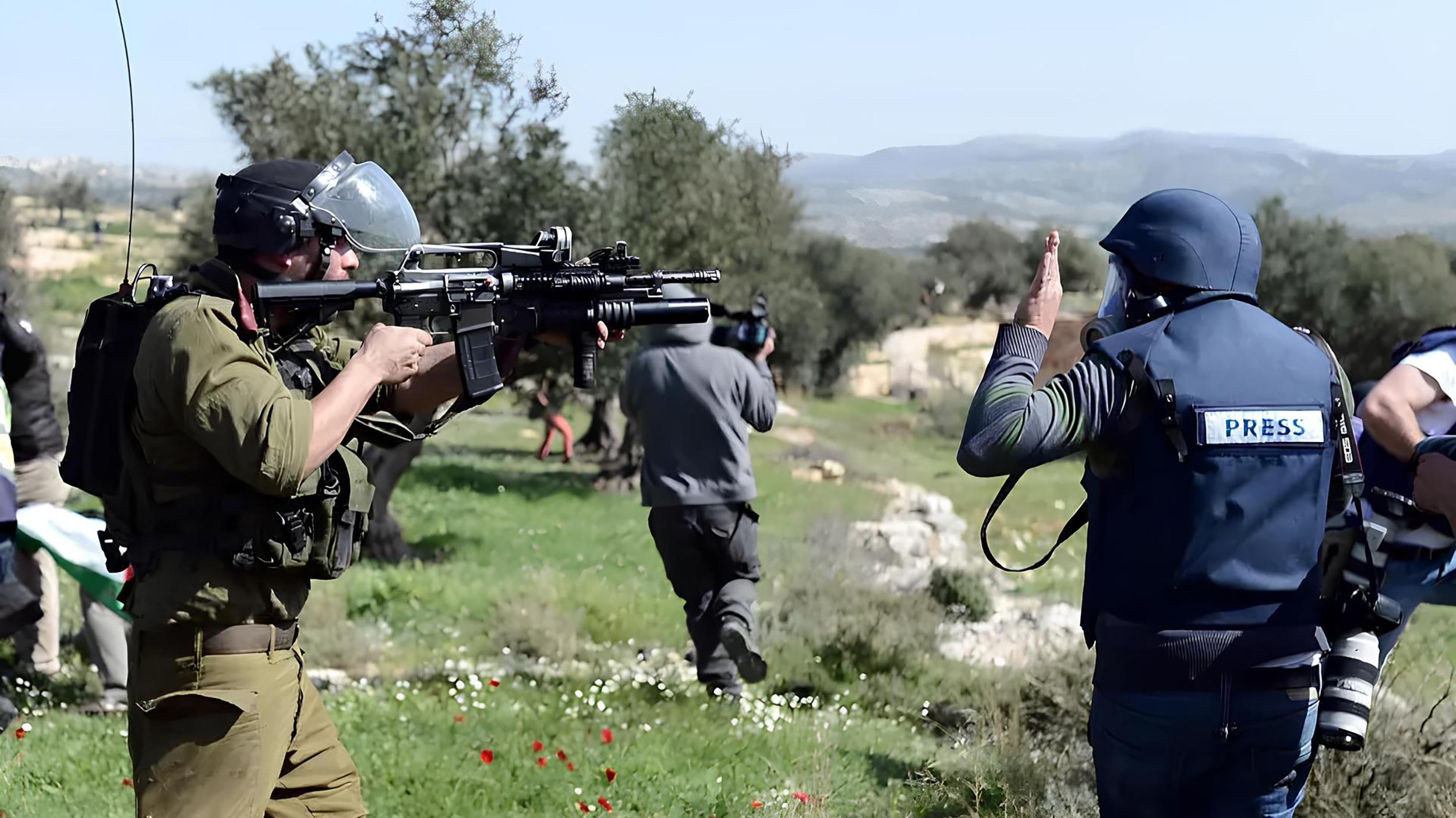
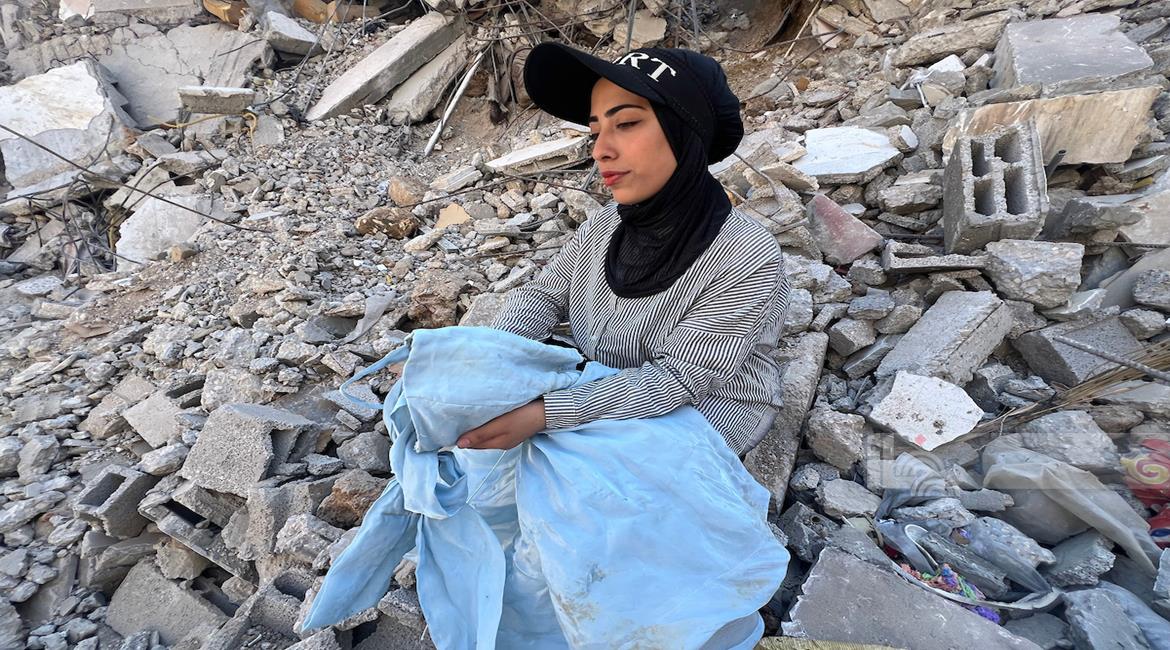
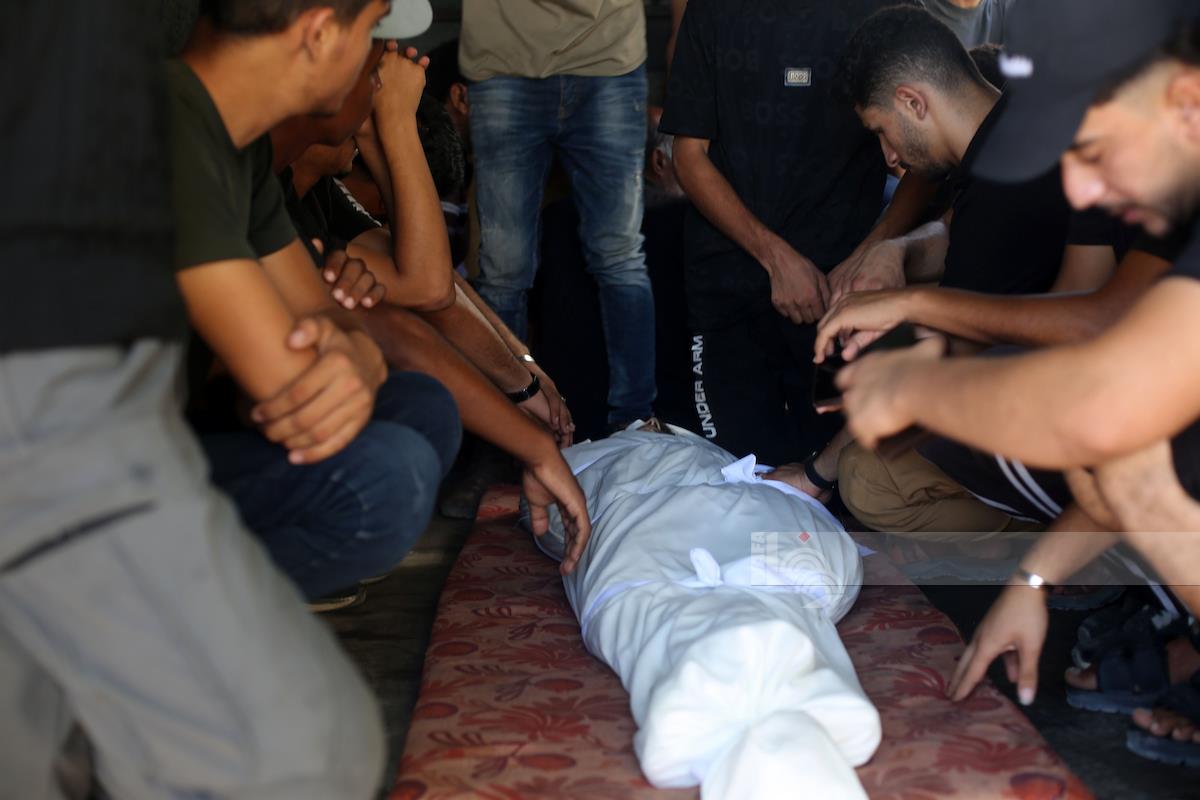
The killing of seven Palestinian journalists and media workers in Gaza on August 10 has prompted verbal condemnations, yet has inspired little to no substantive action. This has become the predictable and horrifying trajectory of the international community’s response to the ongoing Israeli genocide.

By eliminating Palestinian journalists like Anas al-Sharif and Mohammed Qraiqeh, Israel has made a sinister statement that the genocide will spare no one. According to the monitoring website Shireen.ps, Israel has killed nearly 270 journalists since October 2023.

More journalists are likely to die covering the genocide of their own people in Gaza, especially since Israel has manufactured a convenient and easily deployed narrative that every Gazan journalist is simply a “terrorist”. This is the same cruel logic offered by numerous Israeli officials in the past, including Israeli President Isaac Herzog, who declared that “an entire nation” in Gaza “is responsible” for not having rebelled against Hamas, effectively stating that there are no innocent people in Gaza.

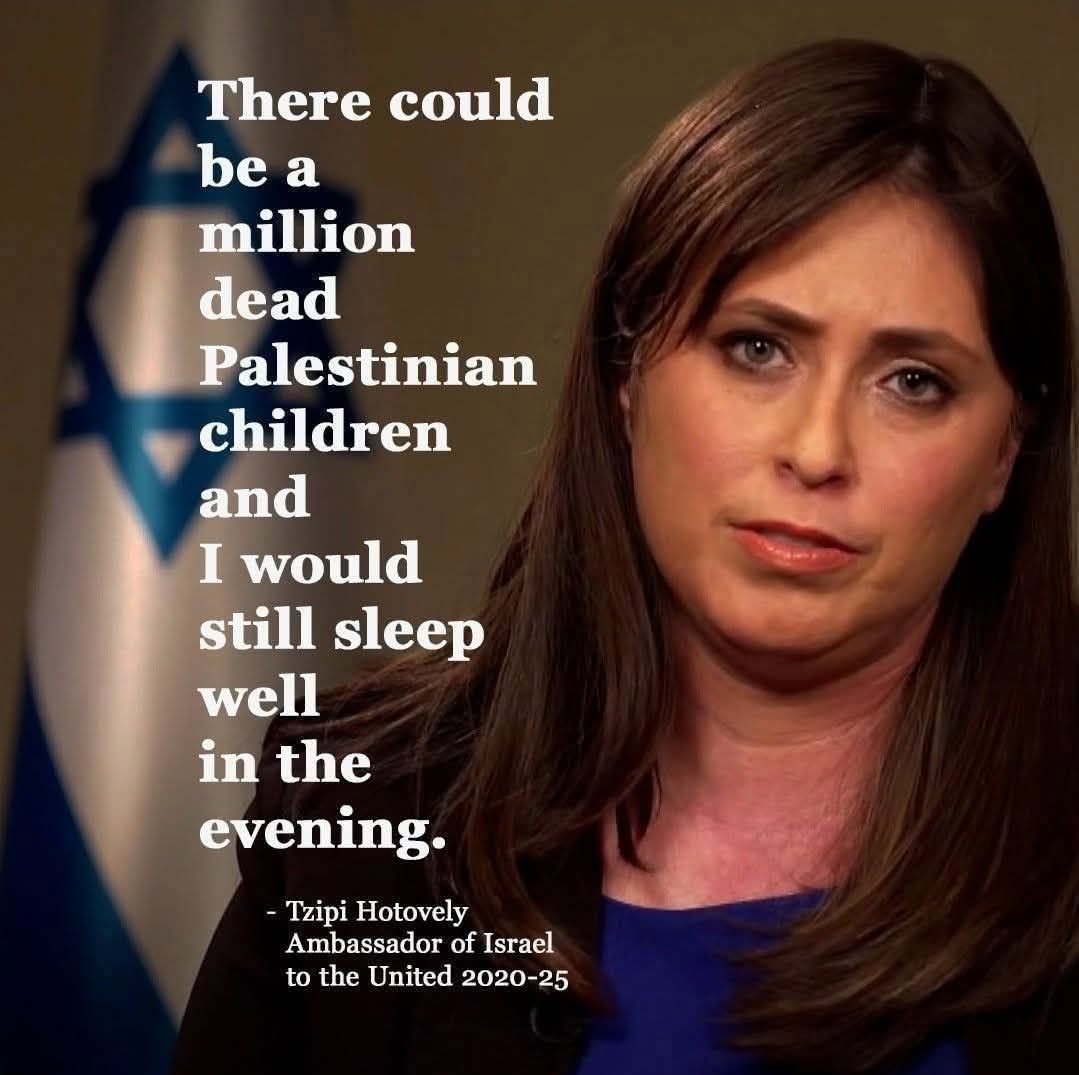
This Israeli discourse, which dehumanizes entire populations based on a vicious logic, is frequently repeated by officials who fear no accountability. Even Israeli diplomats, whose job in theory is to improve their country’s image internationally, frequently engage in this brutal ritual. In comments made in January 2024, Israeli ambassador to the UK, Tzipi Hotovely, callously argued that “every school, every mosque, every second house has access to tunnels,” implying that all of Gaza is a valid military target.

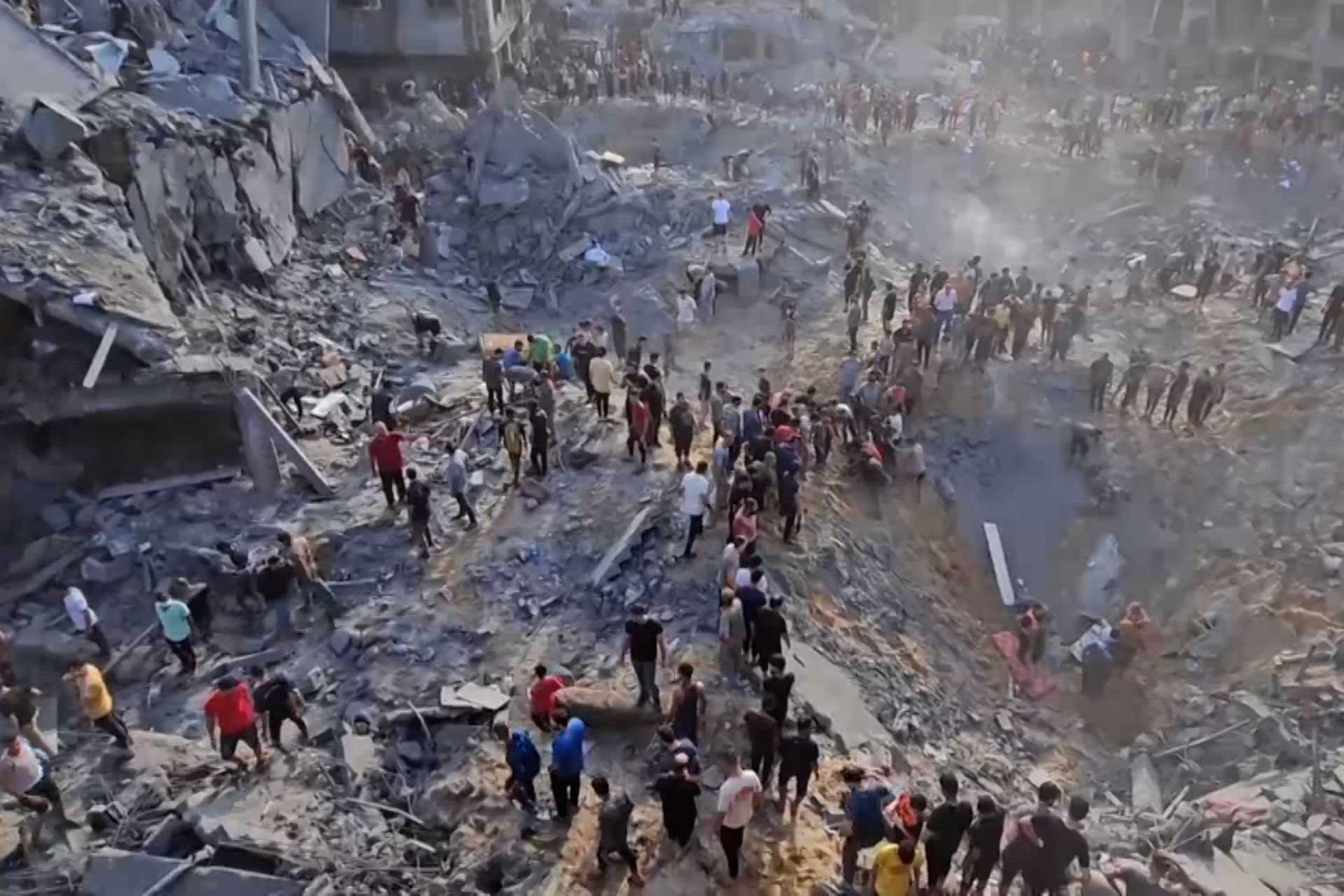
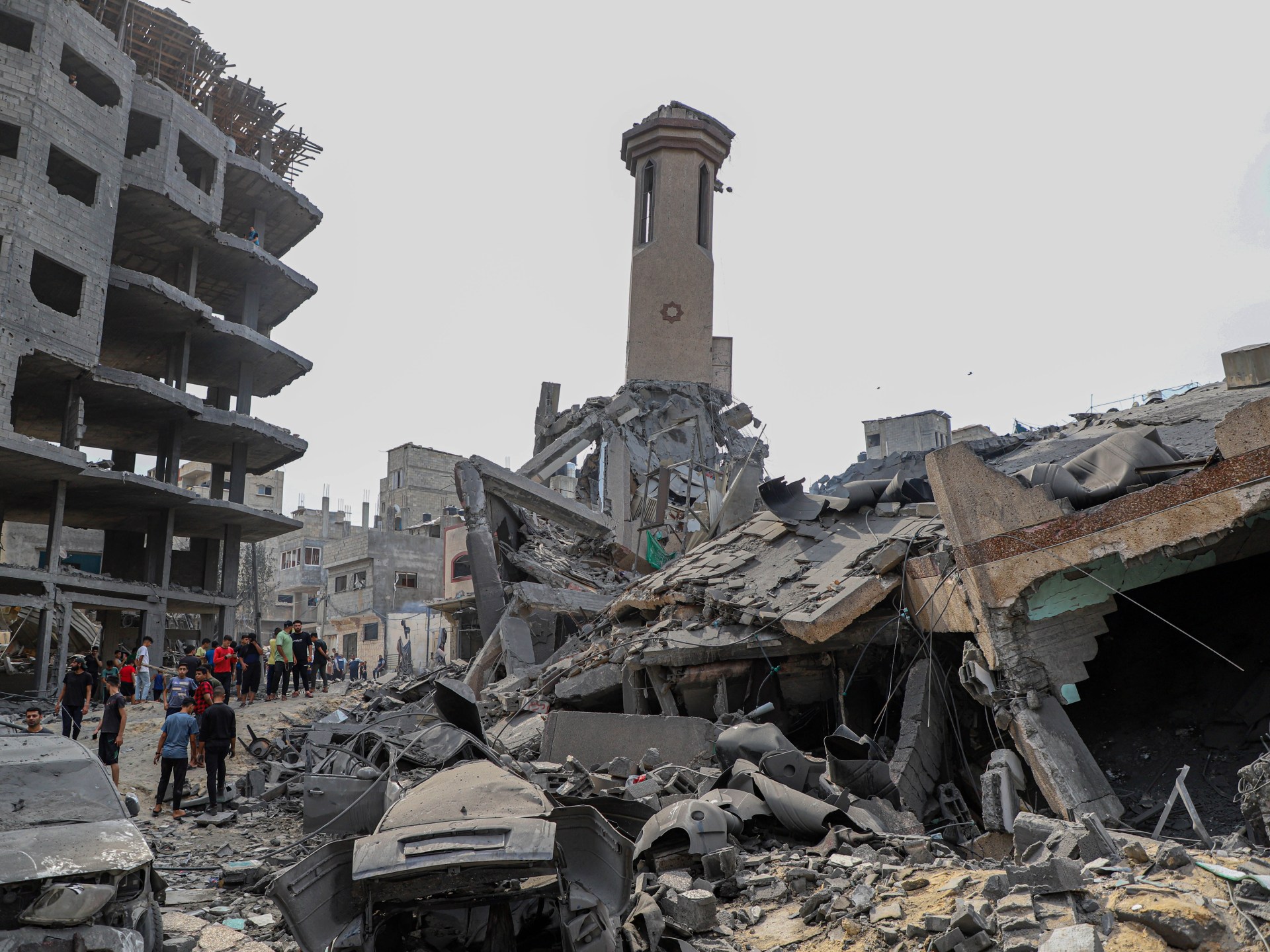
This cruelty of language would be easily dismissed as mere rhetoric, except that Israel has, in fact, according to Euro-Med Human Rights Monitor reports, destroyed over 70 per cent of Gaza’s infrastructure.

While extremist language is often used by politicians around the world, it is rare for the extremism of the language to so precisely mirror the extremism of the action itself. This makes Israeli political discourse a uniquely dangerous phenomenon.

There can be no military justification for the wholesale annihilation of an entire region. Yet again, the Israelis are not shying away from providing the political discourse that explains this unprecedented destruction. Former Knesset member Moshe Feiglin chillingly said, last May, that “Every child, every baby in Gaza is an enemy… not a single Gazan child will be left there.

But for the systematic destruction of a whole nation to succeed, it must include the deliberate targeting of its scientists, doctors, intellectuals, journalists, artists and poets. While children and women remain the largest categories of victims, many of those killed in deliberate assassinations appear to be targeted specifically to disorient Palestinian society, deprive it of societal leadership, and render the process of rebuilding Gaza impossible.

These figures powerfully illustrate this point: according to a report released by the United Nations Office for the Coordination of Humanitarian Affairs, based on the latest satellite damage assessment conducted in July, 97 per cent of Gaza’s educational facilities have been affected, with 91 per cent in need of major repairs or full reconstruction. Additionally, hundreds of teachers and thousands of students have been killed.

But why is Israel so intent on killing those responsible for intellectual production? The answer is twofold: one unique to Gaza, and the other unique to the nature of Israel’s founding ideology, Zionism.

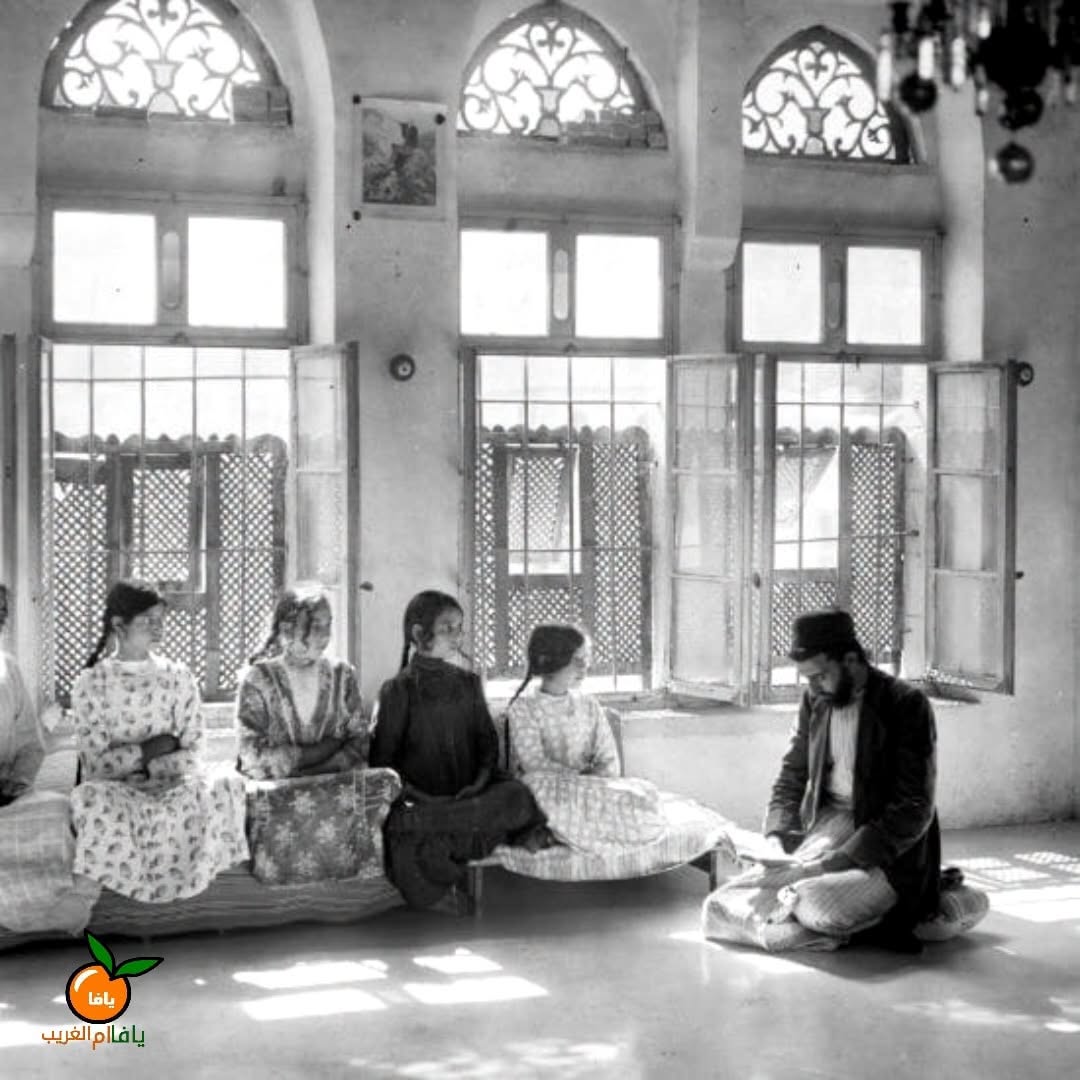
First, regarding Gaza: Since the Nakba in 1948, Palestinian society in Gaza has invested heavily in education, seeing it as a crucial tool for liberation and self-determination. Early footage shows classrooms being held in tents and open spaces, a testament to this community’s tenacious pursuit of knowledge. This focus on education transformed the Strip into a regional hub for intellectual and cultural production, despite poorly funded UNRWA schools. Israel’s campaign of destruction is a deliberate attempt to erase this generational achievement, a practice known as scholasticide, and Gaza is the most deliberate example of this horrific act.

Second, regarding Zionism: For many years, we were led to believe that Zionism was winning the intellectual war due to the cleverness and refinement of Israeli propaganda, or hasbara. The prevailing narrative, particularly in the Arab world, was that Palestinians and Arabs were simply no match for the savvy Israeli and pro-Israeli public relations machine in Western media. This created a sense of intellectual inferiority, masking the true reason for the imbalance.

Israel was able to “win” in mainstream media discourse due to the intentional marginalisation and demonisation of Palestinian and pro-Palestinian voices. The latter had no chance of fighting back simply because they were not allowed to, and were instead labeled as “terrorist sympathizers” and the like. Even the late, world-renowned Palestinian scholar Edward Said was called a “Nazi” by the extremist, now-banned Jewish Defense League, who went so far as to set the beloved professor’s university office on fire.

Gaza, however, represented a major problem. With foreign media forbidden from operating in the Strip per Israeli orders, the Gazan intellectual rose to the occasion and, in the course of two years, managed to reverse most of Zionism’s gains over the past century. This forced Israel into a desperate race against time to remove as many Palestinian journalists, intellectuals, academics, and even social media influencers from the scene as quickly as possible—thus, the war on the Palestinian thinker.

The Israeli logic, however, is destined to fail, as ideas are not tied to specific individuals, and resilience and resistance are a culture, not a job title. Gaza shall once more emerge, not only as the culturally thriving place it has always been, but as the cornerstone of a new liberation discourse that is set to inspire the globe regarding the power of intellect to stand firm, to fight for what is right, and to live with purpose for a higher cause.

Ramzy Baroud is a journalist, author and the Editor of The Palestine Chronicle. He is the author of six books. His forthcoming book, ‘Before the Flood,’ will be published by Seven Stories Press. His other books include ‘Our Vision for Liberation’, ‘My Father was a Freedom Fighter’ and ‘The Last Earth’. Baroud is a Non-resident Senior Research Fellow at the Center for Islam and Global Affairs (CIGA). His website is www.ramzybaroud.net

Jordan Times

Continue reading