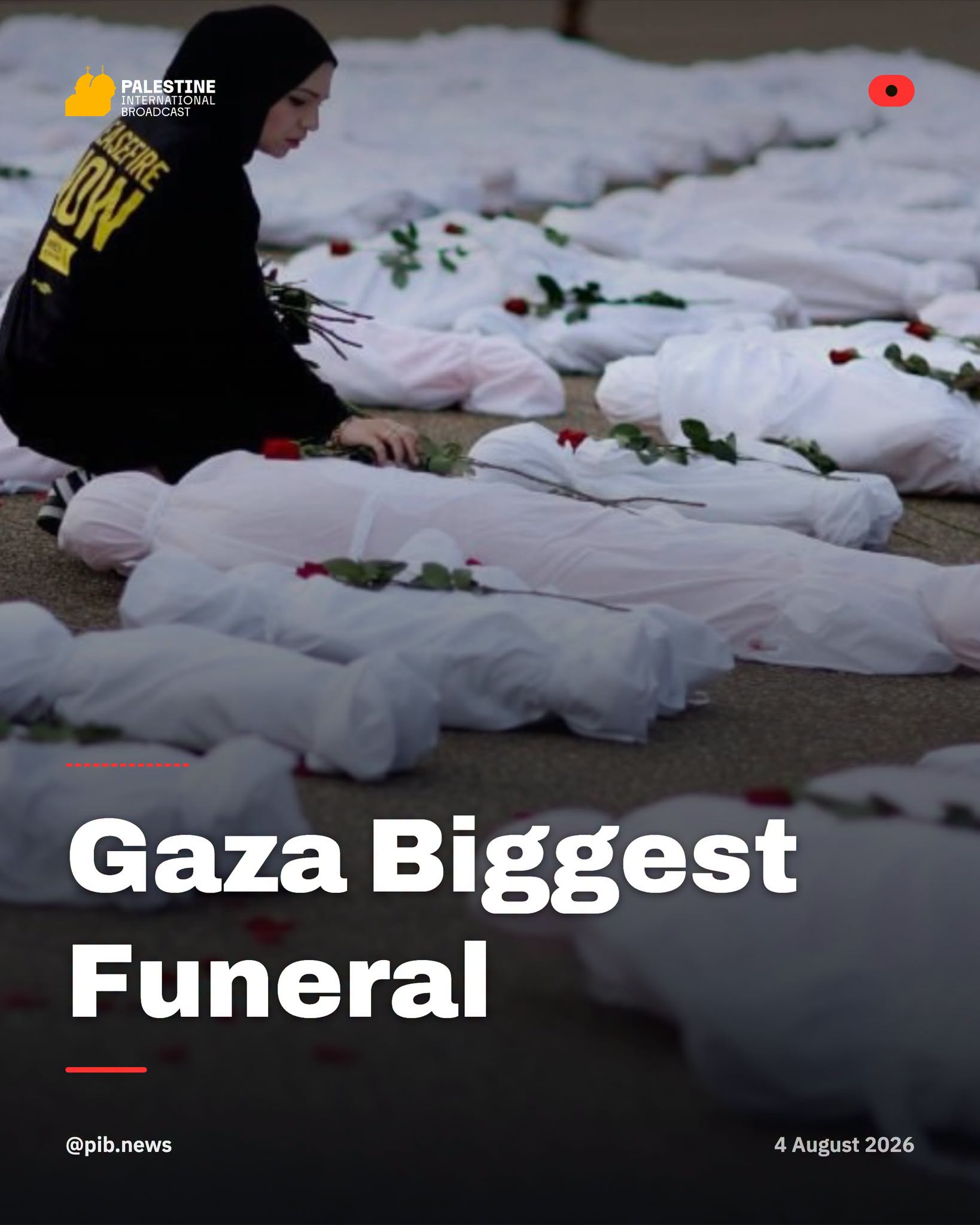
Gaza Starves As We Fill up!

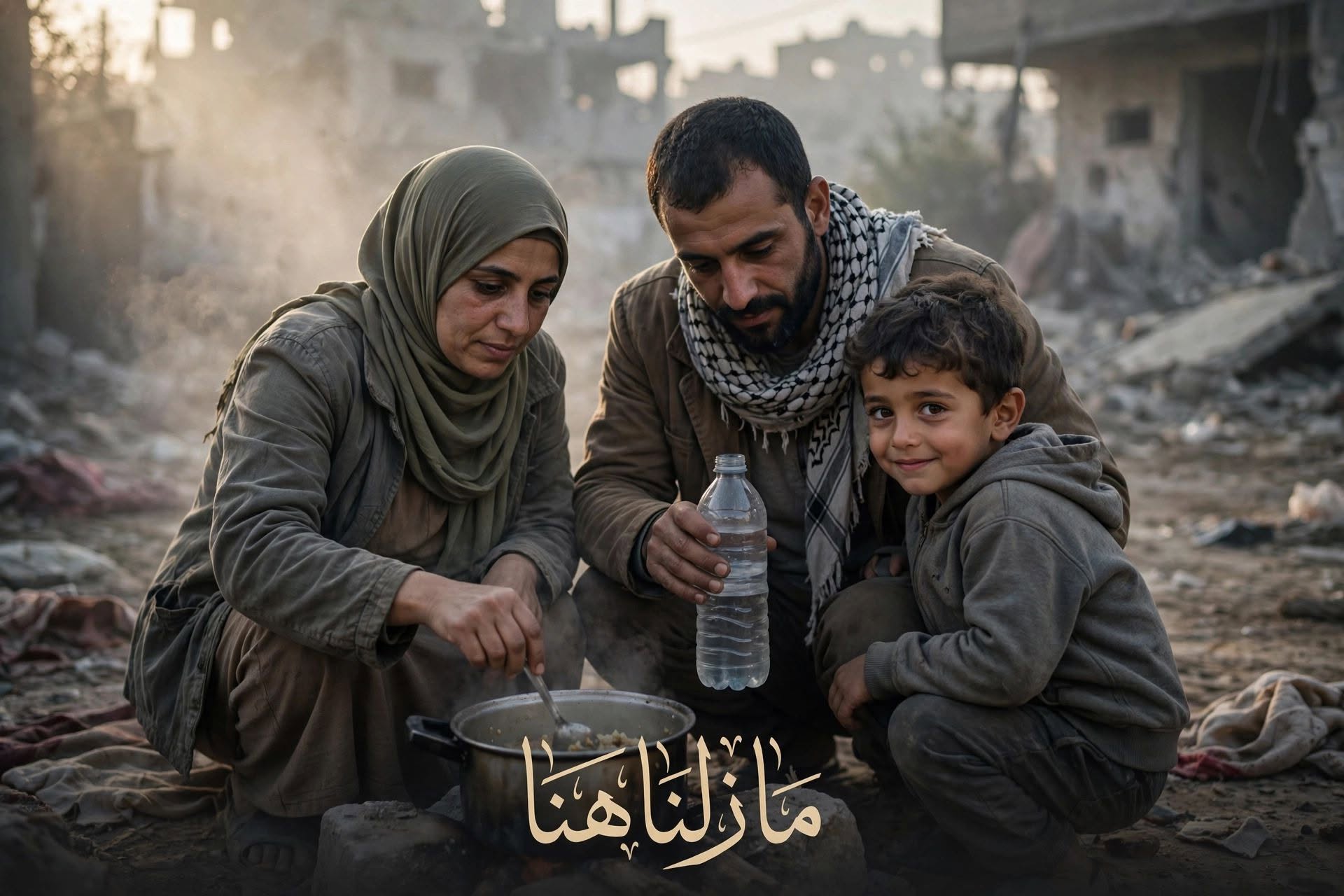
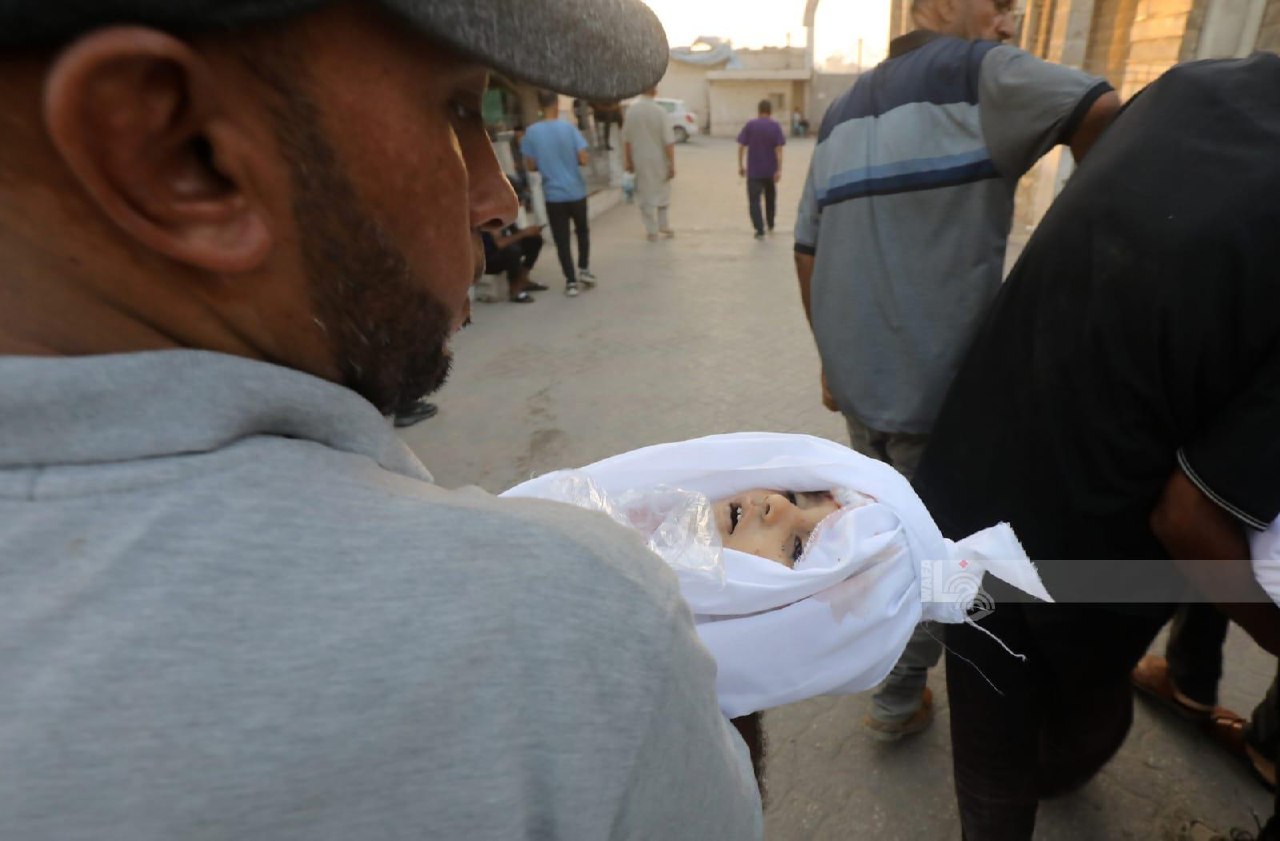
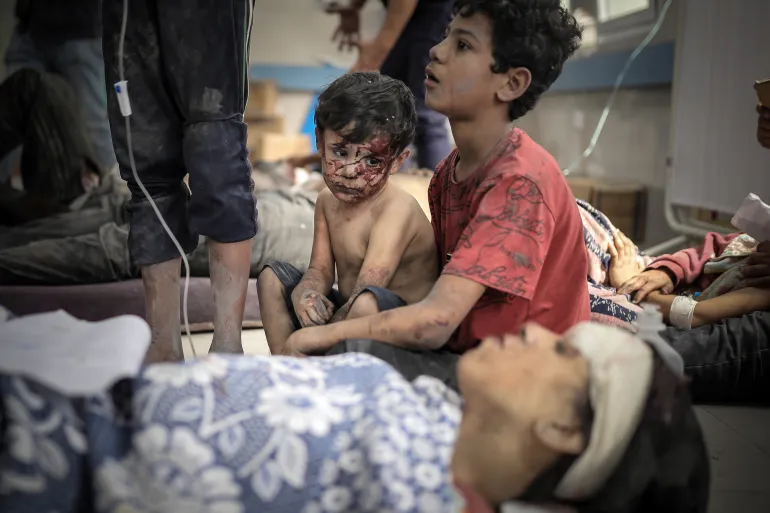
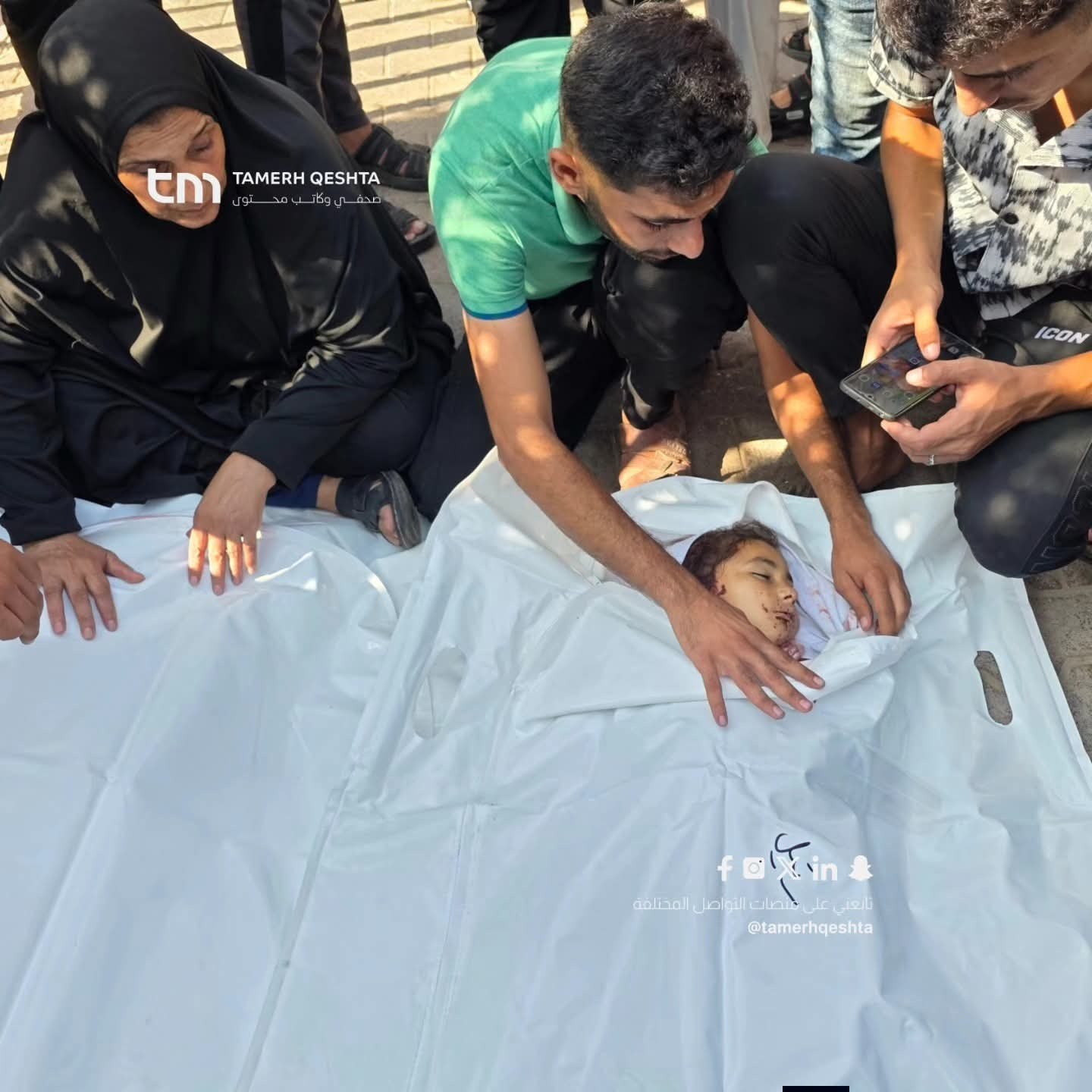
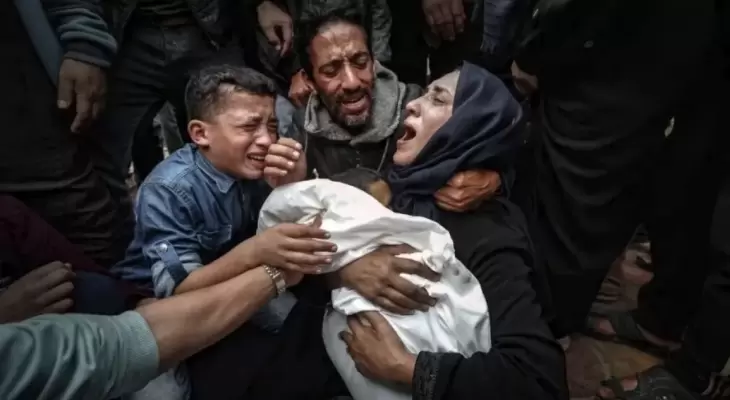
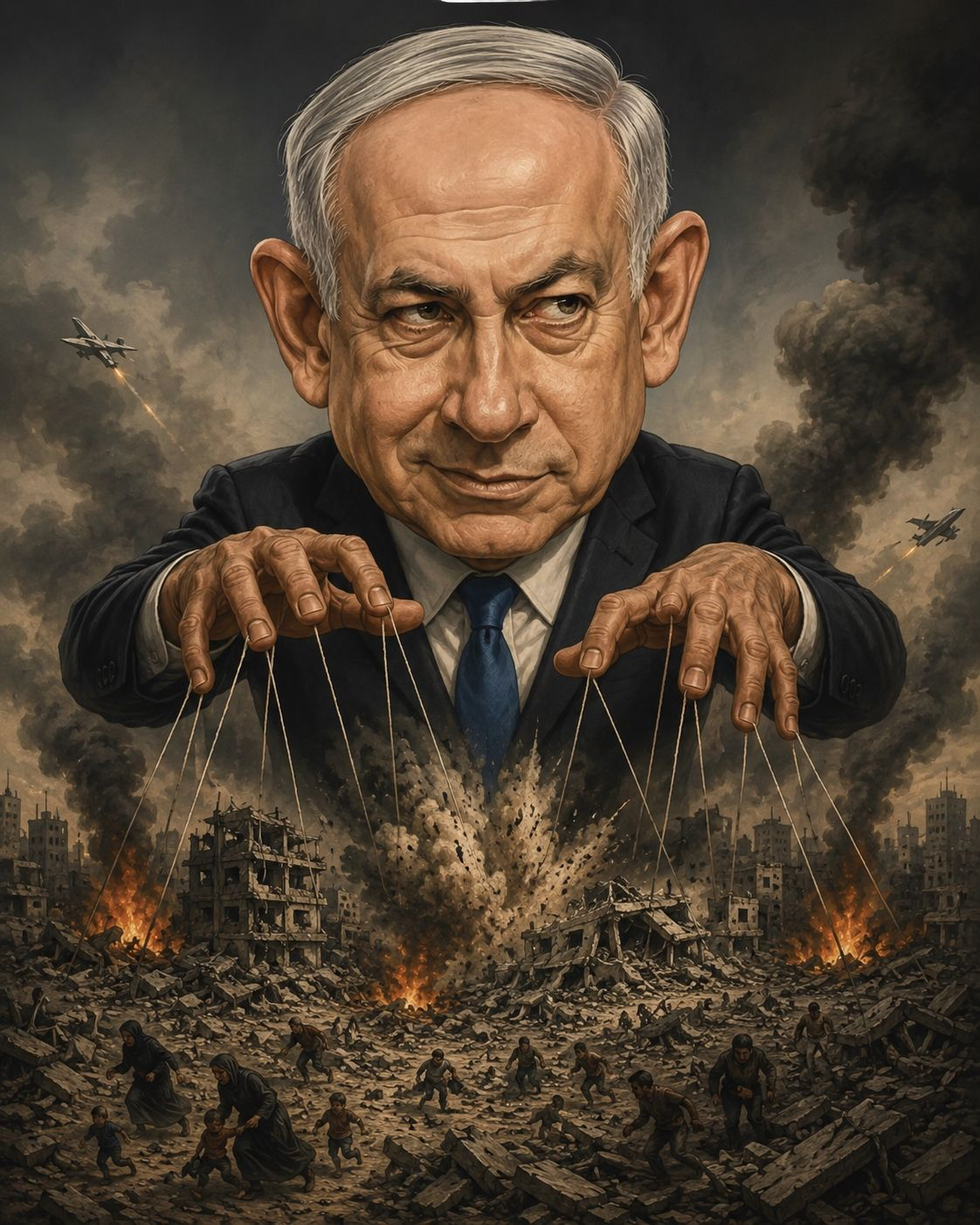
Residents of Gaza have criticized the international community online, citing its complicity and inaction in response to the Israeli-made blockade that has led to widespread starvation in the enclave, with people collapsing in the streets due to severe hunger.

Taking to social media, Gazans are sharing a unified message with the world: “We are dying of hunger” and “Gaza is starving.”

Journalist Anas al-Sharif wrote in X: “I have not stopped reporting for a single moment over the past 21 months. Today, I speak with deep pain and honesty: I am weakened by hunger, shaking from exhaustion, and constantly battling the urge to faint… Gaza is dying—and we are dying with it.”

“If the world does not act today, there may be no one left tomorrow to hope for rescue. Gaza is starving.”

Journalists also held a vigil to protest the Israeli suffocating blockade, chanting, “Gaza residents are dying of hunger.

Journalist Abdallah al-Attar wrote: “I’m a journalist writing this, and tears are falling from my eyes. I’m hungry, and there’s nothing to eat. This little girl, Amal Al-Bayouk, is dying of hunger right before our eyes. We appealed to the whole world to help her get treatment abroad, but no one listened! Every day, we say goodbye to a child because of hunger, and if things stay like this… it will be our turn next.”


Ahmed Jomaa, a YouTuber from Gaza, shared a photo of himself with a banner that reads, “Gaza is starving.

“If things keep going like this for a few more days, we’ll all starve to death,” photojournalist Omar El Qattaa wrote.

“During the first famine campaign by Israel in northern Gaza, people were eating animal feed and barley. But now, in this second famine, even that’s gone… And whatever is available, you need to take out a loan just to afford it every time you go to the market,” Samah Ahmed said.
“My son has been crying. He’s hungry. There’s not even any food to buy!” a desperate father screams in the middle of a market in Gaza.

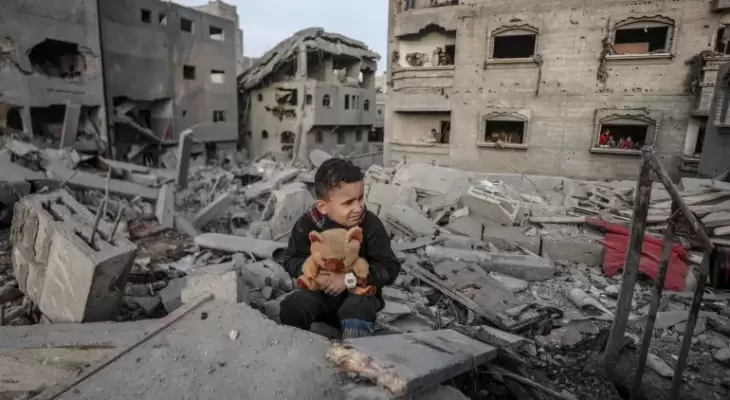
Several videos circulating on social media show children in Gaza searching through rubbish for food. One video shows three children standing and eating from a pile of garbage on the street.

A mother posted a video of her little daughter crying for food, repeatedly saying “food, food,” and adding, “I will not forgive anyone complicit in our starvation.”

“We are living in a real famine,” 11-year-old Renad Attallah wrote on Instagram.

Continue reading
Israeli Gunboats Fire at Gaza Fishermen

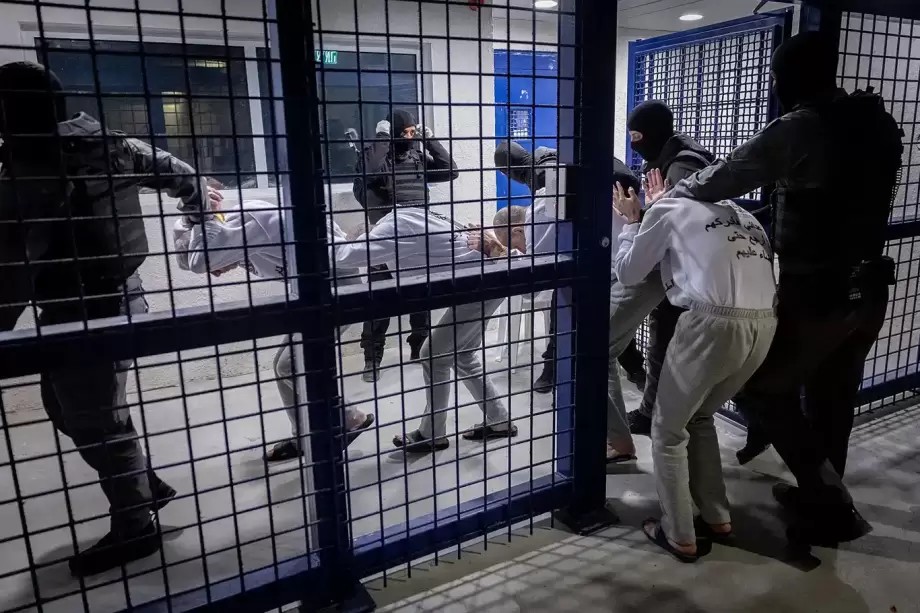
The Israeli occupation forces (IOF) arrested several Palestinian fishermen from the shores of Gaza City as they attempted to catch fish, Saturday evening, amid the ongoing famine and unprecedented starvation sweeping the Gaza Strip.

The fishermen were fishing in the Gaza port basin about 100 meters offshore when an Israeli warship approached and arrested them according to local sources.

Zakaria Bakr, coordinator of the Fishermen’s Committees at the Union of Agricultural Work Committees, said Israeli naval vessels arrested five Palestinian fishermen from their boats while they were fishing near the shore.

Bakr added that the Israeli vessels threw some of the fishermen into the sea after detaining them, while the others were taken to an unknown location. He also noted that Israeli forces fired heavily toward the shoreline according to the Palestine Information Center.

The Israeli military has imposed a full maritime blockade on Gaza from its northern to southern borders, preventing fishermen from accessing the sea. This has led to the killing of dozens since the start of the genocide campaign in October 2023.

A week ago, a spokesperson for the Israeli army announced the complete closure of Gaza’s coastline to Palestinians, now in the 21st consecutive month of war, citing “security reasons.” He said addressing the Strip’s inhabitants: “We remind you that strict security restrictions have been imposed on the maritime area adjacent to the Gaza Strip, and entry to the sea is prohibited.”

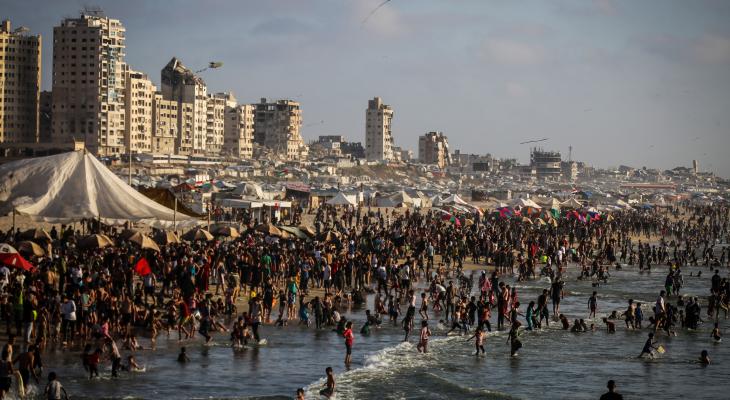
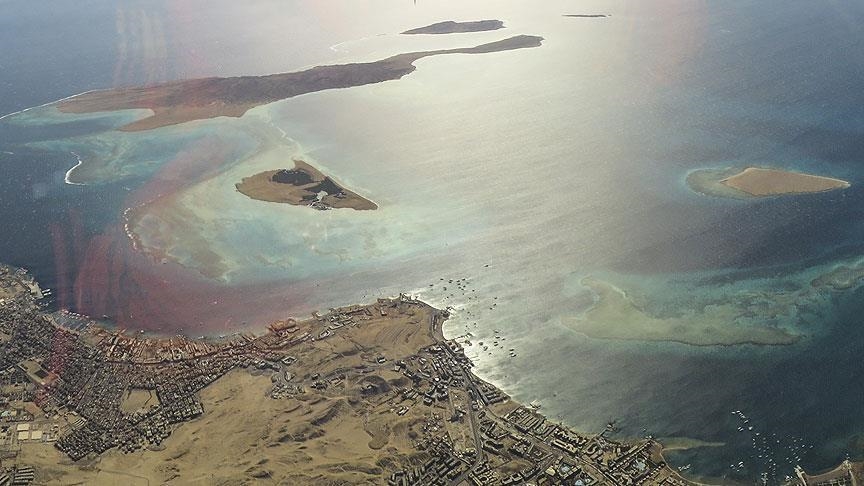
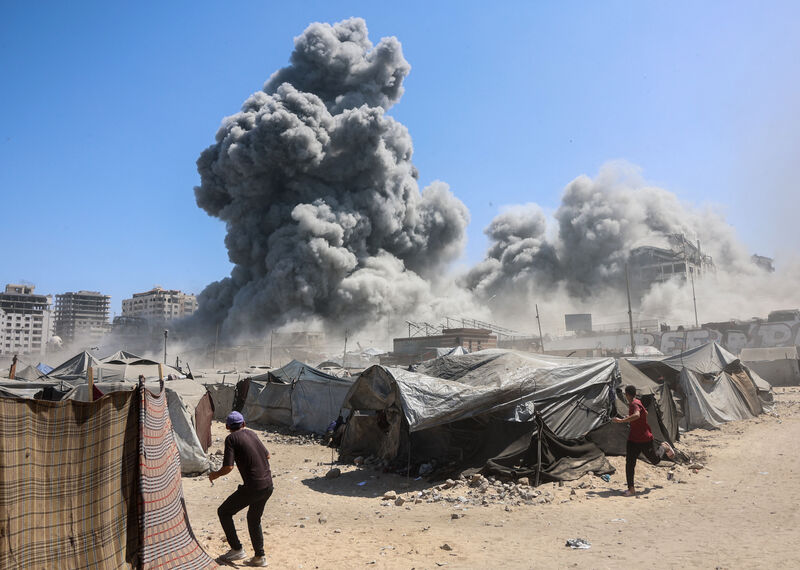
The Gaza coastline is now heavily patrolled by Israeli warships, which conduct daily shooting and shelling operations targeting Palestinians along the coastal strip. Some vessels come dangerously close to shore, especially with tens of thousands of displaced people sheltering in the Gaza port area.

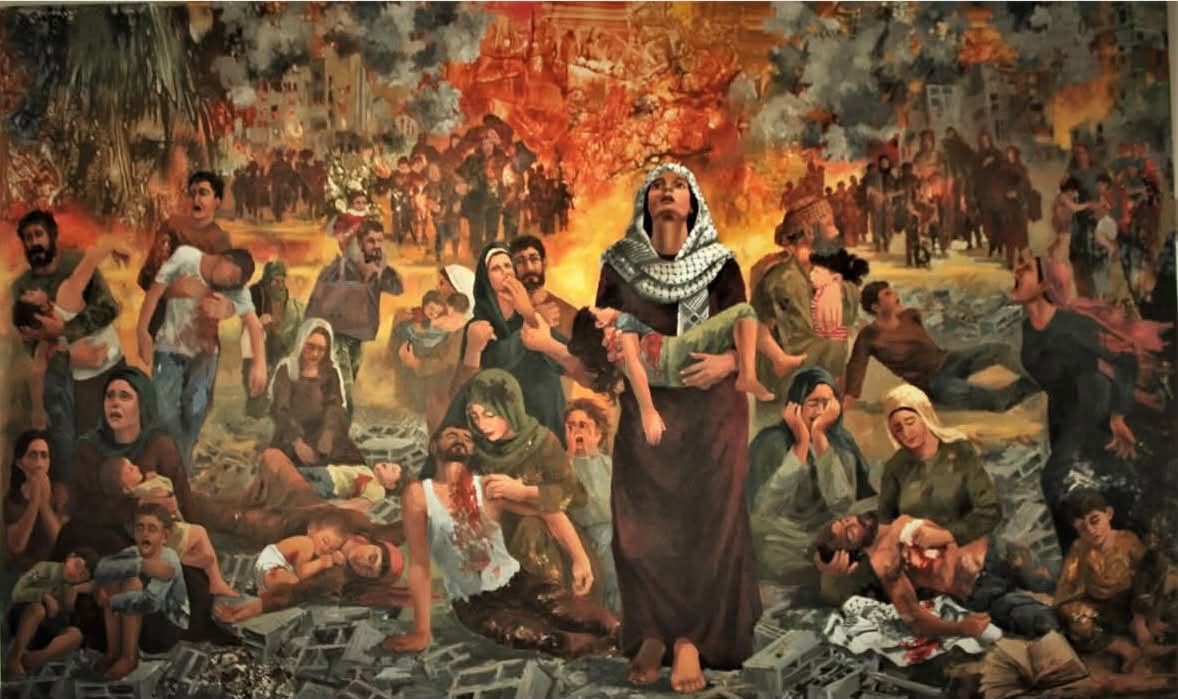
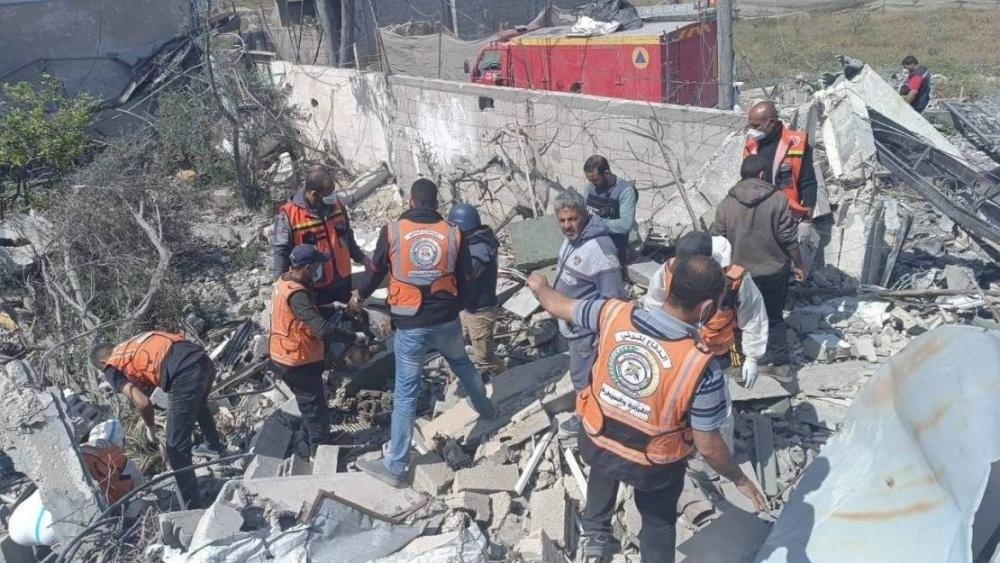
Supported by unwavering US backing, Israel is waging a genocide against Gaza, which, according to the Ministry of Health, has so far resulted in more than 58,765 martyrs, over 140,485 injuries of varying severity, and more than 11,000 missing persons. The famine has already claimed dozens of lives, while over two million Palestinians endure forced displacement under catastrophic conditions.

Continue reading
Israeli Source: Tel Aviv Talks For The 1st Time to Hamas

An Israeli political source familiar with negotiations on a ceasefire in the Gaza Strip said Saturday that Tel Aviv is, for the first time, conducting talks with Hamas on the possibility of ending the war, said a media report.

“This negotiation is different than the ones that brought about the previous deals,” said the source, according to the Haaretz newspaper.

“While the previous deals dealt with the release of the hostages … this deal touches on the issue of ending the war. Therefore, everything is interconnected. This is a very complex deal,” he said.

The source added that a proposed agreement includes a 60-day ceasefire during which 10 living Israeli hostages would be released, and intensive negotiations on ending the war would begin, according to Anadolu.

He said the talks “touches on issues of how the war will end or continue, what will happen in Gaza and how all the hostages will be returned. Within the framework of the deal, there is an entire clause that deals with issues to be discussed regarding the end of the war. Both parties can add topics, and they will be discussed within the 60-day cease-fire.”

The source claimed that “the Israeli delegation embarked to Doha with a broad scope of action and a satisfactory mandate. There is enough flexibility to reach an agreement, without compromising on issues such as Israel’s security needs.”

Israeli media outlets, including the public broadcaster, KAN, reported Friday that Israel is considering sending a second delegation to Doha if the Palestinian side agrees to discuss the deal’s details, amid mediation by Qatar, Egypt and the US.

The proposals reportedly include a 60-day ceasefire, during which 10 living hostages and 18 bodies would be released, with final negotiations on ending the war to resume during the truce.

Despite gaps on issues such as the mechanism for aid delivery and Israeli troop deployment, Israeli sources still see the deal as possible, according to the Israeli broadcaster.

US President Donald Trump announced late Friday that 10 hostages in Gaza would be released soon.

Trump, whose administration offers unconditional support for Israel in its war on Gaza, did not provide details.

During the last 21 months, multiple rounds of indirect negotiations have been held between Israel and the Palestine resistance group, Hamas, to reach a ceasefire and carry out prisoner exchanges.

Two partial agreements were reached in November 2023 and in January.

Israeli Prime Minister Benjamin Netanyahu, who is wanted by the International Criminal Court, avoided finalizing the latest agreement and resumed the war on March 18.

Hamas has repeatedly stated its willingness to release all Israeli hostages “in one batch” in exchange for ending the genocide and a full Israeli military withdrawal from Gaza.

Rejecting international calls for a ceasefire, the Israeli army has pursued a brutal offensive on Gaza since the end of 2023, killing nearly 59,000 Palestinians, most of them women and children.

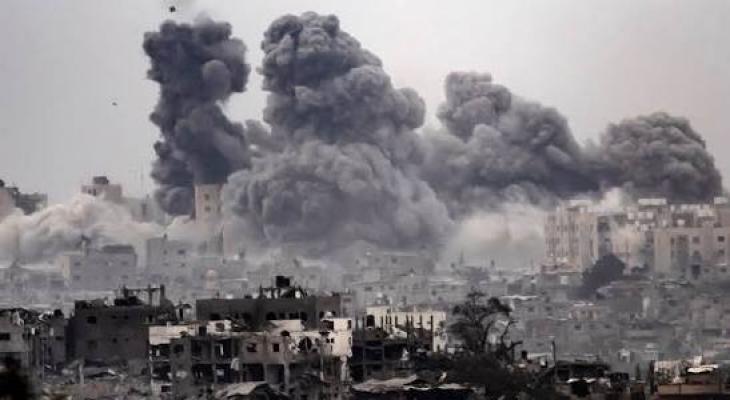
The relentless bombardment has destroyed the enclave and led to food shortages and the spread of diseases.

Last November, the International Criminal Court issued arrest warrants for Netanyahu and his former Defense Minister Yoav Gallant for war crimes and crimes against humanity in Gaza.

Israel also faces a genocide case at the International Court of Justice for its war on the enclave.

Continue reading
UNRWA: ‘Israel is Starving 1 Million Children’

The UN agency for Palestinian refugees (UNRWA) on Sunday once again accused Israeli authorities of using starvation as a weapon of war against the civilian population of Gaza.

In a statement on X, UNRWA said: “The Israeli Authorities are starving civilians in Gaza. Among them are 1 million children.”

It renewed its urgent call for the lifting of Israel’s ongoing siege, saying: “Lift the siege: allow UNRWA to bring in food and medicines,” as reported in Anadolu.

Despite international legal obligations to protect civilians and allow the delivery of aid, Israel has maintained a total siege on Gaza since March 2, bombing convoys, blocking border crossings, and targeting aid distribution points, actions that have been widely condemned as collective punishment and potential war crimes.

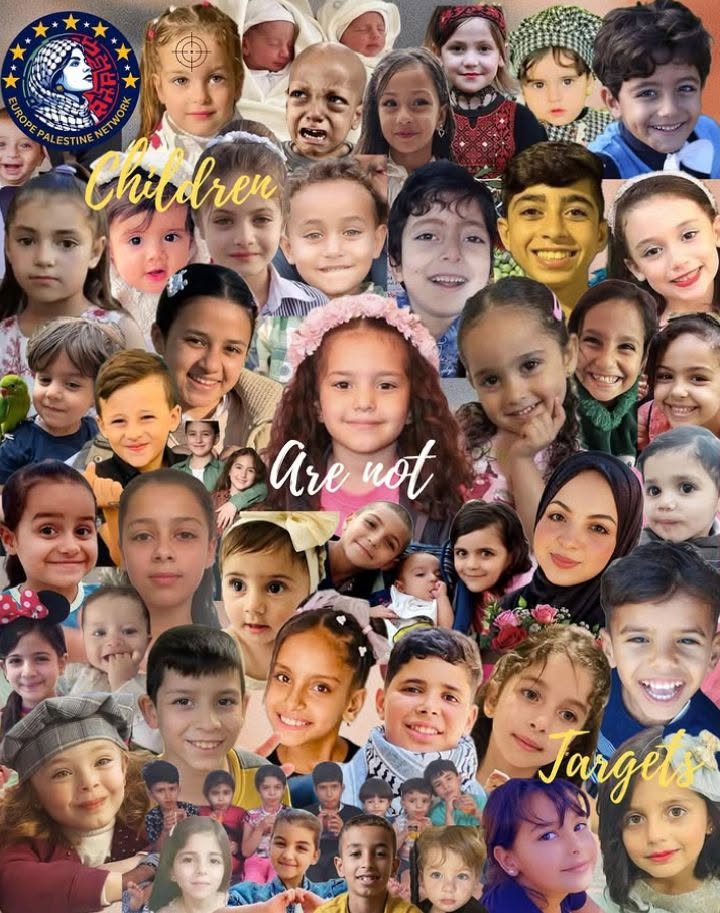
According to Gaza’s Health Ministry, dozens of children have already died from starvation and dehydration, while hundreds of thousands more are at risk due to widespread food insecurity and the collapse of healthcare services.

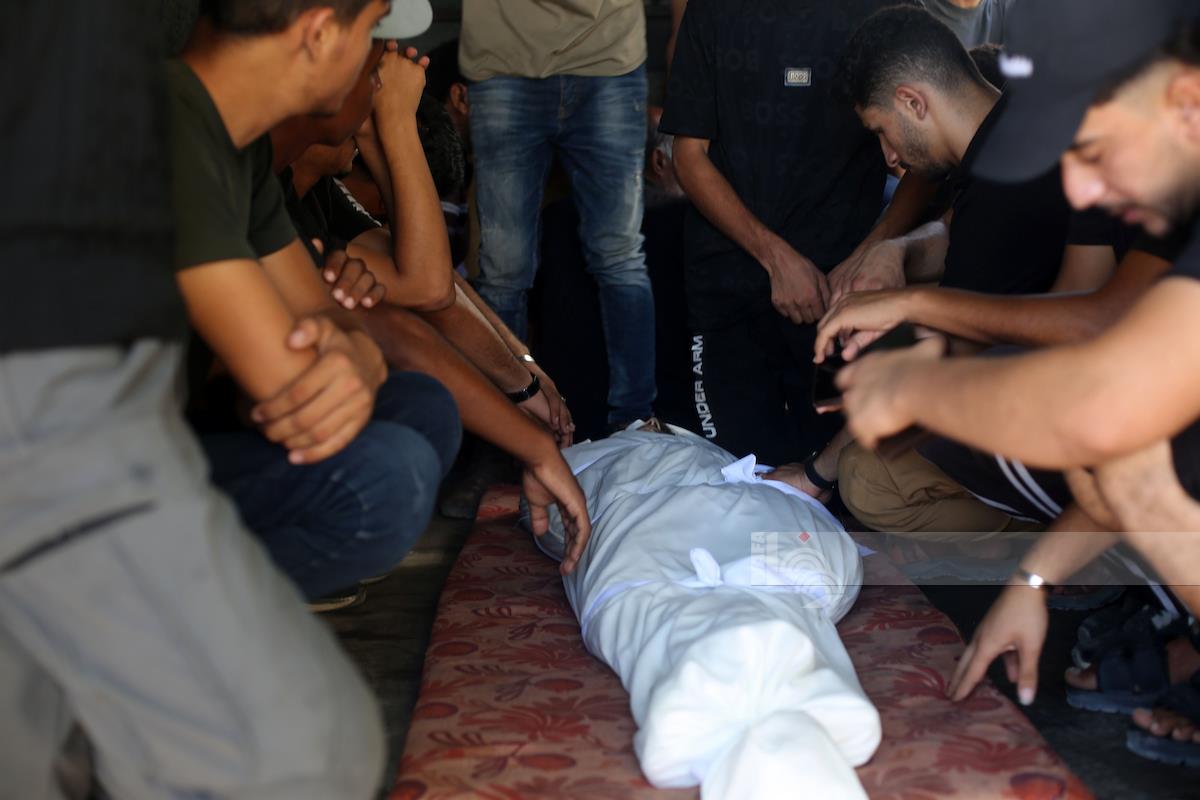
On Saturday alone, Israeli strikes killed at least 136 Palestinians, including 38 individuals waiting for aid and three children who died from severe malnutrition, Palestinian official sources reported.

Israel has killed nearly 59,000 Palestinians, most of them women and children, in Gaza since October 2023. The relentless bombing has destroyed the enclave, almost collapsed the health system, and created famine-like conditions.

Continue reading
War-torn Gaza: Either Walking or The Cart!

Mohammed Saad sits with others inside a homemade cart pulled by a car carrying several passengers, waiting to travel to Gaza City in one of the “uncomfortable and extremely expensive” means of transportation used to get around the Strip.

Moving around Gaza has become ever more difficult amid the ongoing 21-month-long war.

Mr. Saad, who was displaced from the town of Beit Lahia in the northern Gaza Strip, was waiting for the vehicle pulling the cart he was sitting in to move.

“Transportation is very difficult and unsafe,” he told UN News. “The roads are exhausting. We pray to God to grant us patience and to return home.”

This was on Rashid Street, west of the city, which connects the north and south of the Strip. It is crowded with carts, cars and three-wheeled motorcycles that have also been converted into means of transportation.

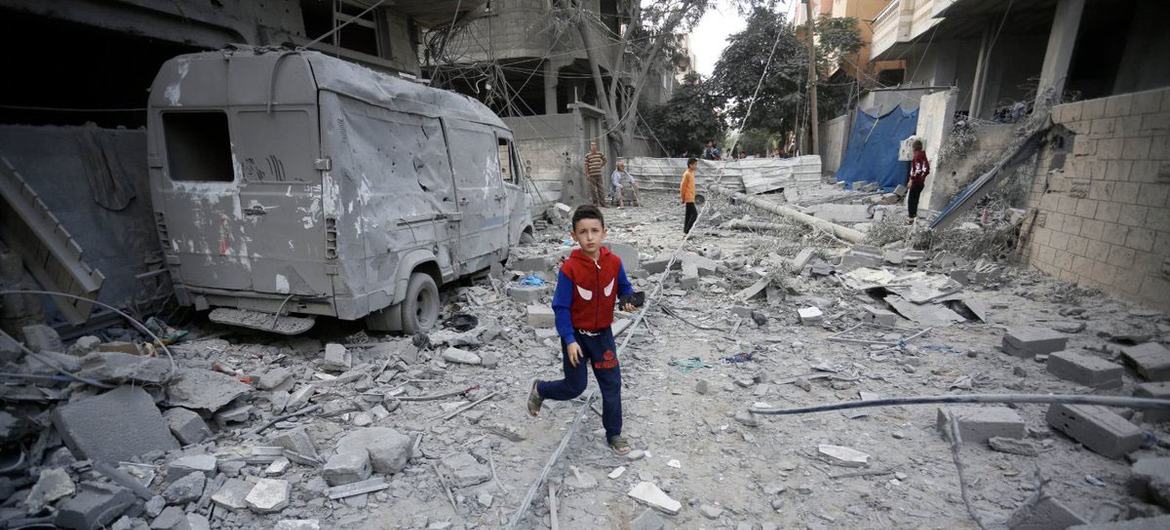
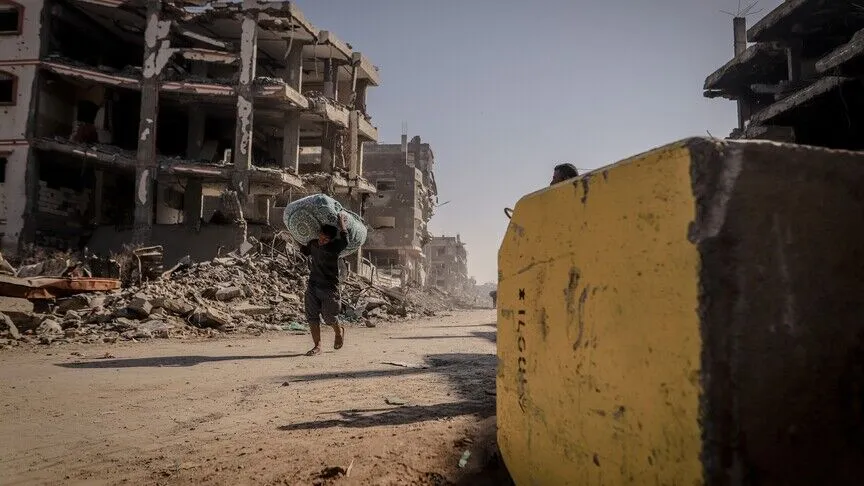
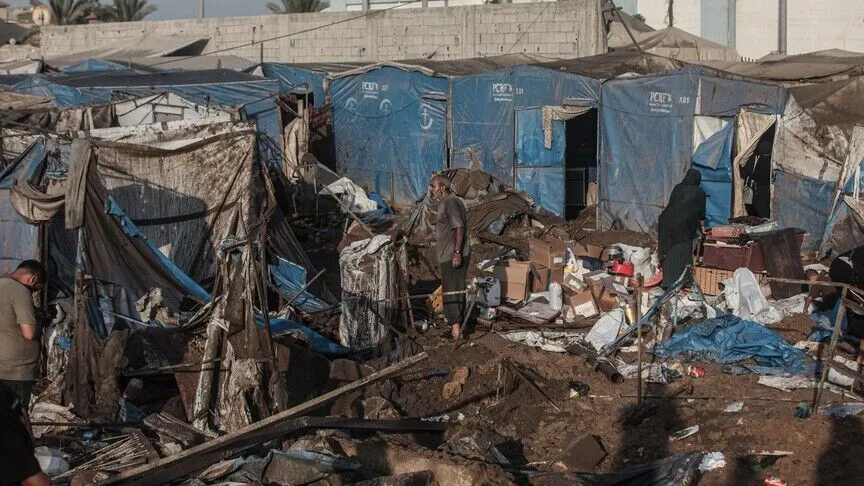
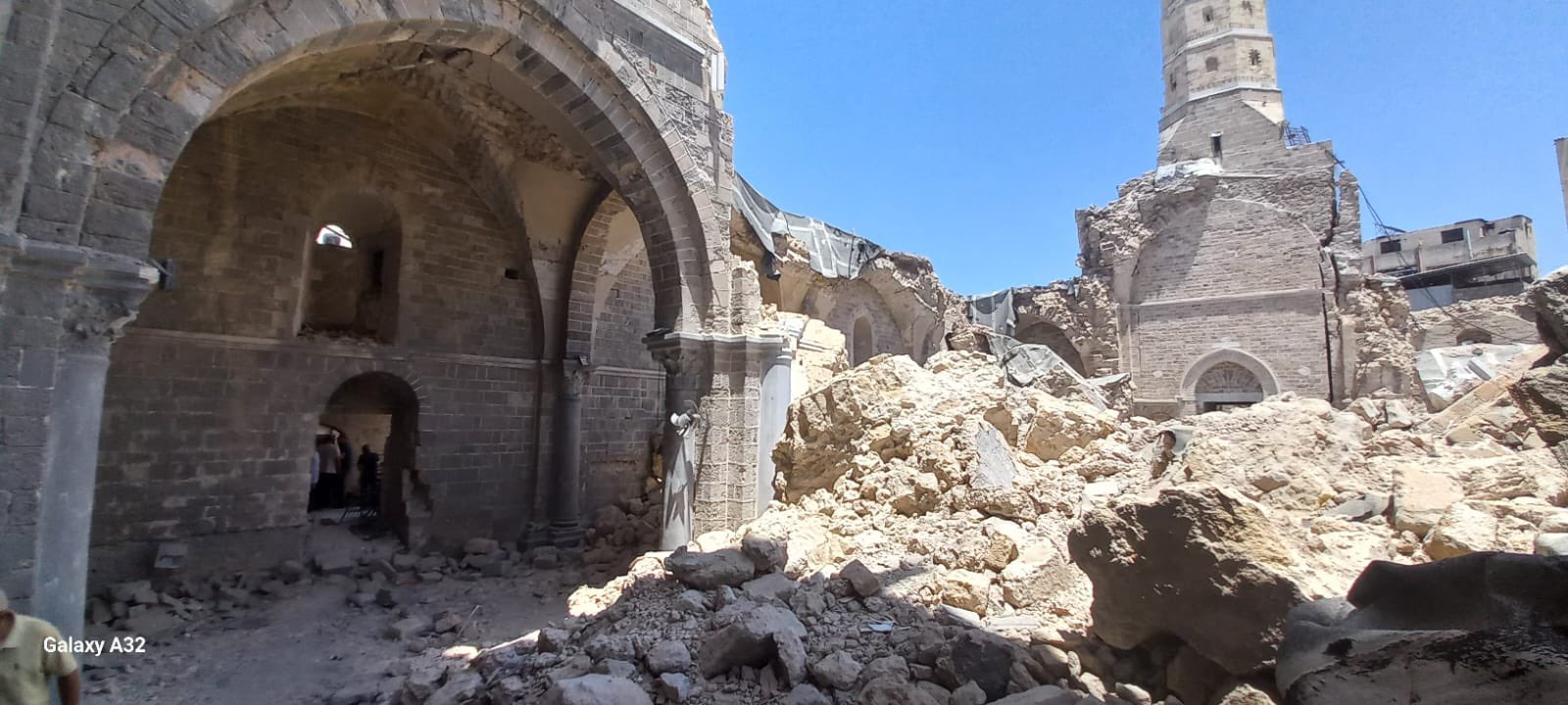
The area is interspersed with tents of displaced people, all surrounded by the rubble of buildings destroyed by war on both sides of the road.

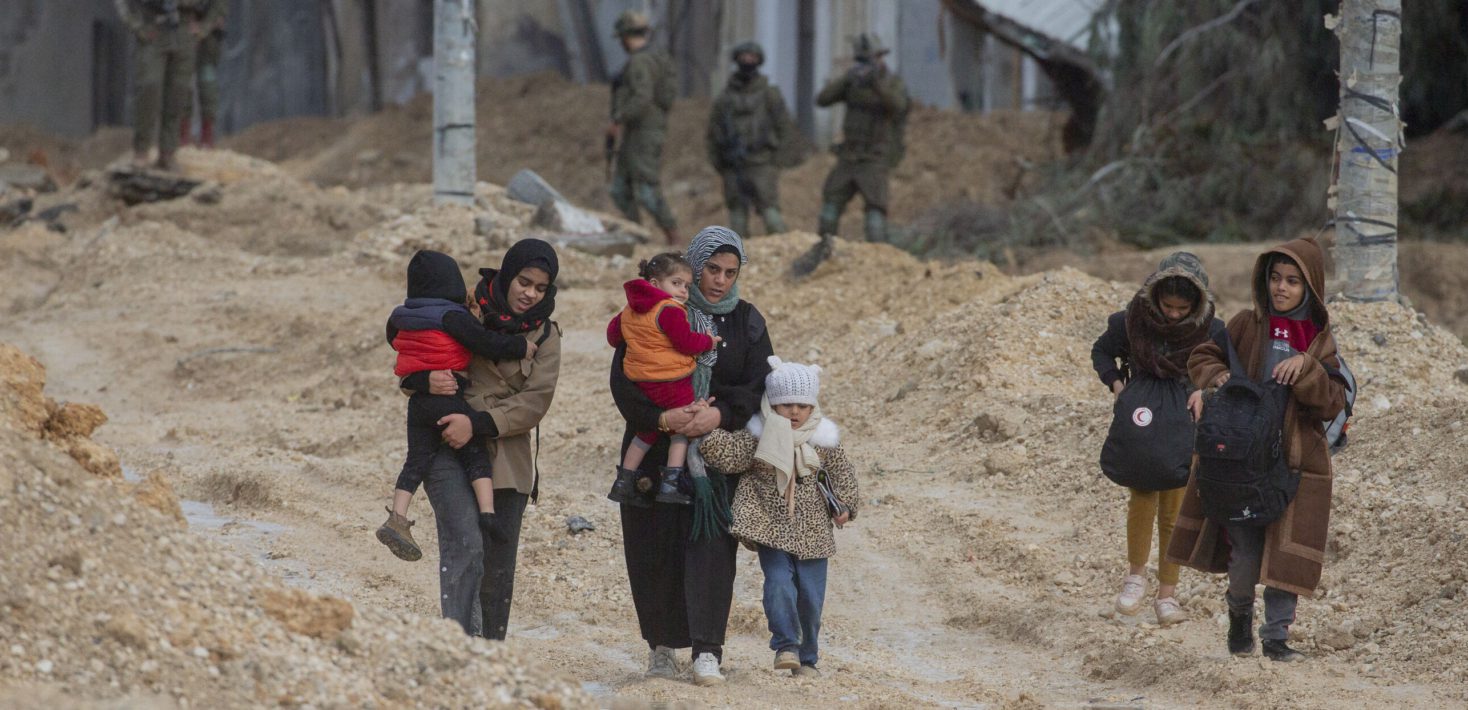
War and evacuation orders have left many in Gaza scrambling for transportation to safety.

UN News

War and evacuation orders have left many in Gaza scrambling for transportation to safety.

A luxury not for everyone

“People can barely find enough to eat, so how will they pay for transportation?” Umm Haytham Al-Kulak asked while waiting in a passenger compartment attached behind a motorcycle,

“We walk mostly; we can’t take public transportation,” she said.

“May God help the drivers. Fuel prices are high, and all the people are exhausted and overwhelmed.”

In Gaza, many people have no choice but to use risky ways to get around during the ongoing war.

UN News

In Gaza, many people have no choice but to use risky ways to get around during the ongoing war.

Sky high fuel costs

Drivers are paying skyrocketing prices for fuel, which is a heavy burden, Abdel Karim Abu Asi said as he waited for his car to be fully loaded with passengers.

“The price of a litre of diesel has reached 100 shekels [around $27],” he said. “What should we do? We’re trying to use locally produced fuel, but it causes significant damage to cars and a lot of problems.”

This isn’t the only problem facing drivers. Mr. Abu Asi said the prices of spare parts are very high. A part that used to cost around 100 shekels now sells for around 2,000 shekels, or around $560.

“We also suffer from the destruction of the streets, and no matter how hard the municipalities try to repair them, the problem is not solved because they require a large number of bulldozers to clear them,” he said.

“People must be helped with transportation costs and many other aspects.”

Fuel vendors sell their products at sharply inflated prices, with a litre of fuel reaching around 100 shekels.

UN News

Fuel vendors sell their products at sharply inflated prices, with a litre of fuel reaching around 100 shekels.

Only option

Despite all the challenges, people there continue to go about their daily lives, even if it takes all day to get from one place to another. That’s what happened to Hussein Al-Hamarneh, who was waiting in a car to travel to the southern Gaza Strip.

Mr. Al-Hamarneh believes that most of these means of transportation are “uncomfortable, such as tuk-tuks [three-wheeled motorcycles] and carts pulled by cars, which are primarily designed to transport goods or animals, not people”.

“This is the only option for those who do not own cars,” he said.

Tayseer Abu Asr, who arranges for passengers to board a cart pulled by a car, stood on the section of the road.

“We’re trying to help people get around,” he said. “These carts have become our only means of transportation after the destruction of buses and taxis.”

On top of these challenges during the ongoing war, the Gaza Strip is facing a fuel crisis.

UN agencies warned earlier this week that the fuel shortage in Gaza has reached critical levels. They said if supplies run out, it will place an unbearable new burden on the population.

UN News

Continue reading