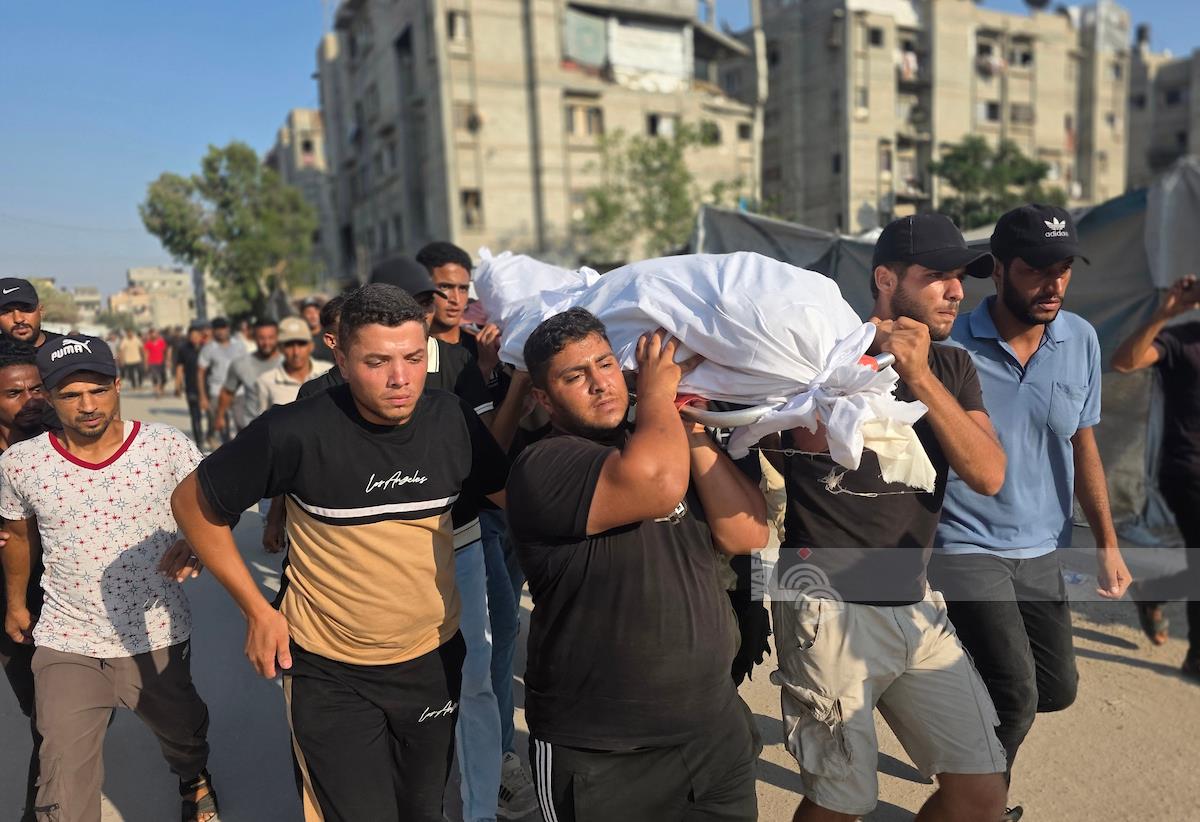
 Ehud Olmert: Gaza Belongs to The Palestinians
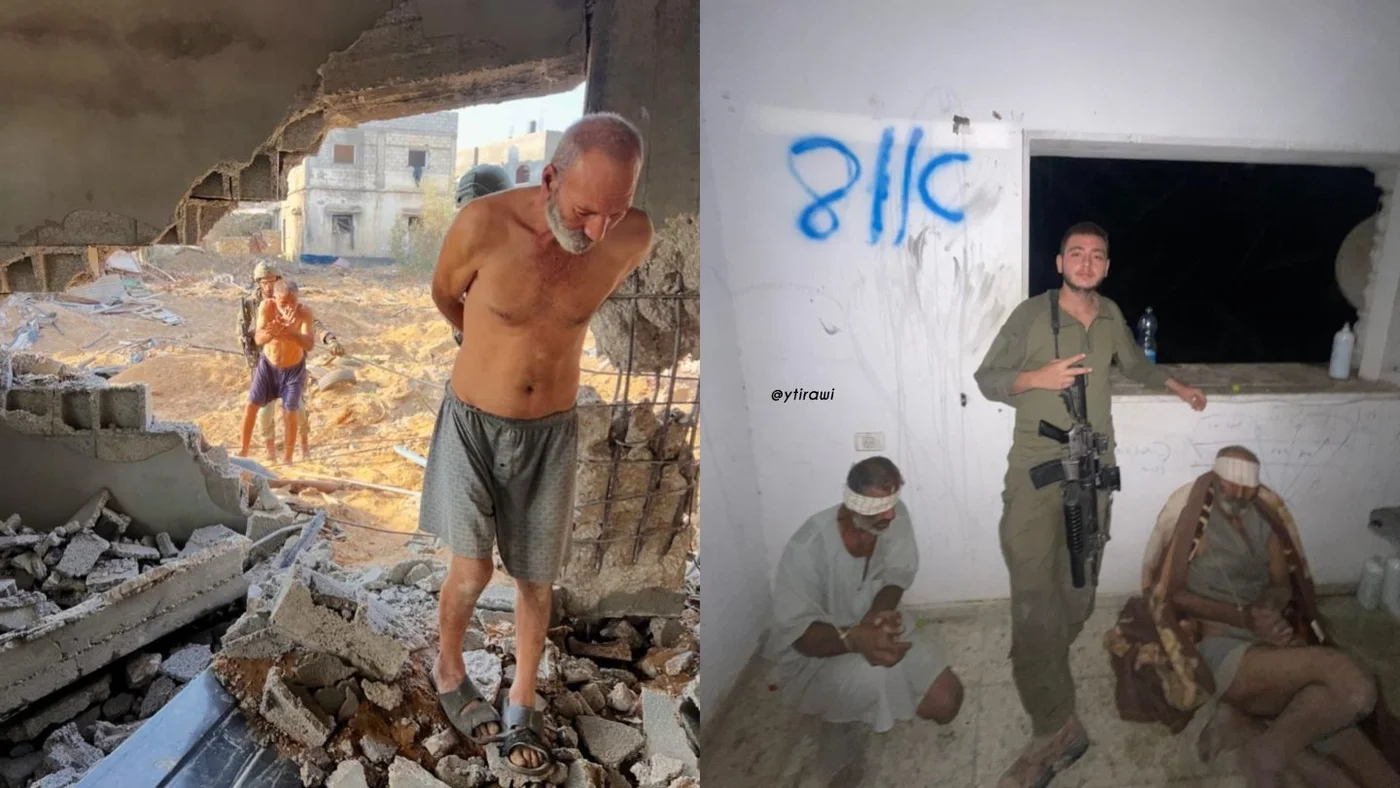
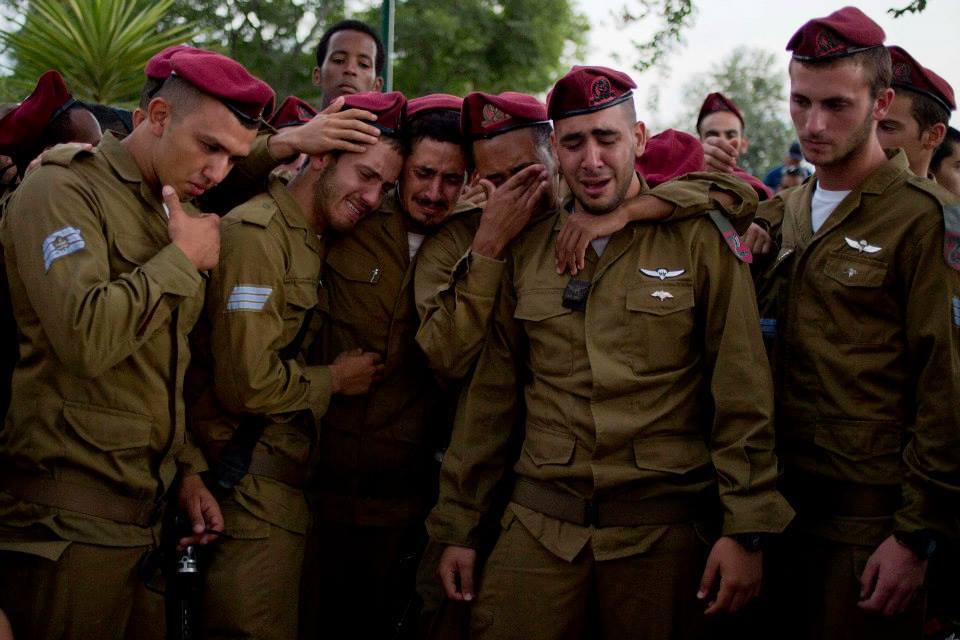
 300 Israeli Soldiers Call For an End of ‘Settler Terrorism’
 Reshida Tlaib Sweeps in Polls
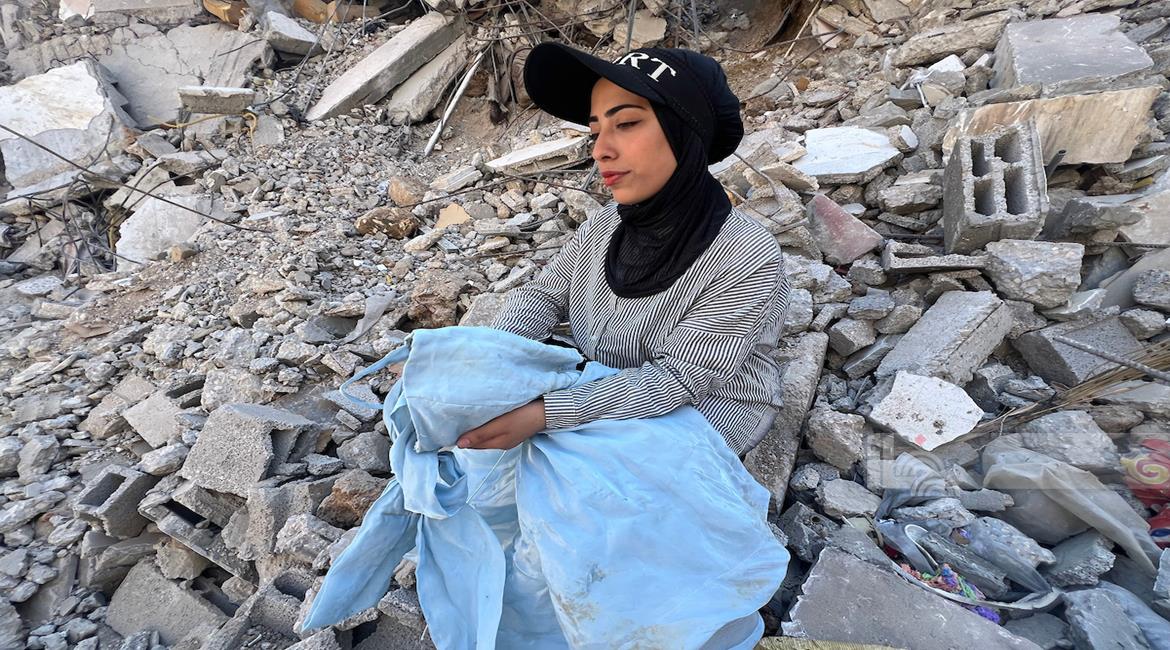
 ‘We Are Still Here – Gaza’
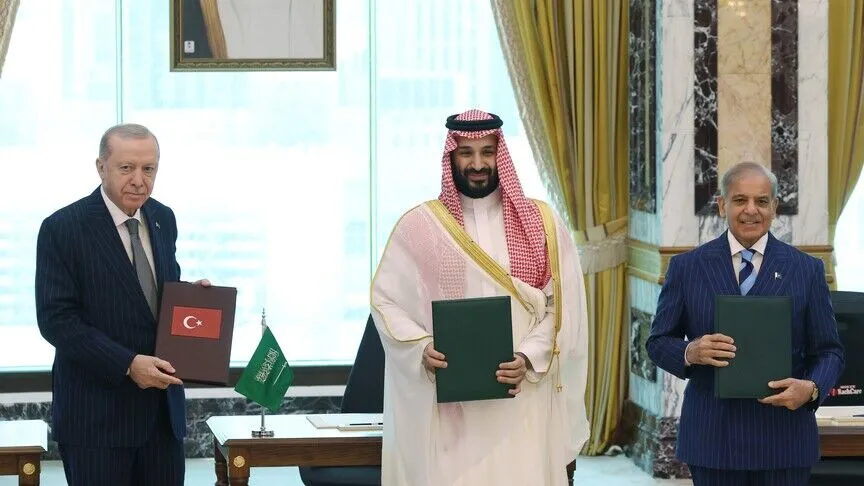
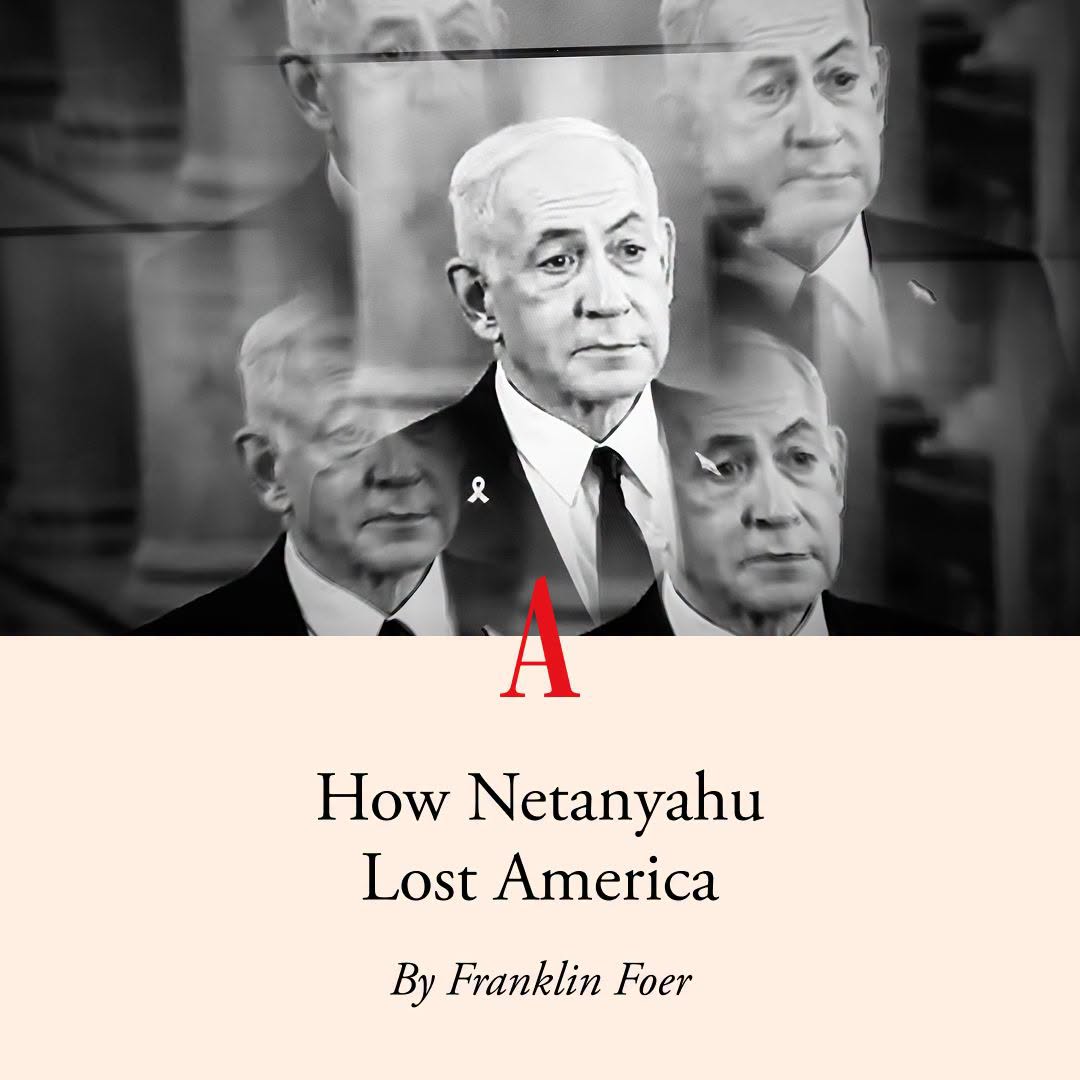
 The Mecca Agreement: Is This The Beginning?



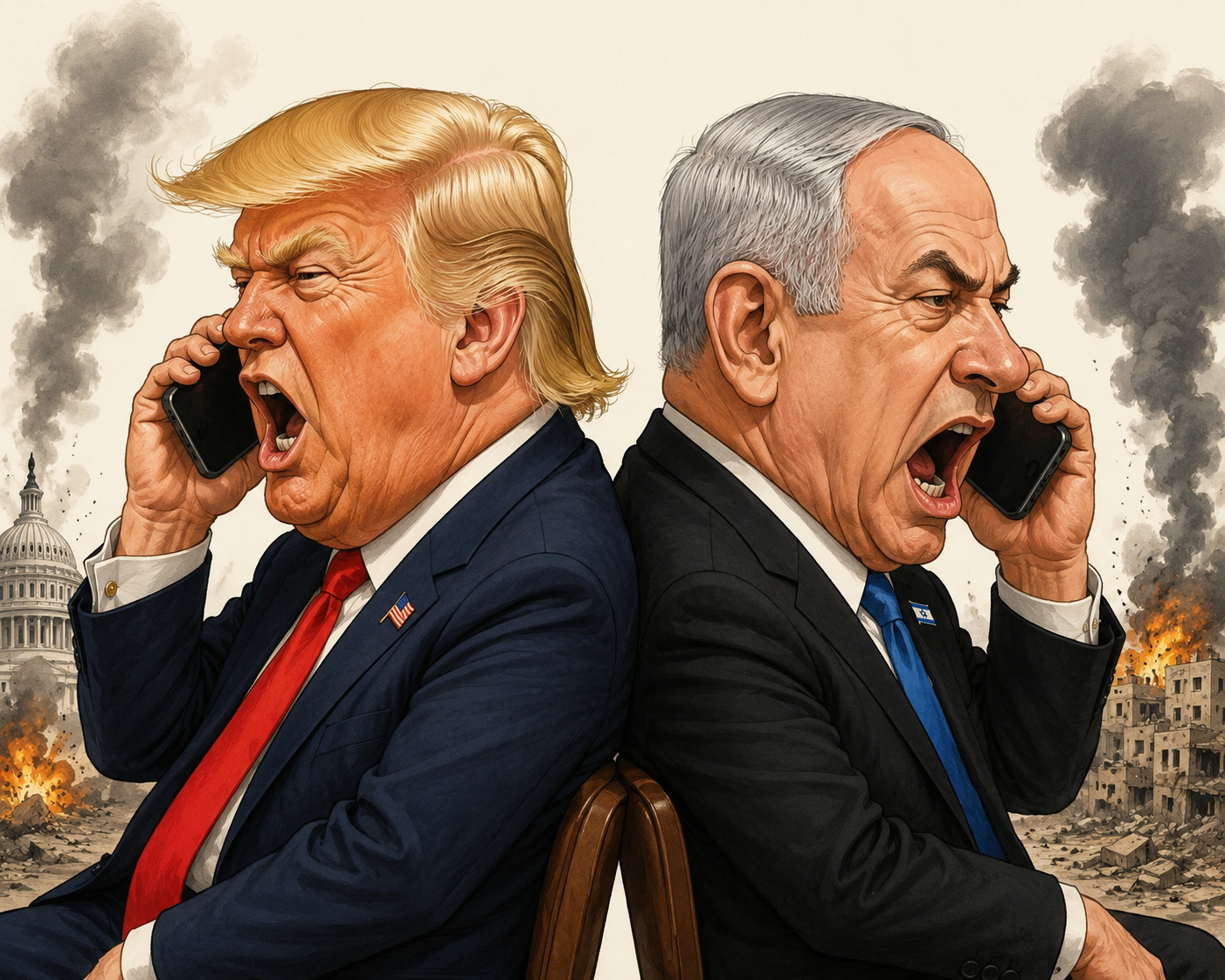
Ehud Olmert: Gaza Belongs to The Palestinians
 CrossFireArabia
- August 12, 2026
 CrossFireArabiaCrossFireArabiaCrossFireArabiaCrossFireArabia
 Heba
Heba marwanCrossFireArabiamarwanHebaCrossFireArabiaHebamarwanmarwanCrossFireArabiamarwanmarwanmarwanmarwanmarwanmarwanmarwanmarwanmarwanCrossFireArabiaCrossFireArabiamarwanmarwanCrossFireArabiaCrossFireArabiamarwanCrossFireArabiamarwanHebaHebamarwanmarwanCrossFireArabiamarwanmarwanmarwanmarwanCrossFireArabiaCrossFireArabiamarwanmarwanmarwanCrossFireArabiamarwanmarwanmarwanmarwanmarwanCrossFireArabiamarwanmarwanmarwanmarwanCrossFireArabiamarwanmarwanmarwanmarwanmarwanmarwanmarwanmarwanmarwanmarwanCrossFireArabia
Trump adviser David Sacks warns that continued escalation with Iran could destabilize the region and strain Israel’s defenses.
A senior adviser to Donald Trump has warned that Washington may already be approaching the limits of what it can safely achieve in its escalating war with Iran.
Speaking on the All-In Podcast, White House AI and cryptocurrency adviser David Sacks urged the United States to step back from the conflict before it spirals further across the Middle East.
“This is a good time to declare victory and get out,” Sacks said, arguing that Washington should seek a negotiated off-ramp rather than push toward deeper escalation.
“I agree that we should try to find the off-ramp,” he added.
His remarks are notable because they challenge the dominant narrative coming from the White House and many Republican figures who continue to frame the war as a decisive strategic success.
Instead, Sacks sounded a far more cautious note, suggesting that the longer the war continues, the more unpredictable its consequences may become.
Sacks warned that Iran retains the capacity to retaliate in ways that could destabilize the entire region.
One of the scenarios he outlined involved strikes on Gulf oil infrastructure and desalination plants that supply drinking water across the Arabian Peninsula.
“I think it’s something like 100 million people on the Arabian Peninsula that get their water from desal,” Sacks said.
Damage to those facilities could have immediate humanitarian consequences across several Gulf states that depend heavily on desalinated water.
Sacks described such a scenario as “truly catastrophic.”
His comments reflect growing concern that Iran may respond asymmetrically, targeting infrastructure and economic systems rather than focusing solely on military confrontation.
Sacks also warned that the war could create serious pressure on Israel if it continues to escalate.
During the podcast discussion, he noted that prolonged regional confrontation could test Israel’s air defense systems and expose the country to sustained missile pressure.
In the same conversation, Sacks described Iran as holding what he called a “dead man’s switch over the economic fate of the Gulf States.”
The phrase referred to Iran’s ability to disrupt key economic and energy infrastructure throughout the region if the war intensifies.
The remarks came shortly before the United States launched a major bombing raid on Iran’s Kharg Island, a strategic terminal through which the vast majority of Iranian oil exports pass.
The strike highlighted how deeply the war has already penetrated the economic and strategic infrastructure of the region.
Energy markets have reacted nervously to the widening conflict, while Gulf states remain exposed to the risk of retaliatory strikes on oil facilities and shipping routes.
Meanwhile, Iran and allied groups have continued missile and drone attacks against Israel and other targets across the region, expanding the battlefield beyond the initial US-Israeli strikes.
The result is a conflict that now spans multiple fronts across West Asia.
Sacks’ remarks highlight a widening divide within Washington over how far the United States should go in its confrontation with Iran.
Publicly, the Trump administration has continued to project confidence that the military campaign is weakening Tehran and reshaping the regional balance of power.
But behind that messaging, officials and political allies appear increasingly split over what the next step should be.
Some figures within the administration and the broader Republican Party are pushing for deeper escalation. Defense Secretary Pete Hegseth has repeatedly framed the strikes as part of a broader effort to weaken Iran’s regional influence and restore deterrence.
Trump himself has combined victory rhetoric with threats of further escalation. After announcing the bombing raid on Iran’s Kharg Island, he claimed US forces had “obliterated” key military targets while warning that Iranian oil infrastructure could also be struck if Tehran moves to disrupt shipping through the Strait of Hormuz.
At the same time, a smaller but increasingly visible group within Trump’s orbit appears wary of a prolonged war.
Those voices argue that continued escalation could draw the United States into a wider regional conflict involving Iran’s network of allied forces across Lebanon, Iraq, Yemen, and elsewhere.
Sacks’ call to “declare victory and get out” reflects that concern.
Rather than advocating additional military pressure, he suggested Washington should use the current moment to claim success and pursue a negotiated exit before the conflict expands further.
The contrast between those positions — escalation versus exit — is becoming one of the central political questions shaping Washington’s response to the war. – The Palestine Chronicle
CrossFireArabia
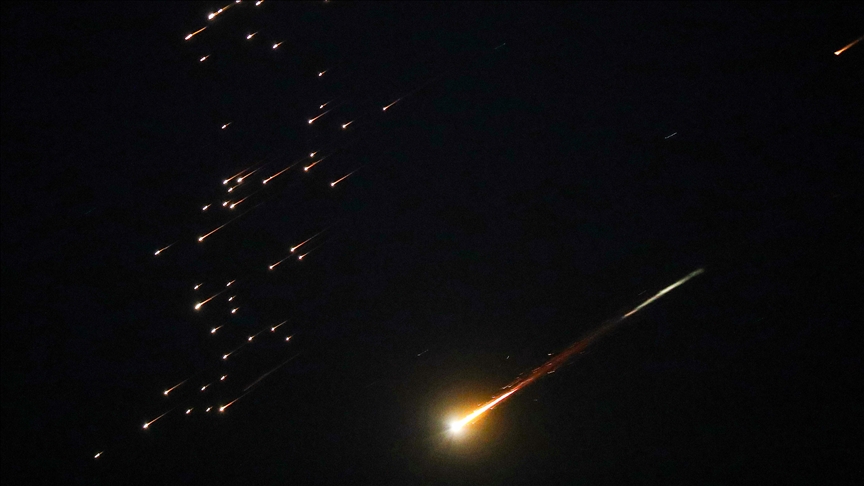
Fragments from Iranian missiles fell in areas near Tel Aviv in central Israel after air defence systems intercepted incoming projectiles, according to Israeli media. Israel’s Channel 12 reported that debris landed in the cities of Lod and Ness Ziona near Tel Aviv following interceptions of missiles launched from Iran.
The broadcaster said police and emergency crews were dispatched to the sites where the debris fell to assess damage. Loud explosions were heard in Jerusalem and the occupied West Bank, and missile fragments fell in the Palestinian area of Masafer Yatta after Iranian missiles were intercepted, eyewitnesses said. TRTWorld
CrossFireArabia
By Ismail Al Sharif
“We are in an advanced position, and we will decide when the war will end,” said Kazem Gharibabadi, Iranian Deputy Foreign Minister.
President Donald Trump, in coordination with the Zionist entity, is igniting a regional war with Iran which is an unprecedented event in the region. Analysis of the true motives behind this fateful decision vary. One school of thought believes the strategic objective lies in controlling Iranian oil wealth and containing growing Chinese influence. Another links this to the Epstein affair, based on claims of Zionist pressure threatening to expose him to sensitive information.
A third school believes that Trump is tied to political commitments made to Miriam Adelson, who generously funded his election campaign. Some go even further, alleging that Trump, known for his transactional negotiating style, received substantial financial compensation for engaging in this war. In a related context however, recent reports indicate that Trump himself has blamed his son-in-law, Jared Kushner, and several close advisors for instigating this latest military adventure.
Whatever the true motives behind igniting this war, one path seems almost certain to end it: Trump will hold a press conference declaring a unilateral and absolute victory. The precise timing of this declaration remains uncertain.
But the decision to cease hostilities does not rest with Trump alone; it is contingent upon the agreement of two other key parties: Tehran and Israel.
Israel shows no desire to end this war, as it is the primary beneficiary of its continuation. It systematically seeks to dismantle the structure of the Islamic Republic and sees no harm in the regime’s collapse leading to widespread chaos engulfing Iran and the entire region.
If Trump fails to restrain Netanyahu, the latter will not hesitate to continue his military operations even after any official American declaration of a ceasefire. This may explain why Trump declared that any settlement to end the conflict would only be possible with Netanyahu’s consent and explicit blessing.
However, the Zionist entity might feign acceptance of a ceasefire while its Mossad intelligence apparatus works behind the scenes to fuel separatist and rebellious sentiments among ethnic minorities within Iran, such as the Kurds and Balouchis, potentially threatening the cohesion of the Iranian state from within. In response, Tehran would have no choice but to continue targeting the entity, which would then retaliate swiftly, potentially drawing Trump back into a cycle of military confrontation.
Adding to Trump’s predicament is the possibility that he might ultimately declare a ceasefire unilaterally, without any fundamental change to the structure of the Iranian regime, and without extracting any genuine concessions from Tehran regarding halting uranium enrichment, dismantling its missile program, or severing its ties with regional allies—the very pretexts used to launch the war.
Even more dangerous is the fact that the Islamic Republic’s resilience and its emergence from this crisis with its system intact will make it a unique and exceptional model: The first country to challenge American hegemony and emerge unscathed. This could encourage other countries suffering under the weight of Trump’s policies or ambitions—such as Venezuela and Greenland—to adopt resistance as a path, even if they lack Iran’s military capabilities.
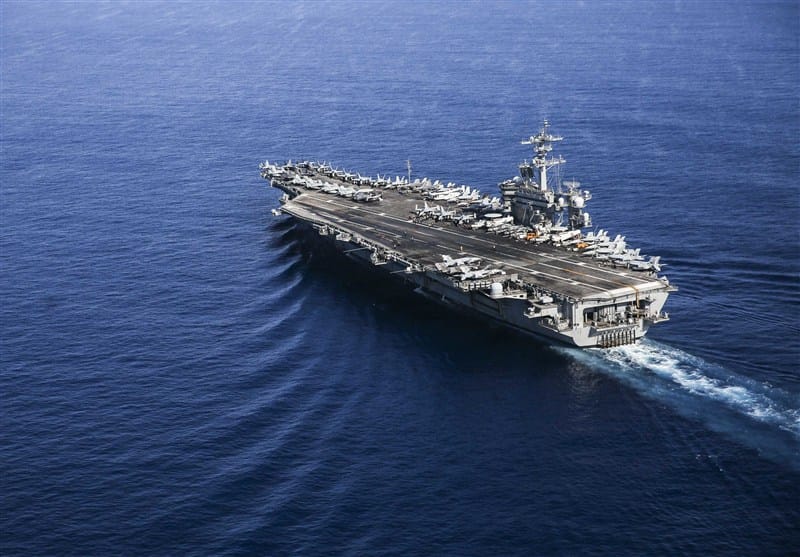
It seems to me that President Trump may be following in the footsteps of his predecessor, George W. Bush, when he famously declared victory in 2003 from the deck of the aircraft carrier USS Abraham Lincoln, which was then—as it is today—at the eye of the American military storm. It is worth recalling here that Bush’s speech was a highly symbolic and premature declaration, one that was quickly contradicted by events, as the war on Iraqi soil continued for nearly a decade afterward.
The war has exhausted Iran and burdened it with immense hardships, making it seriously seek a cessation of hostilities. However, it simultaneously finds itself in direct confrontation with American will. Iranian officials have made it clear that any agreement to a ceasefire and the resumption of negotiations is contingent upon receiving firm guarantees from Washington and Tel Aviv that the aggression will not be repeated. Should Tehran manage to withstand and overcome this phase, it is likely to add to its list of demands one of which is the lifting of some of the sanctions imposed upon it.
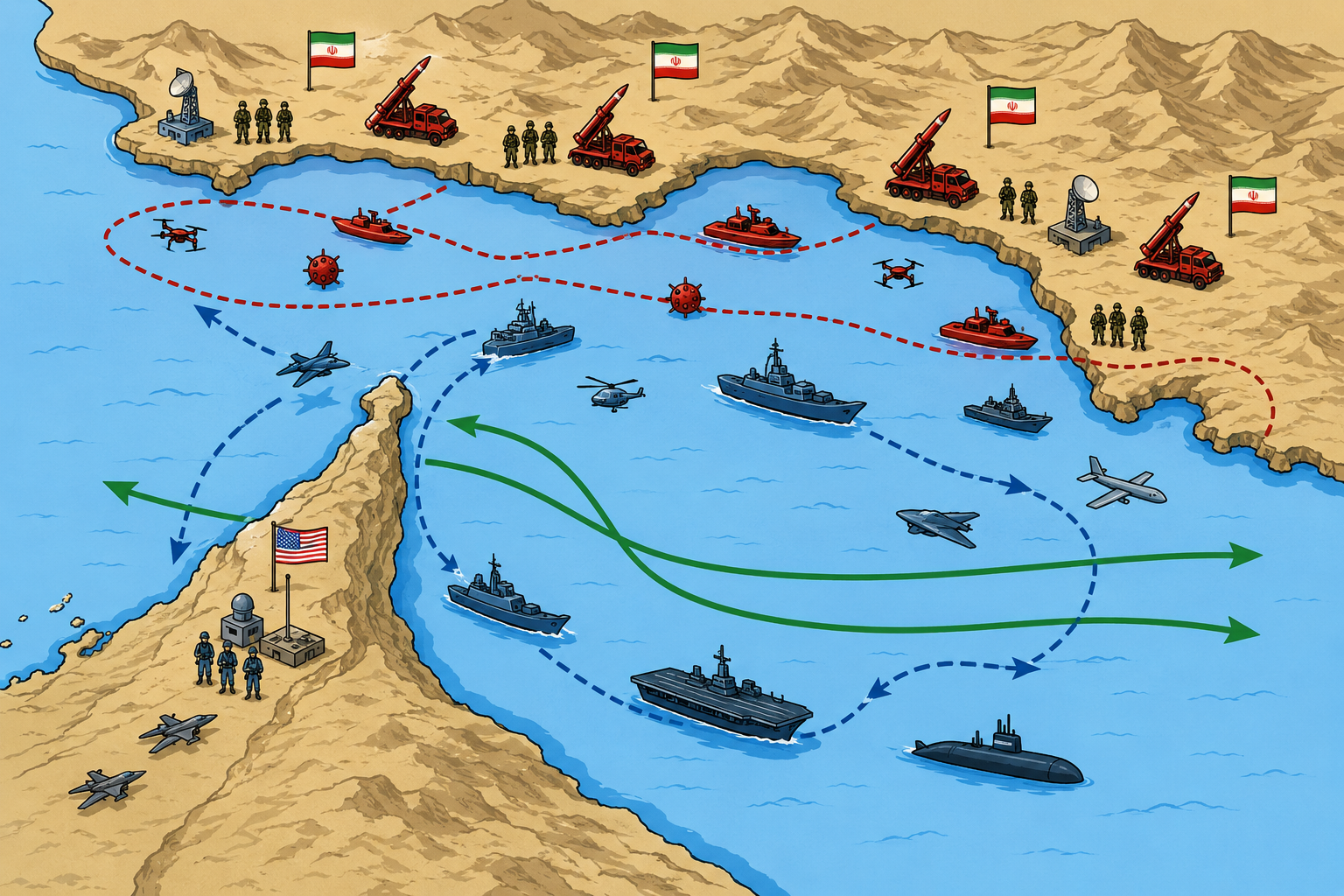
Therefore, it appears that the Iranian strategy is essentially based on a policy of systematic attrition; simultaneously exhausting the United States and Israel by driving oil prices to high levels and closing the Strait of Hormuz, the world’s vital energy artery. This would impose heavy economic burdens that might ultimately compel Washington to reconsider its calculations and agree to a ceasefire.
In short, Trump will not be in a position to deliver a victory speech in the next week or two, and any such declaration without genuine cooperation from Israel and Iran will amount to nothing more than empty rhetoric devoid of any real substance on the ground. There is no doubt that President Trump has put himself, his country, and the entire region in a very complex strategic predicament, from which the way out may not be as easy as those who made the decision to go to war imagine.
This analysis was originally written in Arabic and reprinted in crossfirearabia.com
CrossFireArabia
Sirens sounded across Israel six times on Friday, sending millions running for shelter, with emergency services reporting damage at several locations in the center of the country reports the Times of Israel.
One impact, possibly by a cluster bomb sub-munition or other fragments, sparked a blaze on the roof of a building in Shoham. According to the Kan public broadcaster, dozens of people have been forced to leave their homes as a result of the damage, the daily paper added.
CCTV footage appeared to show an impact at an empty school in Rishon Lezion, and several cars were also damaged in the town.
“I finished running and saw the missile fall. It was a great miracle that my wife and three children were in the reinforced room,” witness Tomer Nativ told the Ynet news site. “It was scary, everything caught fire on the street.”
A cluster munition also hit a highway in the center of the country, causing a crater, while an impact in Holon sparked a fire in a building, the English paper reported.
An additional missile hit an open area in central Israel — no sirens sounded as that projectile did not pose a threat to a populated area.
Cluster bomb warheads indiscriminately spread dozens of submunitions, each with several kilograms of explosives, over a radius of around 10 kilometers (6 miles).
On the first day of the war, Iran launched some 90 missiles at Israel, before firing around 60 the following day. The rate then declined to around 20 missiles per day for around a week, before slowing further to several a day in recent days. Times of Israel
CrossFireArabia
Iran on Friday said that its air defenses have destroyed 111 drones since the start of the war involving the US and Israel, according to a statement by the Islamic Revolutionary Guard Corps (IRGC).
The statement, reported by the official Iranian news agency IRNA, said an armed MQ-9 drone was intercepted and destroyed over Firuzabad in Fars Province, while another drone was also shot down in the skies over Tabriz.
It added that the total number of drones of various types destroyed since the start of the war has reached 111 according to Anadolu.
Tensions across the Middle East have flared up since Israel and the US launched a joint attack on Iran on Feb. 28, killing so far around 1,300 people, including the then-Supreme Leader Ali Khamenei.
Tehran retaliated with drone and missile strikes targeting Israel, Jordan, Iraq, and Gulf countries that are home to US military assets, resulting in casualties and damage to civilian infrastructure and affecting global markets and aviation.