
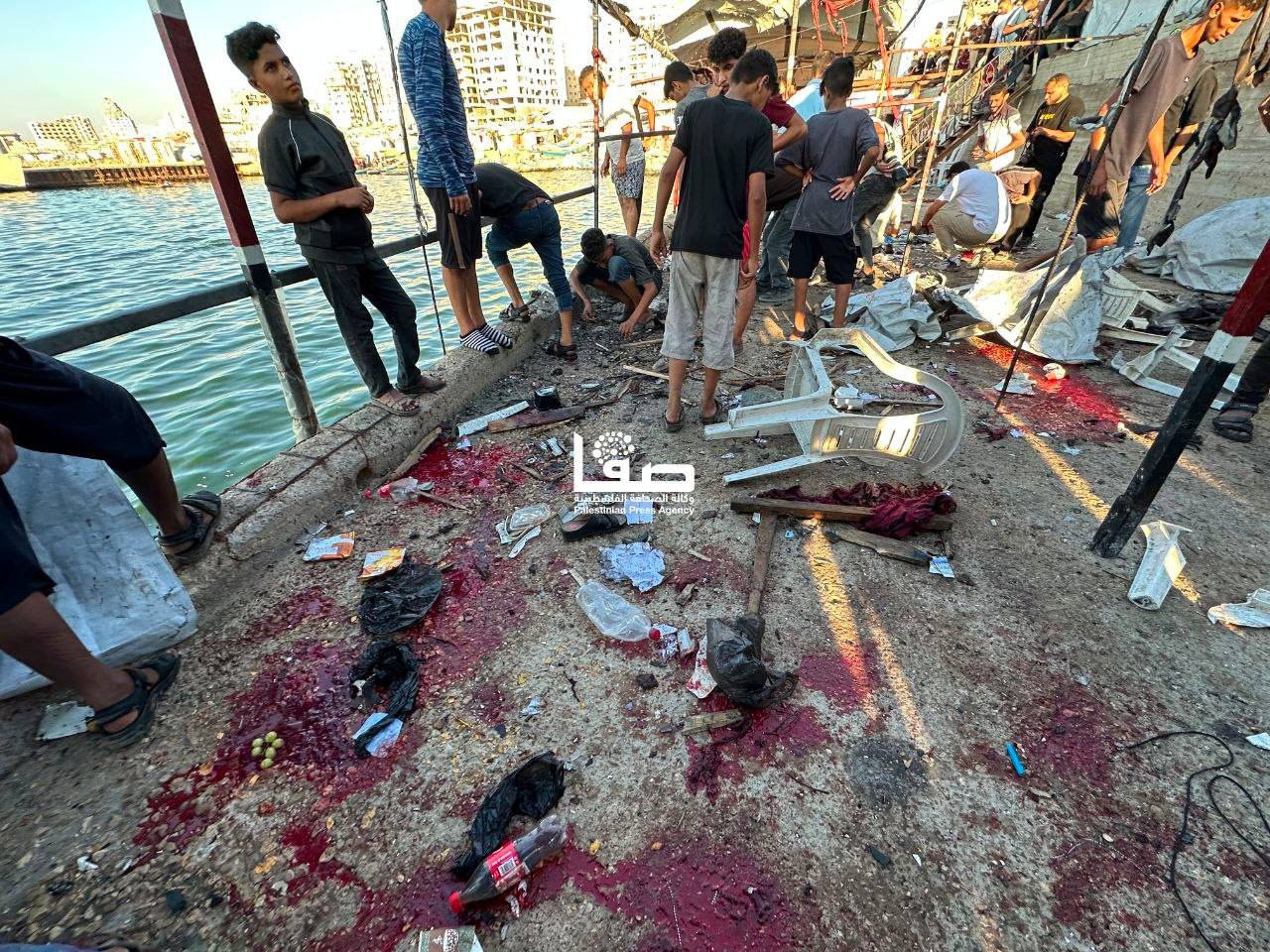
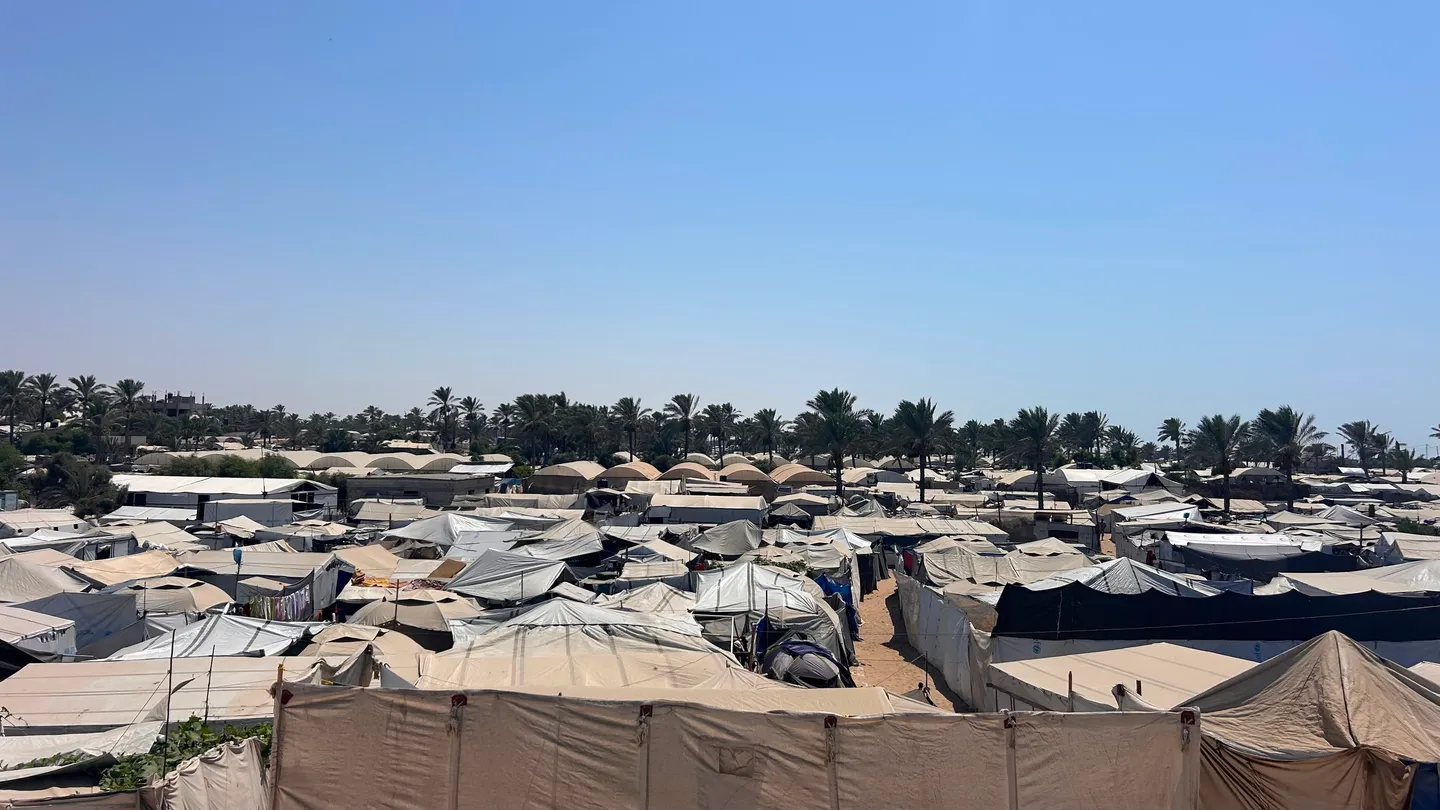
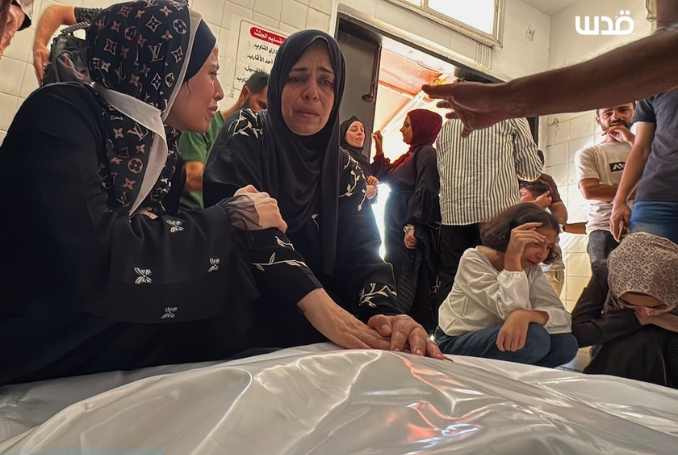
 Israeli Strikes Gaza Port Café, Leaves 6 Dead, a Child and 14 Wounded
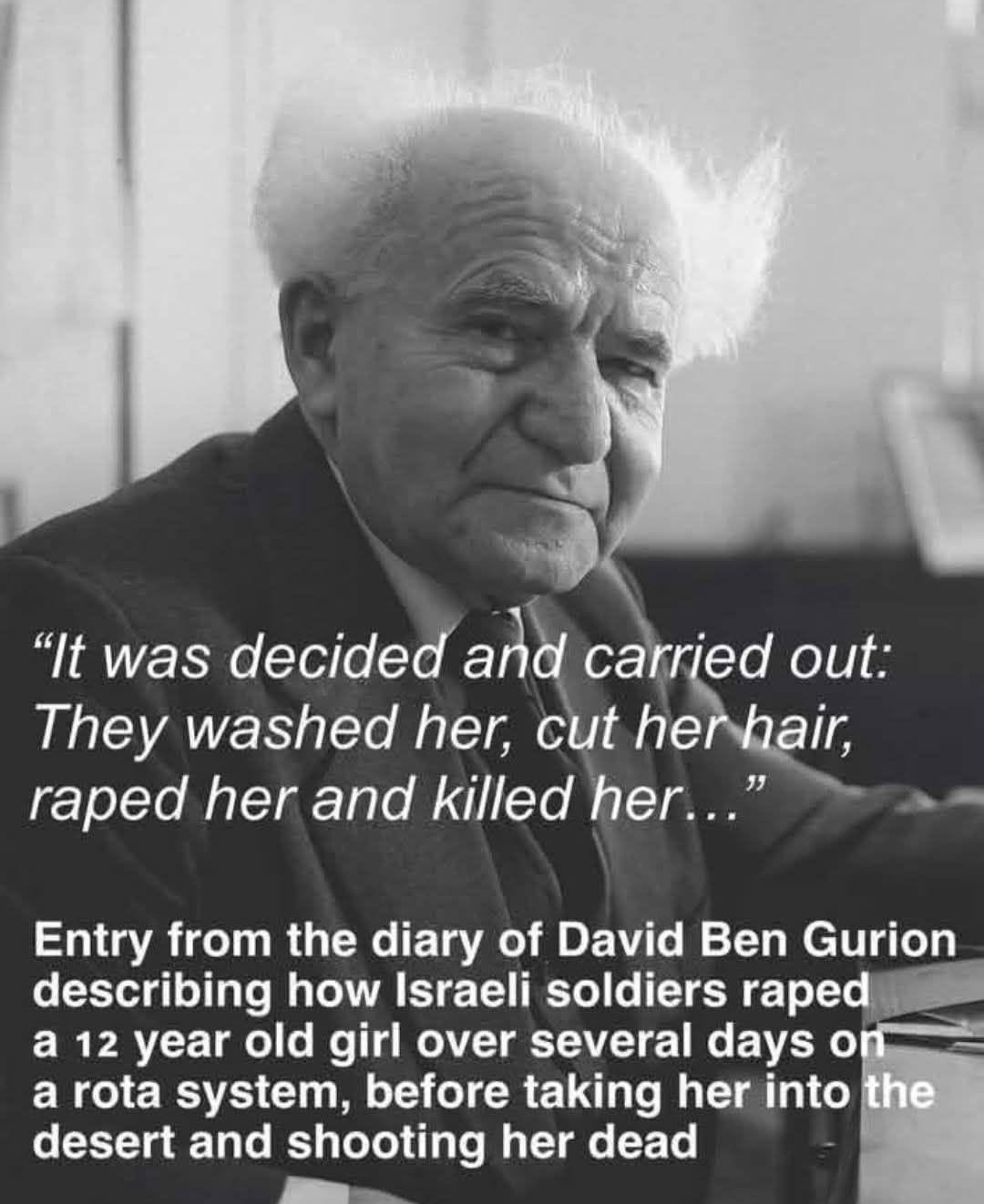 Your Ben Gurion! Revelations
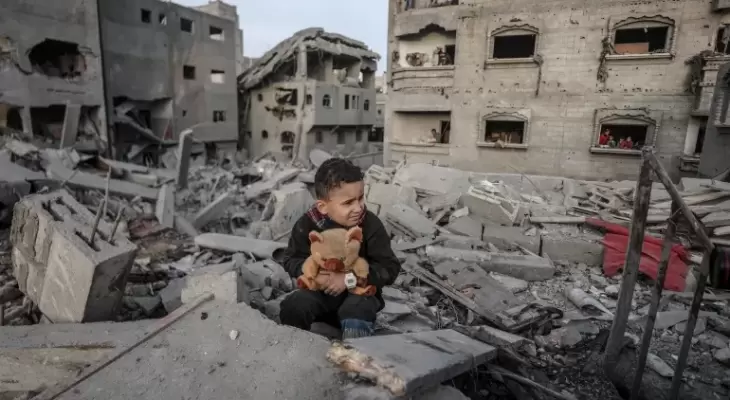
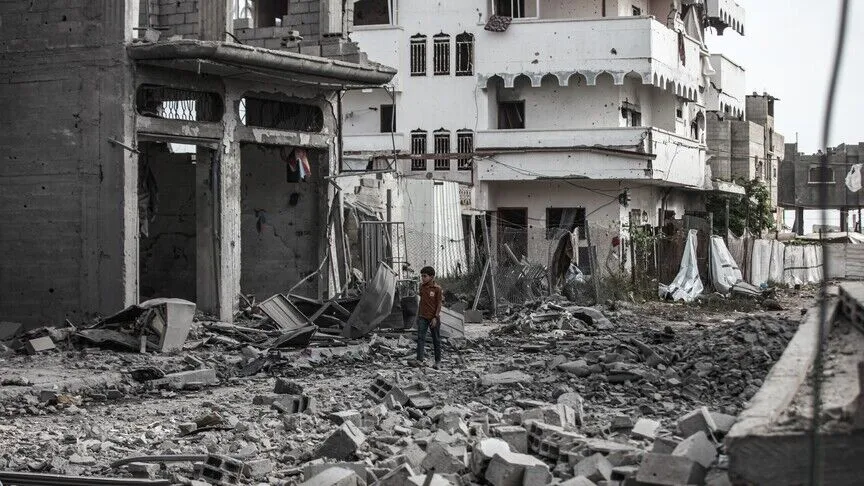
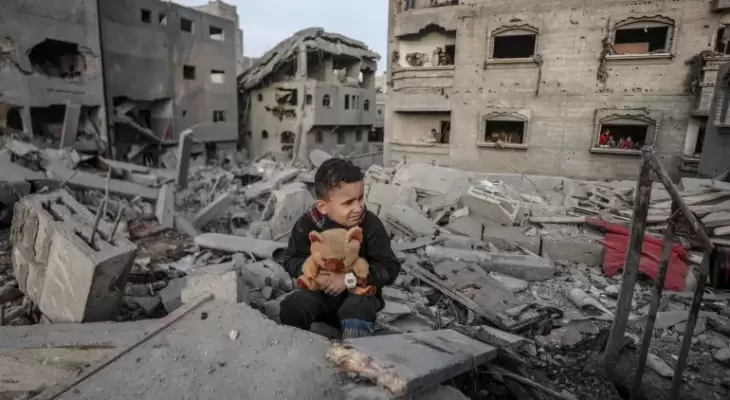
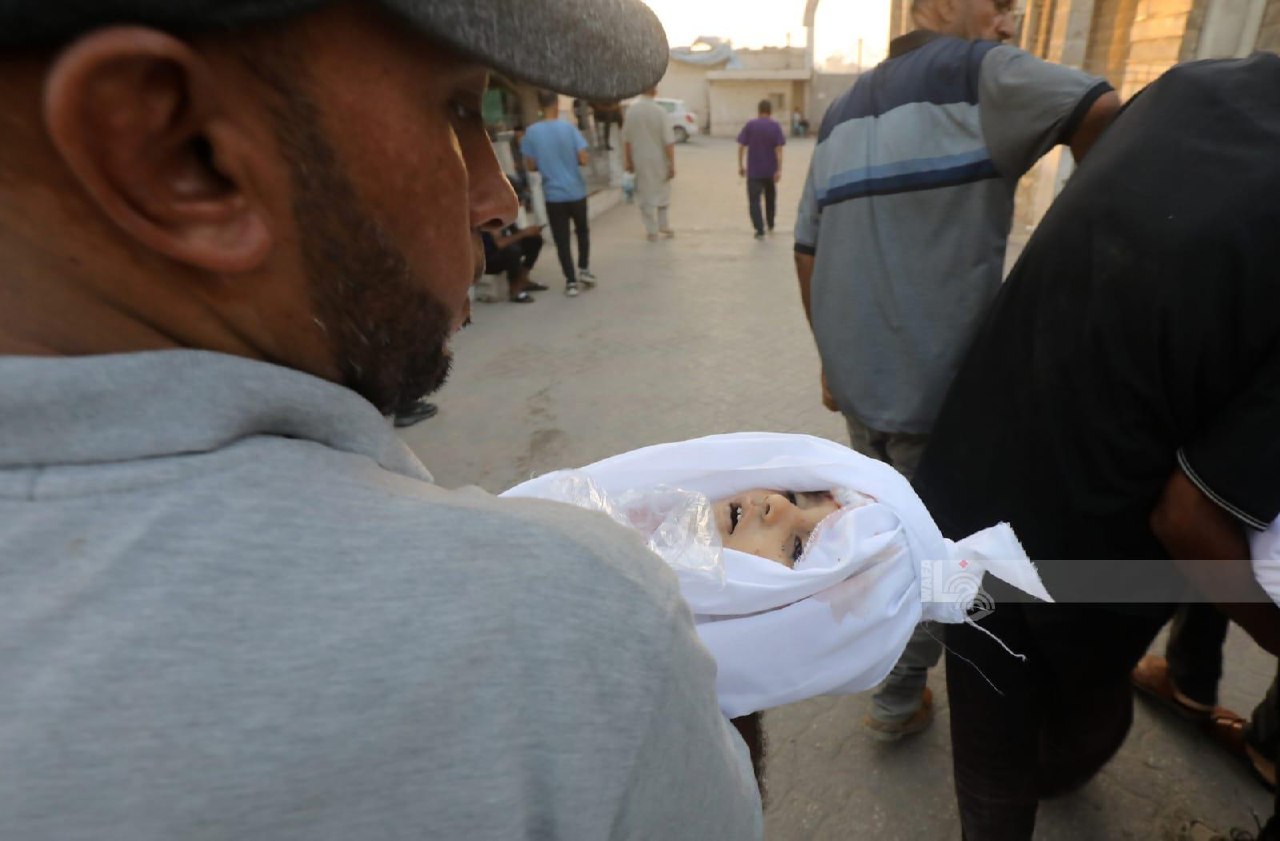
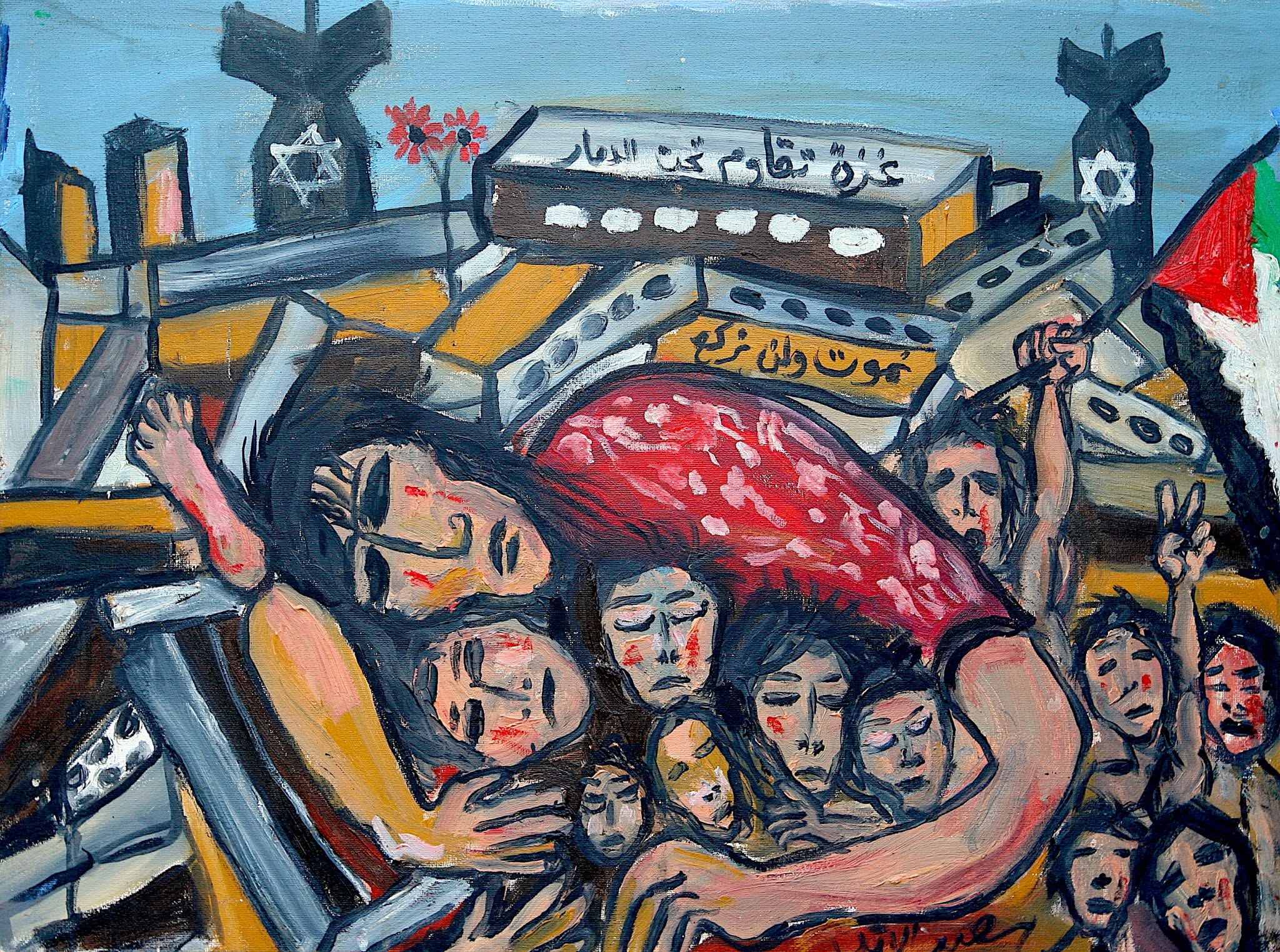
 Gaza’s Face of Destruction
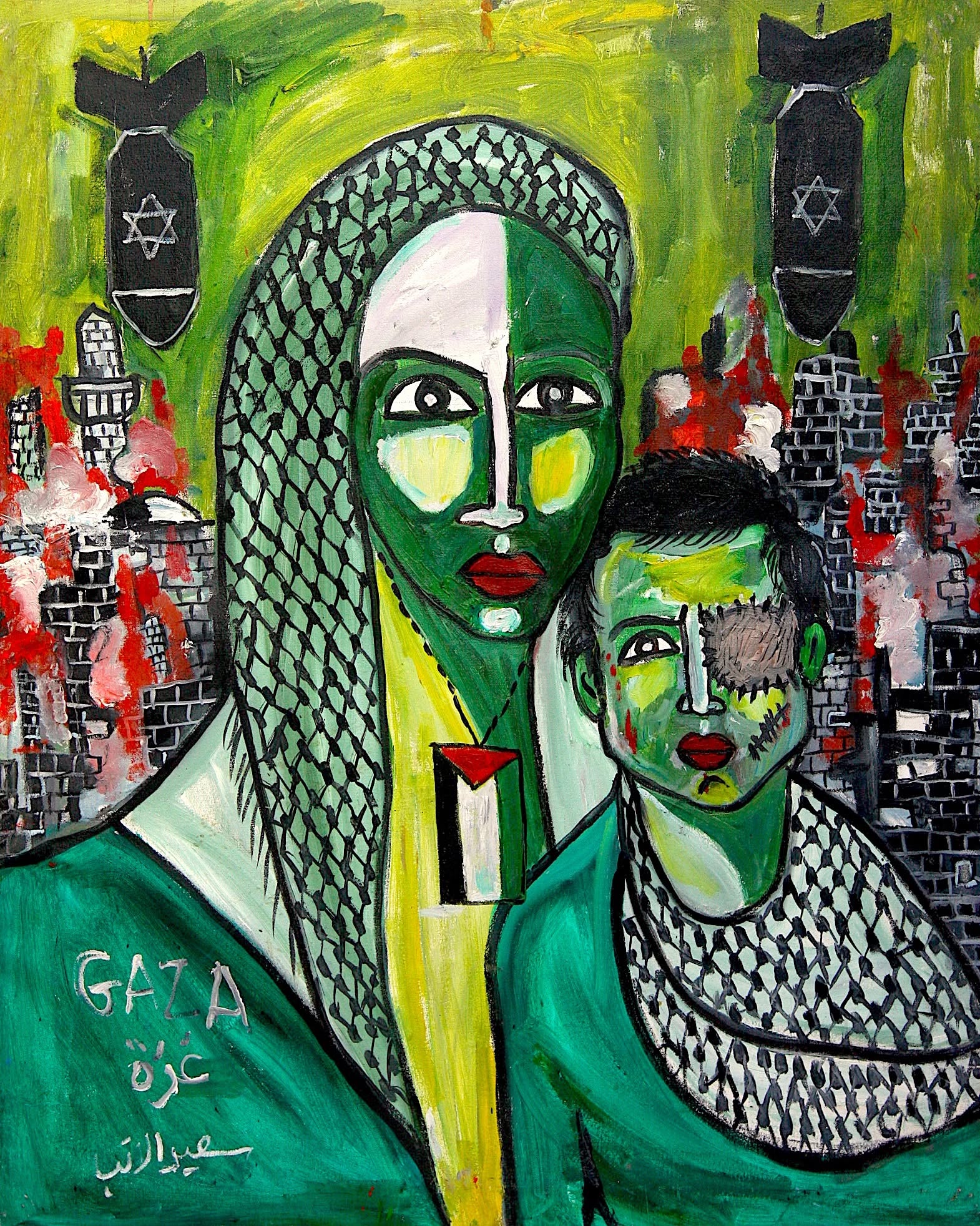
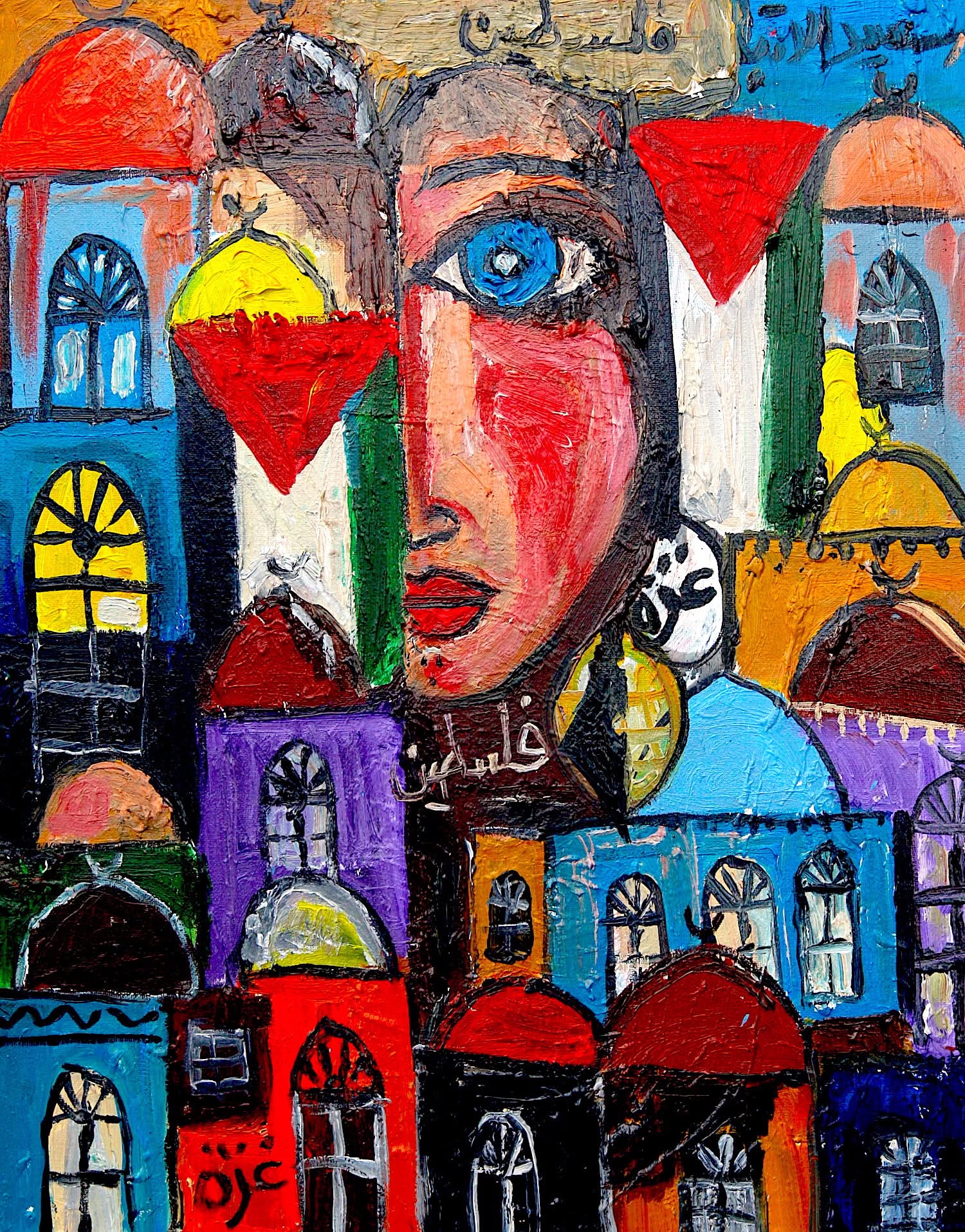 Sad Woman of Palestine
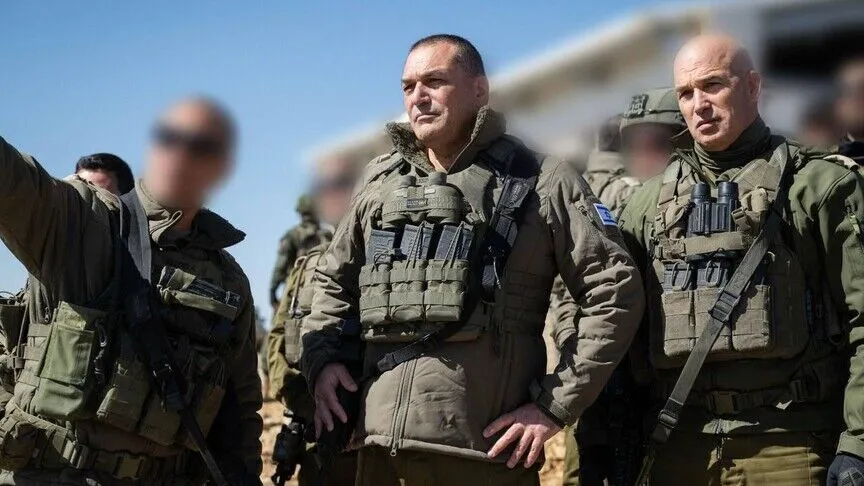
 Itamar Ben Gvir: ‘We Should Kill 30 to 40 in Gaza Each Night’



 Saleem Ayoub Quna



















Balfour in The Unholy Trinity
 CrossFireArabia
- August 12, 2026
The Unholy Trinity
Hussam Abdelkareem reminds us:
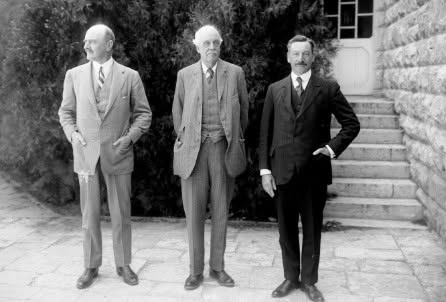
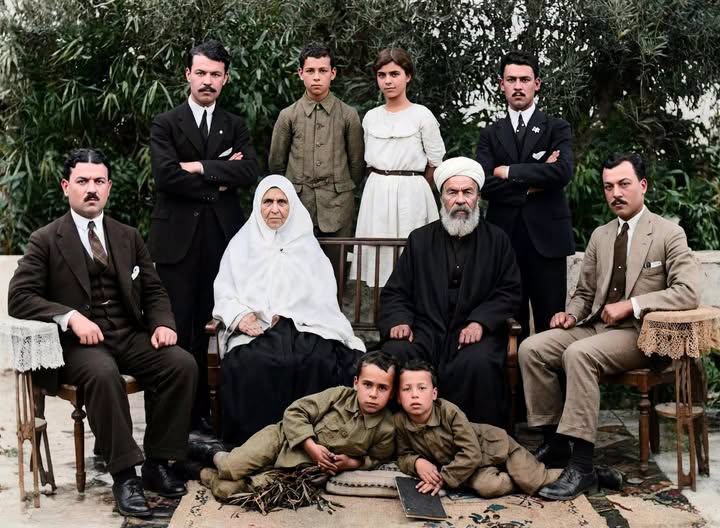
This photograph was taken in Jerusalem in 1925. In the center is Lord Arthur Balfour, author of the infamous promise made by Britain in 1917 to the Zionists to establish a national home for the Jewish people in Palestine. To his right is General Edmund Allenby, the British commander who entered Jerusalem with his forces after the defeat of the Ottoman Empire at the end of World War I. The third is Sir Herbert Samuel, the Zionist, the first High Commissioner appointed by Britain as the ruler of Palestine in 1920.
Without these men, the State of Israel would not exist today.
Israel Breaks The Ceasefire 12 Times
marwan
- August 12, 2026
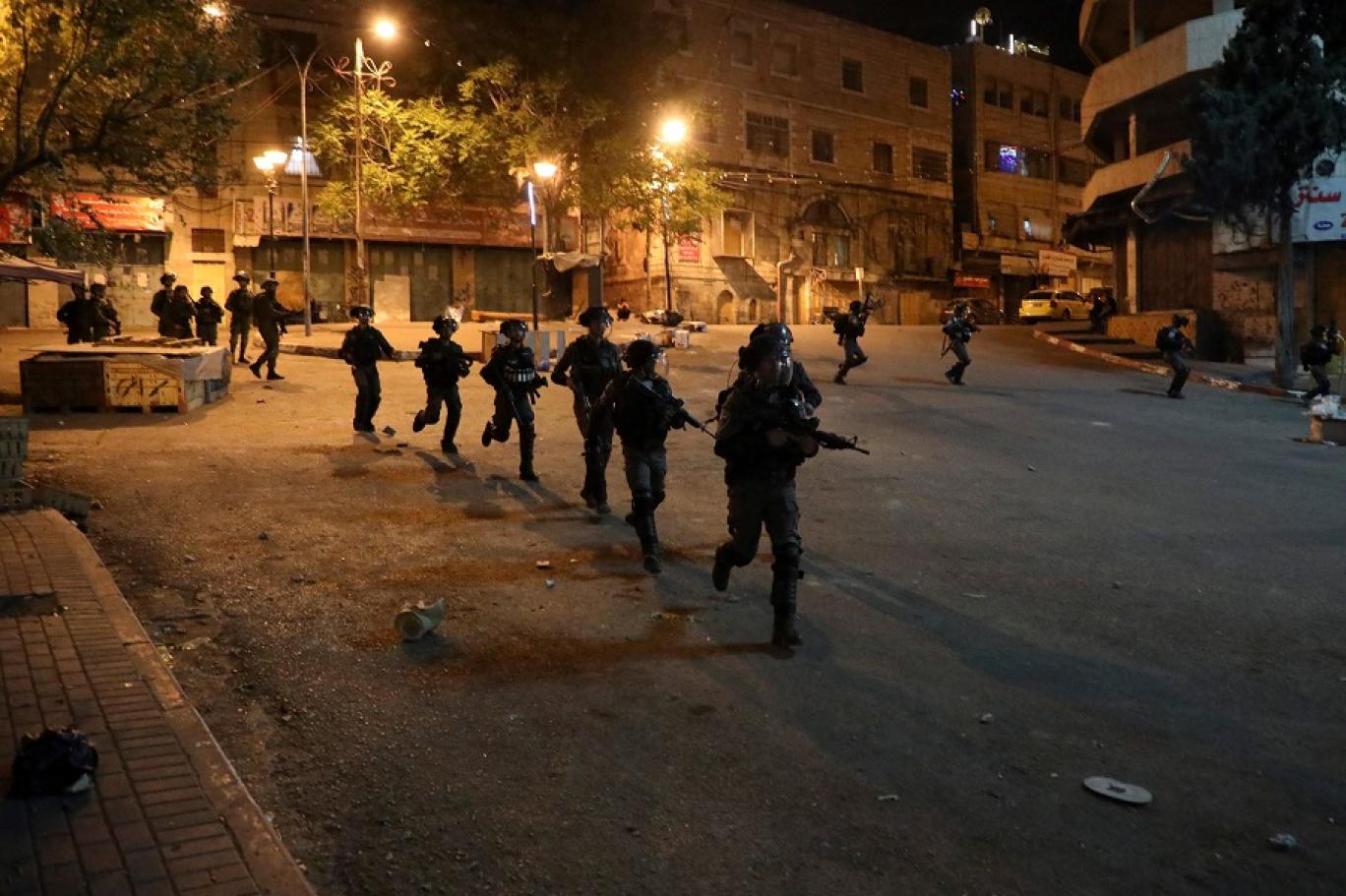
CROSSFIREARABIA – The Israeli occupation forces continue to break the ceasefire for the 307th day since it was signed in 10 October, 2025. Today, its genocide campaign continues while it refuses to move to stage II of the ceasefire and maintains its siege on the Gaza Strip and refuses to allow aid into the enclave and refuses the construction process. In the early hours of Wednesday morning, it broke the ceasefire 12 times through military strikes and tank fire on the different parts of the Gaza Strip despite its devastation. The attacks were focused on different parts of Khani Younis and Gaza City according to the Sanad News Agency.
‘They Can’t Take The Sea From US’
Heba
- August 12, 2026
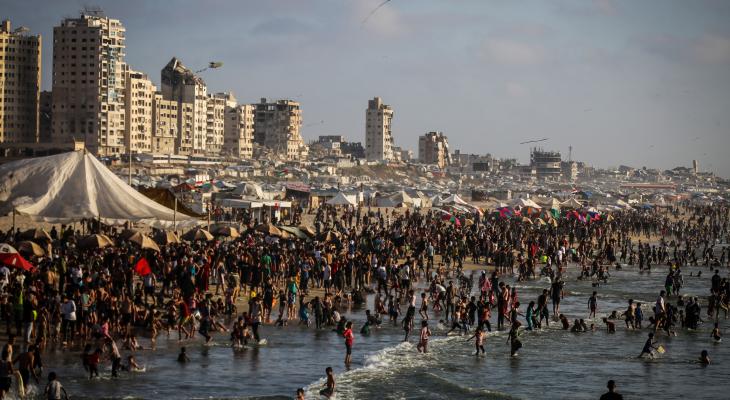
A Vast Sea, and a Narrow Water
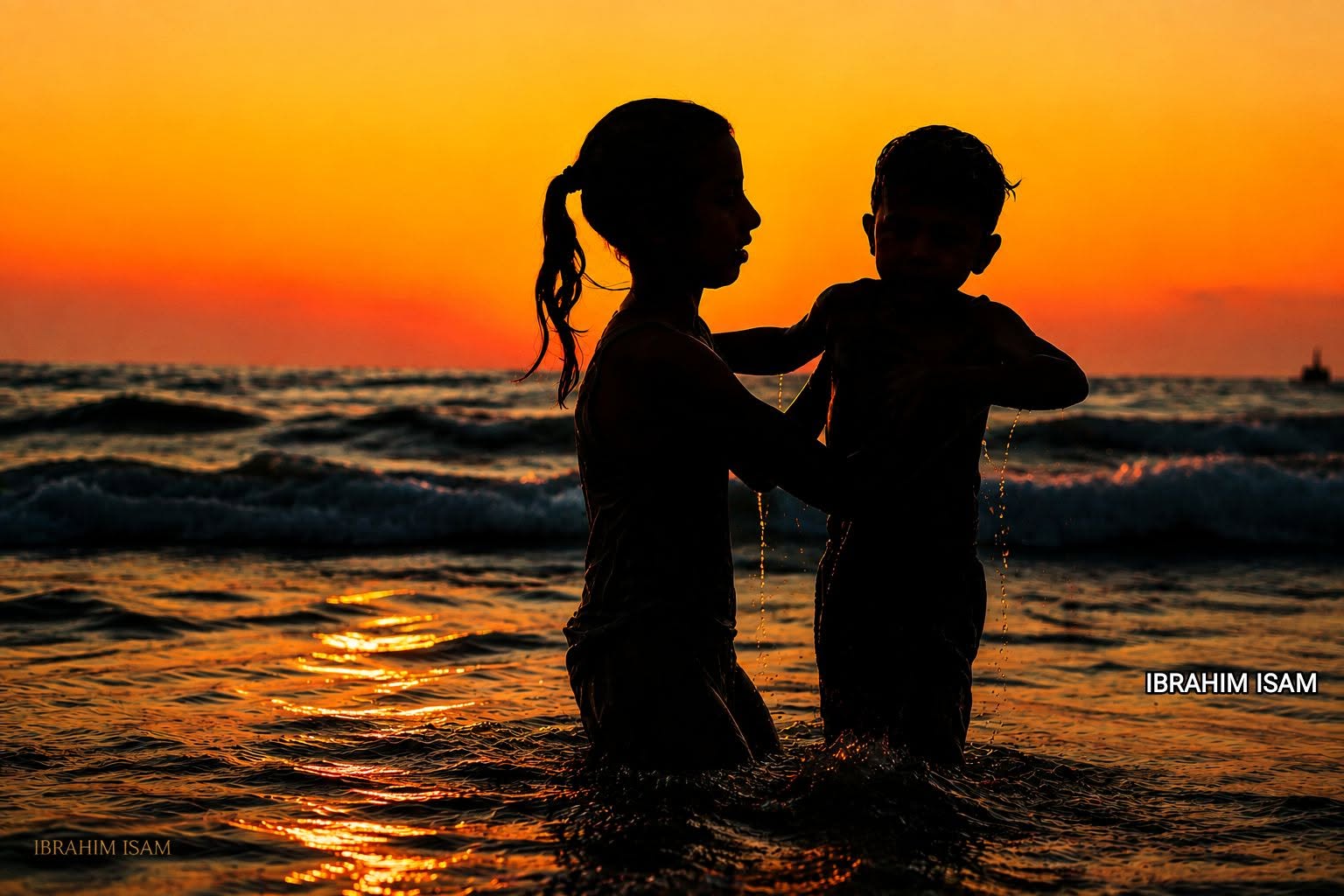
The sea was wide enough to carry the dreams of an entire city, yet in Gaza, it seemed narrower than a child’s dream.
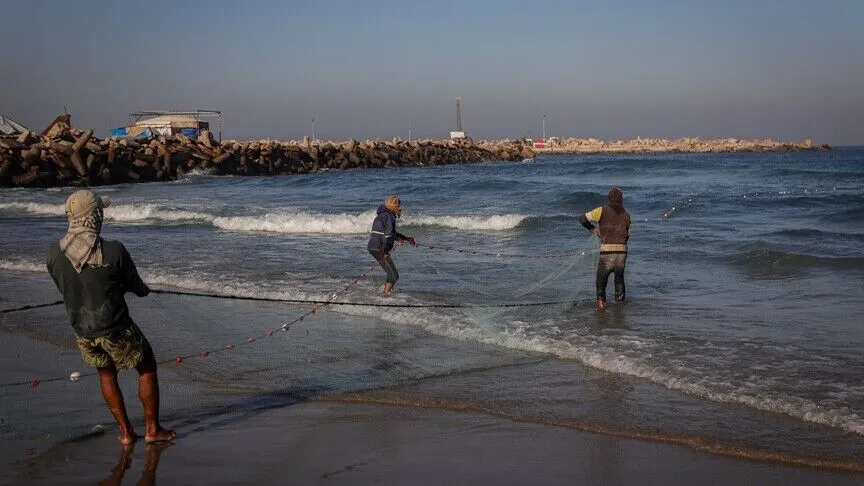
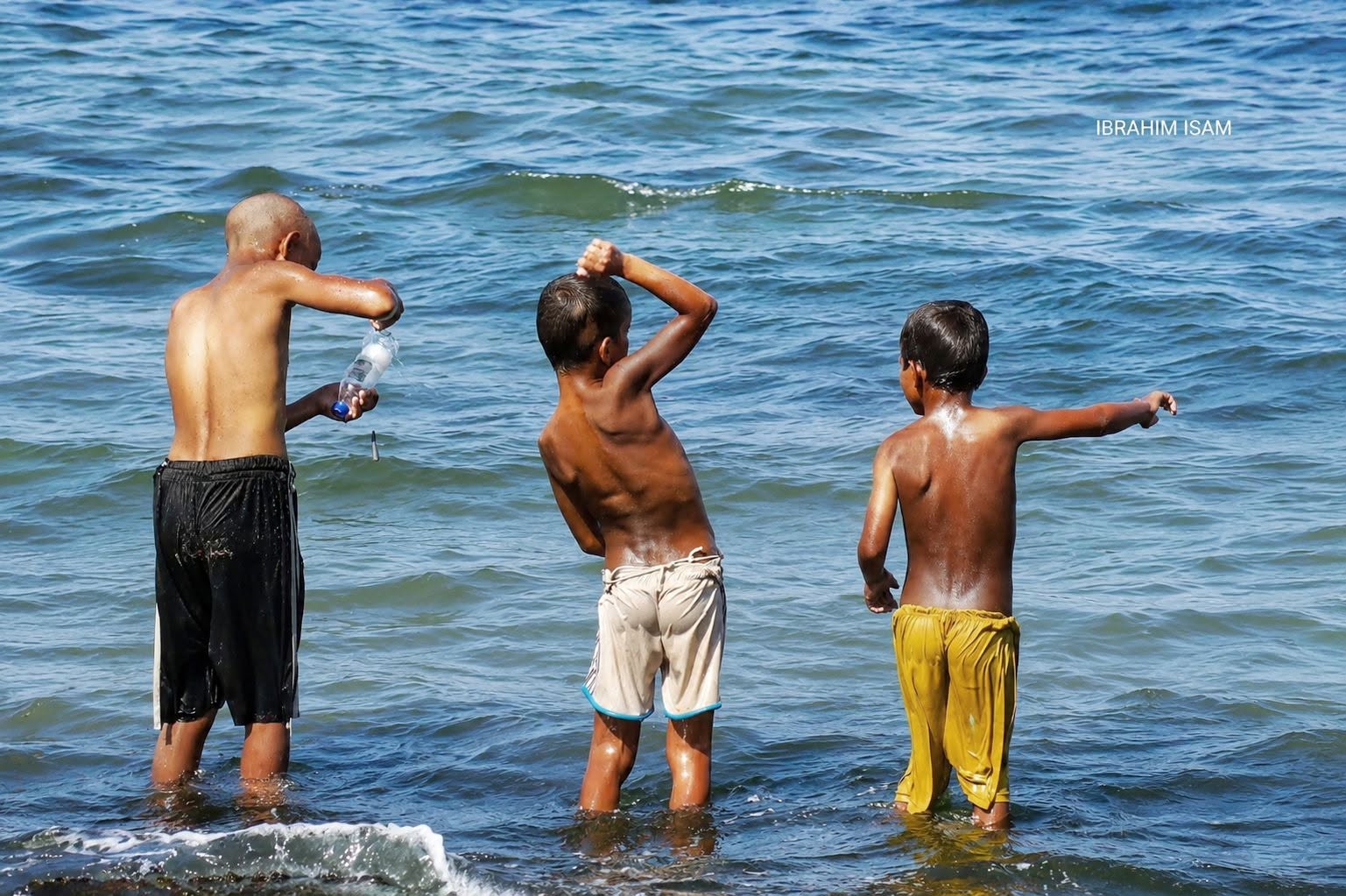
Three children stood in the water, close together, as though sharing a secret they did not want the wind to overhear. No net. No boat. No fishing rod. Only scraps of fishing line they had gathered from abandoned nets along the shore, trying to turn what was left behind into a path toward a fish.
Perhaps they were fishing for fish.
Or perhaps they were fishing for something else.
Something that looked like tomorrow.
The sea stretched open to the horizon, yet they could not go far. A cruel contradiction: To see the road before you and still be unable to take it; to stand before endless water while life itself grows narrower for those who belong to it.
In the old stories, the sea was a passage into the unknown. Ships crossed it in search of a homeland, salvation, or a new beginning.
But these children had only a few meters of water, a broken thread, and a very small wish:
to return with something they could eat.
And still, they laughed.
Perhaps because children do not know surrender in the way adults do.
They see the water.
They see the fish.
They see the hand of a friend.
And they see, beyond the horizon, a place they cannot understand why they are forbidden to reach.
Perhaps innocence begins with this simple question:
Why can’t I go farther?
Perhaps peace begins there, too.
Peace is not a word written on walls, nor a promise postponed until tomorrow. Peace is a child being able to enter the sea without fear; carrying a real fishing net instead of a broken thread; returning home with a fish in his hands—not because that fish will change the world, but because it will tell him that life is still possible.
They walk through the water, step by step, as if teaching the sea itself the meaning of patience.
They do not ask for much.
Only a small piece of the sea,
and a larger space in which to live.
For freedom, in its simplest form, may be nothing more than reaching your hand toward the horizon without anyone telling you where you must stop.
And still, the sea remains vast…
So vast that it makes injustice seem narrower, harsher, and more absurd.
And the children remain in the water:
three small bodies,
three soaked dreams,
three little hands searching for a fish…
or for a tomorrow in which they can finally say:
The sea belonged to all of us.
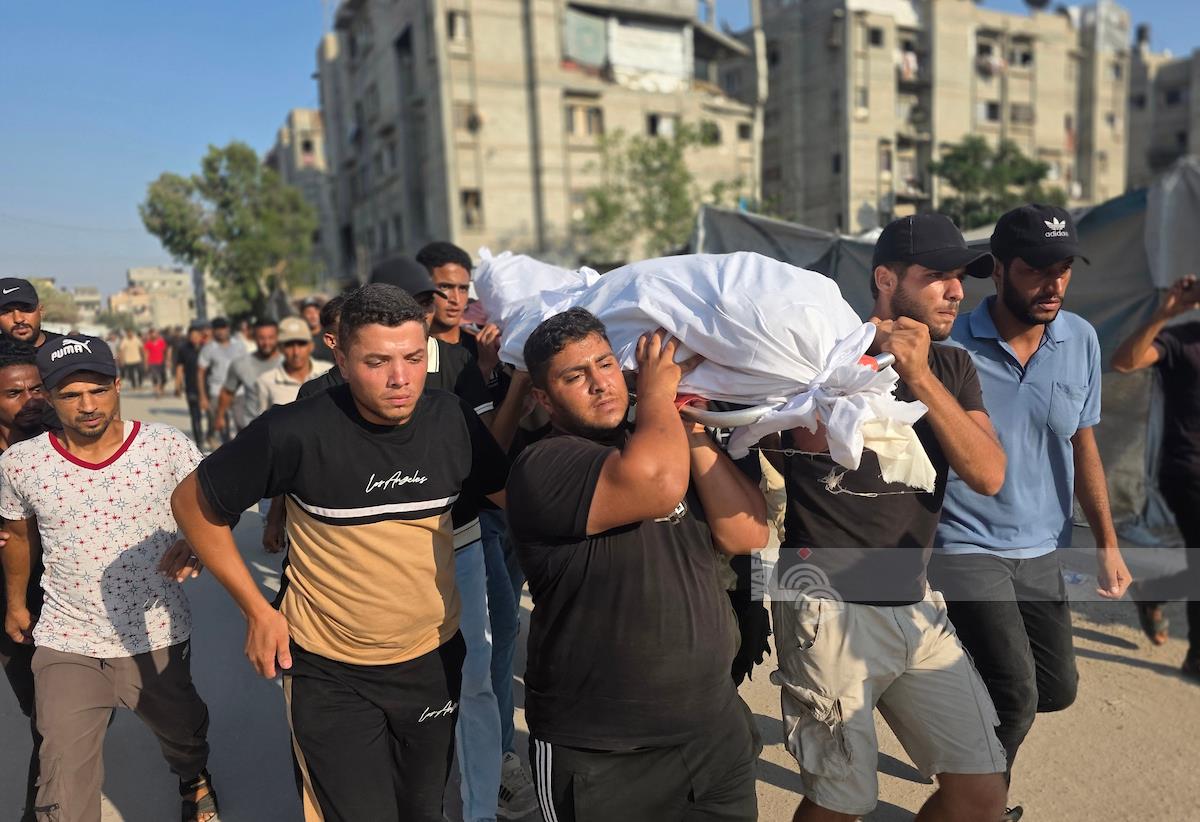
Gaza: 13 Bodies Recovered From The Rubble
- CrossFireArabia
- August 12, 2026
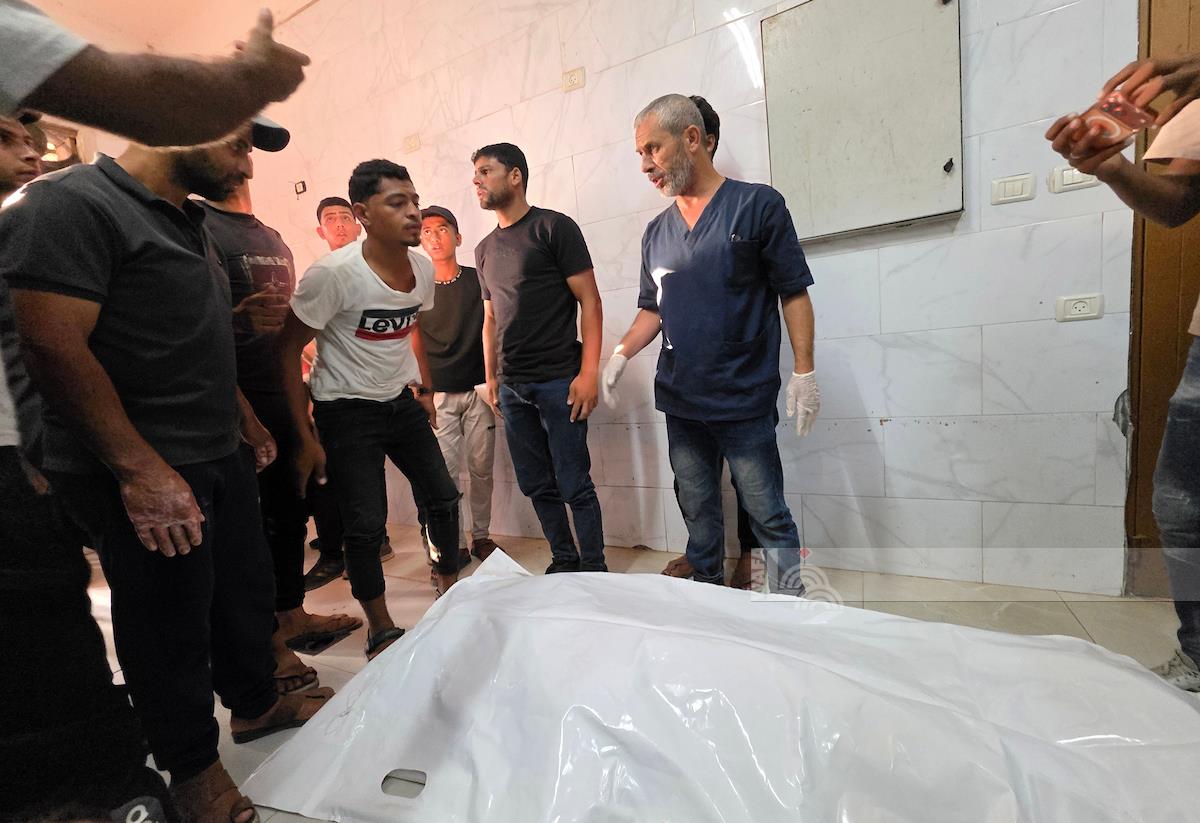
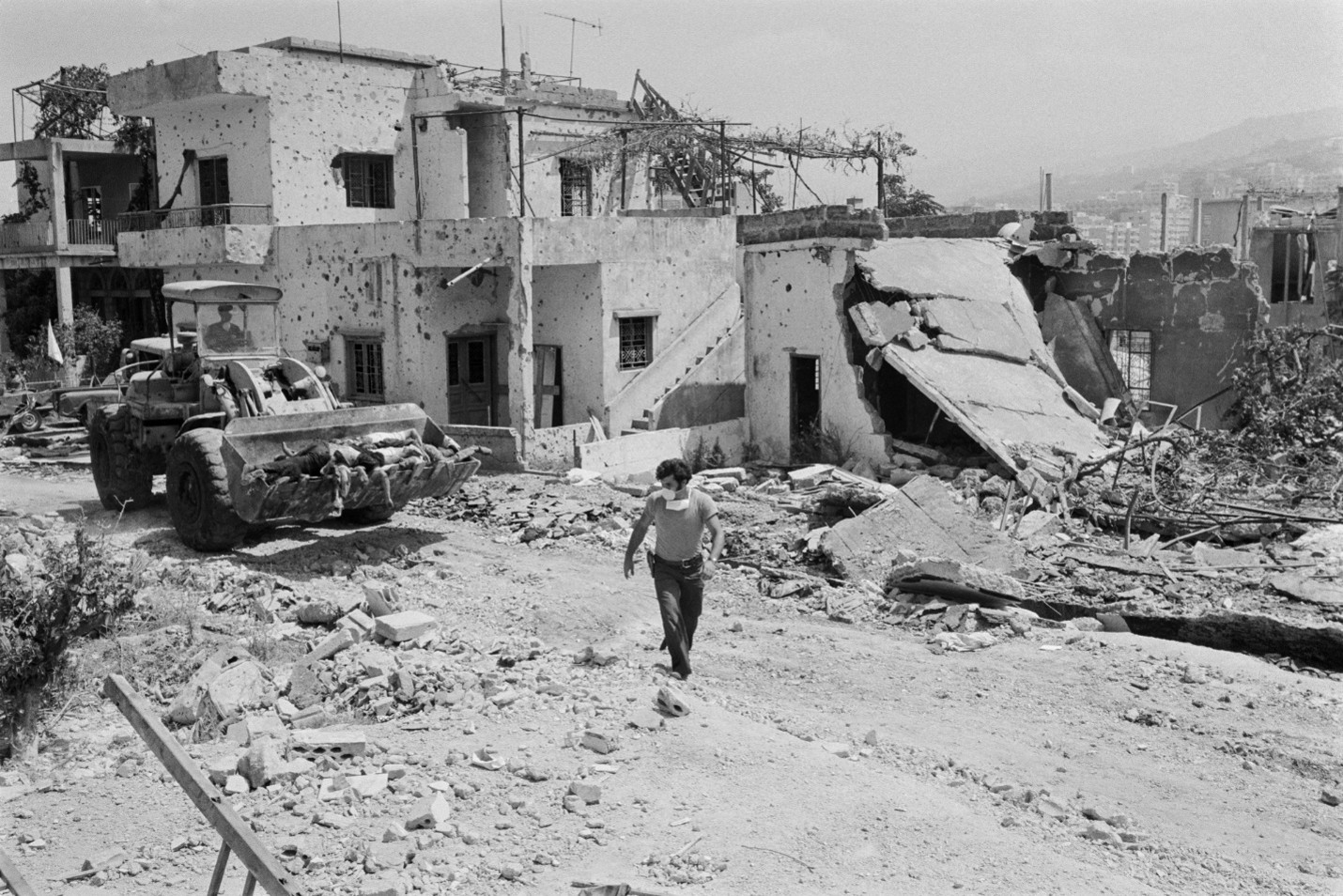
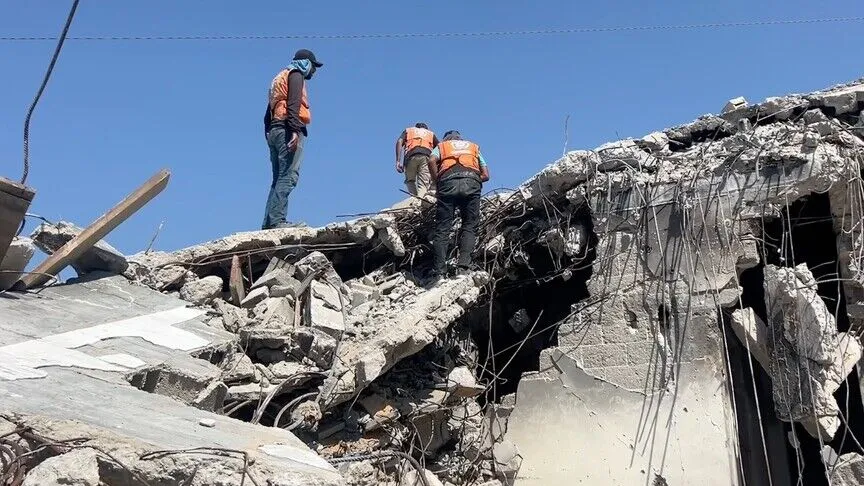
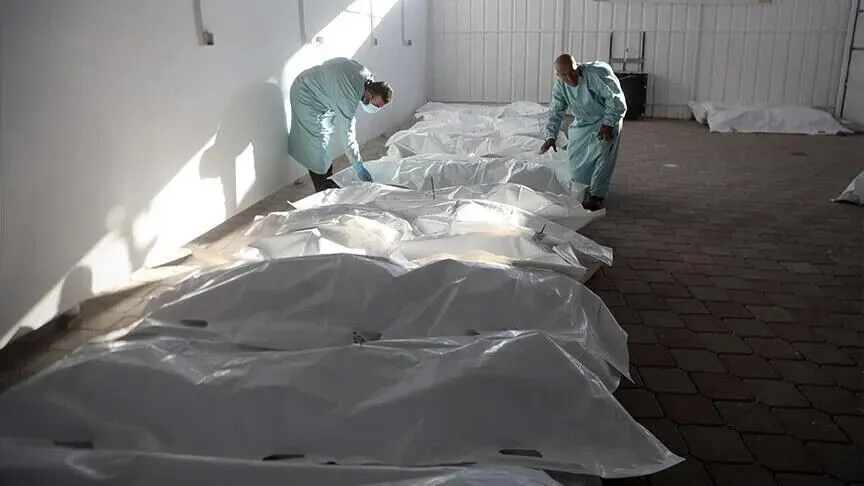
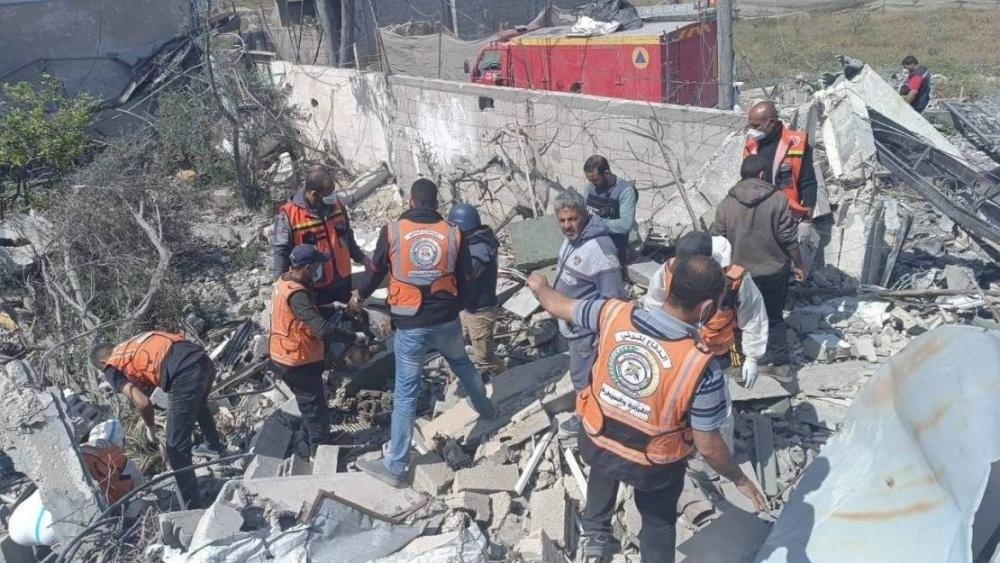
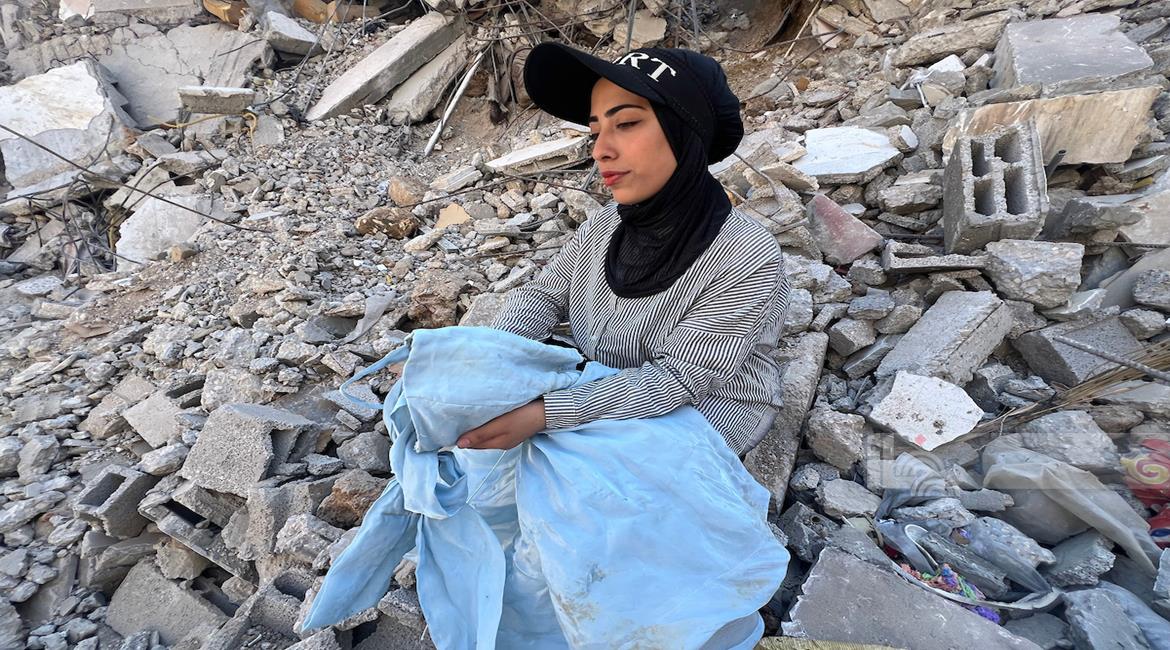
Civil Defense crews in the Gaza Strip began recovering the bodies of 13 Palestinians on Tuesday from beneath the rubble of a multi-story home destroyed by an Israeli strike during the early days of the war.
The operation is being carried out in coordination with the International Committee of the Red Cross (ICRC) at the home of the Gharbiya family in the Al-Katiba area west of Gaza City.
Civil Defense spokesman Mahmoud Basal told Anadolu that a large number of Palestinians were killed in the strike. Some bodies were recovered at the time, while 13 remain beneath the rubble.
The victims include women, children and the elderly, he said.
Basal warned that severe shortages of heavy machinery, equipment, fuel and protective gear continue to hamper efforts to recover thousands of Palestinians believed to remain beneath destroyed buildings across Gaza.
“If we remain in this situation, we are talking about many years” to complete the recovery operations, he said, adding that adequate equipment and resources could reduce the process to a matter of months.
Basal said Civil Defense crews are working with extremely limited resources and at times “with their bare hands,” without adequate protective equipment while handling bodies, human remains and debris.
He said crews continue their work without salaries, bonuses or compensation and called on the international community, international organizations and human rights groups to provide the heavy machinery and logistical support needed to continue recovery operations.
Tuesday’s operation is part of the second phase of a Civil Defense project launched on July 19 to recover Palestinians buried beneath buildings destroyed during the Israeli war.
The 800-hour phase covers 147 destroyed homes across Gaza City and the northern and central Gaza Strip, where 1,072 bodies are believed to remain beneath the rubble, according to Basal.
During the first phase, launched in November 2025, crews recovered 333 bodies and human remains from 54 destroyed homes and buildings. Limited resources prevented them from reaching around 226 others.
Gaza’s Government Media Office said in October 2025 that around 9,500 Palestinians had been reported missing since the start of the Israeli war, including those believed to remain beneath the rubble and others whose fate remains unknown.
The Israeli army continues to target Palestinians in several areas of the Gaza Strip despite an Israel-Hamas ceasefire that went into effect on Oct. 10, 2025, killing at least 1,258 Palestinians and injuring 4,139 others, according to Gaza’s Health Ministry.
Israel has killed more than 73,000 Palestinians and injured over 174,000 in a genocidal war since October 2023. The war has also caused widespread destruction, affecting 90% of the enclave’s infrastructure.