Amnesty: Israel is Starving Gaza Deliberately

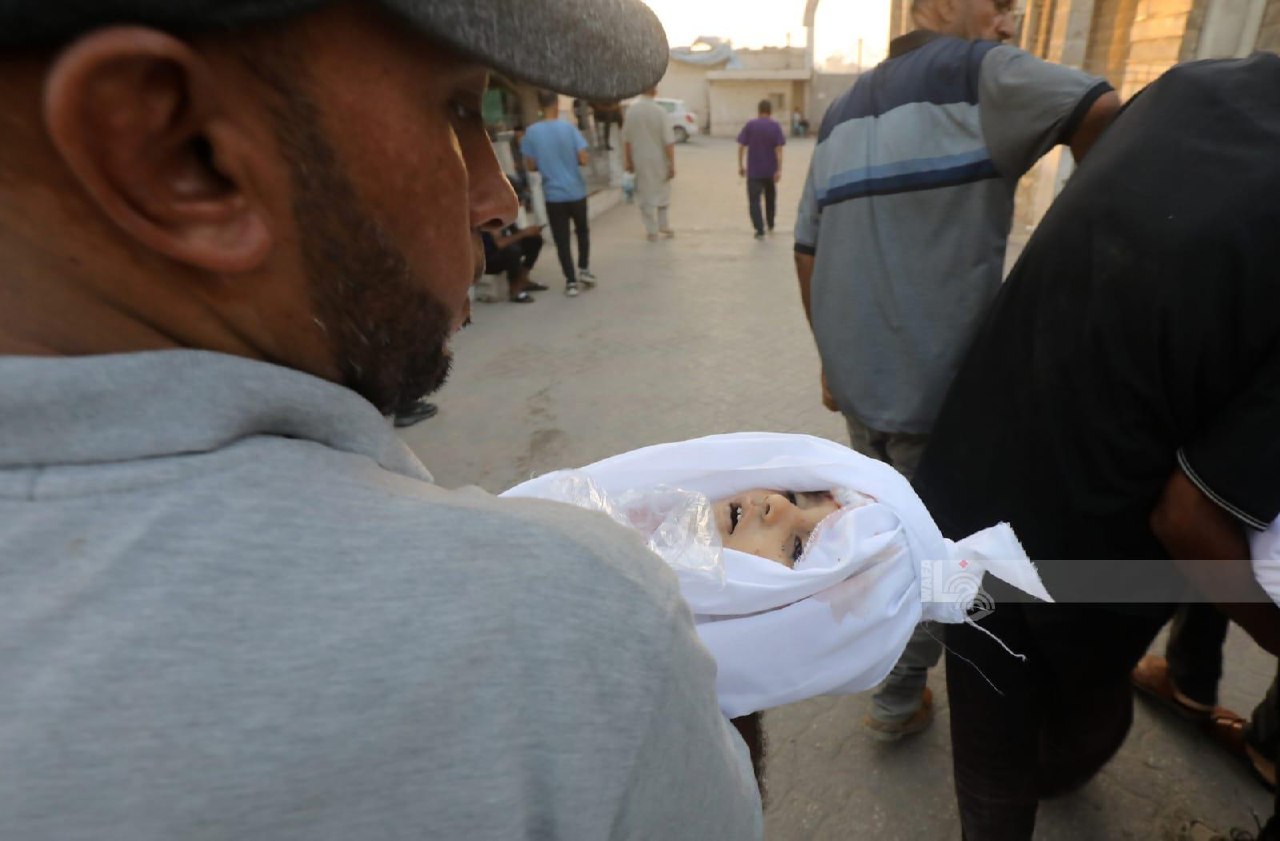
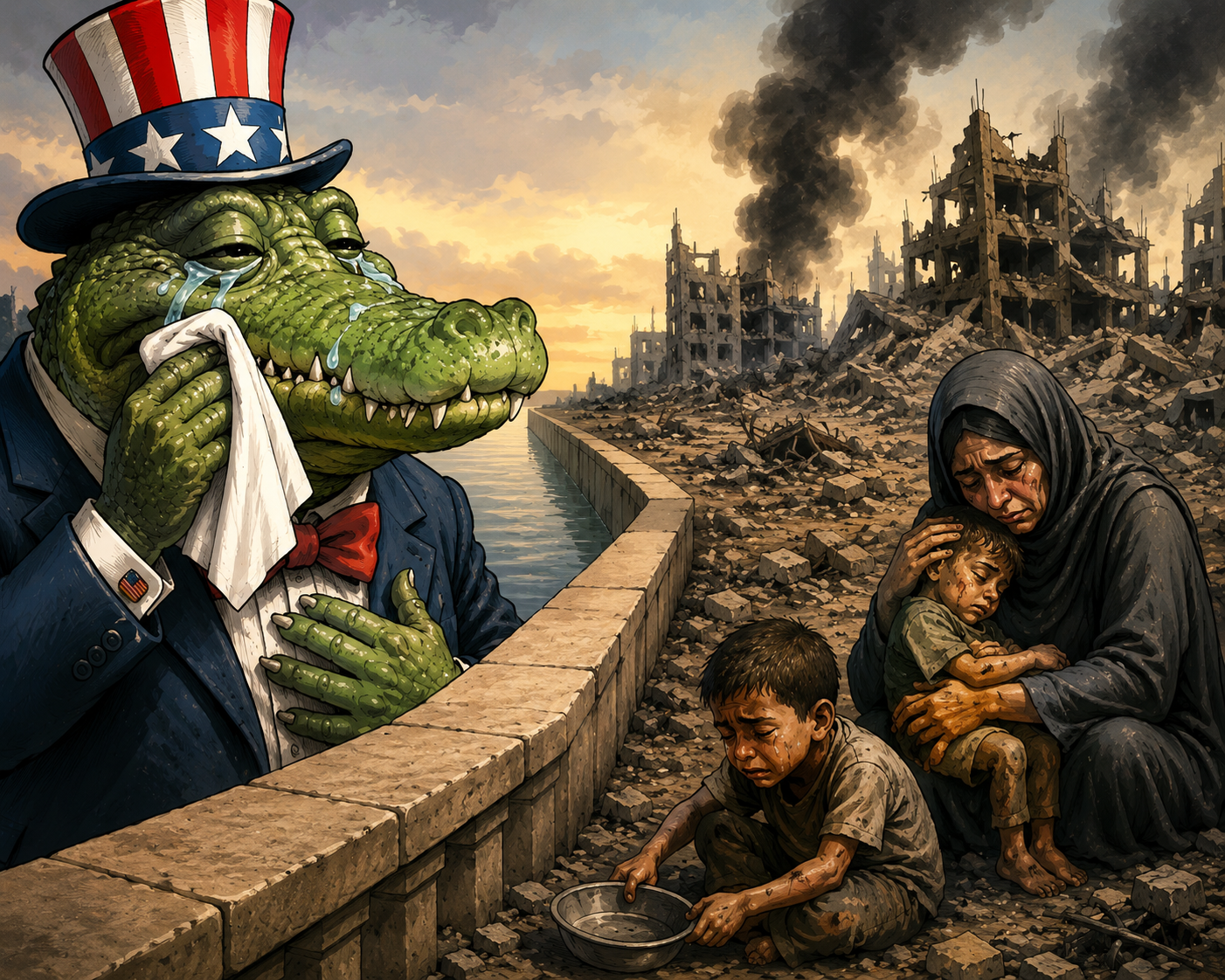
Amnesty International on Monday said that Israel is carrying out a “deliberate campaign of starvation” in Gaza after it published new testimonies of starved civilians.

“Israel is carrying out a deliberate campaign of starvation in the occupied Gaza Strip, systematically destroying the health, well-being and social fabric of Palestinian life,” Amnesty International said in a statement as it published chilling new testimonies of starved displaced civilians.

It noted that the ongoing hunger and disease in Gaza is not an “unfortunate byproduct” of Israel’s military operations but rather an “intended outcome of plans and policies” that Israel has designed and implemented according to Anadolu.

“As Israeli authorities threaten to launch a full-scale ground invasion of Gaza City, the testimonies we have collected are far more than accounts of suffering, they are a searing indictment of an international system that has granted Israel a license to torment Palestinians with near-total impunity for decades,” said Erika Guevara-Rosas, senior director for Research, Advocacy, Policy and Campaigns at Amnesty International.

Pointing to the “catastrophic” consequences of Israel’s blockade and genocide for civilians, she noted that its impacts “cannot be undone” by increasing the number of aid trucks or “restoring performative, ineffective and dangerous airdrops of aid.”

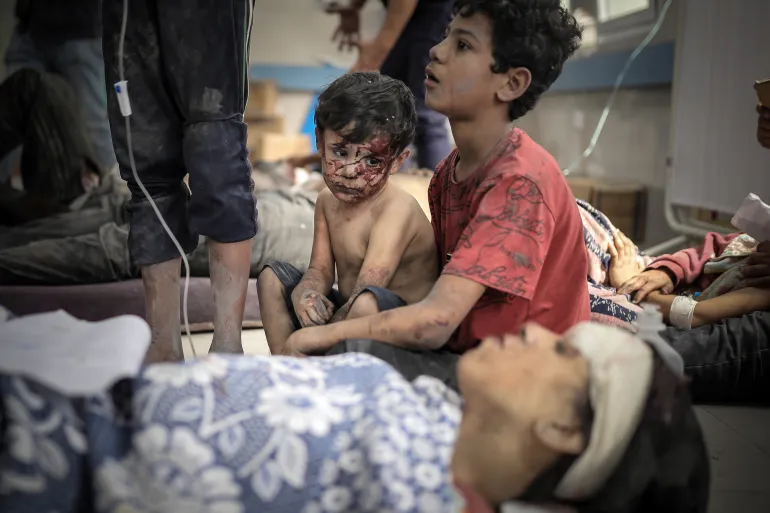
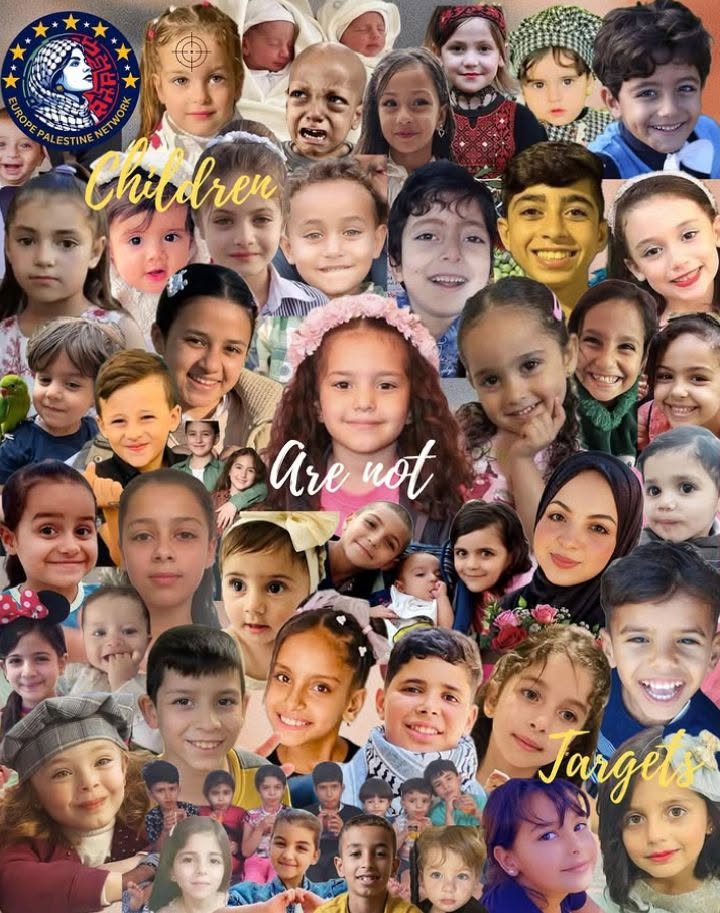
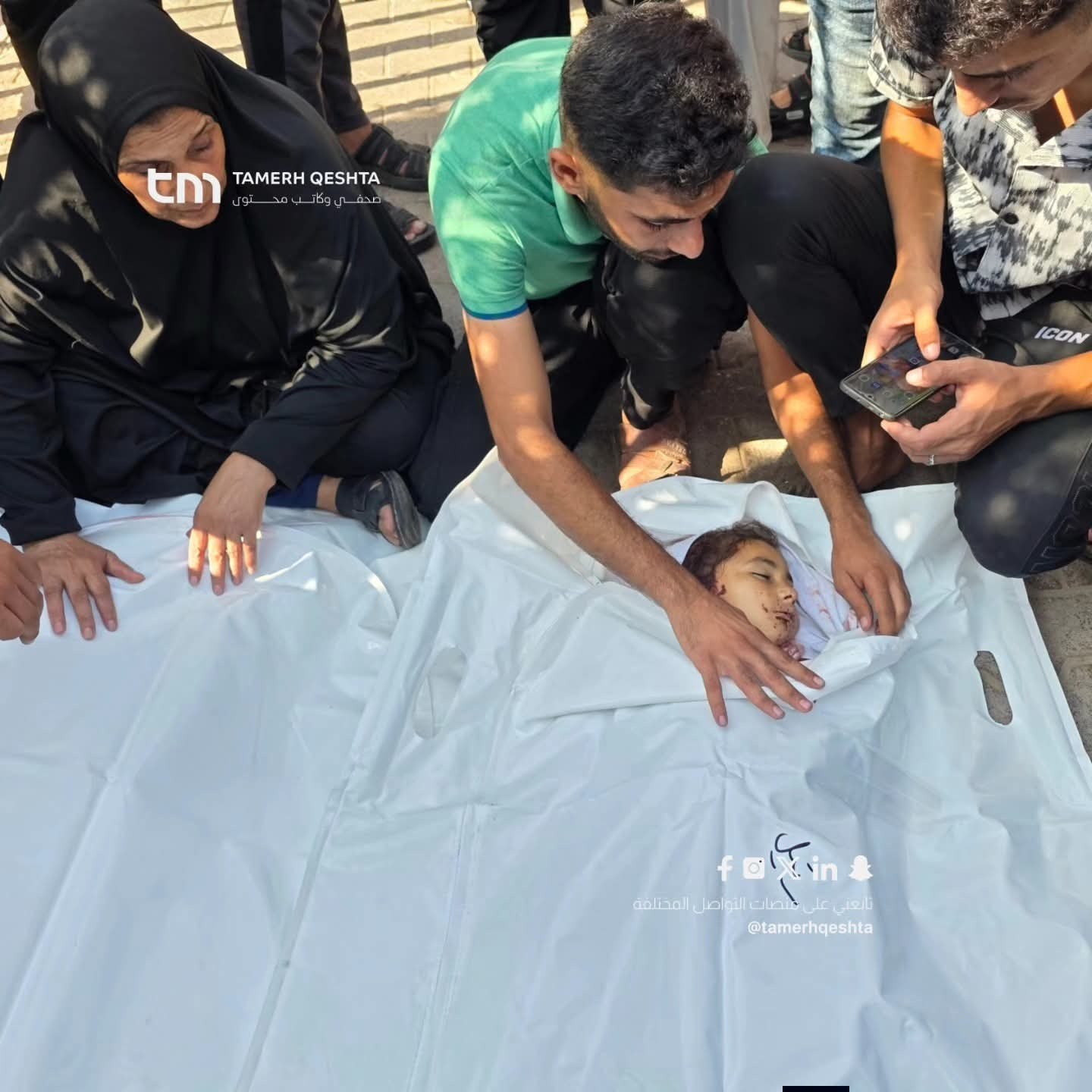
“Palestinian children are being left to waste away, forcing families into an impossible choice: helplessly hearing the cries of their emaciated children pleading for food, or risking death or injury in a desperate search for aid,” Guevara-Rosas added, underlining that Israel’s deliberate and systematic campaign of starvation continues to inflict “unbearable suffering” on an entire population.

She stressed that most families in Gaza are “beyond breaking point,” warning that an “already catastrophic situation” could descend into even “deeper horror” if Israel proceeds with its plan of a full-scale ground invasion of Gaza City.

“The world cannot continue to pat Israel on the shoulder for trickling in aid and viewing these cosmetic measures as a sufficient response to its calculated destruction of the life of Palestinians in Gaza,” Guevara-Rosas further said.

She also urged the international community to uphold their moral and legal obligations to bring an end to Israel’s ongoing genocide.

“States must urgently suspend all arms transfers, adopt targeted sanctions and terminate any engagement with Israeli entities when this contributes to Israel’s genocide against Palestinians in Gaza,” Guevara-Rosas added.

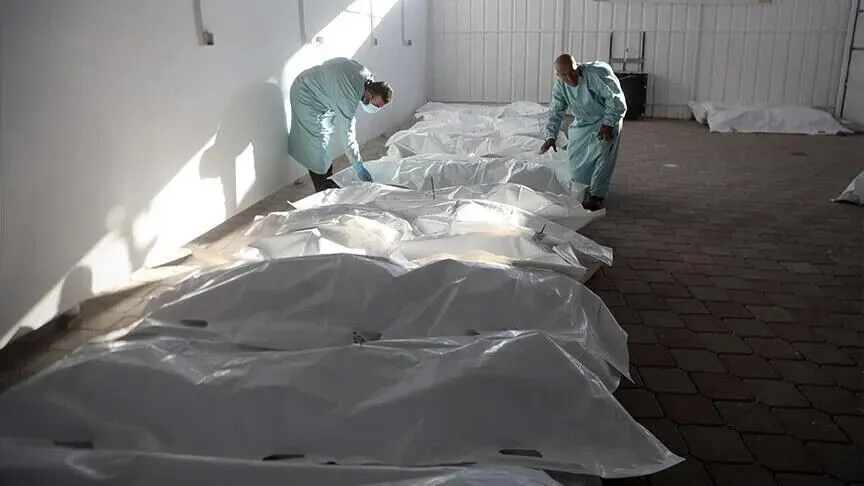
Israel has killed more than 61,900 Palestinians in Gaza since October 2023. The military campaign has devastated the enclave, which is facing famine.

Last November, the International Criminal Court issued arrest warrants for Israeli Prime Minister Benjamin Netanyahu and his former Defense Minister Yoav Gallant for war crimes and crimes against humanity in Gaza.

Israel also faces a genocide case at the International Court of Justice for its war on the enclave.

Continue reading
Israel Cannot Silence Palestinian Words

By Benay Blend

Palestinian journalists seek to document the truth about the Zionists’ brutal siege, while their detractors are working to erase all evidence of the crime scene.

Shortly after the news broke about the Israeli assassination of Palestinian journalist Anas al-Sharif and his five colleagues in Gaza City, a video appeared on my Facebook feed of chef Yotam Ottolenghi making baked haloumi cheese with fennel syrup.

In real time, the two events have nothing to do with each other. However, delving deeper into the realm of the imagination, both represent long-held Israeli efforts to erase the Palestinian presence on the land.

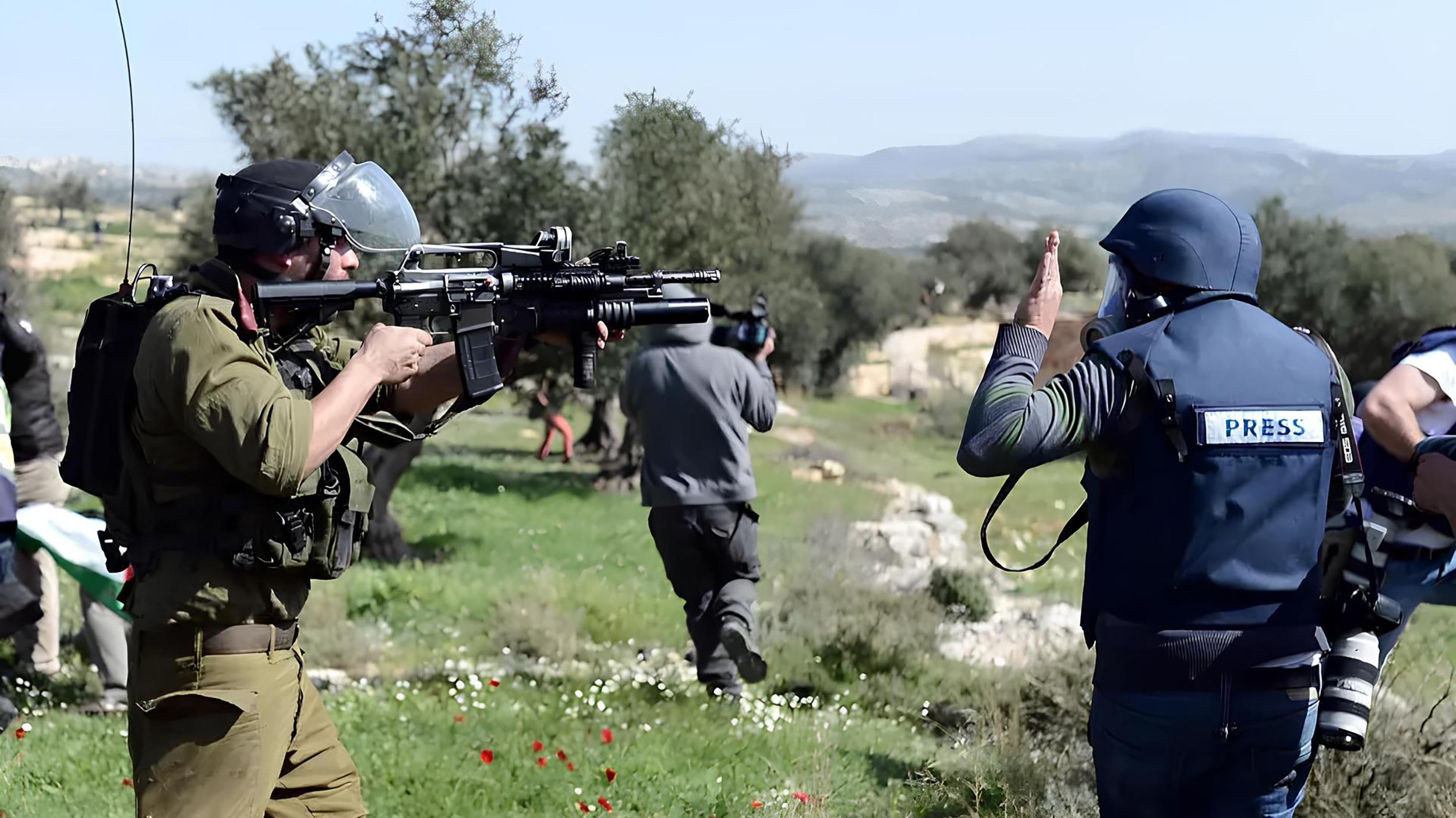
In a statement on the social media platform X, journalist Ramzy Baroud explained Israel’s motives for the murder of  at least 200 journalists in Gaza since October 7, 2023: “silence the truth by murdering those who report it.”

Afterward, they justify these deaths by claiming that the journalists were members of the resistance movement, a claim that is problematic for several reasons.
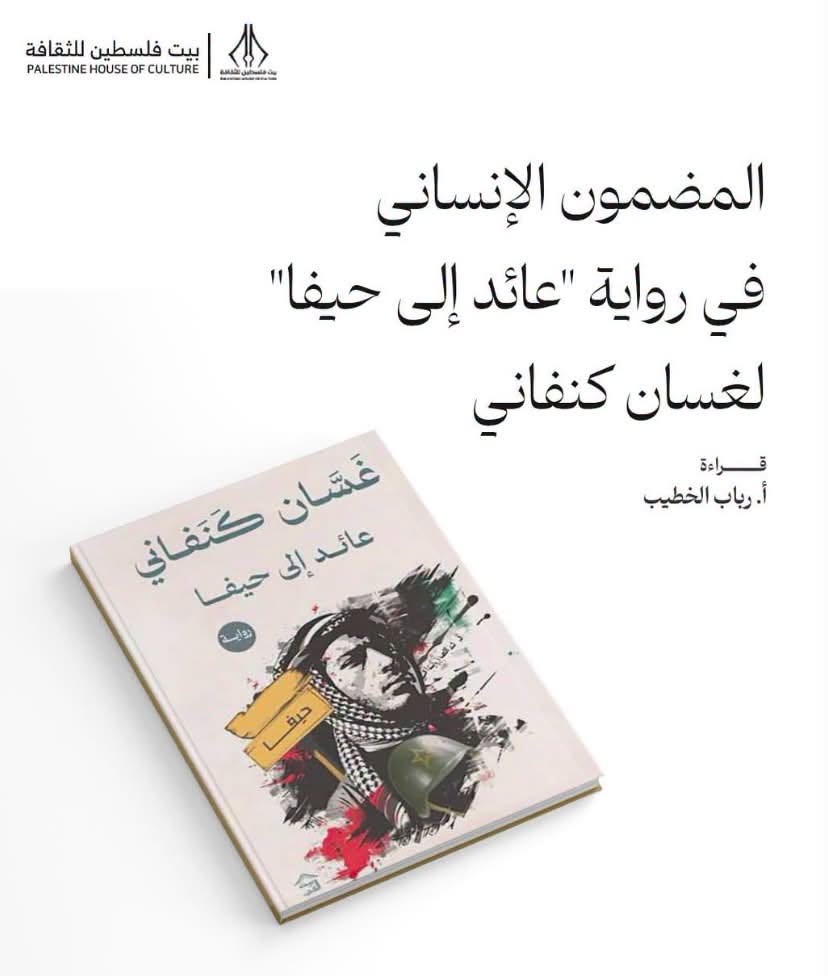
In a timely excerpt from Perfect Victims: And the Politics of Appeal (2025), Mohammed El-Kurd contends that allies often unwittingly refute the claim that victims, such as these journalists, were affiliated with Hamas. In this way, the characterization of the civilian as a “neutral figure” has depoliticized the Palestinian cause, rendering it a “humanitarian crisis” where “revolutionaries are not part and parcel of your nation.”

In the U.S., too, police shootings of Black, Brown and poor people are often justified by slandering the victim’s reputation post-mortem. This should come as no surprise, since the institution of policing harks back to its origin as slave catchers, along with its more present-day exchange of training with the Zionist state.
“It is not enough for a Palestinian to be a journalist to be deemed human,” concludes El-Kurd,  “they must be ‘unaffiliated.’”

For “Israelis,” this effort must prove difficult as they are taught to see Hamas everywhere, much like Americans were told to look for communists during the Second Red Scare in the 1950s. The latter were in our bathrooms, under our beds, and if we were not watchful, we might mistakenly marry one.

In “The Hamas are Coming: A View of the Violence from Inside Israel” (2021), Miko Peled writes of this phenomenon that has informed Israeli hasbara (propaganda) for years.
“There are never Palestinians, never people, only ‘The Hamas’ — and ‘The Hamas’ is, by the way, male and singular (in Hebrew),” Peled writes.  “’The Hamas thinks;’ ‘The Hamas believes;’ ‘The Hamas should know;’ ‘When the Hamas understands, he will stop;’ and finally, ‘When The Hamas is hit hard he will never dare to attack Israel again.’”

Not much has changed in Israeli hasbara since Peled wrote that piece nearly four years ago. Indeed, the New York Times, taking its cue, as usual, from Israeli sources, repeated that “Mr. al-Sharif,” whom the Israeli military accused of being a Hamas fighter posing as a reporter, but was really “the head of a terrorist cell,” thus the IDF “had taken steps to mitigate civilian harm,” though which civilians, Palestinians or “Israelis,” it does not say.

Barbs were then thrown back and forth. Al-Jazeera called the killing  “a desperate attempt to silence the voices exposing the impending seizure and occupation of Gaza” while the “Israeli Government” accused “Al Jazeera reporters of serving the interests of Hamas by presenting an exaggerated and distorted picture of conditions in Gaza.”

“The instinct of many defenders of Palestinians is to dispel the connection between the slain Palestinian media workers and their supposed political leanings, as if anywhere in the world these exist in isolation,” El-Kurd explains.

Just as El-Kurd implicates himself in this process, so do I. There have been times when I’ve distanced martyrs from supporting the armed resistance as if this gives us a more legitimate cause to mourn.
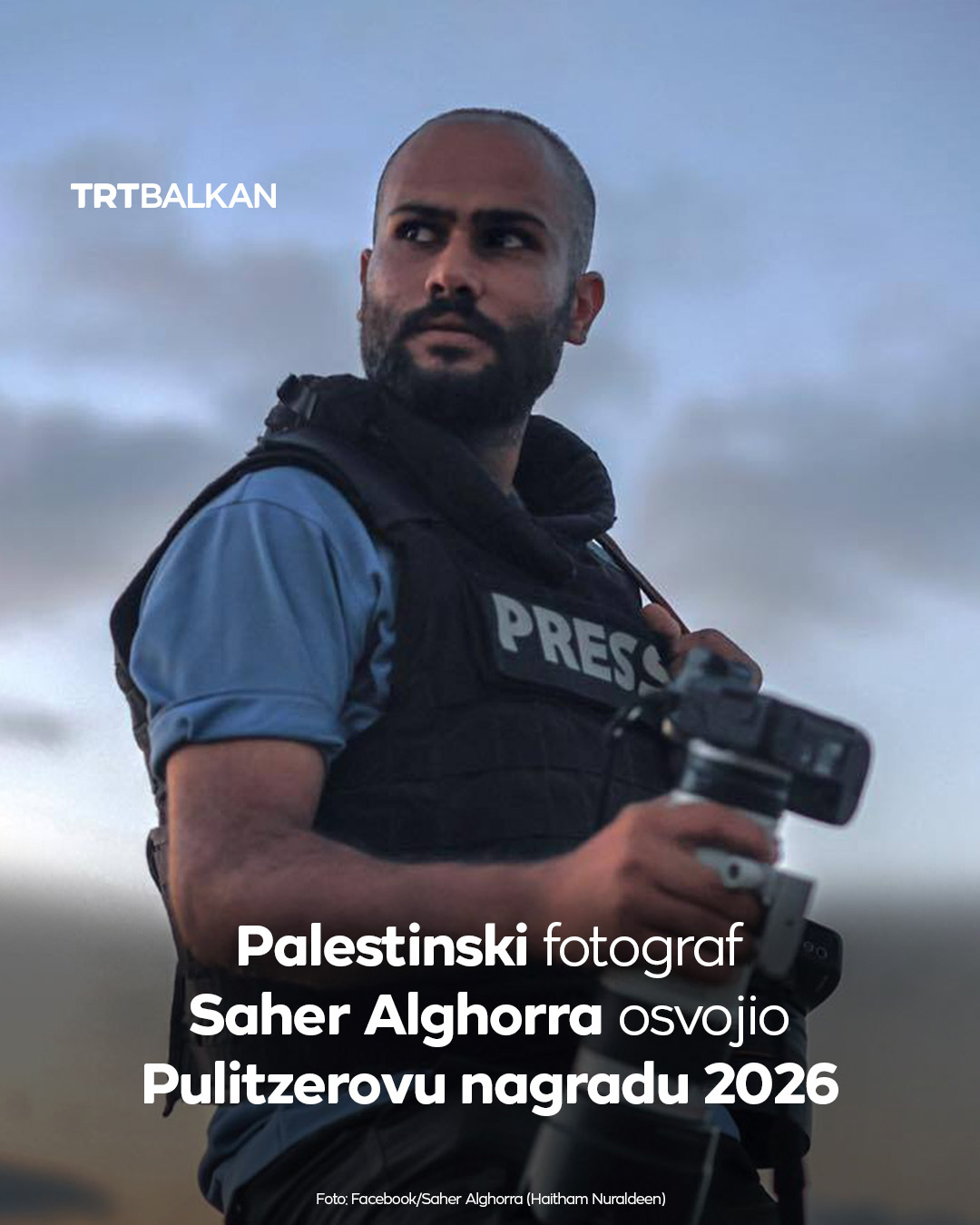
When we sanitize the dead in this way, however, “we are inadvertently reifying the colonial rationale that killed them and rendered them killable in the first place,” El-Kurd concludes, so perhaps it is better to just reply “So what?” Indeed, if Zionist soldiers and PR workers can find a place for themselves in global media, why do supporters of Palestine find the need to detach their heroes from armed resistance that occupies a legitimate role in the struggle?
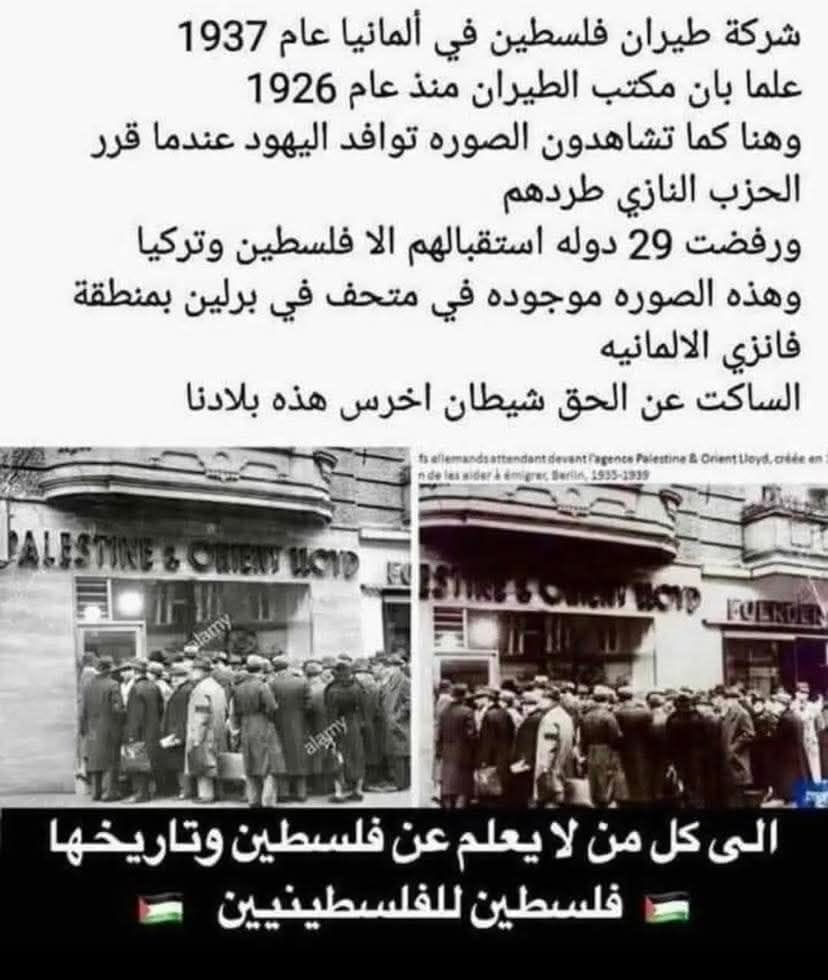
There are many documented reasons as to why Israel targets journalists in the Gaza Strip. Significantly, Palestinian journalists seek to document the truth about the Zionists’ brutal siege, while their detractors are working to erase all evidence of the crime scene.
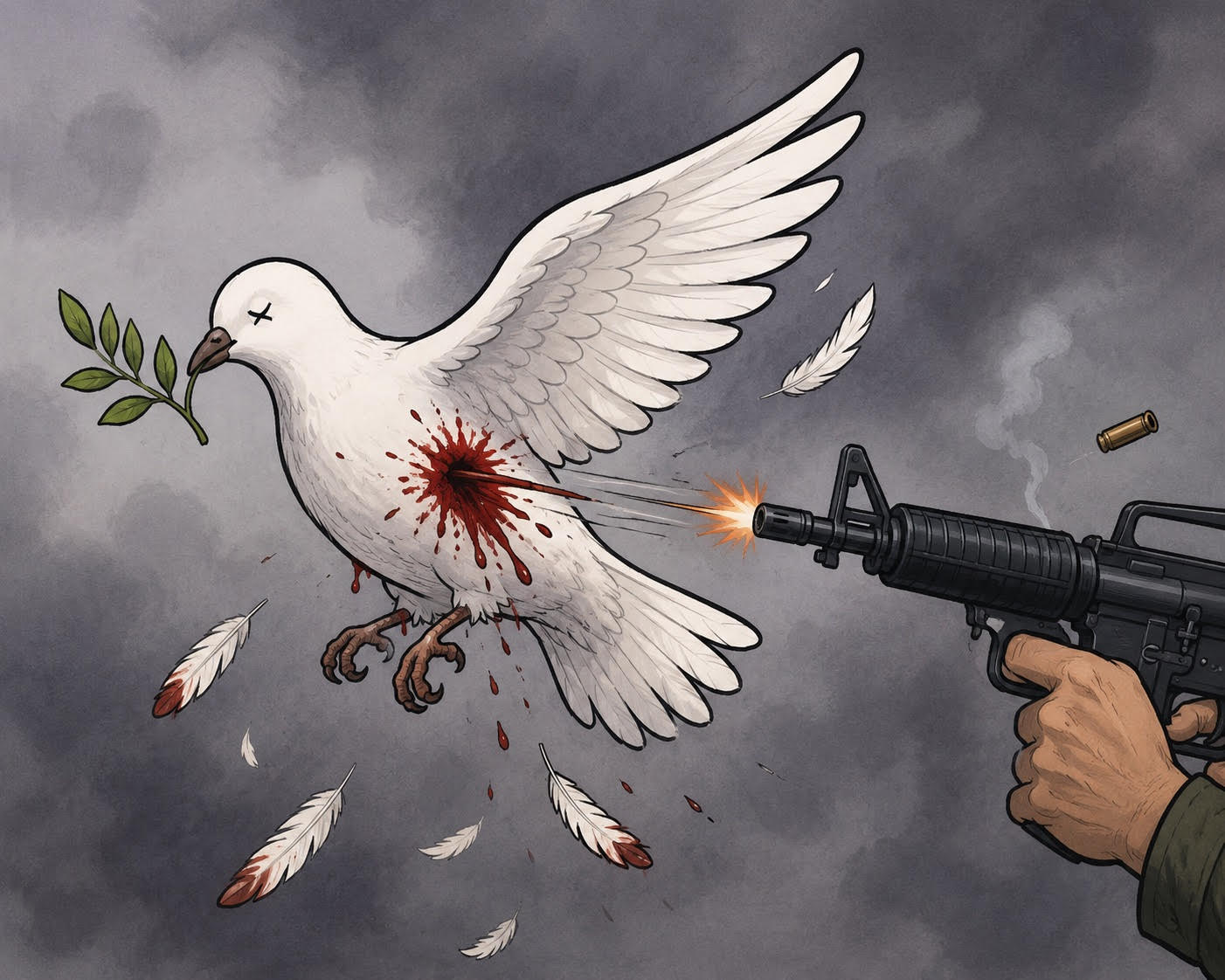
Moreover, for Western journalists, even those sympathetic to the cause, the only picture they can paint is that of victims who are barely surviving in the rubble.

In an interview with Beacon Press, historian Roxanne Dunbar-Ortiz describes a similar settler colonial narrative that pertains to Indigenous people in the Americas. Asked to explain the most enduring myth pertaining to Native Americans, Dunbar-Ortiz mentions the idea of “eliminationism,” a notion that does away with Native people.

Indeed, at the turn of the 20th century, the myth of the Vanishing Indian was at its zenith, thus allowing the mainstream population to view Native people as noble relics who exist only in the glory days of their past. These same people who at one time they had license to kill Native people are seen now as no longer a threat, subdued as they were in the last Indian massacre at Wounded Knee.

In reality, Native people have survived over 500 years of continual genocide, survival being an “active word,” Dunbar-Ortiz makes clear, involving  “an enormous amount of resistance and cultural continuity.”

On the other hand, “victimry” is a more common version, she concludes, because people can feel sorry about the state of Indian Country but without the requirement that they must do anything about it. “So they’re not really then dealing with the reality that Native people are here,” and like the Palestinians, “they’ve resisted, they’ve survived, they haven’t changed their mind about who they want to be and how they want the future to be.”

In “Sumoud: The Unyielding Heart of the Palestinian Cause in Palestine,” Ramzy Baroud describes a similar trajectory for Palestinians. “The profound and unrelenting struggles endured by Palestinians should, by any rational expectation, have irrevocably concluded the Palestinian cause. Yet, the struggle for freedom in Palestine is at its zenith.”

Like the experience of Native Americans, Zionist attempts to erase the presence of Palestinians goes back many decades. Nevertheless, the Palestinian resistance has endured, Baroud continues, due to the “concept of sumoud,” resilience that is akin to Dunbar-Ortiz’s explanation of “survival,” an active process that involves resistance and cultural endurance.

“Palestinian journalists in Gaza are themselves the story and the storytellers,” writes Ramzy Baroud. “Their success or failure to convey the story with all its factual and emotional details could make the difference between the continuation or the end of the Israeli genocide.”

From Refaat Alareer, the poet/teacher/ journalist who asked before his death that his life become a story to ensure that life goes on, to Anas Al-Sharif’s final testament written shortly before his death, Palestinian journalists have been responsible for conveying the truths of Gaza to the world, but they also leave a legacy that inspires future generations to carry on their work.

“Do not let chains silence you or borders restrain you. Be bridges toward the liberation of the land and its people, until the sun of dignity and freedom rises over our stolen homeland,” Al-Sharif wrote, shortly before his death.

With that last statement, Al-Sharif foretells his own assassination. His message is not one of victimhood, though, but rather a plea that others carry on his work.

On August 11, Dareen Tatour, the Palestinian poet who knew from experience the danger of rebellious words, posted a new poem written to honor the Al-Jazeera team murdered the day before.

Imprisoned for her verse “Resist, My People, Resist Them,” the poet is not so optimistic now that words can stop a bullet. Under the banner Martyrs of the Word and Image—They Left But the Word Remained, Tatour charged that their deaths were the consequence of a world gone silent to their pain.

“They are gone / but the truth remains,” she says, dependent on her to carry it, or “leave it to be bombed again” in the wake of her silence.

Unlike the person that she was ten years ago, Tatour knows now that “the road is longer and harsher,” yet still she is undeterred, for she continues “to write for them [the slain journalists], to be the echo of their voices,” because in this way, the Palestinian narrative will be triumphant.

– Benay Blend earned her doctorate in American Studies from the University of New Mexico. Her scholarly works include Douglas Vakoch and Sam Mickey, Eds. (2017), “’Neither Homeland Nor Exile are Words’: ‘Situated Knowledge’ in the Works of Palestinian and Native American Writers”. She contributed this article to The Palestine Chronicle.

Continue reading
‘When Israel Stole My Eyes…’

By Fatina Abu Mustafa

Blood covered my face. My hair was burning. The fire in my hair was the only light I could see,” Tasneem whispered, recalling the night her world collapsed.

I can’t imagine an end to this war. I can’t even define the peace of imagining what it would look like, because war has stolen everything from Gazans, even the light in their eyes.

Just months earlier, 19-year-old Tasneem was preparing for her tawjihi, Palestine’s crucial high school exams that decide a student’s future. Like thousands of other students in Gaza, she dreamed of scholarships, university, and a life beyond the blockade. Instead, she was fighting to keep her eyesight, grieving her sister and father, and carrying her schoolbooks through displacement camps.

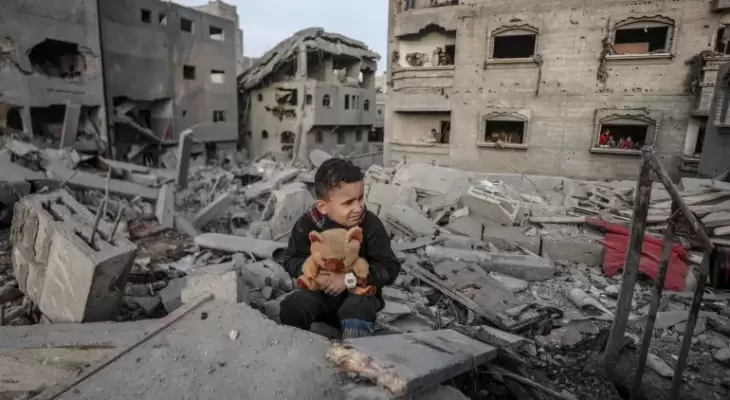
Her story is one among thousands. According to Gaza’s Ministry of Education, 15,553 school students and 1,111 university students have been killed since the genocide began. Another 23,411 schoolchildren and 2,317 university students were injured, many left permanently disabled. For Gaza’s youth, war has not only destroyed classrooms but also their bodies and futures.

The Night That Changed Everything

It was October 10, 2023, at 2:30 a.m. in Bani Suhaila. Tasneem and her sister Hadeel stood at the window when shelling lit up the street near the Asfour station.

“Suddenly, smoke, dust, and fire blinded me,” Tasneem said. “Blood covered my face. My hair caught fire. I couldn’t see. I couldn’t breathe. My hair burning was the only light around me.”

When she looked back, she saw Hadeel lying on the floor in flames. “That moment is the hardest I’ve ever lived through,” she said through tears.

Tasneem stumbled down the stairs as flames consumed the upper floor. Shattered glass cut deep into her feet. Her leg broke when she slipped. Outside, the sky glowed red and the streets burned.

“I sat on the street with my hands on my head,” she recalled. “I just wanted this nightmare to end.”

Tasneem, after her last surgery in Gaza — blind in one eye, barely seeing with the other.

Loss Upon Loss

Tasneem thought her entire family had died. Whispering the shahada, she braced for death. But her parents were alive, and in the chaos her mother tried to comfort her. “Mama, my face is all distorted. I can’t see, only blood,” Tasneem cried. Moments later, they discovered the unbearable truth: Hadeel had been martyred.

Her injuries were severe; a burst eyeball, retinal detachment, and deep cuts that required stitches. Gaza’s hospitals, overwhelmed and starved of resources, made her wait hours before doctors could treat her.

Just three days later, tragedy struck again. Her father, Adli Baraka, was killed in another Israeli strike. “I felt like I lost all my vision and hope,” she said.

The Fight for Sight

On October 11, a private doctor warned her family that her condition was critical. Without immediate surgery, she would go blind. With Gaza’s health system collapsing, the operation was performed without anaesthesia, crude stitches to hold her eye together.

The Ministry of Health in Gaza reports that around 1,500 people have already lost their eyesight during this genocide, while another 4,000 are at risk due to shortages of medicine and equipment. UNRWA has warned of catastrophic consequences as Israel continues to block vital aid, including supplies for eye surgeries.

For Tasneem, the pain was relentless. Doctors warned her not to cry, not to stress, not to strain her eye. But how could she obey, when she had just buried her sister and father, and was living under bombardment?

Dreams Against the Rubble

On November 3, 2023, after weeks of delays, Tasneem was finally evacuated to Egypt for emergency surgery. By the time she arrived, her right eye was blind. Surgeons injected silicone oil in hopes of saving her remaining sight.

Despite advice to stay in Egypt and continue treatment, Tasneem returned to Gaza. Her younger siblings were still there, and after her father’s death, she couldn’t abandon her mother. She gave up comfort and medical care to be with her family.

Tasnim Baraka after undergoing surgery on her eye in Egypt, November 2023. Her mother took this photo as they hoped for a chance at healing after weeks of devastation.

Now she lives in a tent, suffering headaches, worsening pain, and the weakening of her other eye. And yet, she studies. Every time she fled — from Bani Suhaila, then Rafah, then Deir al-Balah — she carried her schoolbooks with her.

“The doctors told me reading could make my eyes worse,” she admitted. “But I still took my books. They are my last hope.”

Her books are not just paper and ink; they are her defiance. In a genocide that has stripped her of almost everything, they are the one dream she refuses to surrender.

The Unseen Wounds of War

The physical injuries are only part of Tasneem’s struggle. Shame keeps her indoors. “When I wear the eye patch outside, I feel so ashamed,” she said. “I’m a young girl who wants to live like other young ladies.”

Her mother, Ghada, reminds her daily that she is beautiful, no matter the scars. But emotional healing is nearly impossible in a place with no safe spaces, no medical aid, and no support for trauma survivors. Every step of Tasneem’s recovery has come not from international organizations, but from her family’s sacrifice.

A Message to the World

When I asked Tasneem what she wants now, her answer was simple:

“I wish the war would end. I want the suffering to stop. I want proper medical care for my eye and to continue my education like other girls. I don’t want to lose my eyes — I need them as a child needs something with all of its heart.”

Tasneem’s story is one of tens of thousands. Gaza’s children are not just casualties of bombs; they are being starved, blinded, and denied the chance to learn. Her voice is a reminder that these are not numbers — they are young lives, interrupted but still fighting.

“Put yourselves in our place,” Tasneem said, her one good eye filling with tears. “You couldn’t live one minute as we do.”

Quds News Network

Continue reading
Gaza City: At What Cost Occupation?

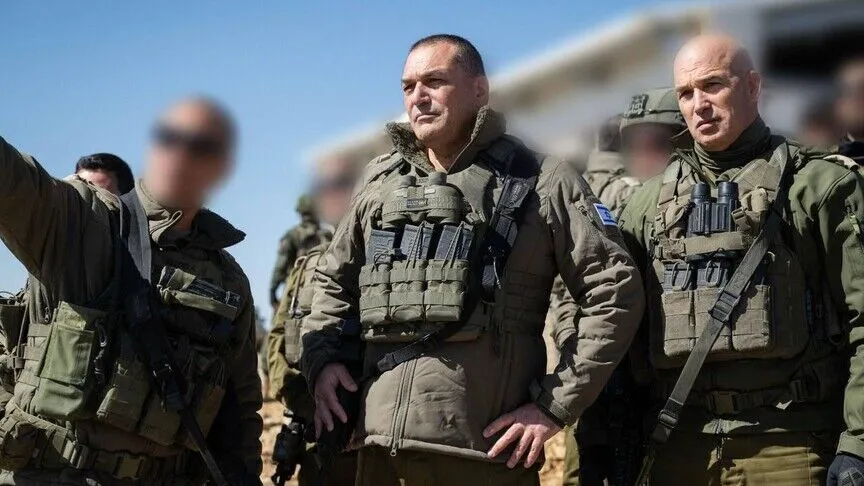
Israeli Chief of Staff Eyal Zamir officially approved a plan on Sunday to occupy Gaza City, local media reported.

Defense Minister Israel Katz is scheduled to formally approve the plan next Tuesday, according to Israel’s official broadcaster, Kan.

The Security and Political Cabinet will meet later this week to approve the plan, Kan said, adding that Nitzan Alon, the army’s official in charge of prisoners and hostages, took part in the discussions that led to the decision.

The plan includes a broad forced evacuation of Palestinians over at least two weeks, beginning with a military operation followed by a gradual entry into the city. Israeli authorities will present the evacuation plan to US officials at their request.

Channel 12 reported that the plan will be ratified by the government before the end of the week.

On Aug. 8, the Israeli Cabinet approved Prime Minister Benjamin Netanyahu’s proposal to gradually occupy the Gaza Strip, beginning with Gaza City.

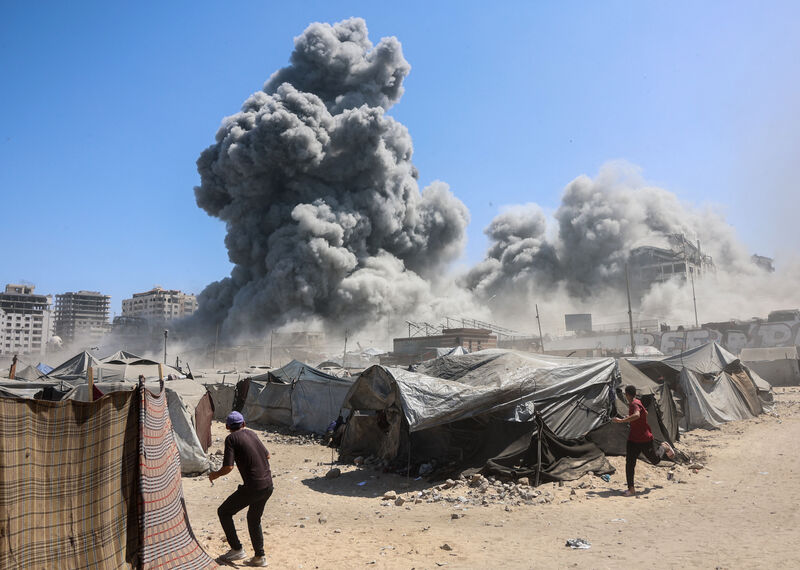
As part of the plan, on Aug. 11, Israeli forces launched a major attack on the al-Zaytoun neighborhood, including house demolitions using explosive-laden robots, artillery strikes, random gunfire, and forced displacement, witnesses told Anadolu.

Israel has killed more than 61,900 Palestinians in Gaza since October 2023. The military campaign has devastated the enclave and brought it to the verge of famine.

Last November, the International Criminal Court issued arrest warrants for Netanyahu and Gallant for war crimes and crimes against humanity in Gaza.

Israel also faces a genocide case at the International Court of Justice for its war on the enclave.

Continue reading
Obliterating Al Zeitoun – Israel’s Appetite For Destruction Boundless

“The situation was terrifying. I clutched my daughter as we walked over shattered glass and rubble, surrounded by smoke, flames, and explosions everywhere. I ran without knowing where to go. God help us. Enough, world, enough.”

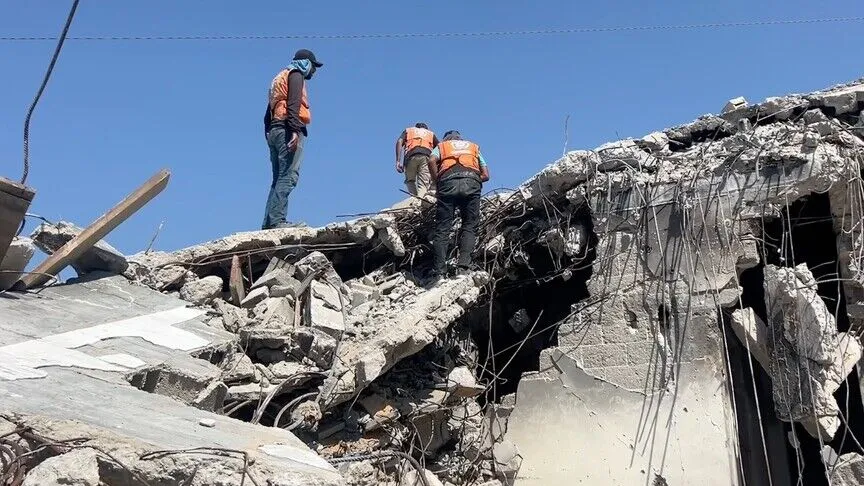
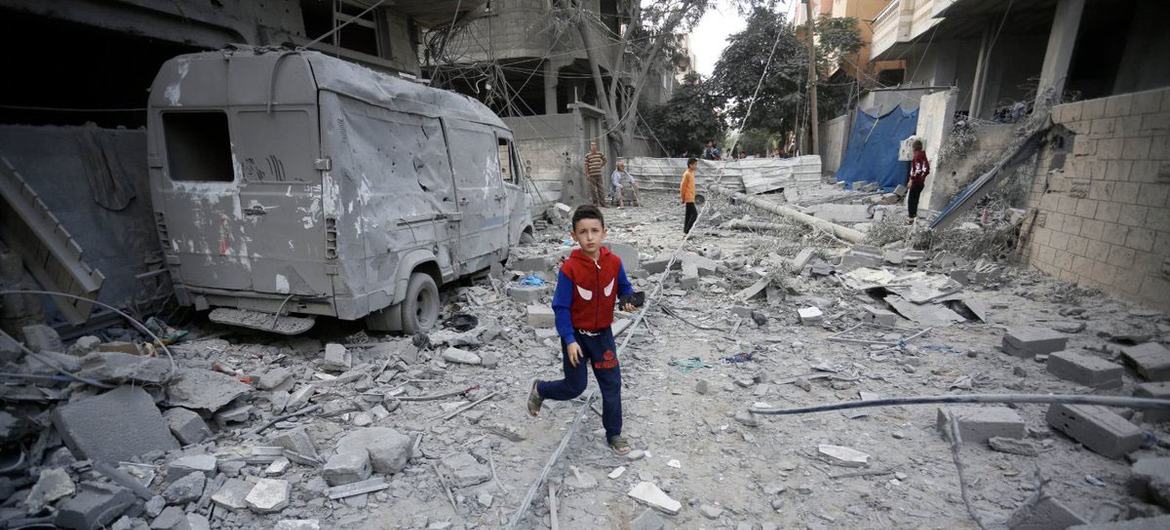
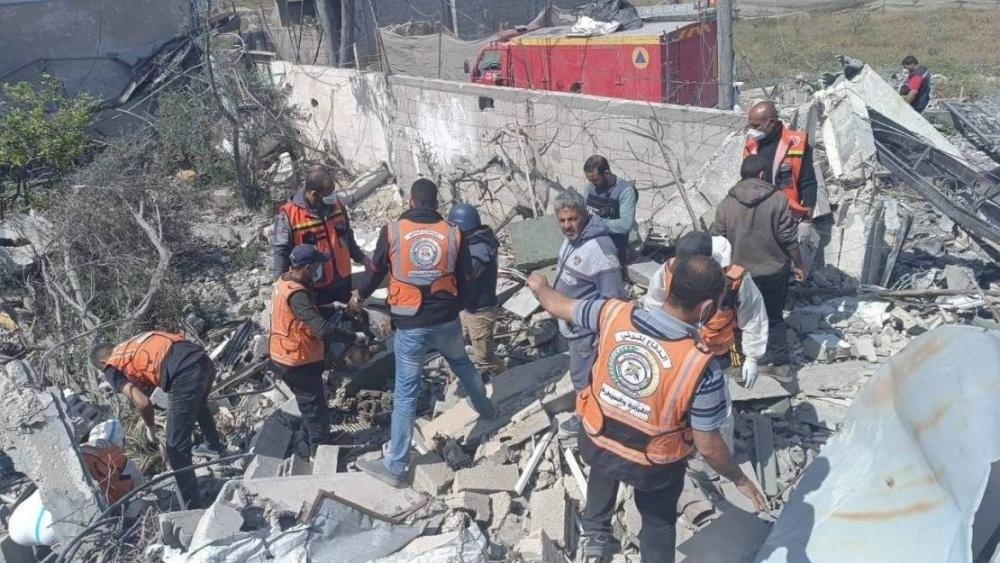
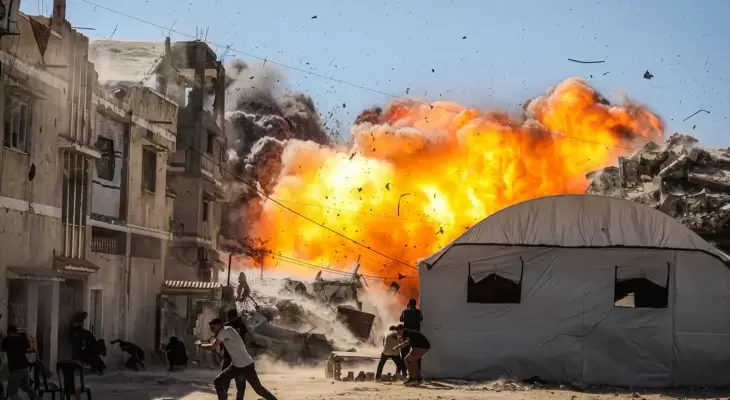
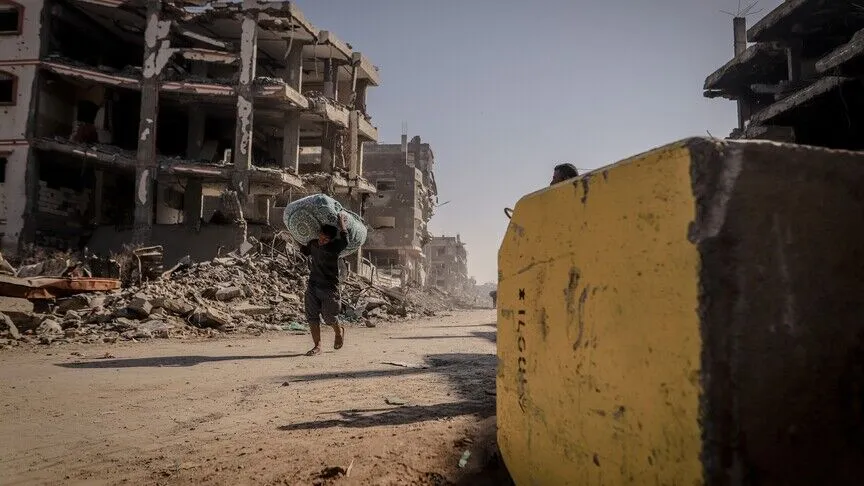
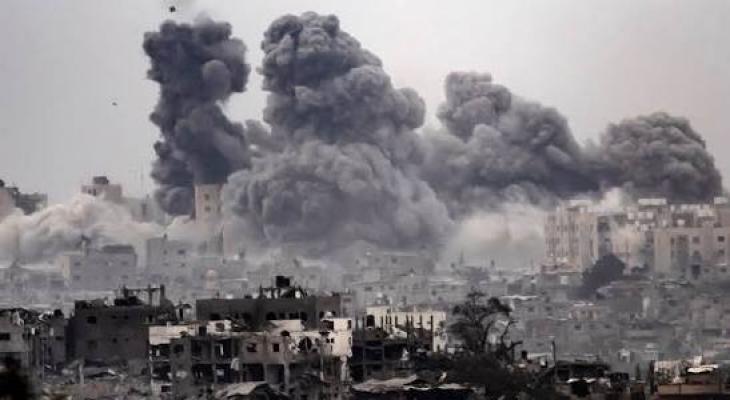
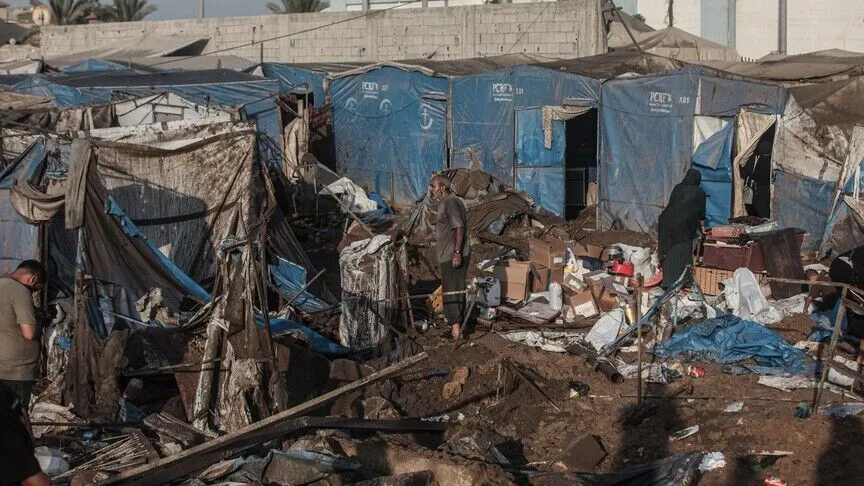
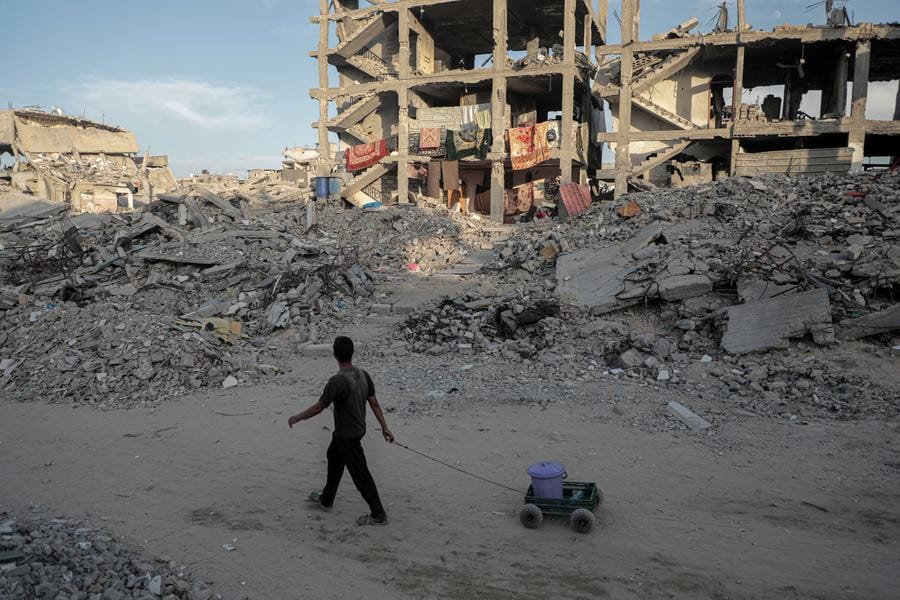
For six days, Israeli occupation forces have been razing the Zeitoun neighbourhood, southeast of Gaza City, flattening approximately 400 homes with explosive-laden robots and aerial bombardment.

This wide-scale military operation mirrors similar assaults in Rafah, Khan Younis, and northern Gaza, aimed at obliterating entire communities and forcibly displacing all who remain. These actions form part of the genocide against Palestinians in the Gaza Strip.

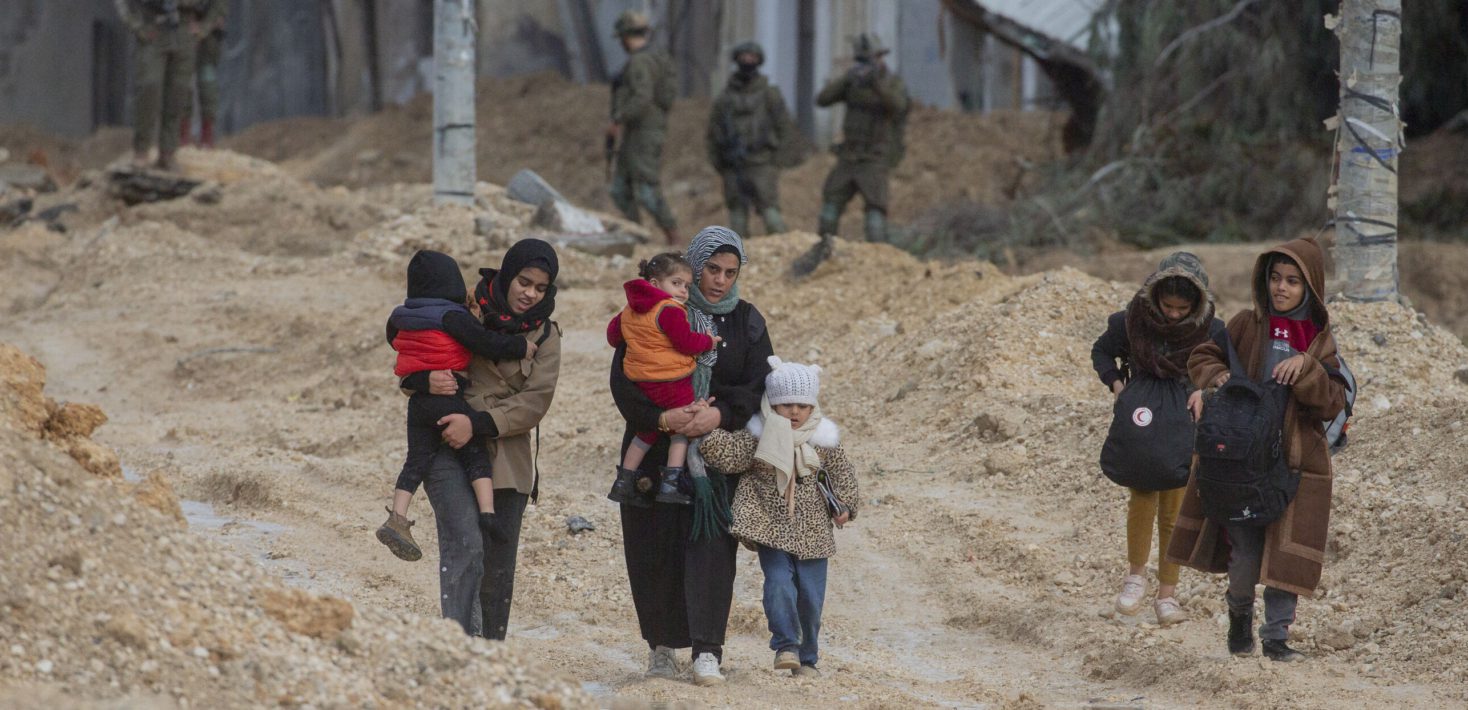
Launched on 11 August, the operation represents Israel’s ongoing push to assume total and unlawful control over Gaza City. The intent is to evacuate long-standing residents and up to one million displaced individuals, most having fled northern Gaza, and confine them to isolated, small areas in the south.

Drones, specifically quadcopters, are being deployed to encircle residential blocks and coerce civilians into fleeing under armed threat. Meanwhile, ground forces advance under heavy cover fire from positions near Street 8, the Dola junction, the Barasi land and the Illiyin areas. This operation has already displaced over 90,000 residents.

Field data from Euro-Med Monitor documents targeted bombings of homes belonging to the Lubbad, al-Aidi, Dader, and Irhayyem families, resulting in nine deaths within the Irhayyem household.

Air raids also hit houses near the Bilal Bin Rabah Mosque, striking the homes of the Dalloul and al-Nassan families, the Bashir Siksik Company premises, and the Kuhail, Shahd, and Siyam residential towers. An attack near Al-Farouq Mosque destroyed the home of the al-Husari family, claiming four lives.

The Israeli forces demolished dozens of homes along Street 8 and at the start of the Hassan al-Banna area. Tents housing displaced members of the Hunaideq family were also bombarded, resulting in seven deaths. Additional structures impacted include those near the University College of Applied Sciences (UCAS), the Al-Falah and Ain Jalut schools, and a charity-run shelter on Albasateen Street, killing eight more civilians. A strike on the Abu Daff family home resulted in 12 fatalities.

Artillery and air strikes continue to pound the areas of Hassan al-Banna, Al-Musalaba, UCAS, Al-Nadeem, and Almadaris Street. Civilians killed near Ain Jalut School and Badr Mosque (not to be confused with the one in Rafah) remain unrecovered due to ongoing bombardment. An airstrike also struck the Al-Huwaiti building in the Old City near Katib al-Wilaya Mosque, killing a mother and her young daughter, and even targeting nearby open ground.

In her testimony to the Euro-Med Monitor, 45-year-old Um Raid said: “We fled before dawn with the children, carrying nothing, as bullets whistled above our heads and bombs shook the ground, leaving behind what remained of our home and all we owned.”

Meanwhile, 33-year-old Mohammad D. described how he had no choice but to flee with his family after a “quadcopter drone” began firing randomly. He said, “I couldn’t even grab my children’s birth certificates. Aircraft roared overhead, armoured vehicles closed in, and I felt we would die if we stayed a minute longer.”

Another resident, 29-year-old Sahar L., who lived near the Bilal Bin Rabah Mosque, recounted, “The situation was terrifying. I clutched my daughter as we walked over shattered glass and rubble, surrounded by smoke, flames, and explosions everywhere. I ran without knowing where to go. God help us. Enough, world, enough.”

Almost half the homes in the Zeitoun neighbourhood were demolished without any documented military necessity, as no fighting had recently taken place there. The destruction was caused by the systematic use of automatic explosives and explosive-laden robots after residents had been forcibly displaced. This pattern shows the intent was not military but to erase infrastructure and force Palestinians into displacement.

The widespread destruction in Zeitoun, the largest neighbourhood in Gaza, is part of a deliberate Israeli policy: completing a campaign of genocide and erasing Palestinian urban life through the total destruction of homes, infrastructure, and access to basic livelihoods.

The international community, including the United Nations and global legal bodies, must intervene urgently to halt the massacres, protect civilians, and hold Israeli leaders accountable for these heinous crimes against the civilian population.

Israel’s ongoing attacks and territorial expansion threaten to unleash unprecedented mass slaughter in Gaza, destroying the already fragile humanitarian response and cementing a new chapter of systemic Israeli genocide. These attacks are not sudden battlefield escalations but calculated policies, and the international community, through its silence, financial backing, and political cover, bears full responsibility for the resulting crimes and tragedies.

States and organisations must exert maximum pressure on Israel to halt the crime of starvation and immediately push for the resumption of humanitarian access by ending the illegal siege of the Gaza Strip. This is the only way to stem the fast-deteriorating humanitarian crisis and ensure the entry of essential aid and supplies amid the looming threat of famine.

Safe humanitarian corridors, under UN supervision, must be established to guarantee the delivery of food, medicine, and fuel to all parts of the Strip, with independent international monitors deployed to ensure compliance. At the same time, rapid rehabilitation of Gaza’s agricultural and livestock sectors must begin as part of both emergency relief and long-term recovery efforts.

All States, individually and collectively, must fulfil their legal obligations and act urgently to stop this genocide in Gaza, taking every feasible measure to protect Palestinian civilians there. They must enforce Israel’s adherence to international law and the rulings of the International Court of Justice and hold Israel accountable for its crimes against Palestinians.

This includes, without waiver, enforcing the arrest warrants issued by the International Criminal Court for the Israeli Prime Minister and former Minister of Defence at the earliest opportunity and surrendering them to international justice, upholding the principle that no one is immune from prosecution for international crimes.

Euromed Human Rights Monitor

Continue reading