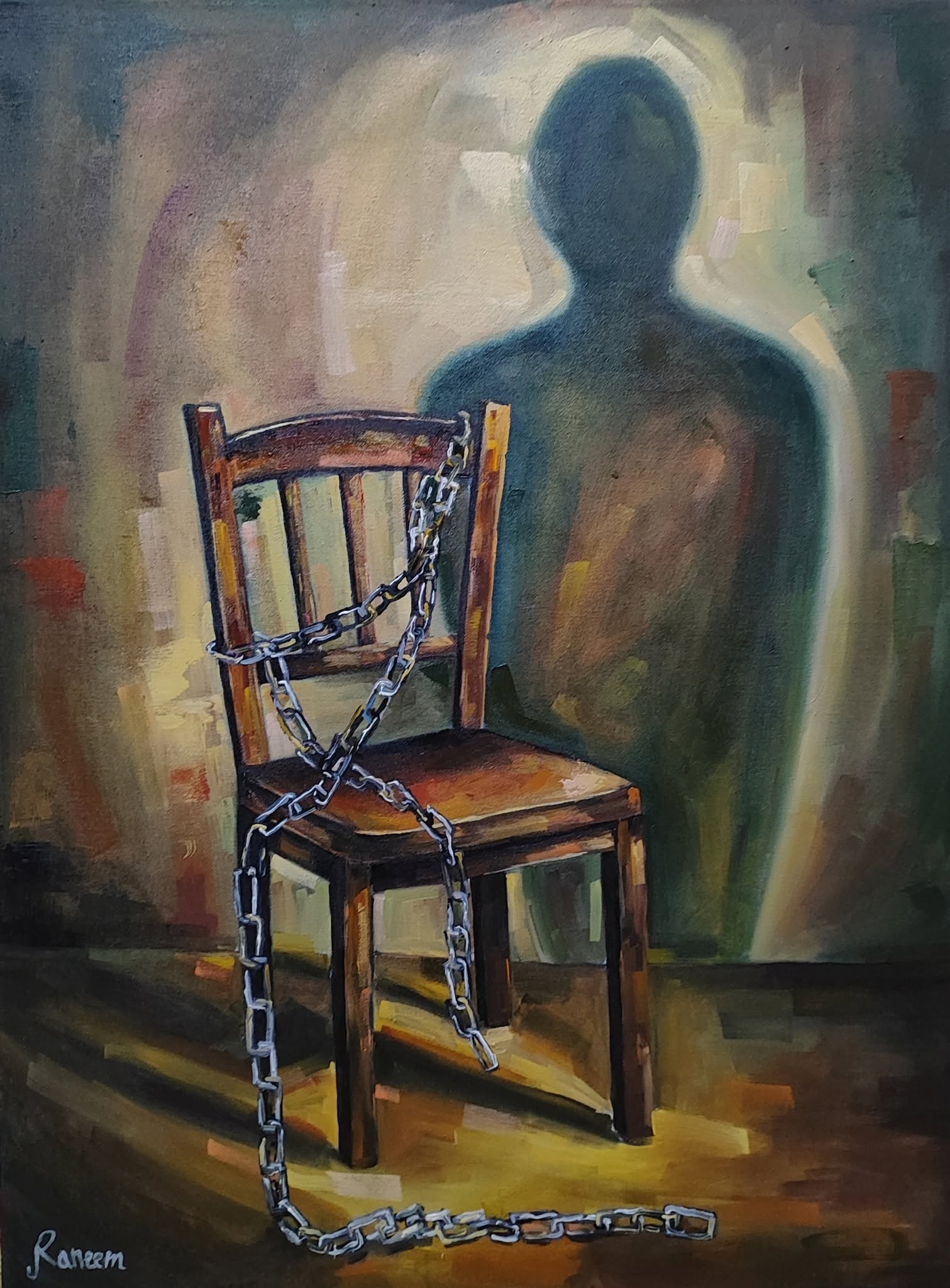
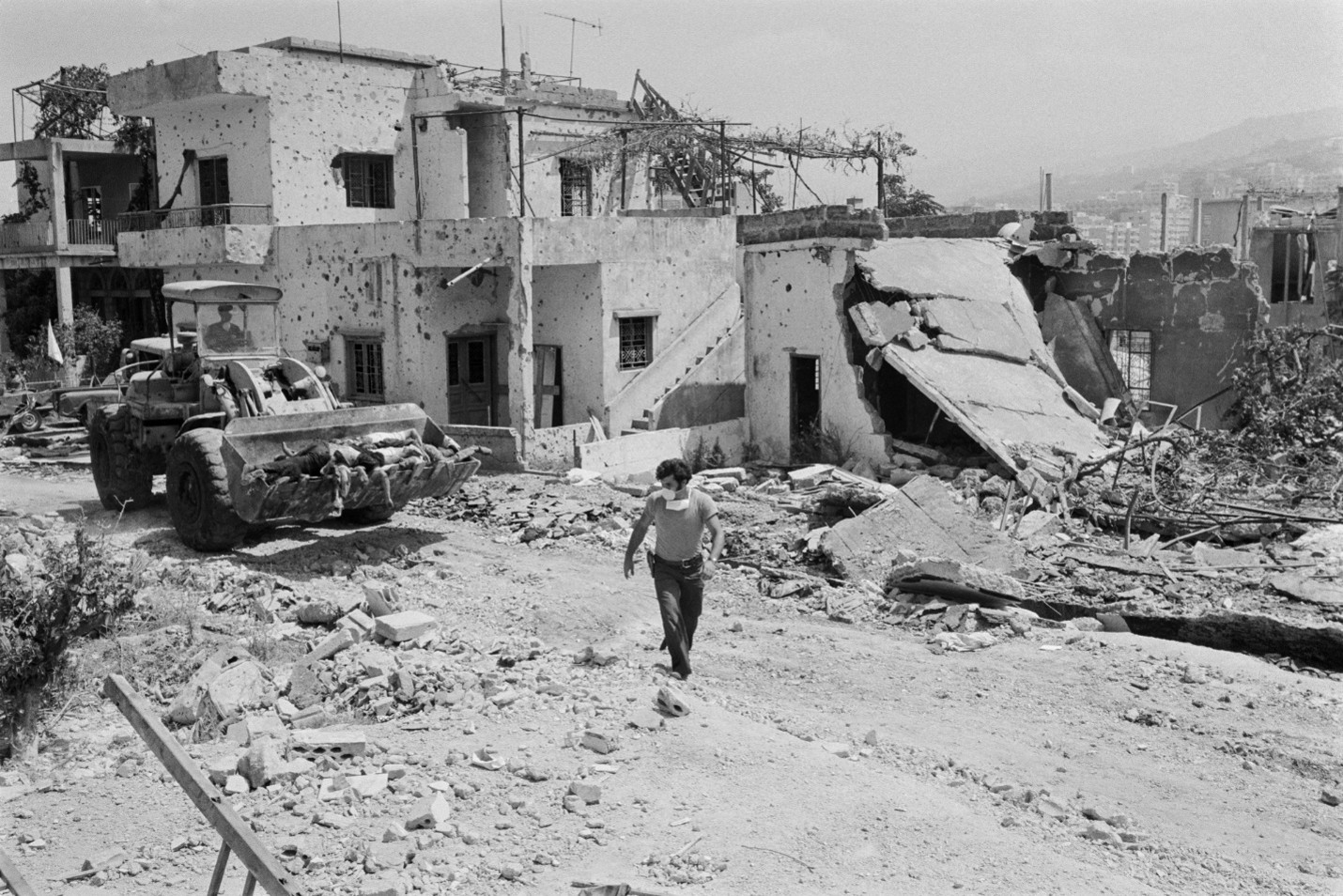
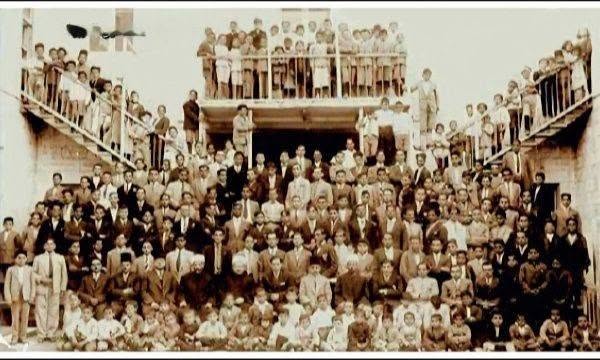
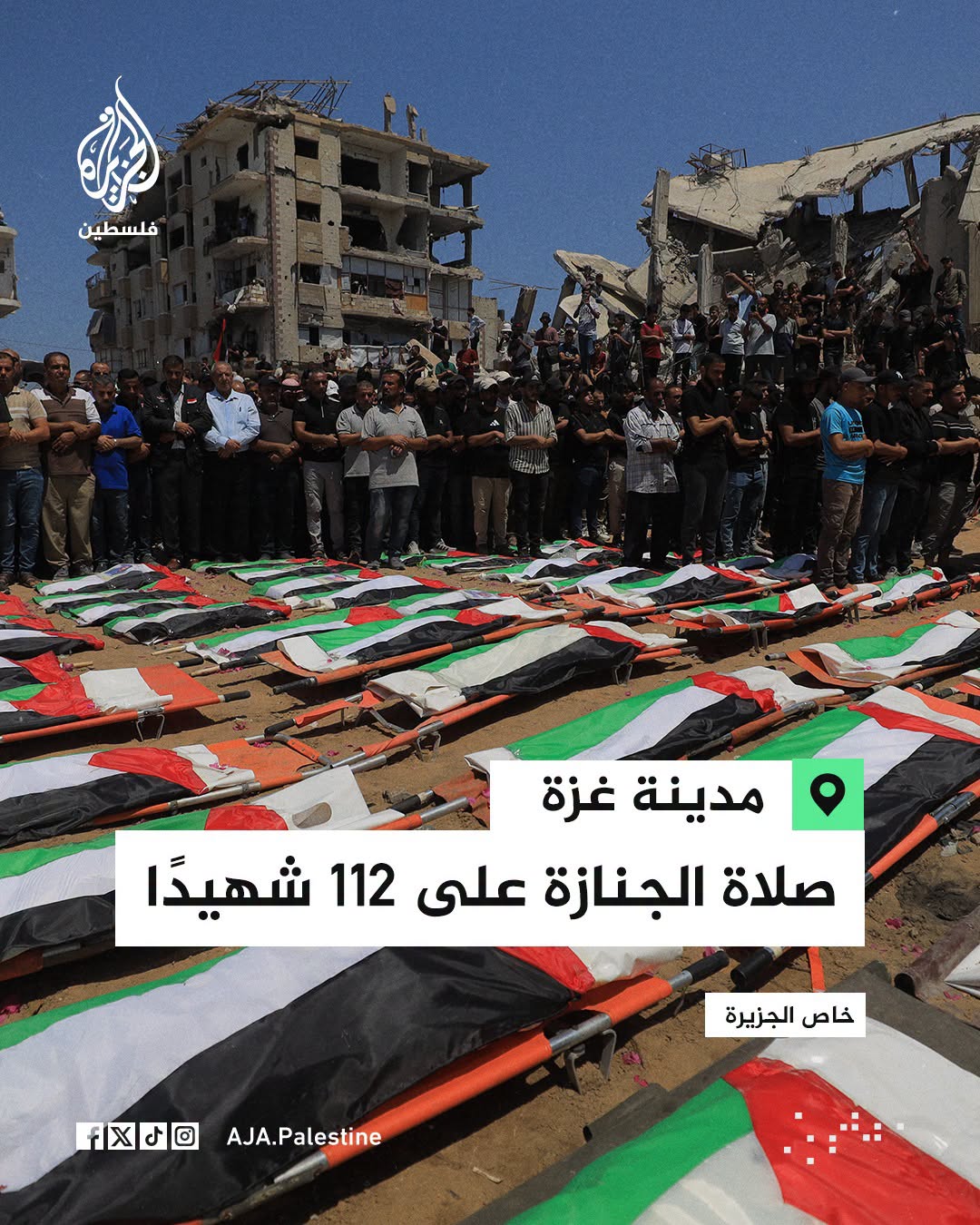
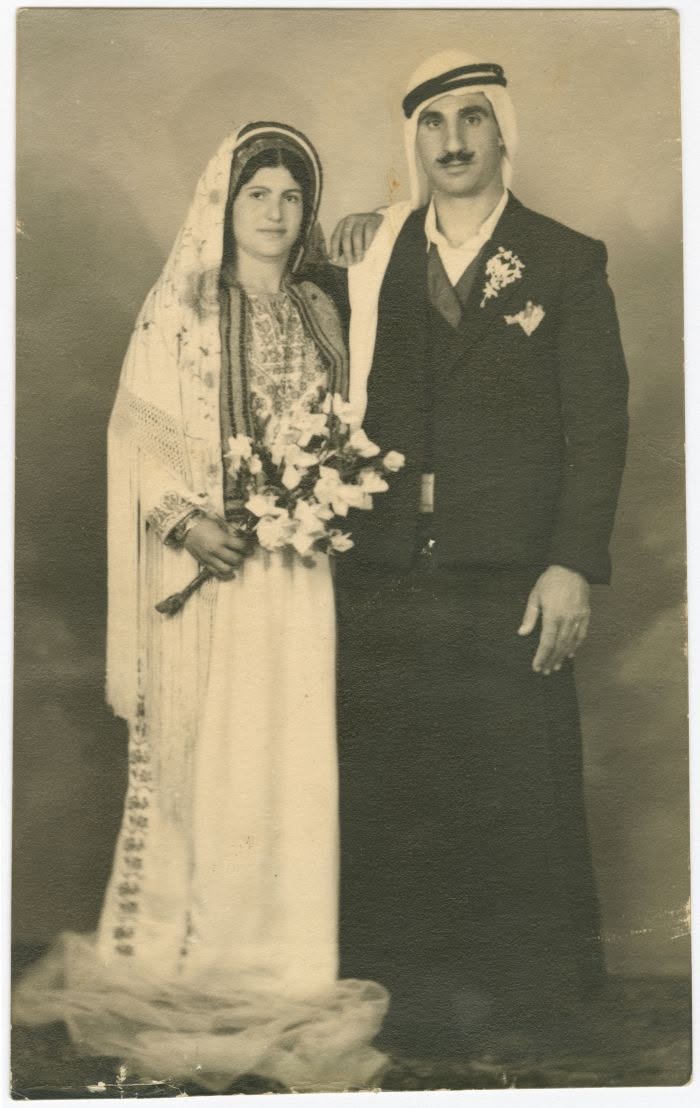
 Don’t Forget Dier Yassin
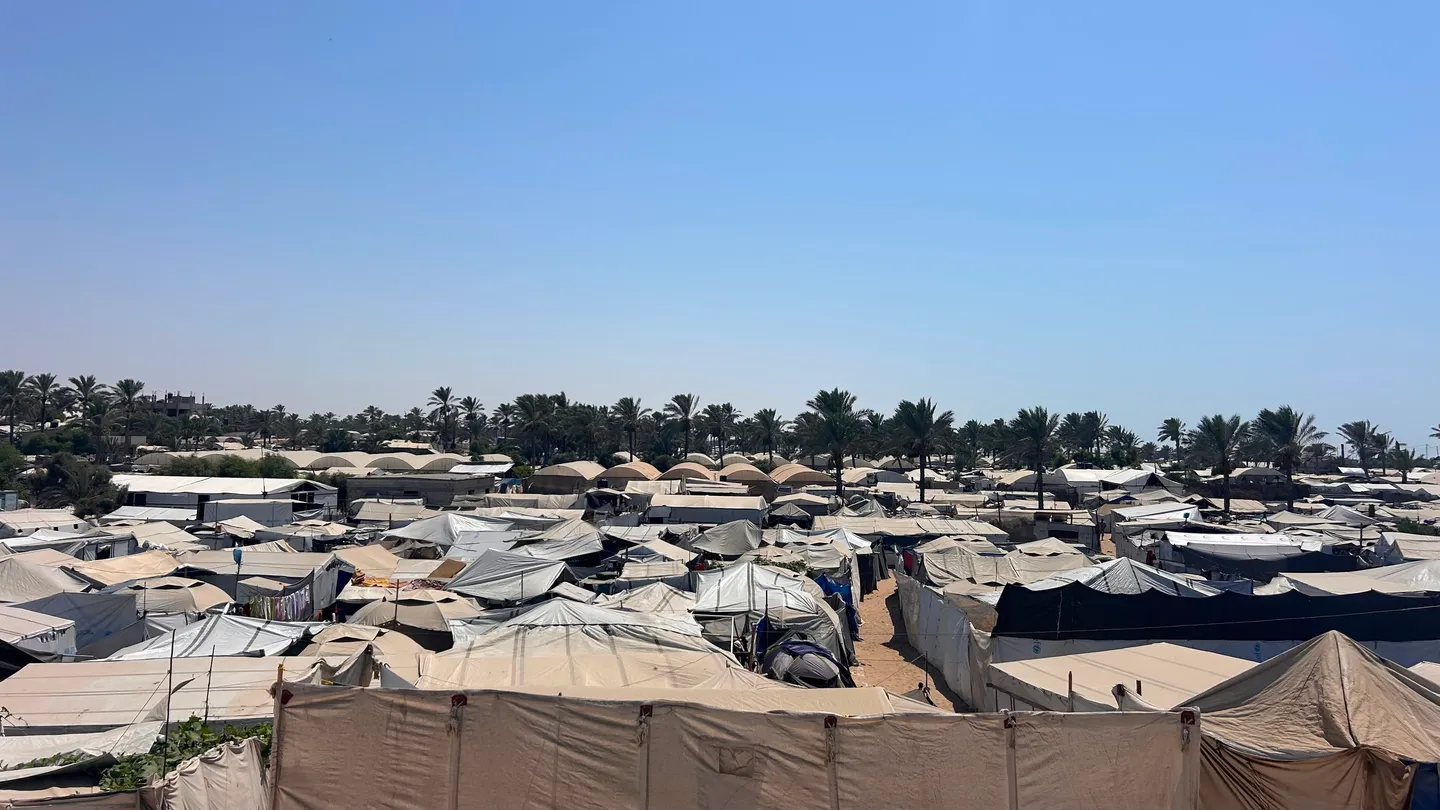
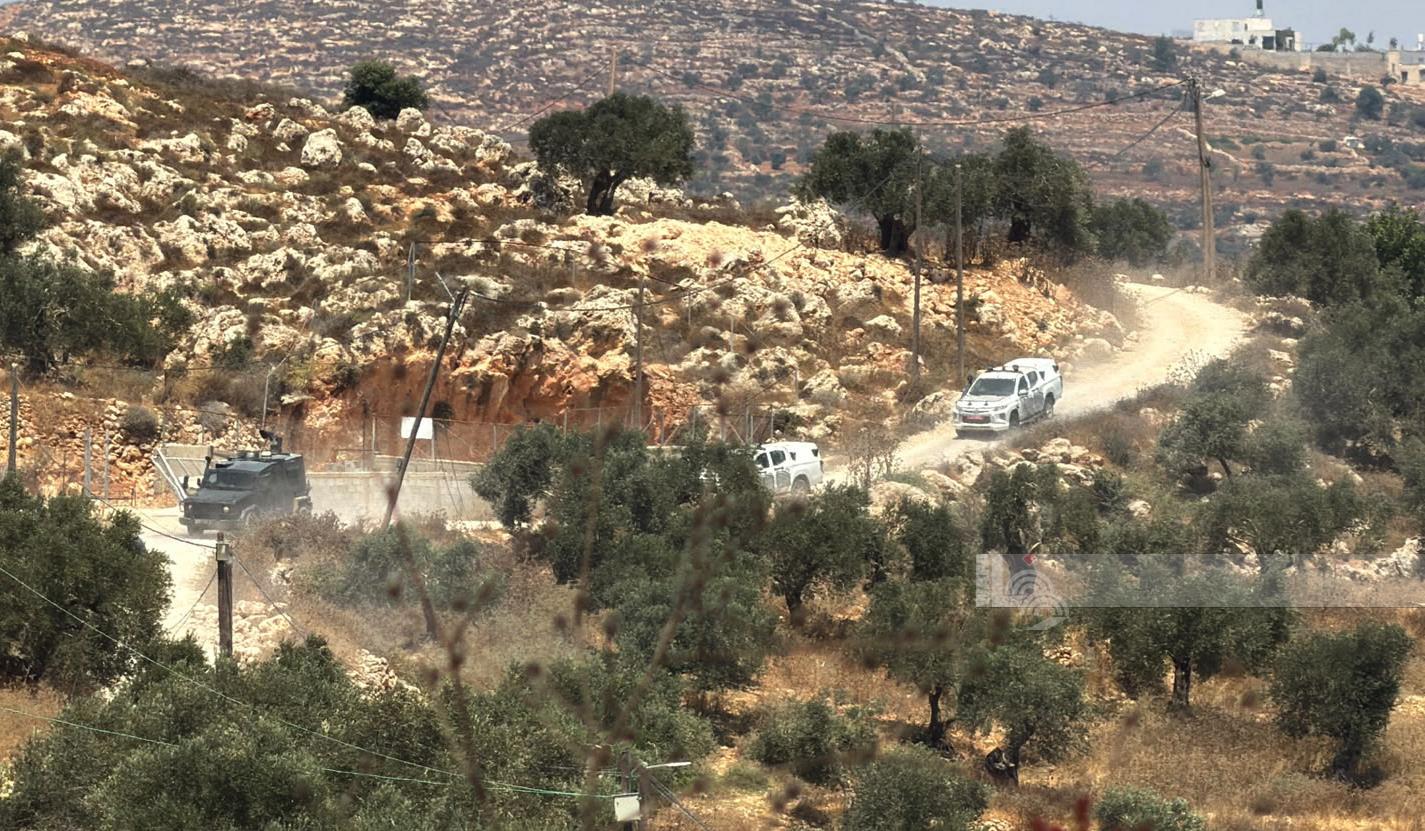
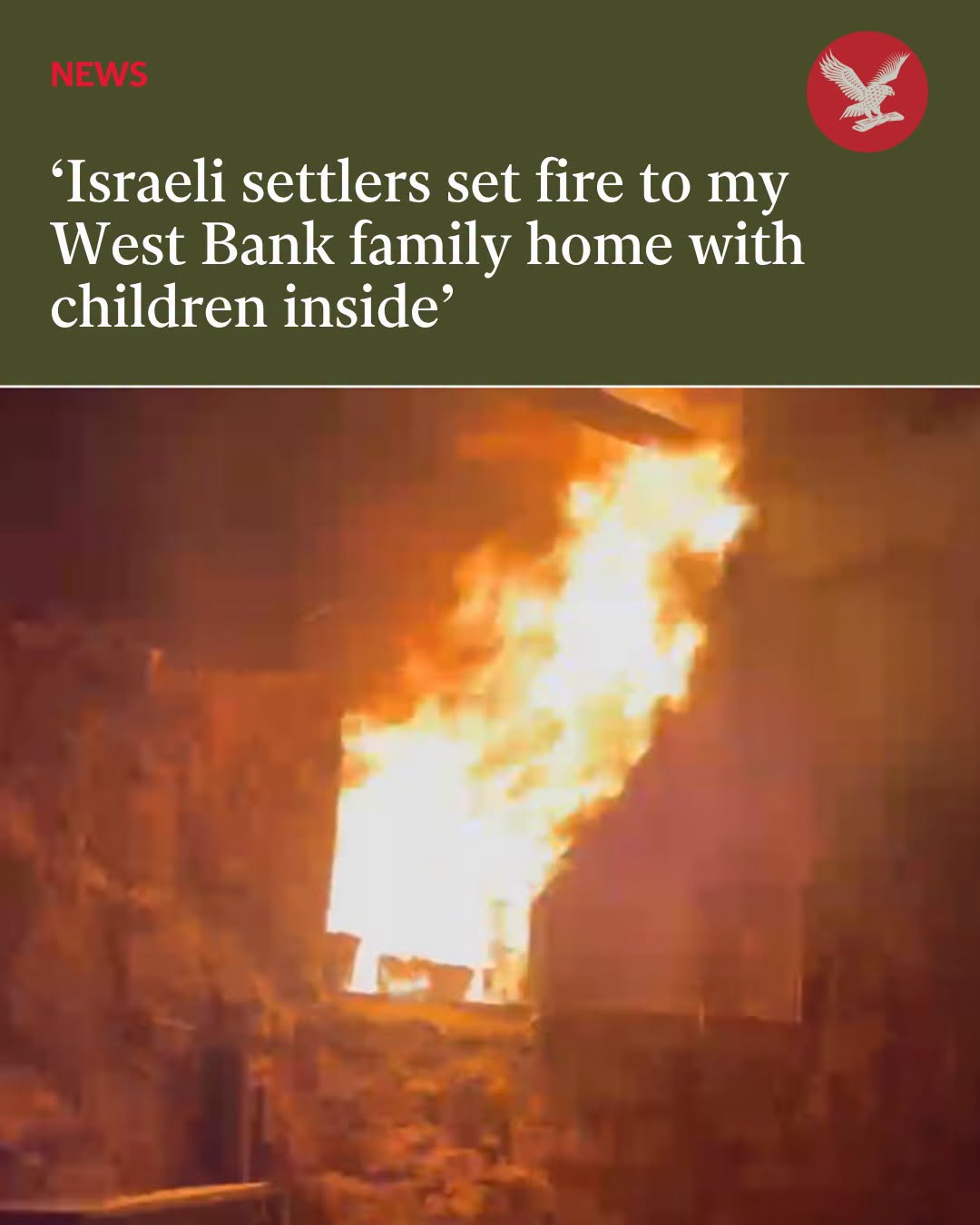
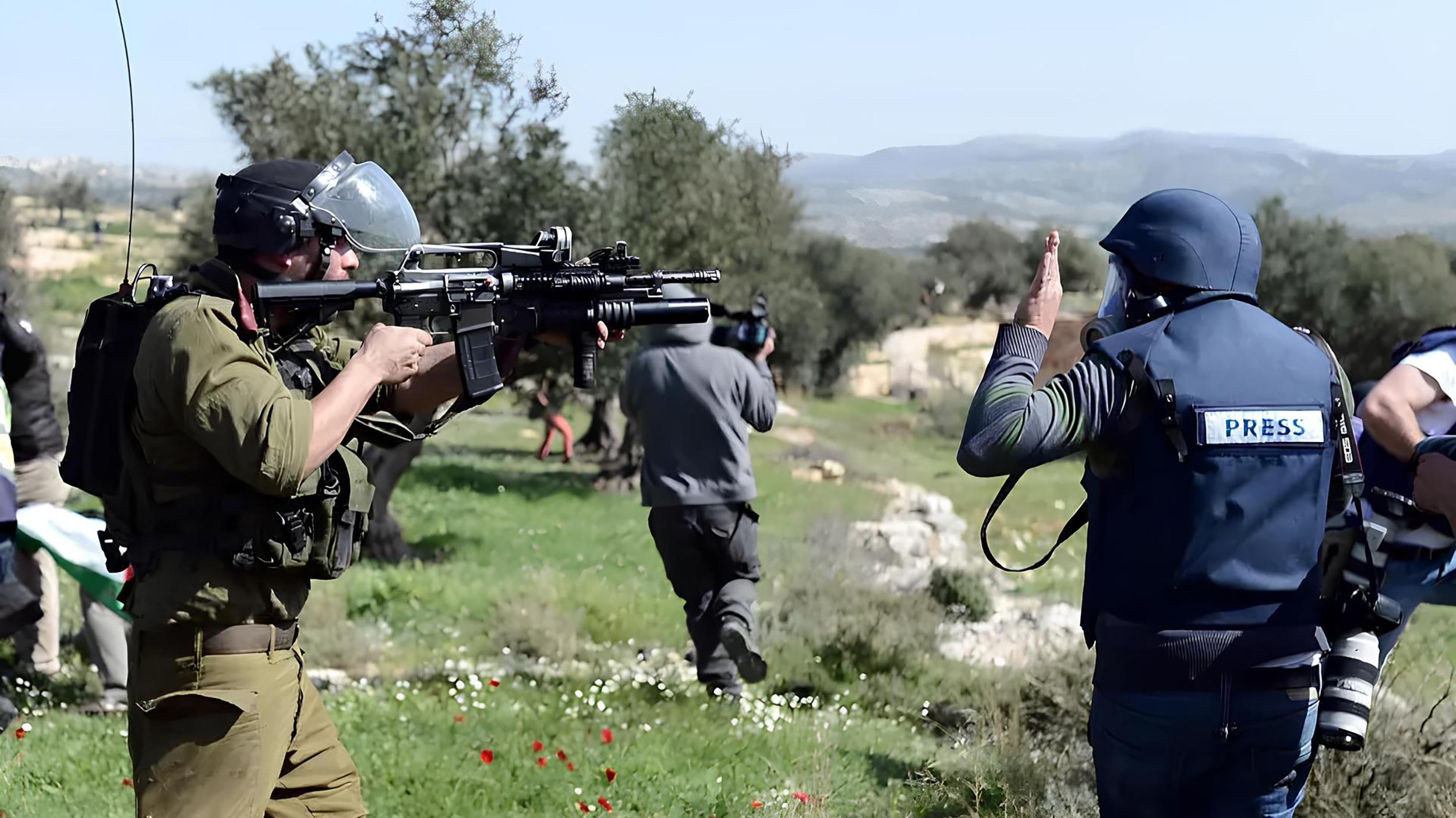
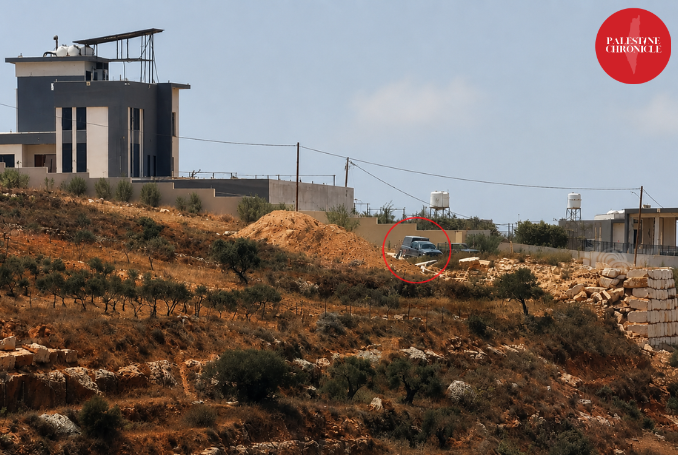 Israeli Army, Settlers Trap Three Palestinian Families in Their Homes for 11 Days
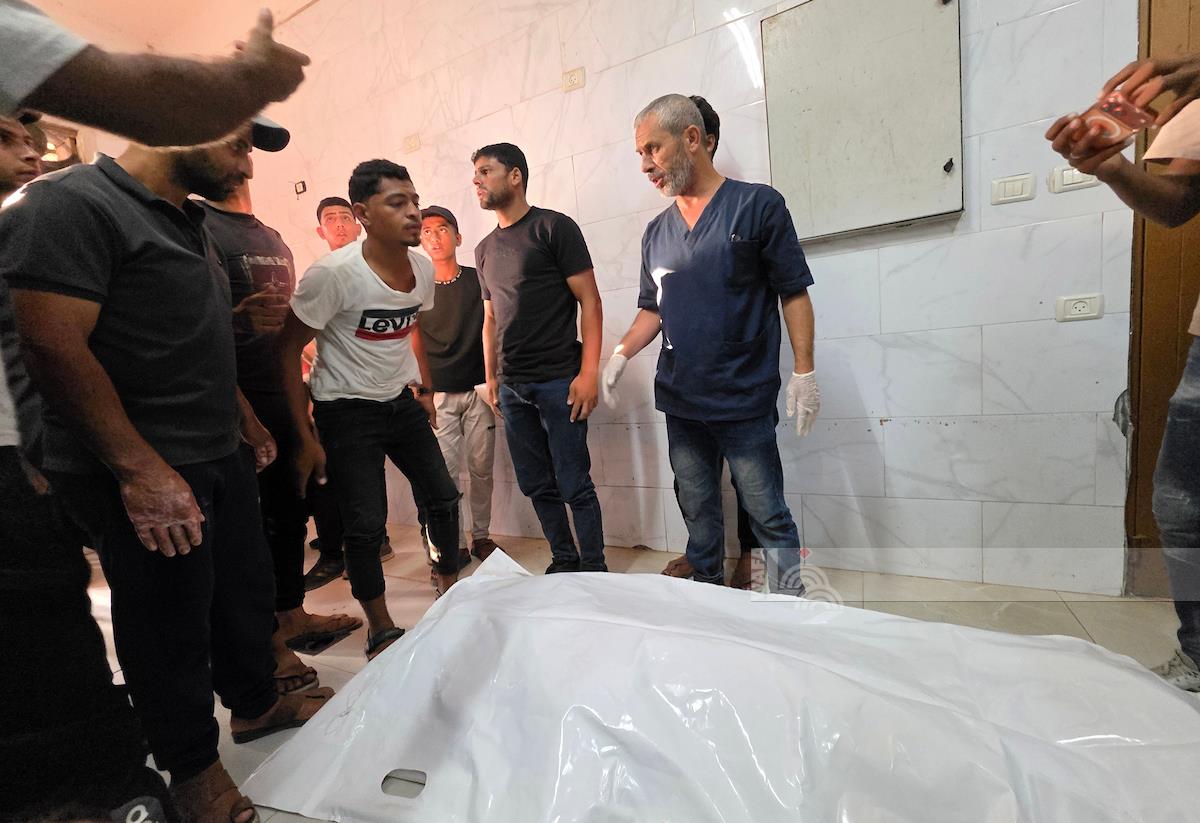
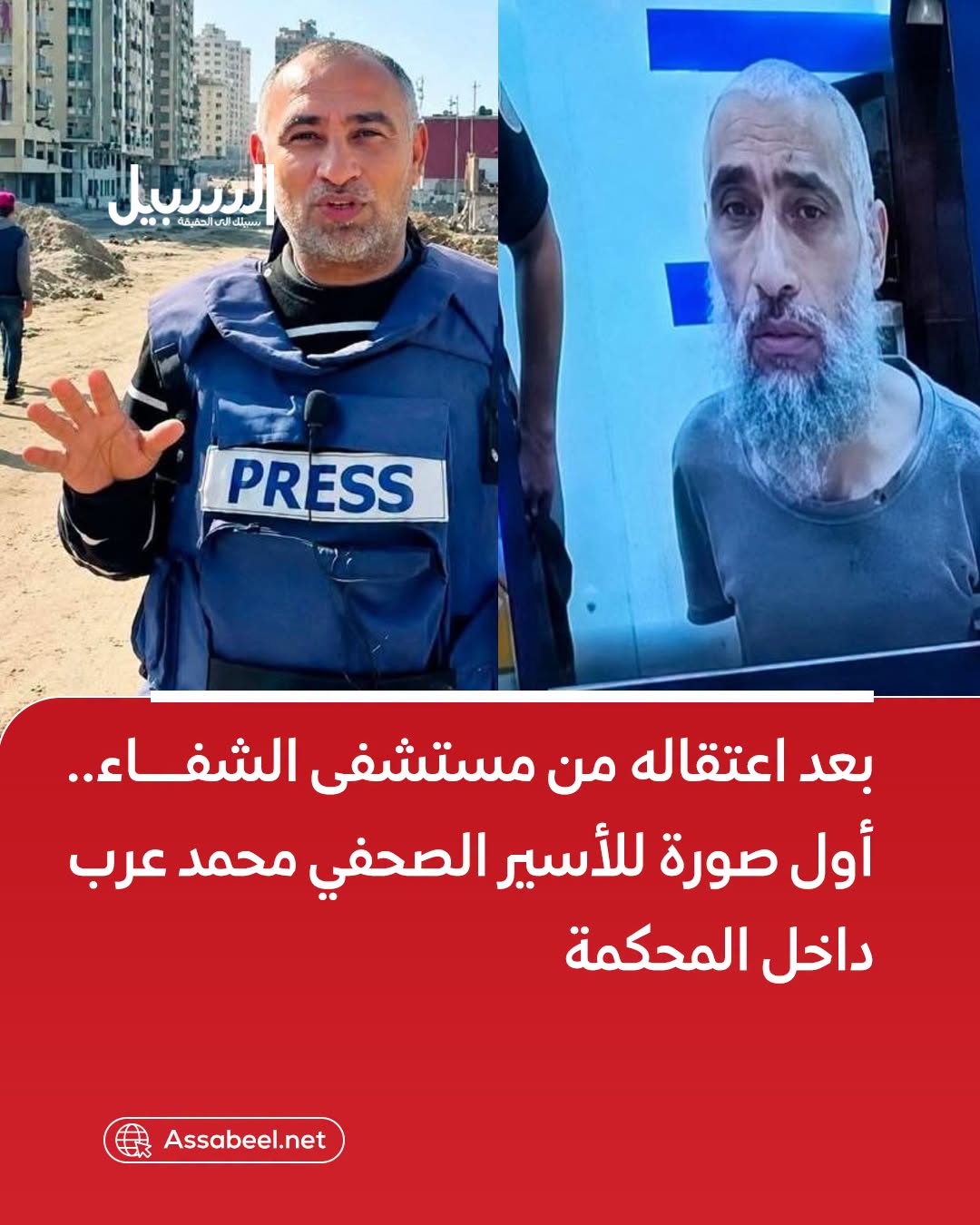
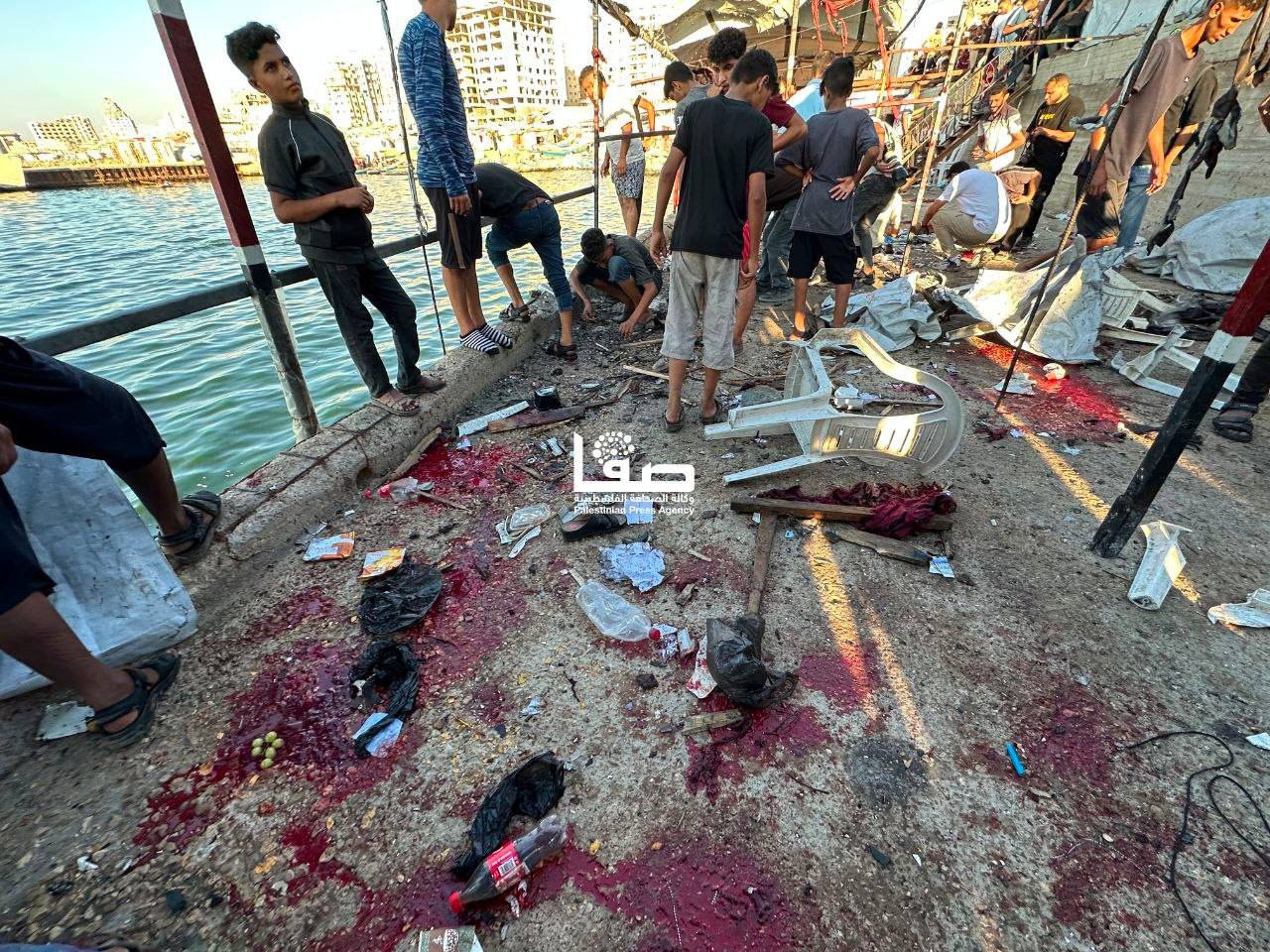 Israeli Strikes Gaza Port Café, Leaves 6 Dead, a Child and 14 Wounded
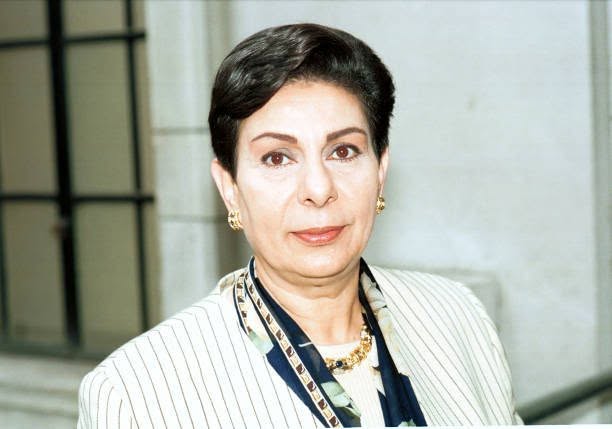
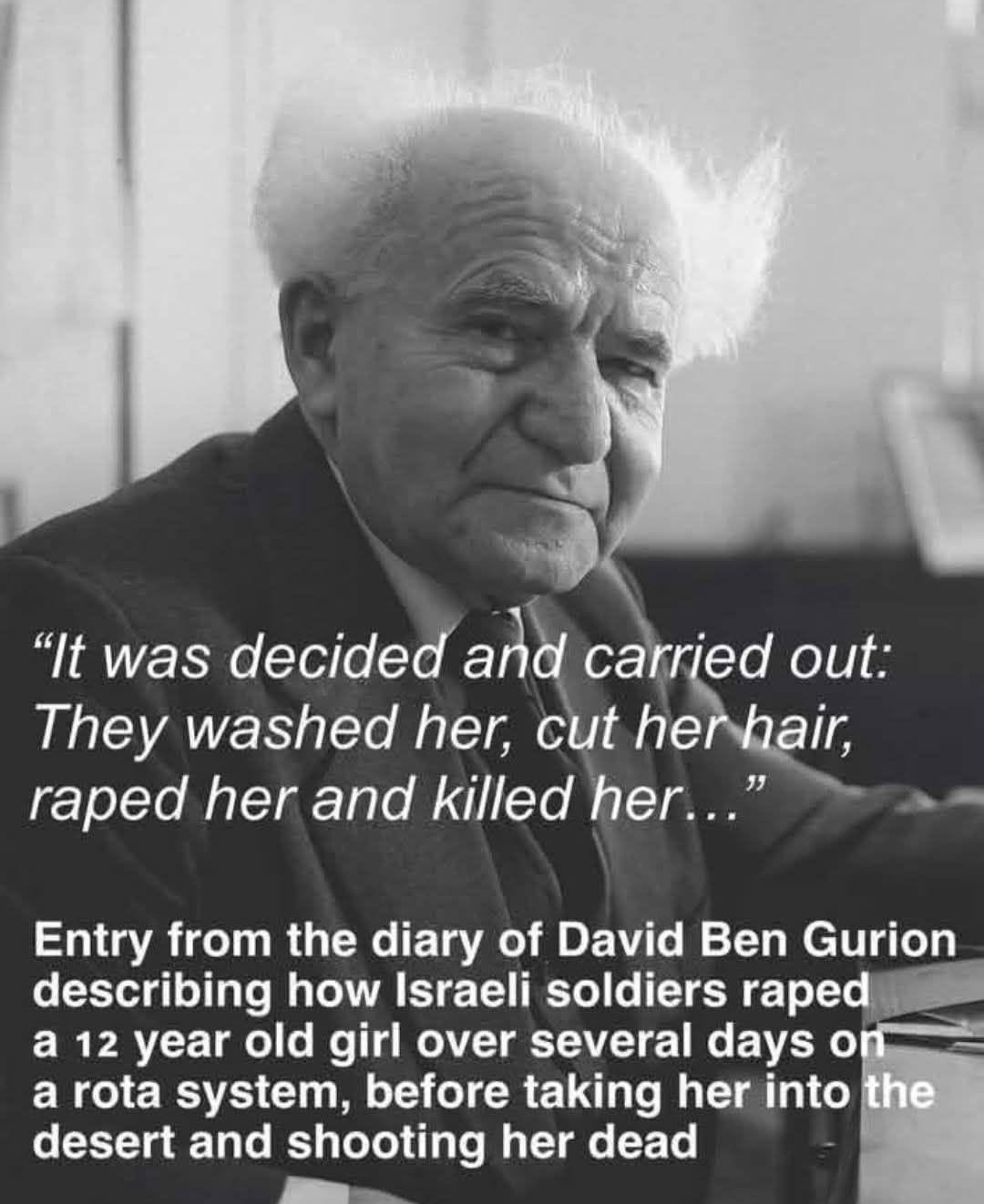 Your Ben Gurion! Revelations
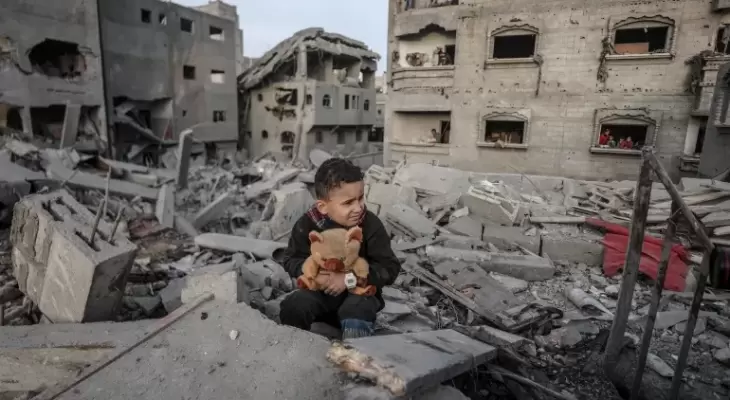
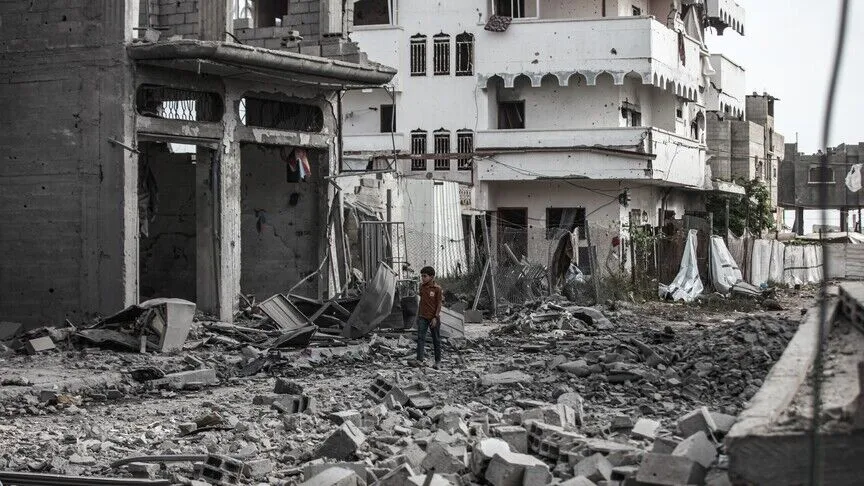
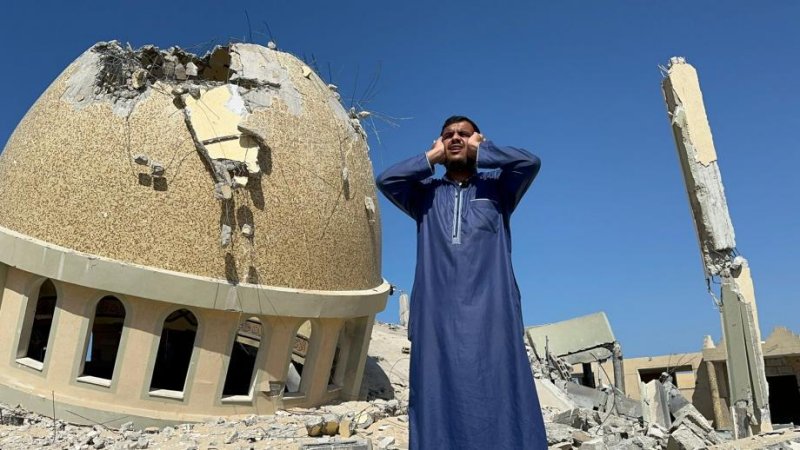
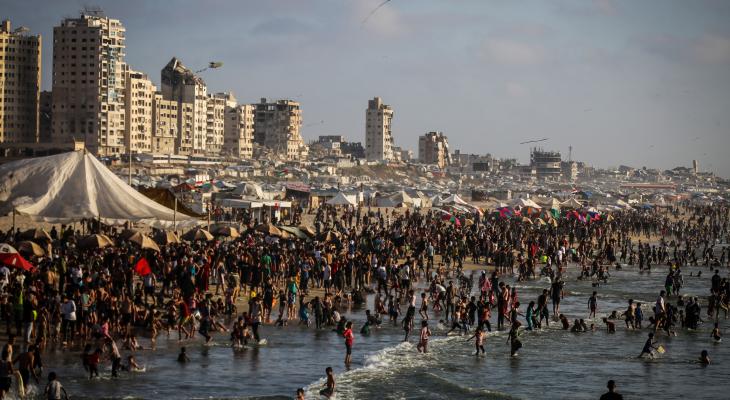
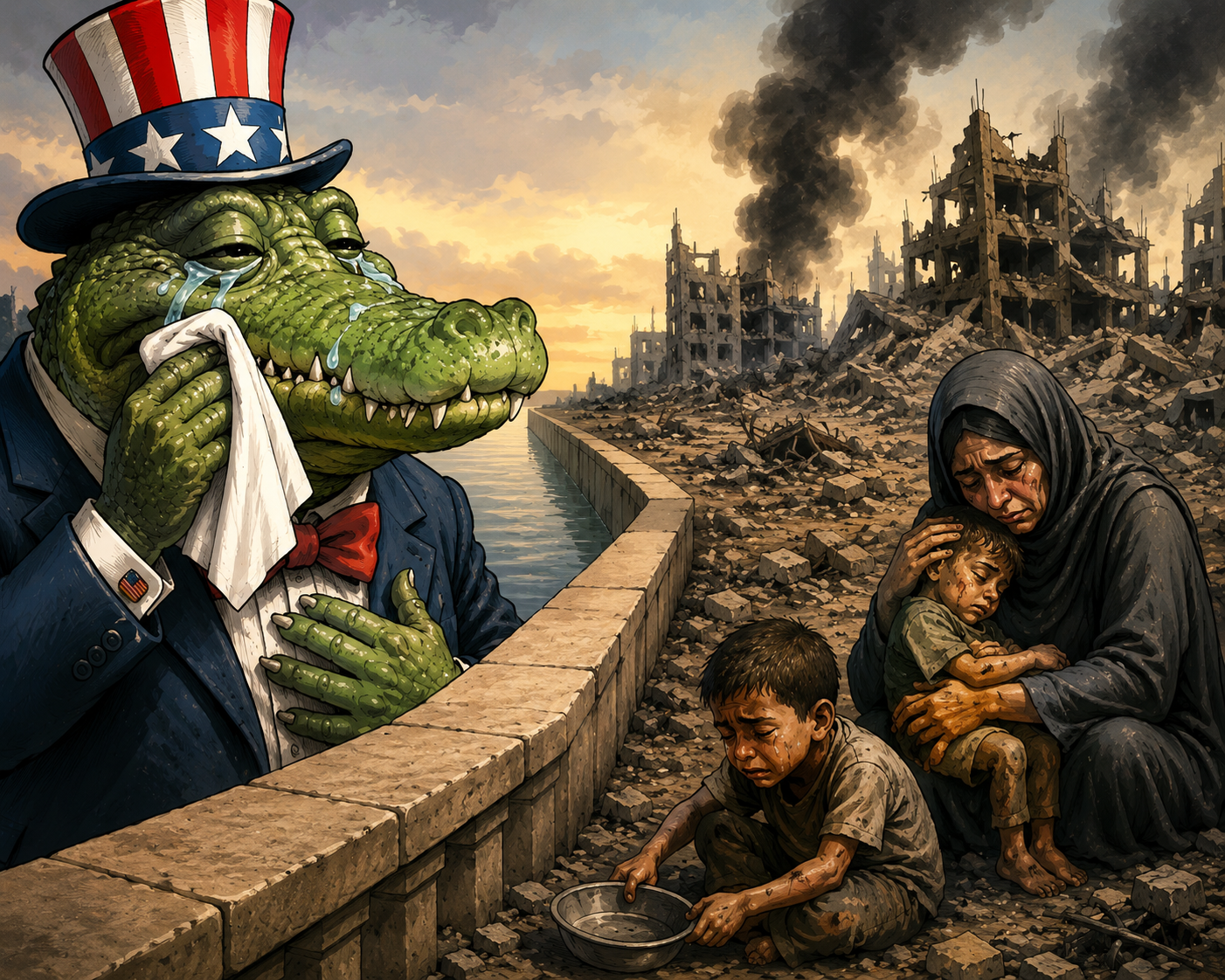
 Gaza’s Face of Destruction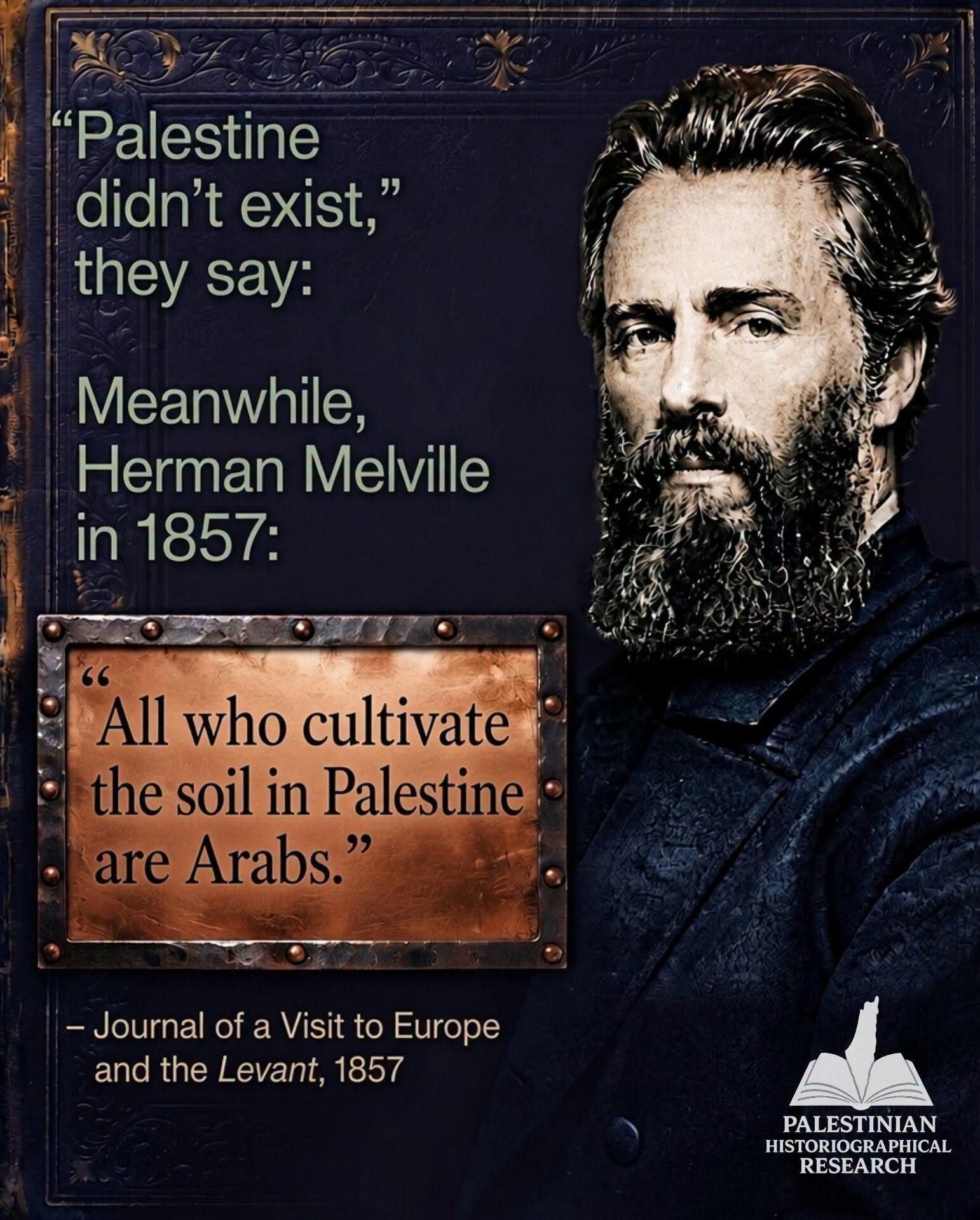

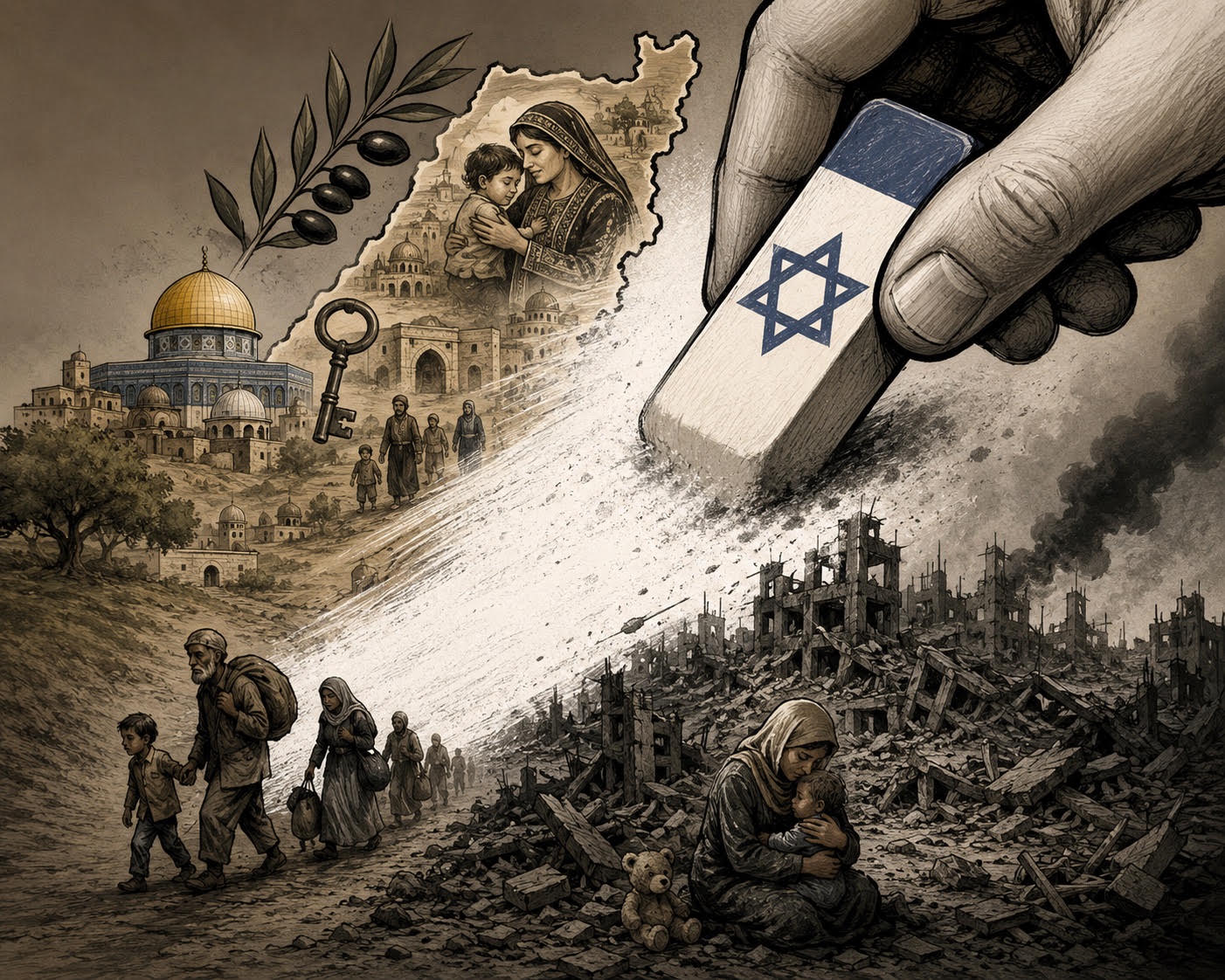
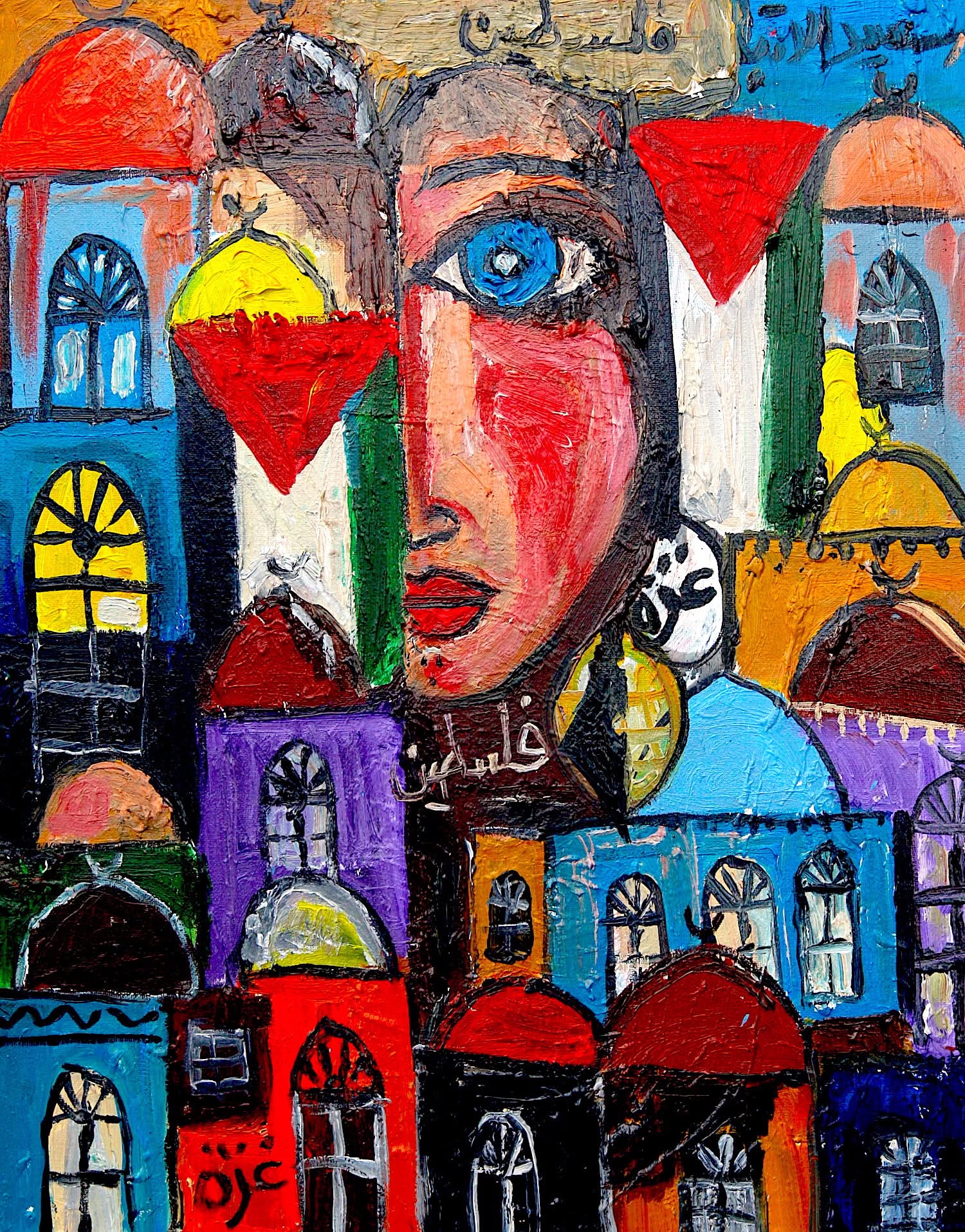
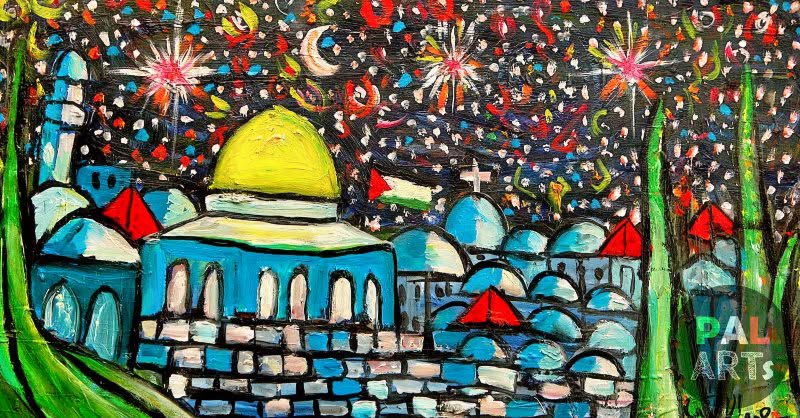
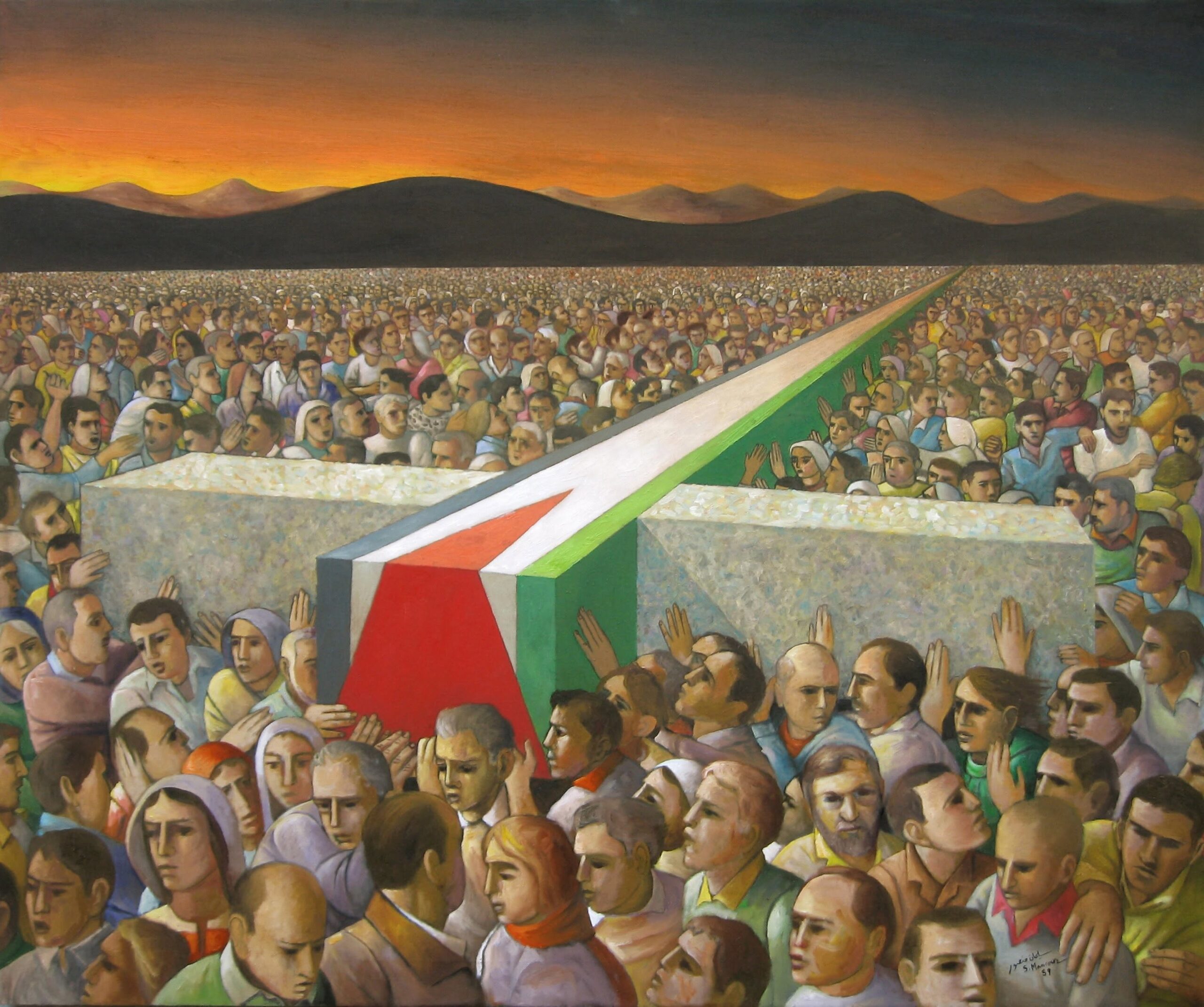
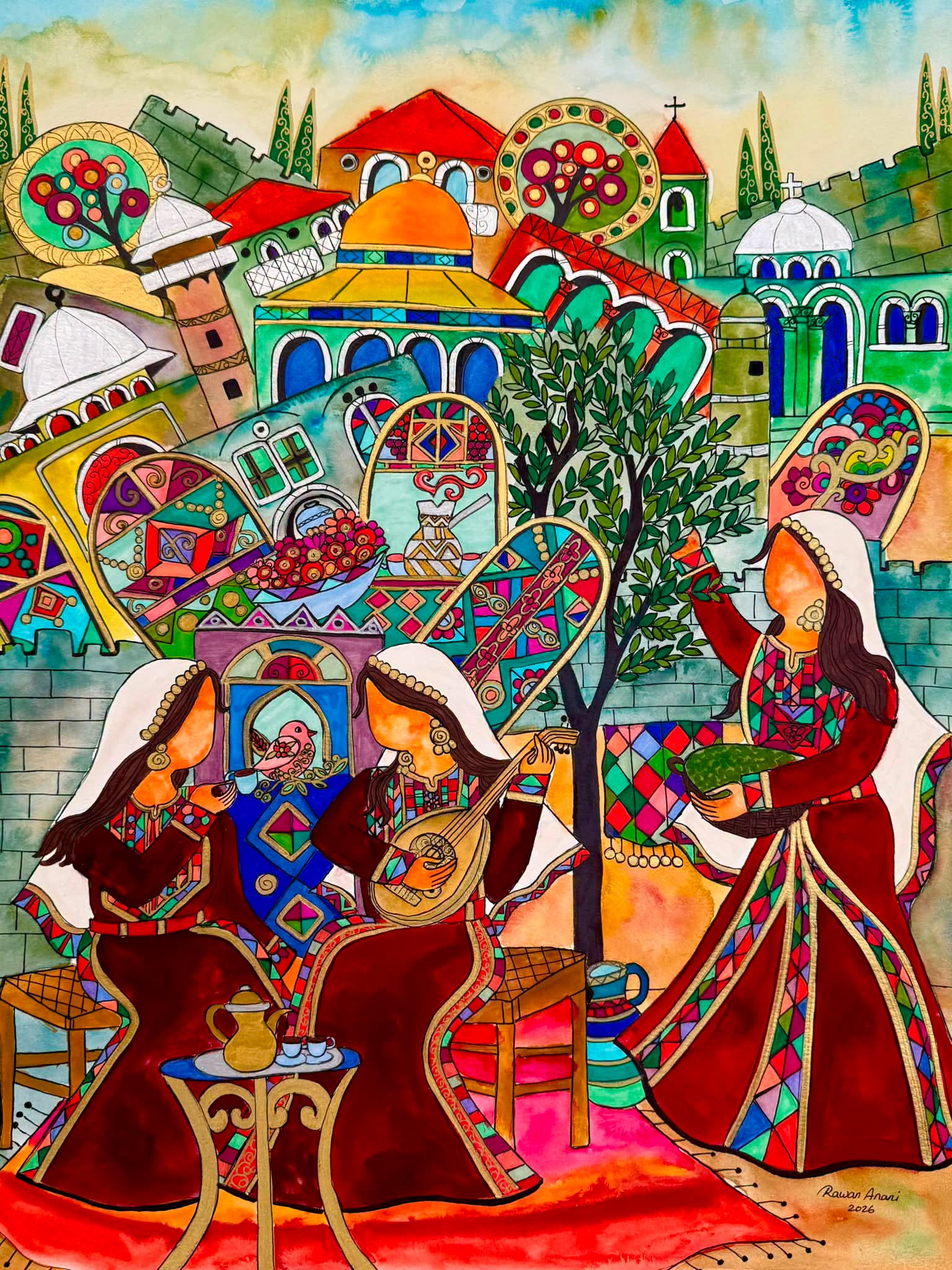
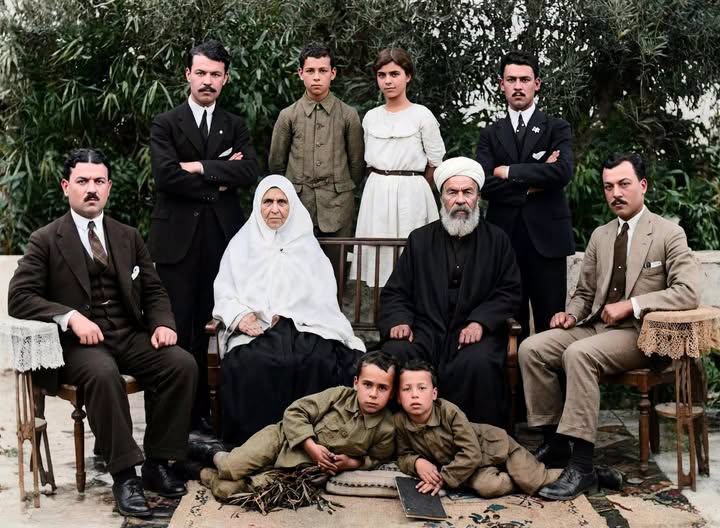
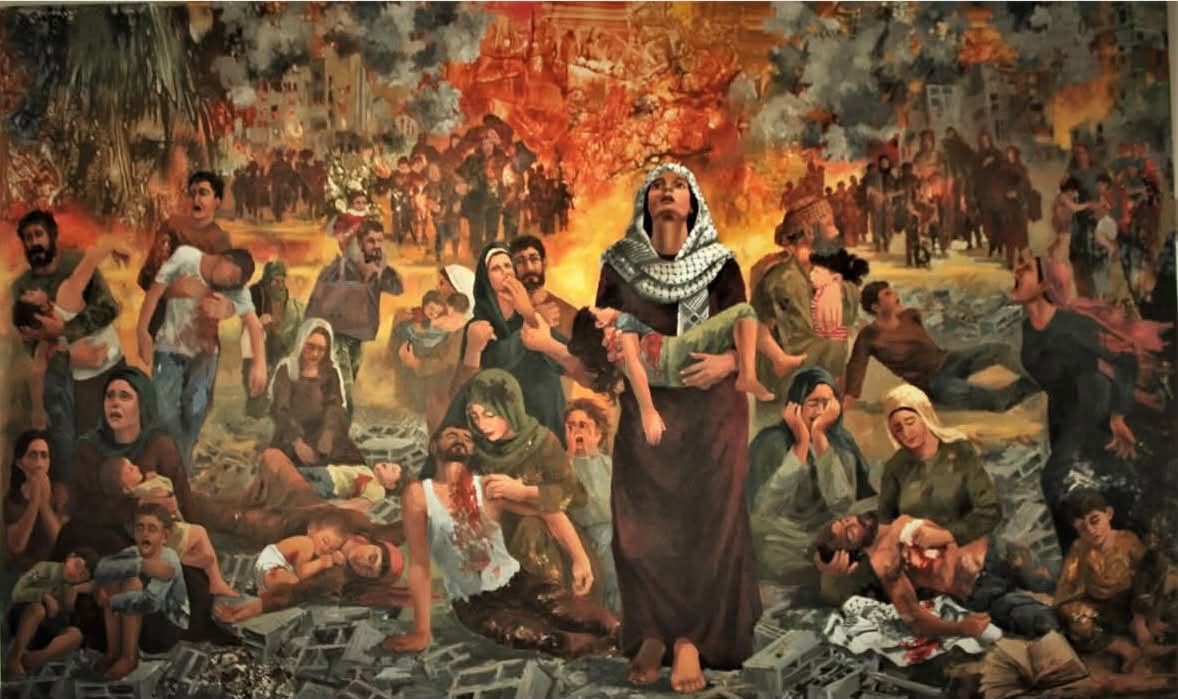
Don’t Forget Dier Yassin
Heba
- August 19, 2026
 Heba
Heba marwanmarwanmarwanmarwanmarwanmarwan
 CrossFireArabiamarwanmarwan
 Saleem Ayoub QunamarwanCrossFireArabiaCrossFireArabiaCrossFireArabiaCrossFireArabiamarwanCrossFireArabiaCrossFireArabiamarwanCrossFireArabiaHebaCrossFireArabiamarwanCrossFireArabiamarwanHebaCrossFireArabiamarwanmarwanHebaCrossFireArabiamarwanmarwanCrossFireArabiamarwanHebaCrossFireArabiaCrossFireArabiaCrossFireArabiaHebamarwanCrossFireArabiamarwanHebaCrossFireArabiaHebamarwanmarwanCrossFireArabiamarwanmarwanmarwanmarwanmarwanmarwanmarwanmarwanmarwanCrossFireArabiaCrossFireArabiamarwanmarwanCrossFireArabiaCrossFireArabiamarwanCrossFireArabiamarwanHebaHebamarwanmarwanCrossFireArabiamarwanmarwanmarwanmarwanmarwan
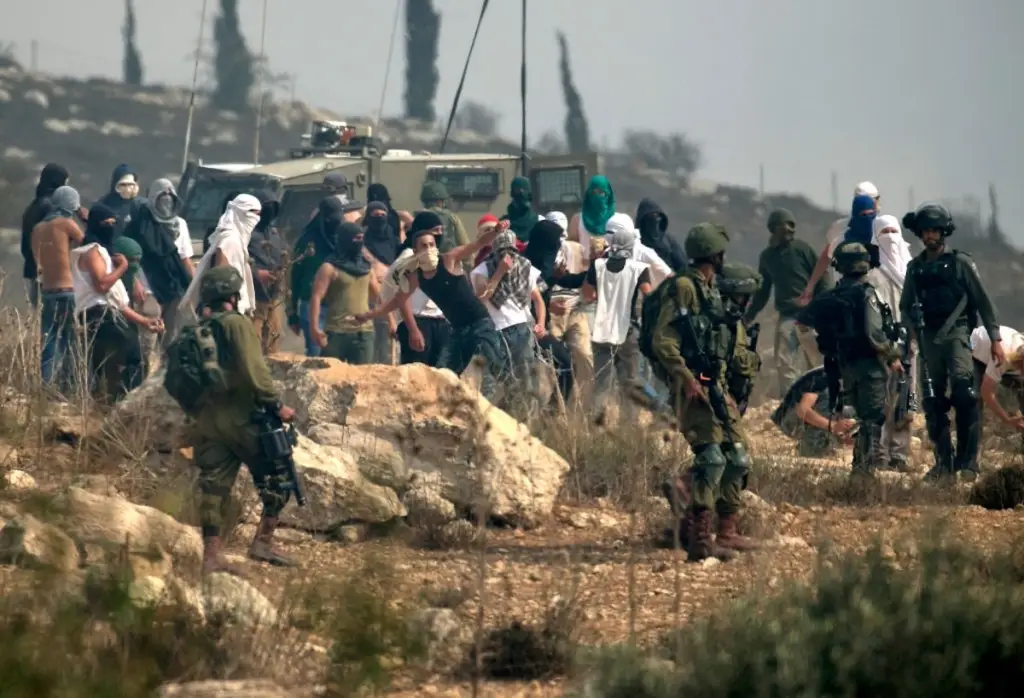
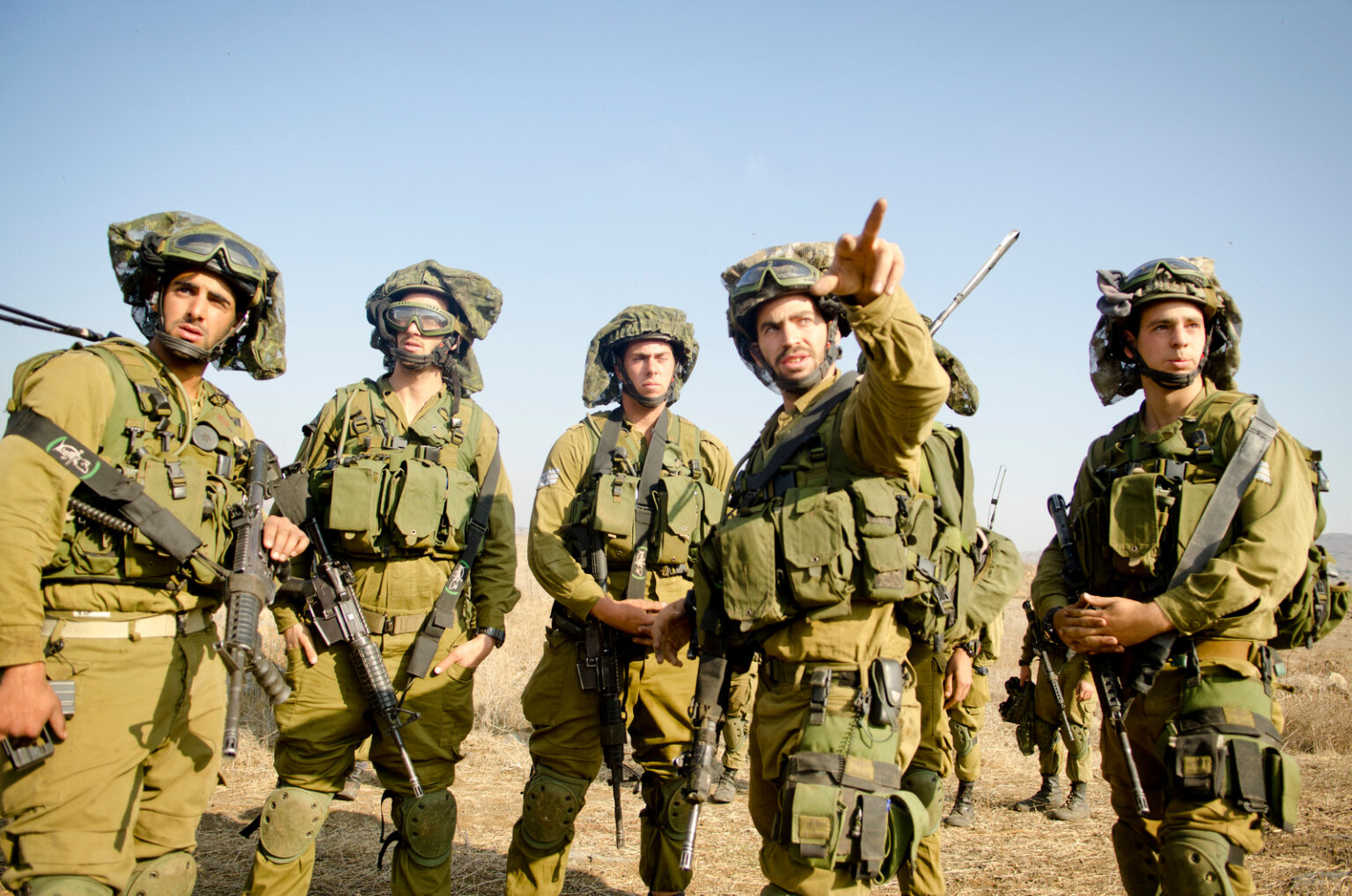
More than 300 Israeli reserve soldiers, Wednesday, called on army command to take decisive action to stop what they described as “Jewish terrorism” in the occupied West Bank, referring to settler attacks on Palestinians. They warned that the continuation of these attacks endanger soldiers.
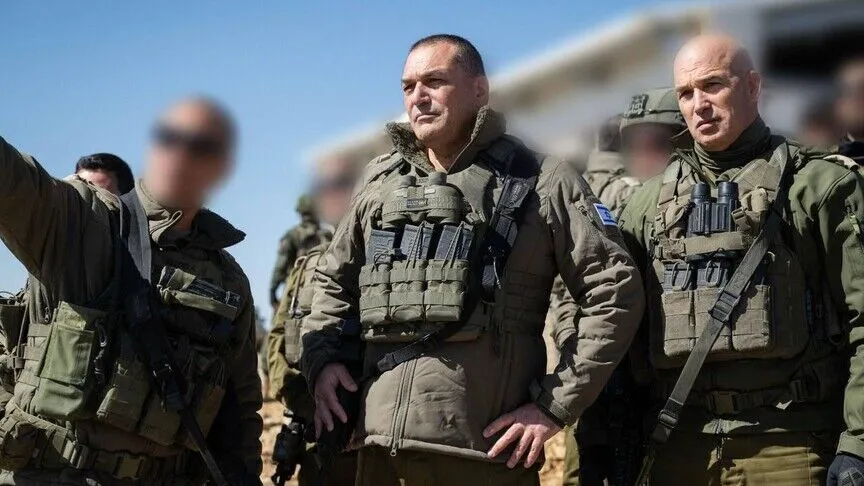
The Israeli newspaper Yedioth Ahronoth reported that more than 300 reserve soldiers signed a petition titled “A Letter from Reserve Soldiers Against Jewish Terrorism,” addressed to Israeli Chief of Staff Eyal Zamir.
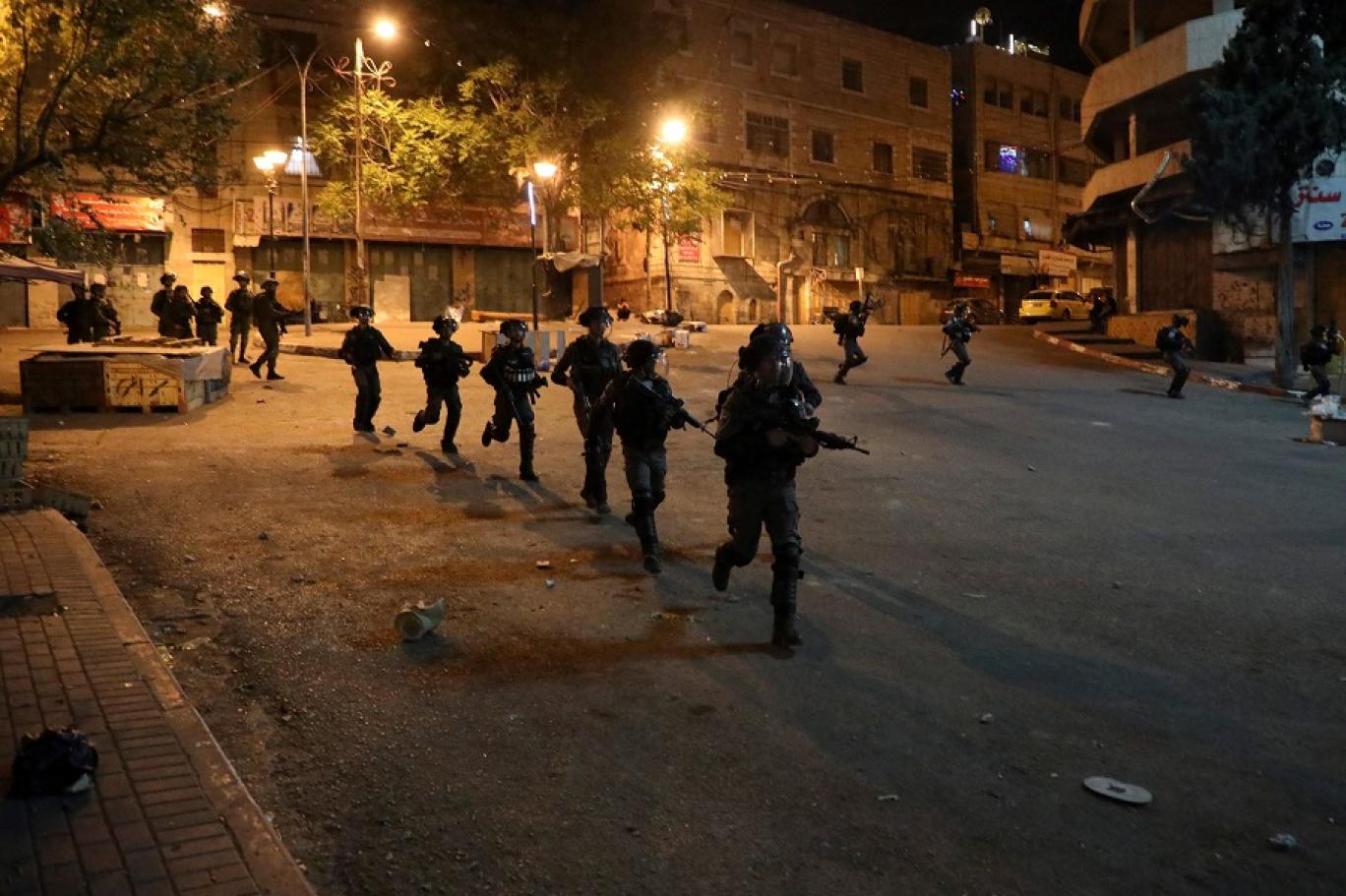
The petition coincided with the continued presence of extremist settlers near the town of Qusra, south of Nablus in the northern West Bank, where Palestinians say three families are living under a de facto siege.
The signatories accused the army command of failing to provide the necessary authority and resources to prevent the recurrence of settler attacks. They emphasized that they are repeatedly deployed to separate Israelis and Palestinians in what the army calls “friction incidents,” without having the actual mandate to prevent violence before it occurs.
The petition stated: “We are reserve soldiers who have served hundreds of days since October 7, 2023, including in the West Bank, where we risked our lives for Israel’s security. However, we feel that the army leadership is abandoning us in the field and failing to support us.”
The signatories added: “We are repeatedly asked to extinguish fires, but no one guarantees that the leaders of nationalist terrorism will be stopped and eradicated,” referring to settler attacks.
The petition warned that the inaction of the military leadership, coupled with the political support enjoyed by some of those involved in these attacks, is endangering the soldiers.
The soldiers asserted that the lack of clear directives and the overlooking of “Jewish terrorism” have contributed to soldiers being wounded and others killed in incidents related to these disturbances, according to the petition.
The signatories called on the Chief of Staff to “take decisive action to stop and eradicate Jewish terrorism” and to provide the forces with “clear tools and an explicit mandate” to prevent attacks.
Criticism from Reserve Soldiers
The newspaper quoted Reserve Major Aviad Hominer-Rosenblum, one of the petition’s signatories, as saying: “Soldiers are repeatedly forced to risk their lives due to the escalation of Jewish terrorism and the deliberate provocations instigated by inciters.”
He added: “Our reputation is being tarnished by the military establishment’s failure to address Jewish terrorism at its root, and by the actual involvement of soldiers, especially local defense personnel, in these dangerous incidents.”
The newspaper also quoted Reserve Captain Tom Benhasi as saying that the events in Qusra “are not an isolated incident, but rather part of a broader pattern in the West Bank.”
He added that armed settler groups “operate with little intervention, while the army often finds itself complicit in protecting the actions of an extremist minority instead of enforcing the law.”
Benhasi emphasized that “criminal violence against Palestinians does not enhance security; rather, it endangers soldiers, fuels tension in the region, and harms everyone’s security.”
In recent years, the West Bank has witnessed an escalation in settler attacks on Palestinians, with a noticeable increase in their frequency during recent months according to Quds Press.
Heba
From Mahmoud Alghoul
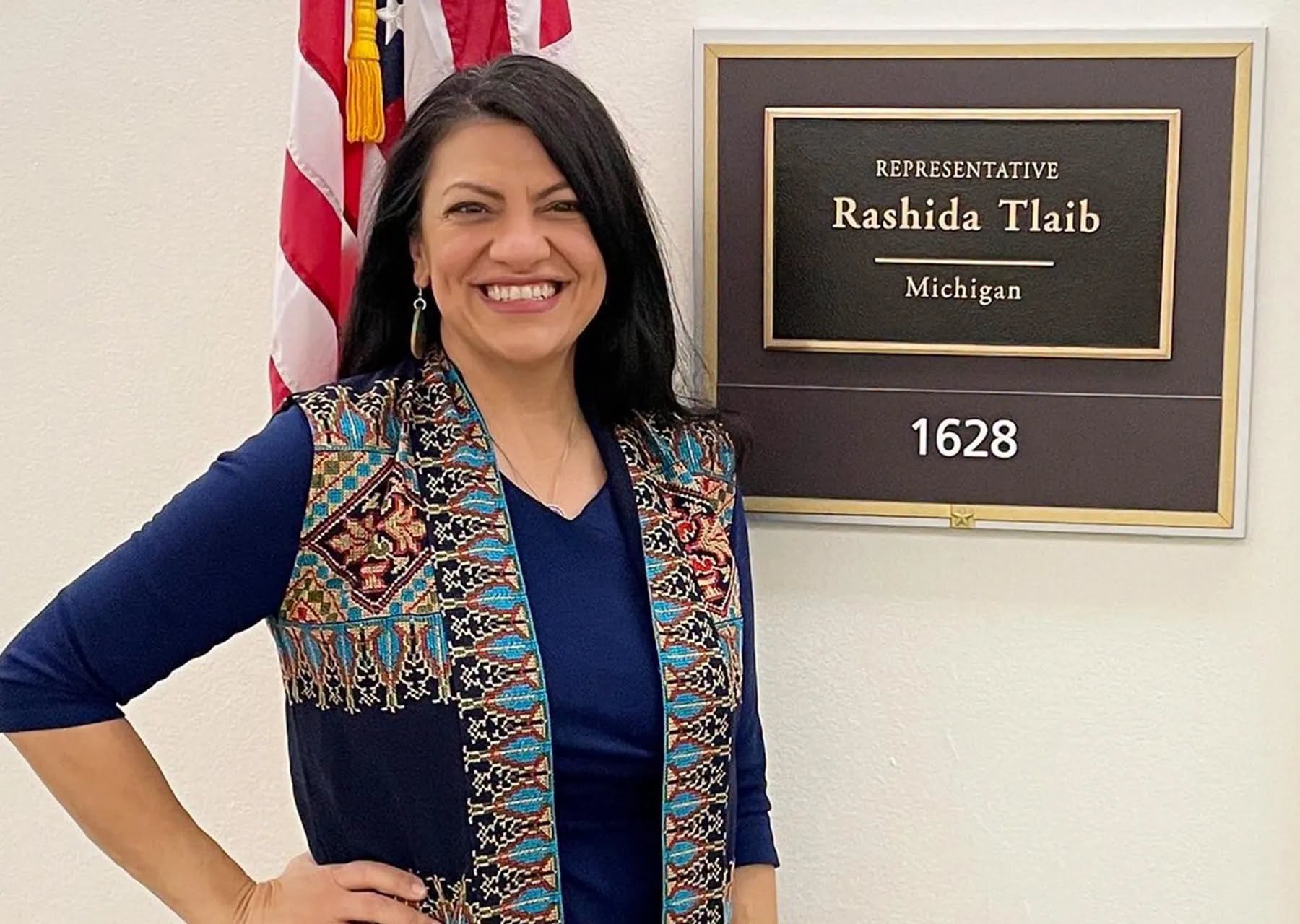
Rashida Tlaib sweeps her opponents in Michigan elections… and proudly proclaims her roots and family: “A big part of my strength comes from being Palestinian.”
“I am proud to be a Palestinian American, and a big part of my strength comes from being Palestinian,” Rashida Tlaib said, speaking about her Palestinian identity and heritage. She recalled her mother, who hails from a small village in the West Bank, and her grandmother and relatives in Palestine who have followed her political journey closely.
When she first won her seat in the US Congress, she said she wanted to amplify the voices of families in her district while remaining true to her Palestinian roots, emphasizing that her Palestinian identity was a significant source of strength.
For Tlaib, Palestine was not merely a family background she mentioned on occasion; it remained a constant presence in her political discourse. In 2019, she stated that she had never felt as Palestinian as she did within the halls of Congress, explaining that her presence in Washington had made her Palestinian identity more visible and pronounced. Rashida Tlaib, the Palestinian-American Democratic congresswoman, secured a resounding victory in the Michigan Democratic primary, thus clinching her party’s nomination for the general congressional elections scheduled for November.
This decisive win reflects the confidence Tlaib enjoys within her 12th Congressional District in Michigan, a district encompassing diverse communities and a broad base of support from Arab and Muslim communities, as well as progressives.
According to official results, Tlaib swept the race, garnering 73.9% of the Democratic vote, a significant lead over her closest rivals: former state legislator Chanel Jackson, who received 16.8%, and Inkster Mayor Byron Nolen, who received 9.2%.
This victory carries political significance beyond simply securing Tlaib’s nomination. It represents a new test of the strength of the progressive wing within the Democratic Party and reflects continued support for her positions on social justice, human rights, and foreign policy, particularly regarding the Palestinian issue. Tlaib is not only the first Palestinian-American woman elected to Congress, but she has also made her Palestinian roots an open part of her political identity. In previous statements, she spoke about her grandmother, who lives in the West Bank, and her emotional connection to Palestine. She also said that while Palestinians she knew in her family’s homeland saw her as American, her Palestinian identity felt more prominent within the U.S. Congress.
Rashida Tlaib is scheduled to face Republican candidate James Hooper in the upcoming general election in November, and given the nature and composition of her district, her chances of retaining her seat for another term appear favorable.
CrossFireArabia
From Sameer Kafina
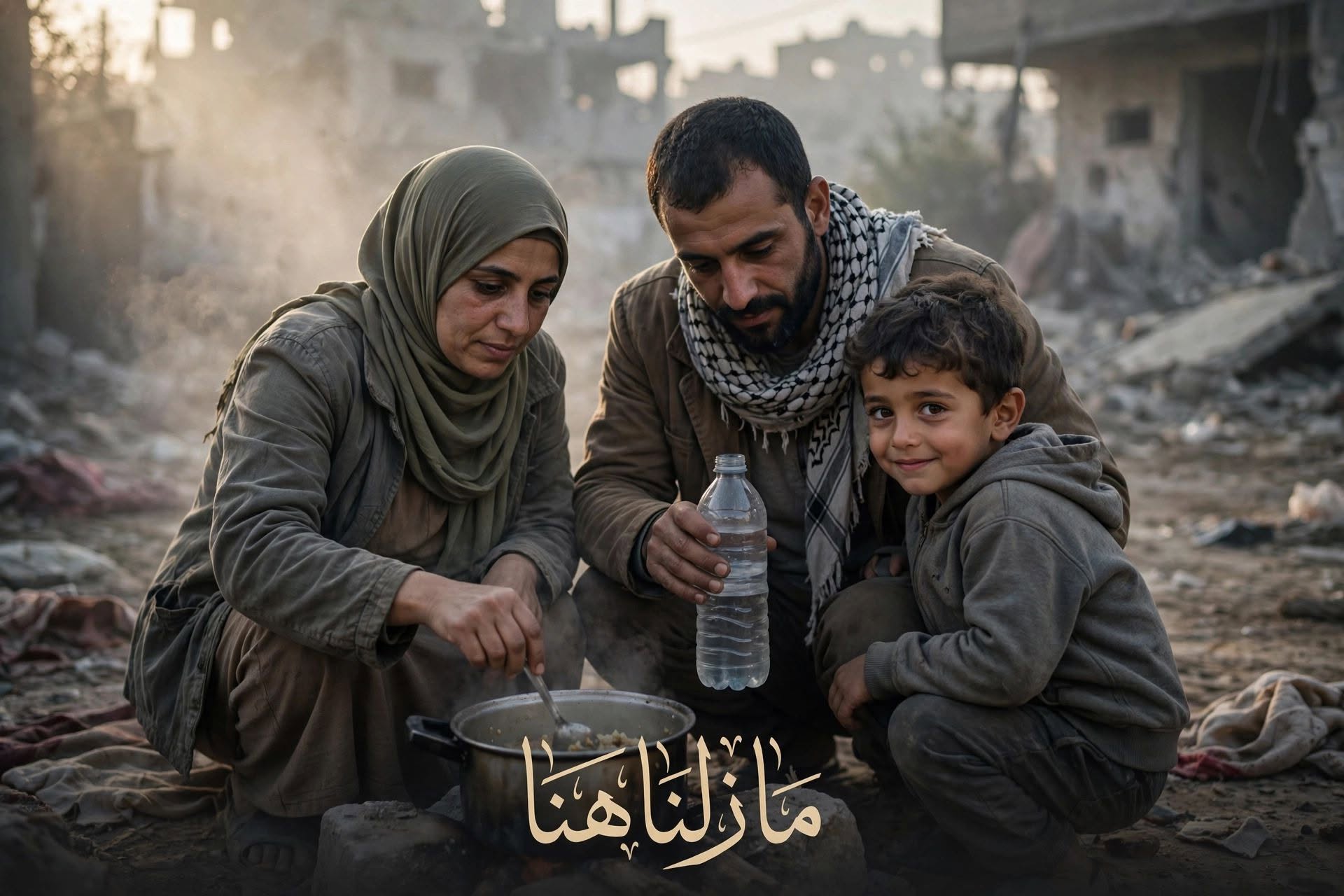
Gaza… When Survival Becomes an Achievement
In Gaza, survival is no longer a given.
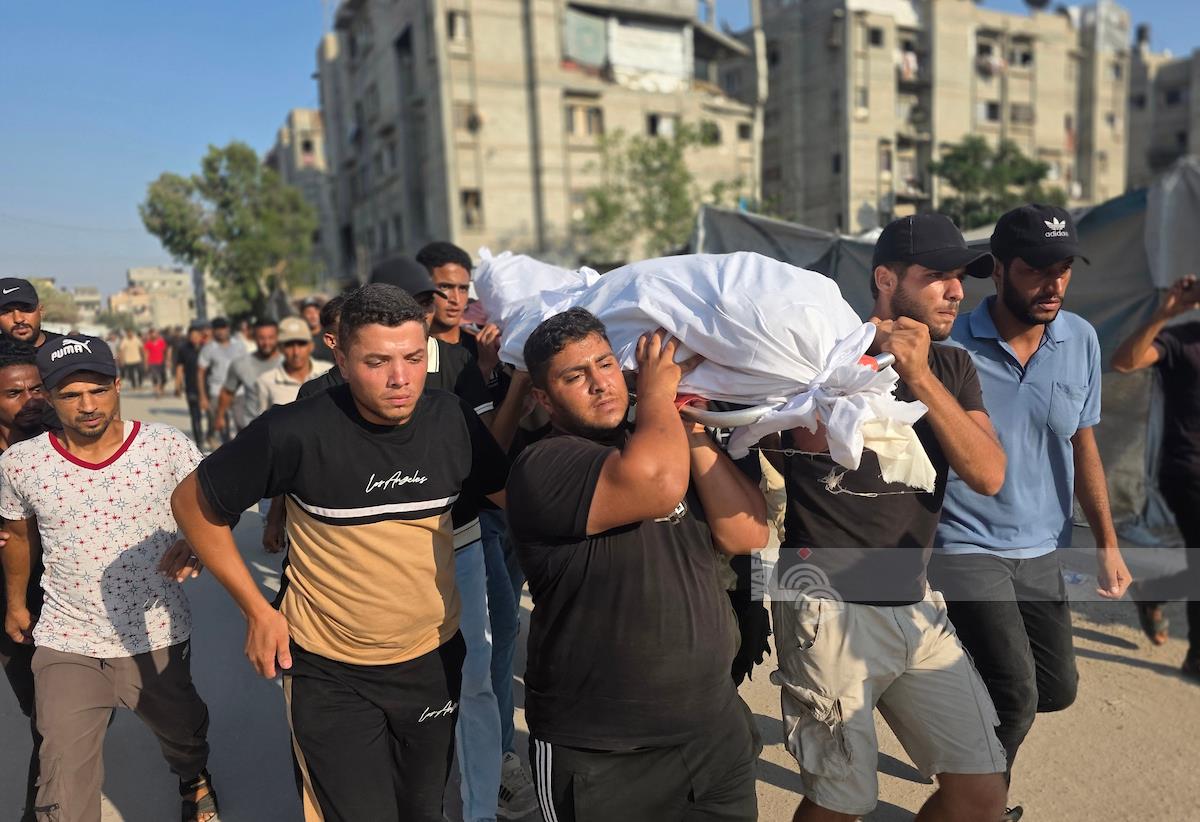
Waking up in the morning, finding water, getting a meal, searching for a safe place for your children, opening your eyes to find your loved ones still by your side… things that were once ordinary details in people’s lives have now become an achievement worth telling.
Those of us who live far from the war may not realize what it means for “tomorrow” itself to become a wish.
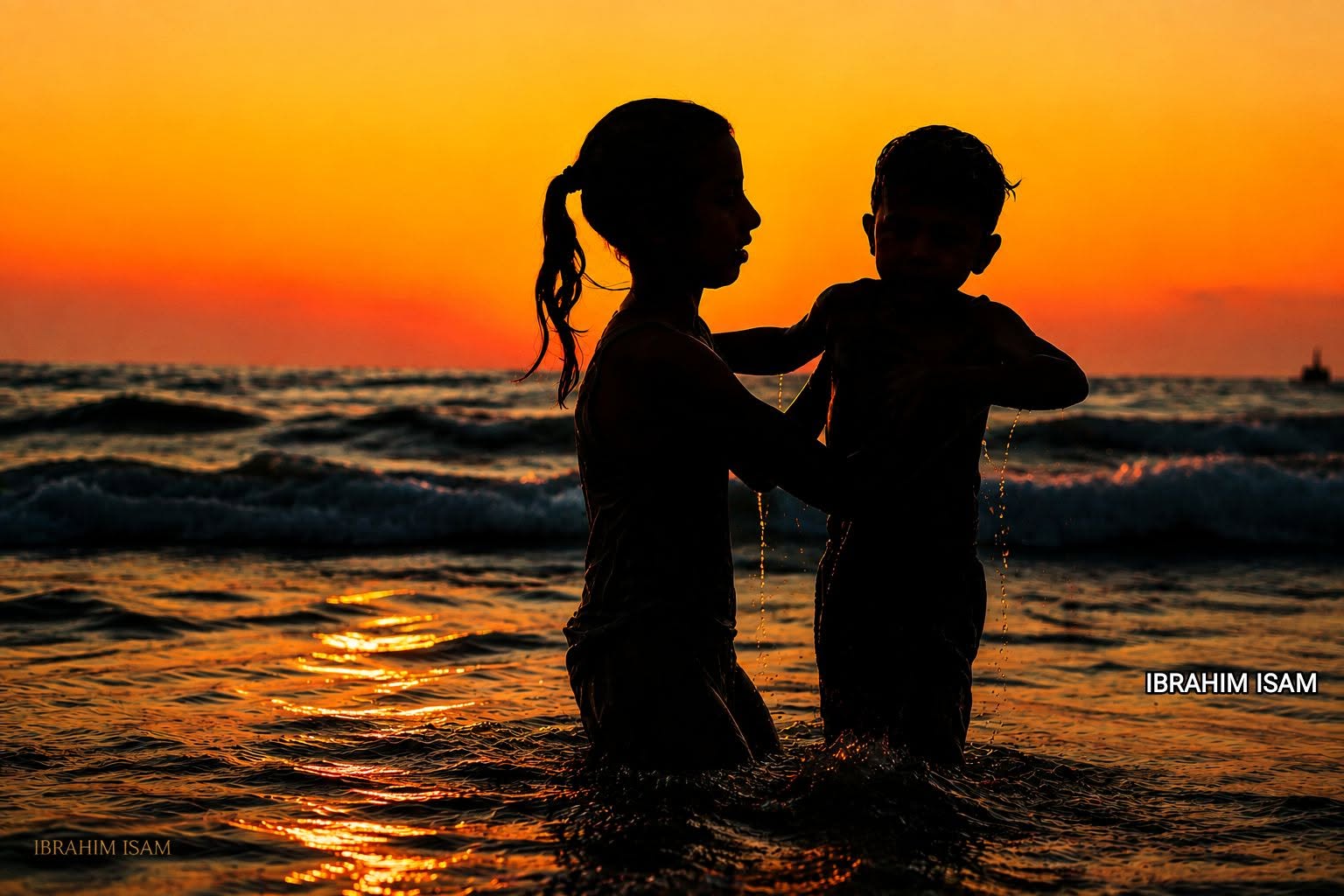
In Gaza, there are people who don’t ask for a life of luxury, nor grand dreams. All they want is for another night to pass without loss, for their children to find something to eat, for a roof over their heads to remain, and for them to be able to say in the morning: We are still here.
And perhaps this is why we shouldn’t see the people of Gaza only as victims.
They are also people resisting life itself; trying to preserve their families, what remains of their homes, their children, and some semblance of life amidst all this devastation.
We may not see this struggle in pictures.
But it happens every day. A woman tries to prepare a meal with what little she has left, a father searches for water, a child tries to laugh, and a family tries to sleep despite the fear.
These are not small details.
In a place where death is so close, clinging to life becomes an act of resistance.
Gaza doesn’t just need us to remember its dead.
It also needs us to remember its living… who try every morning to tell the world:
We are still here.
CrossFireArabia
By Helmi Al-Asmar
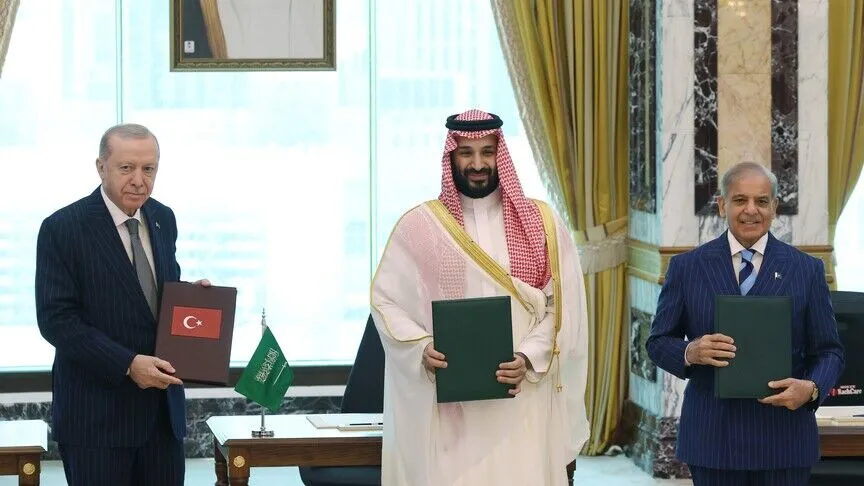
In politics, not all agreements are created equal. Some accords are signed only to be forgotten, while others open a new chapter in history. The question that arises today is: To which category does the Mecca Agreement belongs to?
For more than a century, the Islamic world has lacked an independent security system capable of protecting its interests outside the sphere of influence of major powers. Alliances have come and gone, and coalitions have shifted, but security decisions have often remained hostage to international balances rather than stemming from regional will.
Today, three of the most important players in the Islamic world are coming together: Saudi Arabia with its political, economic, and religious weight; Turkey with its advanced industrial and military base; and Pakistan with its military strength, strategic expertise, and possession of nuclear weapons. The convergence of these elements within a single defense framework makes it difficult to treat the agreement as a mere passing news item.
But history also teaches us that texts alone do not create transformations. What gives any agreement its true value are the practical steps that follow: joint command, integration of military industries, intelligence sharing, unified defense systems, and regular exercises. Only then can it be said that the agreement has moved from paper to reality.
Conversely, this step will not pass without regional and international powers reassessing their calculations. The United States, Russia, China, Iran, and Israel will all interpret the agreement through the lens of its potential impact on the balance of power in the Middle East and the Islamic world.
However, the greatest challenge may not be external, but internal. Can the three countries overcome their differing priorities and interests and transform the political declaration into a long-term strategic project? This is the real test.
The Mecca Agreement may be just another milestone in the history of agreements, or it may be the first spark for building a different Islamic security system. Therefore, the question is not: What does the agreement stipulate? But rather: What will happen after its signing?
The answer will not be written in the final statement, but rather in the coming years.
Are we witnessing the beginning of a new chapter, or a major event destined for the archives of politics?
Only time will tell.
This opinion was originally written in Arabic and appeared in the Jo.24 website and republished in crossfirearabia.com